
To save water with smart irrigation controllers, set tailored watering schedules that adjust based on weather conditions. Enable rain sensors and weather-based adaptation so watering pauses during rain and droughts. Use Wi-Fi connectivity to control your system remotely, ensuring watering only when needed. Keep an eye on real-time alerts for maintenance issues to prevent waste and damage. By optimizing these features, you can improve efficiency and landscape health—continue exploring for more tips to maximize your system’s benefits.
Key Takeaways
- Use automated scheduling to water only when necessary, avoiding overwatering and reducing water waste.
- Integrate rain sensors to pause watering during rain, conserving water during wet weather.
- Utilize weather-based adaptations to delay or skip watering before storms or during high humidity.
- Remotely adjust and monitor your system via Wi-Fi to optimize watering times and prevent unnecessary runoff.
- Set up real-time alerts for malfunctions to maintain efficiency and prevent water wastage due to system issues.

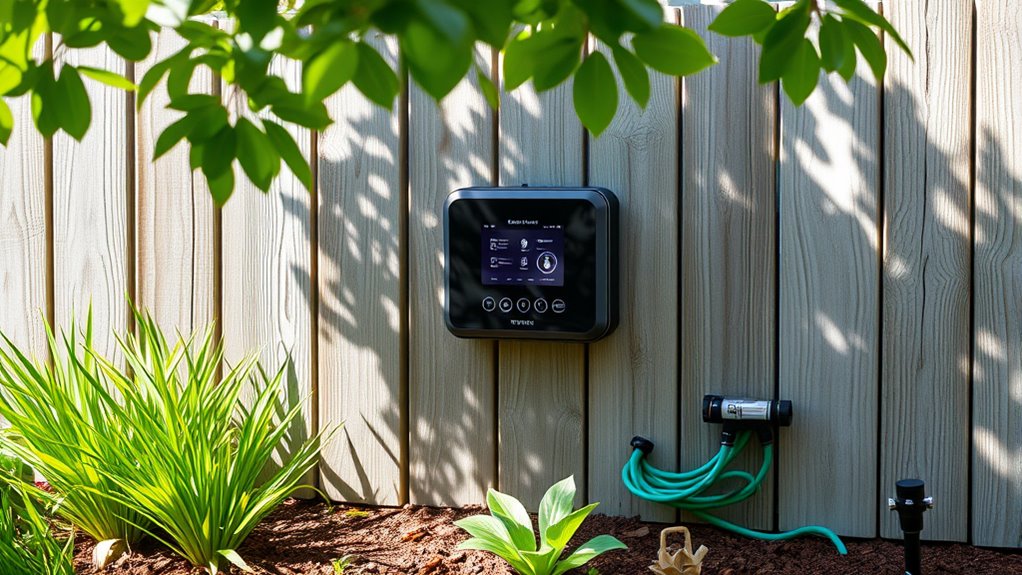
Smart irrigation controllers are revolutionizing the way you water your lawn and garden by providing efficient, automated watering schedules tailored to your landscape’s needs. With these controllers, you don’t have to manually turn on or adjust your sprinklers; instead, they use advanced technology to optimize watering times, saving both water and money. One of the key features that make these systems so effective is their ability to integrate rain sensors. Rain sensors detect when it’s raining and automatically pause watering cycles, ensuring you don’t waste water during wet weather. This simple addition prevents overwatering, reduces runoff, and helps maintain healthy soil and plant roots. It’s a smart way to adapt your irrigation based on real-time weather conditions, making sure your landscape gets the right amount of water without your constant oversight.
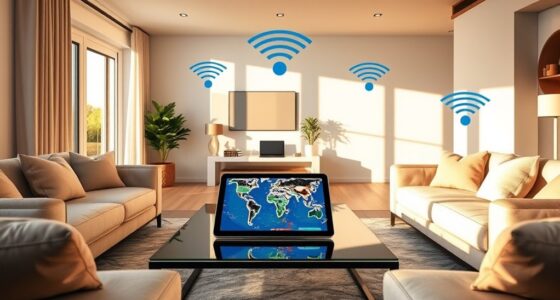
Another significant advantage of modern smart controllers is their Wi Fi connectivity. With Wi Fi, you can control and monitor your irrigation system from anywhere using your smartphone or tablet. This means you don’t have to be home to start, stop, or adjust watering schedules. Whether you’re at work, on vacation, or just relaxing elsewhere, you can easily access your system’s app to make changes based on current weather forecasts or your landscape’s needs. Wi Fi connectivity also allows your system to receive automatic weather updates, so it can adapt watering schedules accordingly. For example, if a storm is forecasted, your controller can delay watering sessions, conserving water and preventing unnecessary runoff. Plus, many smart controllers provide real-time notifications, alerting you if there’s a malfunction or if maintenance is needed, giving you peace of mind and helping you avoid water waste or damage.
Frequently Asked Questions
How Do Smart Controllers Adapt to Unexpected Weather Changes?
Smart controllers adapt to unexpected weather changes by utilizing weather forecasting data and implementing adaptive scheduling. When forecasted rain or drought conditions occur, they automatically adjust watering times and durations to conserve water. You’ll notice this seamless adjustment, ensuring your landscape gets the right amount of water without waste. This proactive approach helps you save water, reduce costs, and maintain a healthy garden, even when weather patterns shift unexpectedly.
Are Smart Irrigation Controllers Compatible With Existing Sprinkler Systems?
Yes, smart irrigation controllers are generally compatible with existing sprinkler systems, but you should check their sprinkler compatibility first. They usually require minimal installation requirements, often just connecting to your current wiring and valves. Make sure to verify your system’s specifications and compatibility before purchasing. Most models are designed for easy integration, making it simple to upgrade without extensive modifications to your current sprinkler setup.
What Is the Typical Cost Range for Installing a Smart Controller?
A penny saved is a penny earned, so investing in a smart controller is wise. The typical cost estimate for installing one ranges from $150 to $500, depending on features and system compatibility. Installation expenses can vary, especially if professional help is needed. Keep in mind, the initial investment pays off through water savings and convenience, making it a smart choice for your landscape.
Can Smart Controllers Be Integrated With Home Automation Systems?
Yes, smart controllers can be integrated with your home automation systems, enhancing your garden aesthetics while promoting water conservation techniques. By linking them to your smart home setup, you can control watering schedules remotely, receive alerts, and customize settings for ideal garden health. This seamless integration helps you save water, maintain lush landscapes, and simplify your irrigation management, making your garden both beautiful and environmentally friendly.
How Secure Are Smart Irrigation Controllers Against Hacking?
Smart irrigation controllers are generally secure, but cybersecurity risks exist. About 43% of smart device users worry about data privacy, highlighting potential vulnerabilities. To protect your system, guarantee it has strong passwords, regular software updates, and encryption. While most controllers include security features, staying vigilant reduces hacking chances, safeguarding your data privacy and maintaining your system’s integrity. Don’t overlook these steps to keep your smart irrigation system safe.
Conclusion
By using smart irrigation controllers, you not only save water but also support a healthier environment. Many believe these devices automatically adjust watering schedules based on weather, but research shows they work best when paired with local climate data and manual oversight. Embracing this technology can truly make a difference in water conservation. So, trust the science, stay attentive to your system, and enjoy a lush, sustainable landscape with less effort.