
TL;DR

Get furniture and decor delivered free with Prime
- Fast, free delivery on millions of items
- Prime Video, Amazon Music and more included
- Member-only deals all year
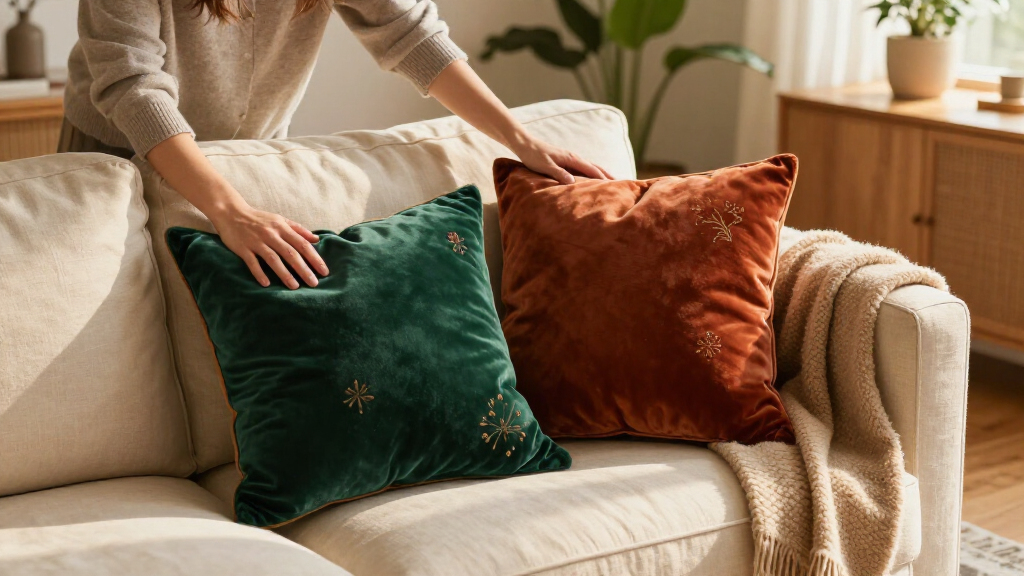
Luxury decorative throw pillows combine appealing fabric, careful construction, suitable fill, and a design that works with your room. Compare the cover, insert, care instructions, and dimensions before buying; then balance texture and pattern while leaving enough sofa space to sit comfortably.
A velvet pillow can look like a jewel on a sofa and feel like a chore if it needs delicate cleaning every week. That gap between beautiful and livable is where smart shopping matters. “Luxury” sounds like a promise, but there is no single regulated standard behind the label.
In this guide, you’ll learn what actually makes a pillow feel special, how to choose fabric and fill, and how to arrange colors and sizes without sacrificing a comfortable seat. You’ll also get a practical way to compare price with materials, workmanship, and care, so you can spend on the details you’ll notice and use.
Think of your sofa as a small stage: pillows set the mood, but the room still needs to work for the people sitting in it. A good arrangement welcomes you in instead of making you move a stack of cushions before you can relax.
Judge “luxury” by fabric, seams, closure, fit, and care information—not price or branding alone.
Choose velvet, linen, silk, cotton, or blends according to how much traffic, sunlight, and cleaning your room brings.
A slightly larger insert can make a cover look fuller, but check that it does not strain seams or the closure.
Mix a shared color with different pattern scales and textures, then remove any pillow that crowds the seating.
Compare the full cost and upkeep: a washable cover may offer more daily value than a delicate statement cushion.
What Makes a Throw Pillow Feel Truly Luxurious?
Luxury decorative throw pillows stand out through a combination of fabric, construction, finish, and design—not one universal label. Look for tactile materials such as velvet, linen, silk, wool, cashmere blends, and high-quality cotton, then check the seams, closure, and fit. Those details tell you more than a price tag alone.
Take two 20-inch pillows in a showroom. One has a crisp, even seam, a concealed zipper, and a cover that sits neatly over its insert; the other puckers at the corners and pulls at the closure. Even before you touch them, the first looks more considered. Fine details such as piping, embroidery, quilting, or hand finishing can add character, but they can also raise the price and affect care needs.
“Luxury” can describe a brand’s positioning as much as its materials. Handmade, natural, and sustainable also mean different things across sellers, so look for specifics: fiber content, where the item was made, and what the maker says about production. A clear description of a cotton-linen blend is more useful than a vague promise of exceptional quality.
Ask yourself what you want the pillow to do: bring color, support your back, add a soft texture, or mark a special corner of the room? A silk cushion can make a quiet reading chair feel dressed up, while a durable cotton cover may be a better match for a busy family sofa. The best choice is the one whose finish and function fit your life.
Products Worth Considering

LEVOIT Vital 100S-P Smart Air Purifier with Washable Pre-Filter

Samsung 42-Inch Class OLED S90F 4K Smart TV (2025)

Samsung 42-Inch S90H OLED 4K Smart TV Bundle
As an affiliate, we earn on qualifying purchases.
Choose a Fabric That Matches the Way You Live
Luxury decorative throw pillows work best when their fabric suits both the room’s look and its daily traffic. Velvet feels plush and catches the light; linen has a relaxed, gently rumpled texture; silk looks luminous but can be delicate. Fiber, weave, dye, friction, and sunlight all affect how a cover wears over time.
Imagine a sunny living room where a pale silk cushion sits beside a south-facing window. It may look lovely in the morning, but long exposure to strong light can fade fabric, and frequent rubbing can show wear. In a den where a dog curls up after walks, a removable cover in a tightly woven, washable fabric is often a more comfortable choice for you and a safer one for the pillow.
Compare fabric by touch, appearance, and upkeep before you buy. Check the care label rather than assuming that a premium material will be easy to clean. Some covers can go in the wash; others need professional care. A beautiful pillow you avoid using because you fear a spill is not delivering much value.
- Velvet: Rich depth and a plush hand; check its cleaning guidance and watch for pressure marks.
- Linen: Airy, textured, and relaxed; wrinkles are part of its character.
- Silk: Smooth and lustrous; better suited to lower-traffic spots and careful maintenance.
- High-quality cotton or a durable blend: Often a practical choice for everyday seating, especially when the cover removes easily.
Current decorating directions often favor touchable surfaces, earthy colors, expressive patterns, and artisan-inspired details. Treat these as options, not rules: a warm, nubby neutral can soften a sleek leather sofa, while an embroidered cover might supply the room’s one small, vivid flourish.
Get the Insert and Size Right for a Fuller, Better-Fitting Pillow
Luxury decorative throw pillows look polished when the insert fills the cover evenly without forcing the seams. Cover measurements typically describe the fabric laid flat, so an insert a little larger than the cover may create a fuller appearance. The right size still depends on the cover’s fabric, construction, and the firmness you prefer.
For example, a firm insert that is too large for a delicate cover can strain a zipper or pull the corners into awkward points. A soft insert that is too small can leave the cover sagging, like a jacket several sizes too big. If a retailer sells covers and inserts separately, confirm both measurements and read the fill description before ordering.
Down and feather inserts are soft and moldable. You can squish one behind your back or give it a quick chop to restore its shape, but it may need regular fluffing and may not suit people with feather allergies. Down alternatives can be easier to maintain and may fit your preferences better; compare the specific fill and care details rather than assuming all inserts behave alike.
- Measure the furniture. Note the sofa or bed’s usable width and depth, not just its overall size.
- Pick a main size. Larger pillows can anchor a grouping; smaller cushions can add contrast or support.
- Check insert fit. Ask whether you want a firm, full look or a softer, more relaxed shape.
- Test the seating space. Arrange the pillows, then sit down. If you have to move a whole pile, remove one.
A deep sectional can handle larger pillows at its corners, while a narrow apartment sofa may look crowded with the same arrangement. Comfort sets the limit: the pillows should make a seating area feel inviting, not turn it into a display you can’t use.
Mix Color, Pattern, and Texture Without Making the Room Busy
Luxury decorative throw pillows look cohesive when their colors connect and their patterns vary in scale. Choose a shared shade already present in the room, then mix a large print with a smaller motif and a solid texture. The result feels layered, not chaotic, because the eye has a familiar color to follow.
Picture a cream sofa with a rust-colored rug and dark wood table. You could pair a large, loose botanical print that picks up the rust with a small geometric cushion in cream and a plain, nubby brown cover. The pillows do not match exactly, but the shared palette ties them together. Scale does the balancing: three equally bold prints compete; one big pattern, one quiet pattern, and one solid give each a job.
Texture can make a calm palette feel alive. A smooth cotton cover beside a slubby linen one and a soft velvet cushion creates a tactile mix, even if all three are shades of oatmeal. But texture also affects maintenance: an embroidered or looped surface may snag more easily than a tightly woven cover in a home with cats or small children.
Try arranging the pillows, then remove one and look again. A single accent can have more impact than a crowded line of cushions. The question is not, “How many pillows make this look expensive?” It’s, “Can you still see the sofa, and would you want to sit here?” Pillows are accents; they should support the room, not swallow it.
Decide Whether the Price Matches the Quality You’ll Use
Luxury decorative throw pillows may justify a higher price when their materials, workmanship, design, or durability match what you value. A high price by itself does not prove better comfort or a longer life. Compare the cover and insert separately when possible so you can see what the price actually includes.
Say you are choosing between a $70 pillow with a removable cotton cover and a $240 embroidered silk cushion. The silk piece may offer distinctive design and careful finishing, while the cotton one may be easier to wash and replace. If you need everyday cushions for a busy living room, the lower-priced cover could deliver more practical value; if you want one special accent in a low-traffic room, the silk may suit the job.
Check the product details for fiber content, construction, closure, dimensions, and care. Ask whether the insert is included, whether the cover removes, and what the maker means by terms such as handmade or sustainable. Claims about lower-impact materials vary, so look for concrete information about fibers, sourcing, production, and certifications rather than relying on a green-sounding phrase.
It can be smart to spend more on one distinctive, well-made cover and pair it with simpler cushions. For example, a small-batch embroidered pillow can become the focal point on a neutral sofa, while washable cotton covers handle the seats where people actually lean. Buy for use as well as appearance; a cushion that stays pristine because no one touches it is a different kind of purchase from one that earns its place every evening.
Keep Your Favorite Pillows Looking Good Through Daily Use
Luxury decorative throw pillows last longer when you follow their care labels and place them with sunlight, friction, and household use in mind. Remove covers for cleaning only when the instructions allow it, and store pillows clean and dry, away from prolonged sunlight and moisture. A little prevention can keep color and texture looking fresh.
For instance, if one arm of your sofa sits in a bright window, rotate the pillows now and then so one side does not take all the sun. If your child likes to build a cushion fort, keep delicate silk or elaborate embroidery for a quieter chair and choose a washable cover for the sofa. Match the pillow to the job, and you will spend less time worrying about it.
Before buying, consider how the cover closes and whether you can replace the insert. A removable cover can make cleaning easier, while a separately sold insert lets you change the feel without replacing a design you still love. Down and feather fills may need regular fluffing; down alternatives may better suit someone who prefers a different care routine or has feather allergies.
Here is a simple habit that helps: give your pillows a quick shake when you straighten the sofa, and check care instructions before treating a mark. Do not assume every fabric tolerates the same soap or washing method. When an item calls for professional cleaning, follow that direction instead of testing a risky home remedy on an expensive surface.
Frequently Asked Questions
What makes a throw pillow “luxury”?
Luxury usually comes from a mix of fabric, construction, finish, and design, not one recognized standard. Check the seams, closure, fiber content, and care instructions so you can judge the actual product rather than the label.
Should the insert be the same size as the cover?
Not always. A slightly larger insert can create a fuller look, but an insert that is too large may strain the seams or zipper. Check the cover’s fabric and construction, and choose the firmness you want.
How do I mix pillow patterns without making a room look busy?
Use a shared color palette and vary pattern scale: try one large print, one smaller motif, and one solid texture. On a cream sofa, a botanical pillow that echoes the rug’s rust tone can connect the grouping without making every cover match.
Which insert is better: down, feather, or down alternative?
Down and feather inserts feel soft and moldable but may need regular fluffing and may not suit people with feather allergies. Down alternatives offer another option for maintenance or personal preference. Check the specific fill and care details before choosing.
Are expensive decorative pillows worth the price?
They can be worth it if the materials, workmanship, design, or durability fit your needs. Compare what the price includes, including whether you get the insert, and consider whether delicate care suits your household.
Are luxury throw pillows suitable for homes with pets or children?
Yes, but choose covers with everyday use in mind. A removable, washable, tightly woven cover is generally easier to live with than delicate silk or easily snagged embroidery; reserve the fragile favorite for a quieter spot.
Conclusion
Choose a pillow you enjoy looking at and feel comfortable using. Check its fabric, construction, insert fit, and care instructions before you pay, then let your room—not a trend or a label—set the final choice.
The right cushion adds a soft note of color and texture, like the last brushstroke that makes a room feel lived in. Leave enough space to sit down, and let the pillow do its quiet work.