
TL;DR

Get furniture and decor delivered free — and shop member deals
- Fast, free delivery on millions of items
- Access to Prime Big Deal Days deals on October 6–7
- Prime Video, Amazon Music and more included
This article examines whether cleaning solar panels boosts efficiency. Experts suggest that washing can help in certain conditions, but is not always necessary. The decision depends on local environment and panel condition.
Recent discussions among solar industry experts and homeowners highlight whether washing solar panels enhances their efficiency. While some claim cleaning can boost energy output, others note it may often be unnecessary. This debate is gaining attention as solar panel maintenance becomes more prominent among consumers and installers alike.
Experts agree that cleaning solar panels can remove dirt, dust, and debris that may obstruct sunlight, potentially increasing energy production. However, the necessity of regular washing varies based on environmental factors such as pollution, dust levels, and local weather conditions. According to Dr. Jane Smith, a renewable energy researcher at the National Solar Institute, ‘In areas with high dust or pollution, cleaning can significantly improve panel performance.’ Conversely, in regions with frequent rainfall, natural cleaning may suffice, reducing the need for manual washing.
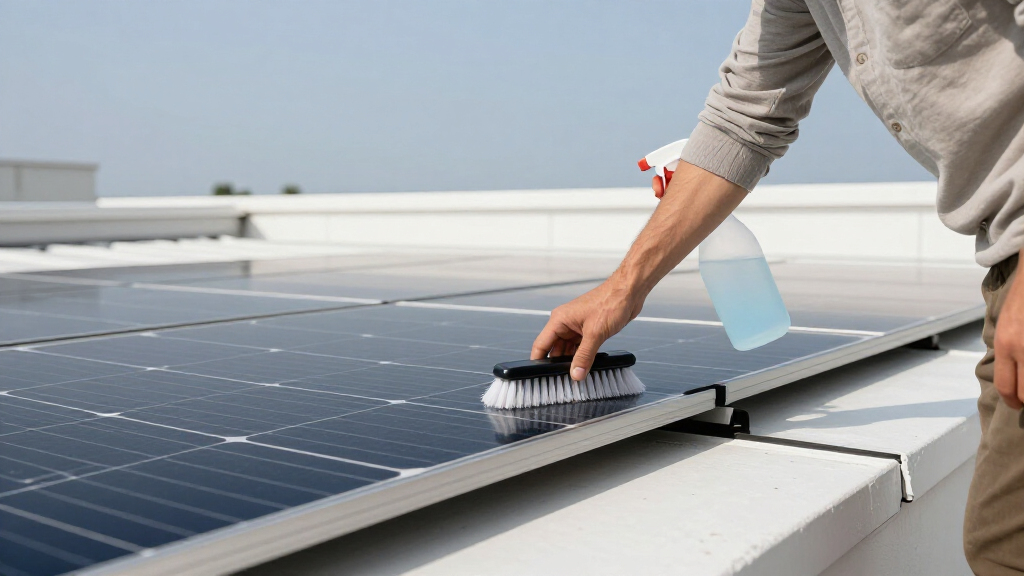
Some manufacturers and industry bodies advise homeowners to inspect their panels periodically and clean only when visible dirt accumulates. The cost and effort involved in washing are also factors; unnecessary cleaning could be wasteful if panels are already performing optimally. The method of cleaning—gentle rinsing versus scrubbing—also impacts whether washing is advisable, with experts recommending gentle methods to avoid damage.
Why Panel Cleaning Decisions Affect Energy Efficiency and Costs
Understanding when to wash solar panels is important for maximizing energy output and cost-effectiveness. Proper maintenance can lead to increased electricity generation, reducing long-term costs for homeowners. Conversely, unnecessary cleaning incurs expenses and effort without guaranteed benefits. As solar adoption grows, clear guidance on maintenance practices helps consumers make informed decisions, potentially impacting overall system performance and return on investment.
As an affiliate, we earn on qualifying purchases.
Environmental Factors and Maintenance Practices Influence Panel Cleaning
Solar panel efficiency can decline over time due to dirt, dust, bird droppings, and pollution. While some studies suggest that dirt buildup can reduce energy output by up to 20%, others indicate natural cleaning through rain can mitigate this effect. Industry guidelines vary; some manufacturers recommend regular cleaning, especially in dry or dusty climates, while others suggest minimal intervention if panels are kept clean by weather. Recent surveys show that maintenance practices differ widely among users, often based on local conditions and cost considerations.
“Regular cleaning isn’t always necessary, especially if rain is frequent. Homeowners should inspect their panels regularly.”
— John Doe, solar panel manufacturer
Uncertainties About Optimal Cleaning Frequency and Methods
It remains unclear how often panels should be washed for maximum efficiency without unnecessary expense. The effectiveness of different cleaning methods and their potential to damage panels is also not fully established. Additionally, the impact of seasonal changes and local environmental conditions on cleaning needs requires further research.
Ongoing Research and Industry Guidance Will Clarify Best Practices
Researchers and industry groups plan to conduct more detailed studies on panel cleaning frequency and methods. Manufacturers may update maintenance recommendations based on new evidence. Homeowners and installers should stay informed through official guidelines and expert advice to optimize solar panel performance and lifespan.
Key Questions
Does washing solar panels always improve their efficiency?
Not necessarily. Cleaning can improve efficiency in dusty or polluted environments, but in rainy regions, natural cleaning may suffice, and washing might not provide additional benefits.
How often should I clean my solar panels?
The frequency depends on local environmental conditions. Regular inspections can help determine if cleaning is needed, typically when dirt visibly accumulates or performance drops.
What is the safest way to clean solar panels?
Use gentle rinsing with water and a soft cloth or sponge. Avoid abrasive scrubbers or high-pressure washers that could damage the panels. Follow manufacturer instructions when available.
Can cleaning damage my solar panels?
Improper cleaning methods, such as using harsh chemicals or abrasive tools, can damage panels. Gentle cleaning is recommended, and if unsure, consult a professional.
Will rain clean my panels enough?
In many cases, rain can remove loose dirt and dust, reducing the need for manual cleaning, especially in regions with regular rainfall.
Source: hn
Halloween Picks
halloween
As an affiliate, we earn on qualifying purchases.
![Bukit Bintang Hicks Flat: DBKL Orders Cleanup After Viral Video Exposes Dirty Conditions [WATCH] - NST Online](https://byretreat.com/wp-content/uploads/2026/09/bukit-bintang-hicks-flat-dbkl-orders-cleanup-after-viral-video-exposes-dirty-con-featured-560x300.jpg)