
TL;DR
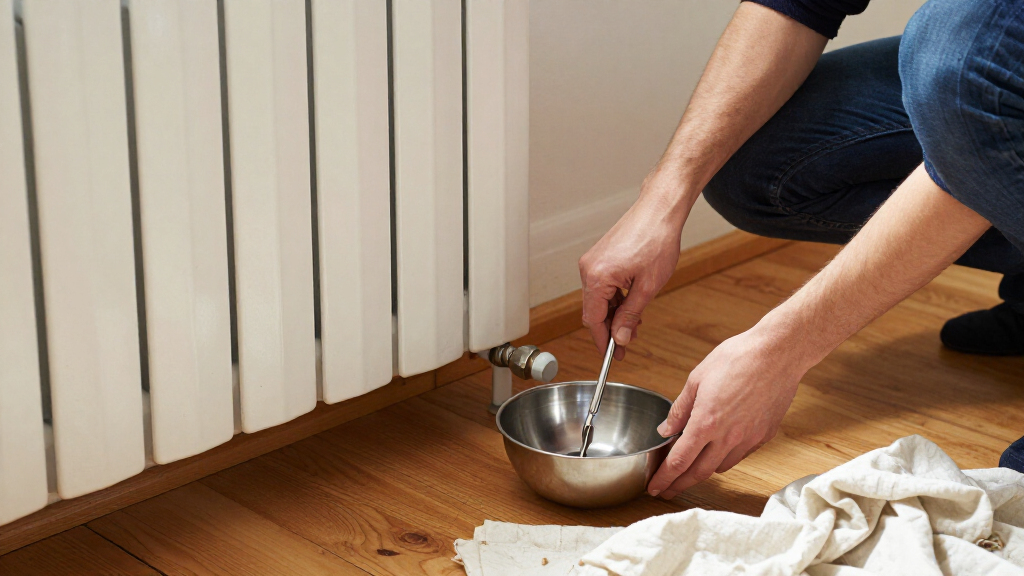
Heating professionals quoted by Ideal Home recommend bleeding downstairs radiators first, beginning with the one farthest from the boiler, then working upstairs in the same order. Bleeding them in a different order is unlikely to damage the system, but may mean checking radiators again; homeowners should check boiler pressure before restarting the heating.
Bleed downstairs radiators first, then move upstairs, heating professionals told Ideal Home in guidance on preparing a home heating system for colder weather. On each floor, start with the radiator farthest from the boiler; the advice is intended to make the process more methodical, not to prevent damage from every other order.

Get furniture and decor delivered free with Prime
- Fast, free delivery on millions of items
- Prime Video, Amazon Music and more included
- Member-only deals all year
Alex Woods of Victorian Plumbing recommends starting with the downstairs radiator farthest from the boiler, bleeding the remaining radiators on that floor, and then repeating the sequence upstairs. Woods said the order accounts for air rising through the system, helping homeowners work through the radiators without having to return to ones already checked.
Matthew Powell, founder of WarmZilla, said bleeding radiators upstairs first is unlikely to damage the heating system. However, if air is released from downstairs radiators afterward, it may collect in radiators upstairs, leaving the homeowner with extra checks or another round of bleeding.
The report also advises checking the boiler pressure after bleeding and before switching the heating back on, because the process can lower pressure in a sealed system. Once the heating is running, check whether radiators warm evenly. Persistent cold areas or uneven heating may point to a problem other than trapped air.
A Better Order, Not a Safety Rule
The recommendation matters to people carrying out routine heating checks because working in a consistent order can reduce the chance of repeating the job. But the experts quoted do not describe the order as a rule whose breach will harm a boiler or radiator: Powell says the likely downside of starting upstairs is that air may need to be cleared again.
That distinction can help homeowners avoid unnecessary worry while still following a practical sequence. The more consequential checks are whether the system’s pressure remains appropriate after bleeding and whether the radiators heat evenly once the heating is back on. Bleeding addresses trapped air; it does not resolve every cause of poor radiator performance.
Products Worth Considering

Levoit Core 400S-P Smart Air Purifier for Large Rooms

Levoit Vital 100S-P Air Purifier with Washable Pre-Filter

LEVOIT Vital 200S-P Smart Air Purifier for Large Rooms up to 1875 ft², Quiet 27 dB Operation, AHAM Verifide, HEPA Sleep Mode, White
As an affiliate, we earn on qualifying purchases.
Signs That Air Is Trapped
The guidance was published as part of seasonal advice to check heating systems before colder weather. A radiator that is cold at the top but warm below is described in the report as a common sign of trapped air. Gurgling sounds or several radiators heating unevenly may suggest the issue affects more than one radiator.
Powell says it can be reasonable to bleed just one radiator if it is cold at the top while the rest heat normally. If several radiators gurgle, heat unevenly or are cold across the top, he advises checking each. By contrast, cold spots at the bottom may indicate sludge or another issue rather than air; John Klee, a heating technology expert at BestHeating, says a system flush may be needed and recommends contacting a qualified professional if the homeowner is not confident doing the work.
““It’s recommended to start bleeding your downstairs radiators first, beginning with the radiator furthest from your boiler.””
— Alex Woods, Victorian Plumbing
When Bleeding Will Not Be Enough
The report does not provide a universal diagnostic test for every radiator problem, and it does not specify boiler-pressure readings or instructions for every heating-system design. A radiator that remains cold or heats unevenly after bleeding may have an issue with a valve, sludge in the system or a need for balancing, according to Powell. Klee identifies cold spots at the bottom as a possible sign that flushing is needed.
Those possibilities are not confirmed diagnoses for an individual home. The cause of any continuing heating problem depends on the system and symptoms, and the source advises seeking qualified help when a homeowner is unsure about more involved work.
Check Pressure and Heat Output
After bleeding the radiators, check the boiler pressure before turning the heating back on, then see whether the radiators warm evenly. If the system still has cold areas, unusual heating patterns or other problems, the source’s advice is to investigate beyond trapped air rather than repeatedly bleeding without identifying the cause. For suspected sludge, flushing, or work a homeowner is not confident undertaking, contact a qualified heating professional.
Key Questions
Should I bleed downstairs or upstairs radiators first?
The professionals quoted by Ideal Home recommend starting downstairs, then moving upstairs. On each floor, begin with the radiator farthest from the boiler.
Will bleeding radiators in the wrong order damage the system?
Powell says starting upstairs is unlikely to damage the system. It may be less efficient: air released from downstairs radiators afterward could mean you need to check upstairs radiators again.
Do I need to bleed every radiator?
If one radiator is cold at the top and the others heat normally, Powell says you can bleed that radiator alone. Gurgling, uneven heating or cold tops across several radiators may be a reason to check more of them.
What should I check after bleeding?
Check the boiler pressure before restarting the heating, then check whether the radiators heat evenly. Ongoing cold areas may point to a valve, sludge or balancing issue rather than trapped air alone.
Source: rss