
To plan small fixes before they become expensive, you should regularly inspect your property or equipment to catch issues early. Schedule routine maintenance and address minor problems like leaks or worn-out parts promptly. Keep a budget set aside for quick repairs, and develop a maintenance checklist to stay organized. Taking proactive steps now saves money and prevents stress later. If you keep these strategies in mind, you’ll discover more ways to stay ahead of costly repairs.

Get furniture and decor delivered free with Prime
- Fast, free delivery on millions of items
- Prime Video, Amazon Music and more included
- Member-only deals all year
Key Takeaways
- Perform regular inspections to identify small issues early before they escalate.
- Schedule routine maintenance to address minor repairs proactively.
- Create a maintenance budget that includes funds for small, planned repairs.
- Develop a maintenance checklist to monitor and track potential problems consistently.
- Address minor problems immediately to prevent costly repairs later.
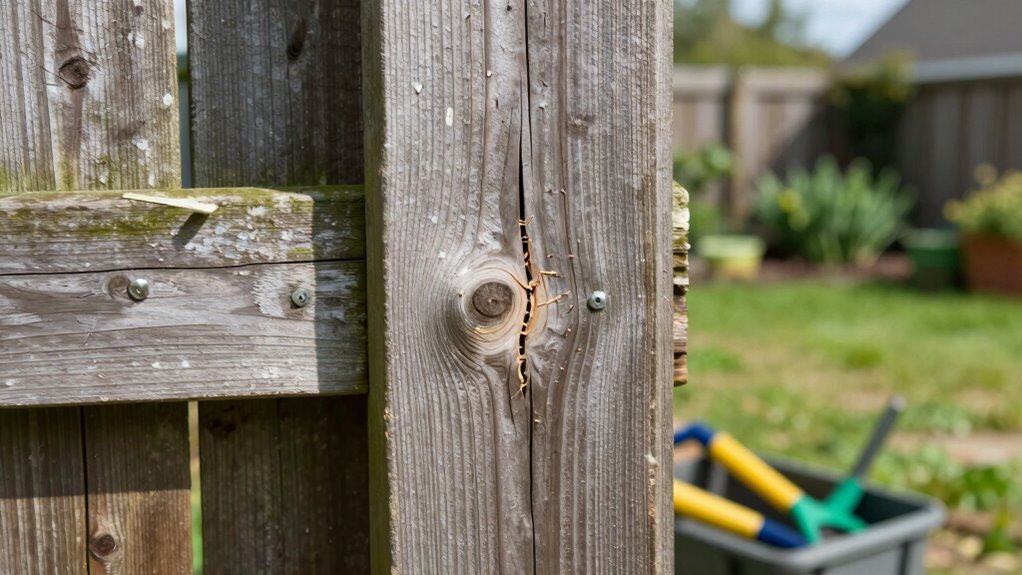
Small problems are easy to overlook until they escalate into costly repairs. That’s why it’s vital to stay ahead of potential issues by planning small fixes early. When you spot a minor problem, don’t wait for it to turn into a major headache. Instead, consider preventive maintenance as your first line of defense. This approach helps you address issues promptly, saving you money and stress in the long run. For example, fixing a small leak now can prevent water damage and costly plumbing repairs later. Taking proactive steps means you avoid emergency fixes and keep your property in good condition.
Address small issues early with preventive maintenance to save money and prevent costly repairs later.
Planning small repairs isn’t just about fixing things as they break; it’s about establishing a routine that promotes cost-effective solutions. Regular inspections allow you to identify wear and tear before they lead to bigger problems. With a simple maintenance schedule, you can allocate time and resources to handle minor issues early. This not only prolongs the lifespan of your appliances, fixtures, or equipment but also minimizes the need for expensive replacements. When you stay vigilant, you’re less likely to be caught off guard by sudden breakdowns, which are often more costly and disruptive. Incorporating preventive maintenance strategies into your routine also helps you budget better. Instead of facing unexpected expenses, you can plan for small repairs and include them in your regular expenses. This strategic approach guarantees that you’re not caught off guard financially and that repairs are manageable. Plus, addressing small issues early often requires less time and effort, making repairs more straightforward and less invasive. Regularly practicing preventive care can also improve the overall safety and efficiency of your property. You’ll find that quick fixes are generally more cost-effective than waiting for problems to worsen, which can involve extensive repairs or even replacement.
Additionally, staying attentive to small problems encourages better overall management of your property or equipment. When you develop a habit of regularly checking and maintaining, you become more aware of potential future issues. This proactive mindset saves you money and also prevents inconvenience. Over time, this routine creates a cycle of efficient upkeep, reducing the likelihood of major breakdowns. Ultimately, planning small fixes before they become expensive is about being proactive, using preventive maintenance strategies, and choosing cost-effective solutions that keep your property or equipment running smoothly. By doing so, you preserve value, save money, and avoid unnecessary stress. Recognizing the importance of preventive maintenance can make all the difference in maintaining a well-functioning home.
Products Worth Considering

Dyson V8 Cordless Vacuum

Ring Battery Doorbell (2nd Gen), Indoor Cam Plus, and Chime (3rd Gen) Bundle

Levoit Core 600S-P Smart Air Purifier for Large Rooms
As an affiliate, we earn on qualifying purchases.
Frequently Asked Questions
How Do I Identify Small Problems Early?
You can identify small problems early by conducting regular home inspections and staying on top of routine maintenance. Look for signs like minor leaks, cracks, or unusual sounds, and address them promptly. Keep an eye on appliances and systems for any irregularities. Regular inspections help you catch issues before they escalate, saving you money and stress in the long run. Staying proactive guarantees your home remains in good shape.
What Tools Are Best for Minor Repairs?
For minor repairs, you need versatile tools like screwdrivers, pliers, and a utility knife. Keep your tools well-maintained to guarantee they work effectively when needed. Use a repair schedule to plan regular maintenance and catch issues early. Maintaining your tools and scheduling repairs proactively helps prevent small problems from escalating into costly repairs later, saving you time and money. Always choose high-quality tools for durability and efficiency.
When Should I Hire a Professional?
When should you hire a professional? Think of it like calling in a doctor when a problem’s beyond your DIY maintenance skills. If a repair feels complicated, risky, or involves electrical, plumbing, or structural work, it’s time to get expert help. For home renovation projects that demand precision and experience, hiring a professional guarantees safety, quality, and long-term savings, preventing small issues from turning into costly disasters.
How Can I Budget for Small Fixes?
To budget for small fixes, start by evaluating your home maintenance needs regularly. Set aside a specific amount each month for unexpected repairs, and prioritize urgent fixes to prevent costs from escalating. Keep track of expenses and adjust your budget as needed. Planning ahead helps you handle small fixes promptly, saving you money and avoiding bigger issues later. A proactive approach ensures your home stays in good shape without breaking the bank.
Are There DIY Safety Tips for Repairs?
If you’re fixing a leaky pipe, always wear safety gear like gloves and goggles to protect yourself from splashes or debris. Stay aware of hazards such as sharp tools or slippery surfaces. For example, a homeowner avoided injury by using knee pads and safety glasses while repairing a faucet. Being proactive about hazard awareness and safety gear keeps you safe, prevents accidents, and makes your DIY repairs more successful.
Conclusion
By catching small issues early, you’re like a vigilant gardener pruning dead branches before they infect the whole tree. Think of those tiny leaks or cracks as tiny sparks—left unchecked, they can ignite costly disasters. When you act promptly, you prevent small problems from snowballing into expensive repairs. Remember, addressing small fixes now is like tending a delicate plant—care and attention today save you from a storm of expenses tomorrow. Stay proactive, and you’ll keep your home strong and resilient.