
TL;DR

Get furniture and decor delivered free with Prime
- Fast, free delivery on millions of items
- Prime Video, Amazon Music and more included
- Member-only deals all year
A century-old bungalow in Singapore, constructed by a Malay businessman, has been proposed for heritage conservation. The move reflects growing interest in preserving historic sites, though official confirmation is pending.
A century-old bungalow in Singapore, built by a Malay businessman, has been proposed for heritage conservation, according to sources familiar with the matter. The move underscores increasing efforts to preserve Singapore’s historical architecture, though official confirmation is still awaited. The proposal aims to protect the building’s cultural significance amid rising public interest in heritage preservation.
The bungalow, located in a historically significant district in Singapore, was constructed over 100 years ago by a Malay entrepreneur whose identity remains largely unpublicized. The proposal for conservation is currently under review by the Urban Redevelopment Authority (URA), which has yet to issue an official statement. The property is recognized for its architectural style and historical value, representing the early 20th-century Malay community’s presence in Singapore.
Sources close to the matter indicate that community groups and heritage advocates have been advocating for the building’s protection, citing its unique architecture and cultural importance. The property is reportedly in a condition that warrants preservation, and the proposal includes measures to retain its original structure while allowing for adaptive reuse. No details have been disclosed about potential development plans or the timeline for decision-making.
Singapore’s heritage conservation policies have gained momentum in recent years, with several historic sites being designated as national monuments or conservation areas. This proposal aligns with government efforts to balance urban development with cultural preservation. However, it is still unclear whether the property will be officially designated as a conservation site or if the proposal will be rejected or modified.
Implications for Heritage Preservation in Singapore
The proposed conservation of this century-old bungalow highlights Singapore’s ongoing commitment to preserving its diverse cultural heritage amid rapid urban development. Protecting such historic structures helps maintain the city’s architectural diversity and cultural identity, especially as modern high-rise developments dominate the skyline. If approved, the bungalow could serve as a tangible link to Singapore’s past, fostering community pride and educational opportunities. The move also signals a broader trend of increasing public and governmental support for heritage conservation, which may influence future preservation policies and initiatives.
heritage conservation guidebooks Singapore
As an affiliate, we earn on qualifying purchases.
As an affiliate, we earn on qualifying purchases.
Historical and Cultural Significance of the Bungalow
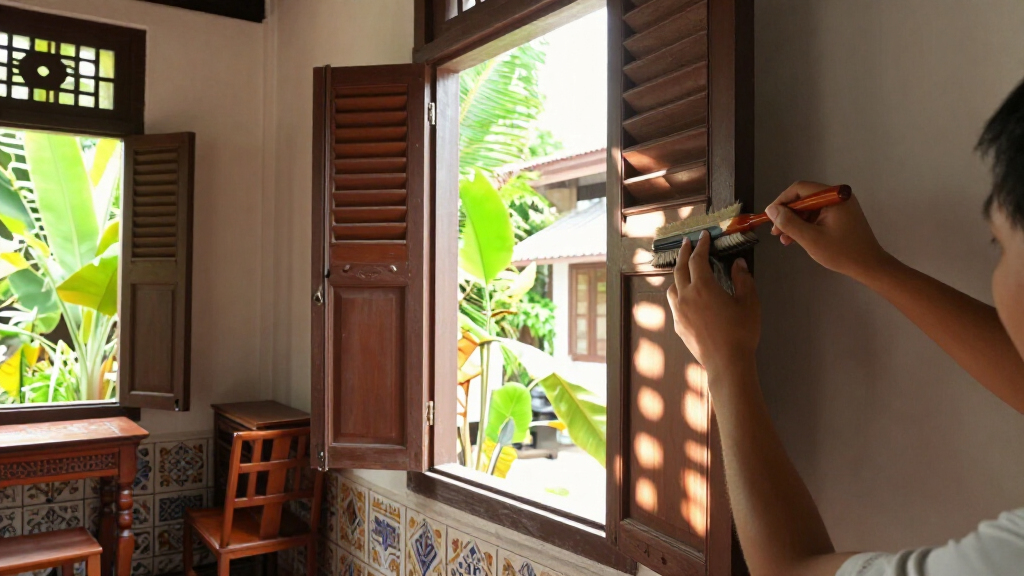
Built over 100 years ago, the bungalow was constructed during a period when Singapore’s Malay community was establishing its presence in the city-state. The property is believed to have belonged to a prominent Malay businessman, whose identity remains largely undocumented publicly. Architecturally, the bungalow features traditional Malay influences blended with colonial-era design elements, making it a rare example of early 20th-century architecture in Singapore. Over the decades, the building has witnessed Singapore’s transformation from a colonial trading hub to a modern metropolis.
Interest in preserving this site has grown in recent years, driven by heritage groups, local residents, and cultural advocates who emphasize its significance as part of Singapore’s multicultural history. The government has increasingly recognized the importance of safeguarding such sites, with several designated as national monuments or conservation areas. The current proposal reflects this broader movement, though specific details about the site’s future remain under discussion.
Unconfirmed Details About the Conservation Proposal
It is not yet clear whether the proposal will be approved or rejected by the URA. Details about the specific conservation measures, potential adaptive reuse, or development plans remain undisclosed. The timeline for a final decision has not been announced, and the property’s current ownership status is also unclear.
Next Steps in the Conservation Review Process
The URA is expected to complete its review within the coming months, after which an official announcement will clarify whether the bungalow will be designated as a conservation site. Community groups and heritage advocates will likely continue to lobby for its protection. If approved, the site could undergo restoration and be integrated into Singapore’s heritage trail or used for cultural activities. Meanwhile, public interest in the property’s future is expected to grow as discussions unfold.
Key Questions
Why is this bungalow considered historically significant?
The bungalow represents early 20th-century architecture and was built by a Malay businessman, reflecting Singapore’s multicultural history and the Malay community’s presence during that period.
What does conservation mean for the property’s future?
If approved, conservation would preserve the building’s original structure and appearance, possibly allowing for adaptive reuse such as cultural or community spaces, while preventing demolition or major alterations.
Who is advocating for the bungalow’s preservation?
Heritage groups, local residents, and cultural advocates are actively supporting the proposal, emphasizing its cultural and historical importance.
When will a final decision be made?
The URA has not specified a timeline, but a review is expected to conclude within the next few months, after which an official announcement will be issued.
Could the site be developed into something new?
While the proposal aims for preservation, there is a possibility of adaptive reuse if approved. The final plans will depend on the URA’s decision and the property owner’s intentions.
Source: local
Halloween Picks
halloween
As an affiliate, we earn on qualifying purchases.