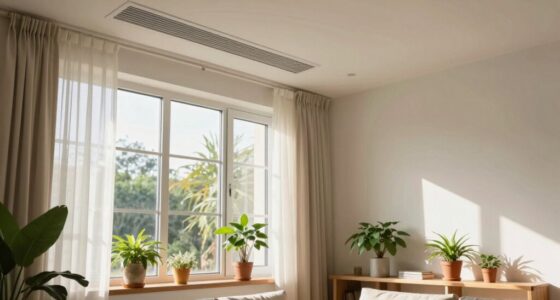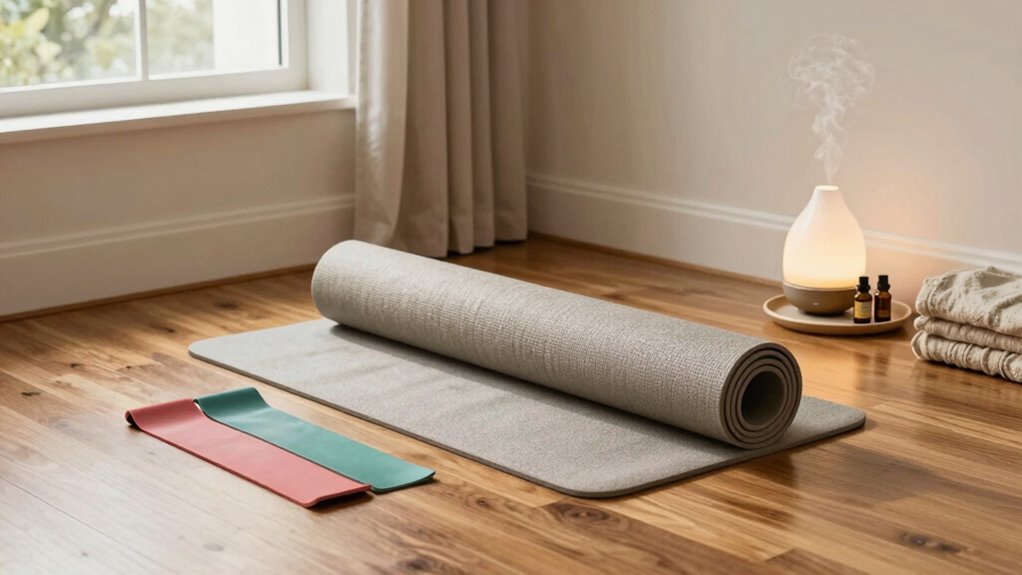
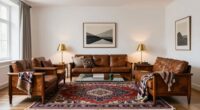
To build a home wellness space around recovery tools, choose a quiet, clutter-free corner near a window with natural light. Add comfortable seating, soft rugs, and calming elements like candles or essential oils. Keep tools organized on a small table or shelf, and personalize with your favorite items. Incorporate natural elements like plants and eco-friendly products for a serene atmosphere. If you keep exploring, you’ll discover even more ways to create a calming, effective retreat tailored to your needs.

Get furniture and decor delivered free — and shop member deals
- Fast, free delivery on millions of items
- Access to Prime Big Deal Days deals on October 6–7
- Prime Video, Amazon Music and more included
Key Takeaways
- Choose a quiet, clutter-free area with natural light to create a calming environment.
- Incorporate comfortable seating and soft textures to enhance relaxation during recovery practices.
- Organize recovery tools with containers and shelves for easy access and a tidy space.
- Add aromatherapy elements like diffusers and essential oils to promote stress relief and mindfulness.
- Integrate natural elements like plants and eco-friendly decor to foster a soothing, eco-conscious atmosphere.

Have you ever thought about transforming a corner of your home into a dedicated wellness space? Creating a spot focused on recovery tools can make a huge difference in your daily routine. It’s all about designing an environment that encourages relaxation, mindfulness, and healing. Start by selecting a quiet corner with minimal distractions. Once you’ve identified the spot, think about how to make it inviting and functional.
A meditation corner is a perfect starting point. You want a space where you can sit comfortably without interruptions. Add a cushion or a small chair, and consider placing it near a window to let in natural light. Keep the area clutter-free to foster a sense of calm. Incorporate elements like soft rugs or textured throws to make the space cozy. You might also add a small table or shelf to hold recovery tools—like essential oils, herbal teas, or calming candles—that support your mindfulness practice. This dedicated corner becomes your go-to for grounding yourself after a stressful day or before starting your morning.
An aromatherapy station can elevate your wellness space even further. It’s a simple addition but one that creates a soothing atmosphere. Keep a small diffuser nearby, along with a selection of essential oils known for relaxation and stress relief—lavender, chamomile, or eucalyptus are popular choices. Place the diffuser on a stable surface, ensuring it’s easy to turn on when needed. To personalize the space, consider adding a few small vials or bottles of your favorite scents, along with a journal or notebook for tracking your mood or progress. An aromatherapy station not only enhances relaxation but also reinforces the idea that your wellness space is a sanctuary for recovery and self-care. Incorporating biodiversity elements like small plants can also boost the serenity of your space, improving air quality and creating a more vibrant environment. Paying attention to environmental factors can further enhance the calming effect of your space and promote overall well-being. Introducing natural elements can deepen your connection to the environment and foster a greater sense of peace within your space. Adding eco-friendly and sustainable products is another way to align your wellness routine with your values, supporting both personal health and the planet. The key is to keep the space simple yet personalized, so it truly feels like a retreat from everyday stress.
essential oil diffuser for relaxation
As an affiliate, we earn on qualifying purchases.
As an affiliate, we earn on qualifying purchases.
Frequently Asked Questions
How Much Should I Budget for Creating a Wellness Space?
You should budget around $500 to $2,000 for creating a wellness space, depending on your needs and preferences. Start with budget planning by listing essential recovery tools and calming decor. Consider cost considerations like quality and durability, which can affect your overall expenses. Prioritize your must-haves and look for deals or DIY options to save money. This approach helps you create a personalized, functional space without overspending.
What Are the Best Lighting Options for a Recovery Area?
You should prioritize a mix of ambient lighting and task lighting in your recovery area. Ambient lighting creates a calming atmosphere, so consider soft, warm LED fixtures or dimmable overhead lights. For focused activities, add task lighting like adjustable lamps or reading lights. This combination guarantees your space feels relaxing yet functional, helping you unwind and engage with your recovery tools effectively.
How Do I Personalize My Wellness Space Effectively?
Think of your wellness space as a canvas where your personality shines. You personalize it by adding decorative accents that reflect your style—like meaningful artwork or cozy textiles. Choose color schemes that evoke calm or energy, depending on your needs. Incorporate symbols or objects that inspire or ground you. This thoughtful layering of personal touches turns your space into a sanctuary uniquely yours, supporting your recovery journey every day.
What Safety Considerations Should I Keep in Mind?
You should prioritize safety by identifying potential hazards like loose cords or sharp edges that could cause injuries. Keep emergency preparedness in mind by installing smoke detectors, having a first aid kit nearby, and ensuring easy access to emergency contacts. Regularly check your recovery tools for damage or malfunctions. By addressing safety hazards proactively, you create a secure environment that supports your wellness journey confidently and without risk.
How Often Should I Update or Refresh My Wellness Tools?
Think of your wellness tools as a garden; they need regular tending to thrive. You should update or refresh your aromatherapy integration and meditation zone setup every few months, ensuring scents stay fresh and equipment functions properly. As your needs evolve, so should your space. If something feels outdated or less effective, it’s time for a refresh — keeping your sanctuary inviting and effective for ongoing recovery.
Conclusion
Creating a dedicated wellness space in your home isn’t just about modern gadgets or trendy decor; it’s about crafting a sanctuary that nurtures your recovery and well-being. Think of it as your personal Janus, looking both inward and outward, guiding you through healing and renewal. With intention and a touch of ingenuity, you’ll find that your space becomes a timeless refuge—a place to restore your mind, body, and spirit amidst the hustle of daily life.
Halloween Picks
halloween
As an affiliate, we earn on qualifying purchases.