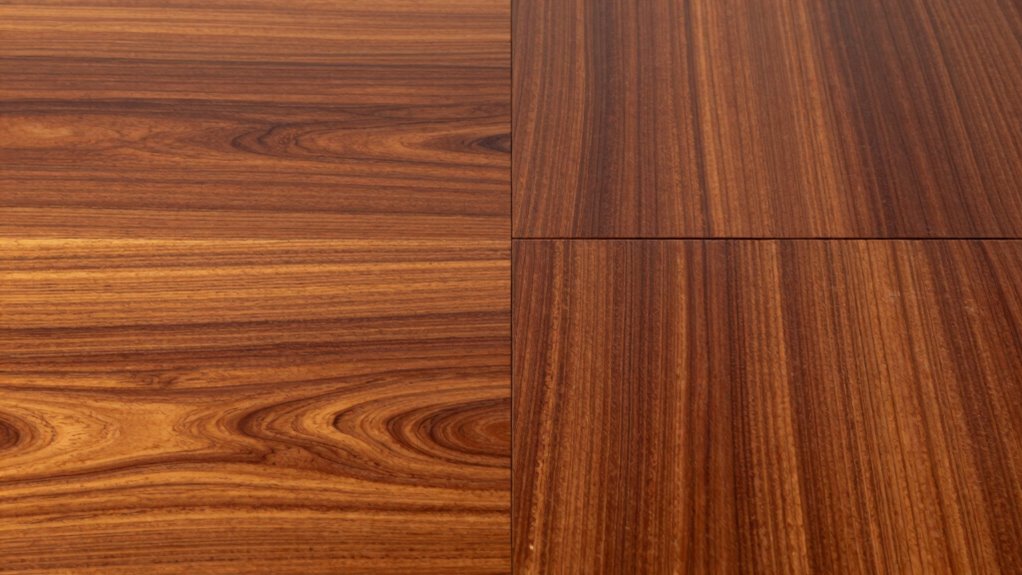

Understanding wood finishes helps you choose the right protection and look for your project. Oils highlight the natural grain and add warmth, while waxes provide a soft, satin sheen and a smooth feel. Varnishes and polyurethane form a tough, glossy coating, perfect for high-traffic or outdoor surfaces. Each finish type has unique benefits and application methods. Keep exploring to discover how to select the best finish for your needs.

Get furniture and decor delivered free — and shop member deals
- Fast, free delivery on millions of items
- Access to Prime Big Deal Days deals on October 6–7
- Prime Video, Amazon Music and more included
Key Takeaways
- Oil finishes penetrate deeply, highlighting natural wood grain with a matte or satin look.
- Wax provides a soft sheen and smooth feel but offers limited protection.
- Varnish creates a glossy, hard surface ideal for outdoor or high-traffic areas.
- Polyurethane offers durable, scratch-resistant coatings suitable for functional surfaces.
- Choosing the right finish depends on wood type, project use, aesthetic preferences, and environmental conditions.
As an affiliate, we earn on qualifying purchases.
Types of Wood Finishes and How to Choose the Right One

Choosing the right wood finish depends on how you plan to use and maintain your piece. When selecting a finish, consider application techniques—some finishes are easier to apply smoothly, while others require more skill. For example, varnishes and polyurethanes often need brushes or sprays, whereas waxes can be buffed on by hand. Environmental considerations also matter; if your space has high humidity or temperature fluctuations, opt for finishes that provide durability and moisture resistance. Some finishes emit fumes during application, so ensure proper ventilation. Think about the look you want—glossy, matte, or satin—and whether you prefer a finish that enhances natural wood grain or adds color. Making informed choices based on application techniques and environmental factors helps you achieve a lasting, beautiful result. Additionally, understanding art care principles can help prolong the life and appearance of your finished wood pieces. Incorporating modern finishing methods can further enhance durability and ease of maintenance, and staying informed about finishing technology can help you select products that are more environmentally friendly and efficient, ensuring your woodworking projects stand the test of time. Considering proper surface preparation is also essential for achieving a smooth, professional-looking finish. Staying updated on innovative finishing products can provide new options for enhancing your project’s longevity and appearance.
Oil Finishes: Enhancing Natural Beauty and Protecting Your Wood
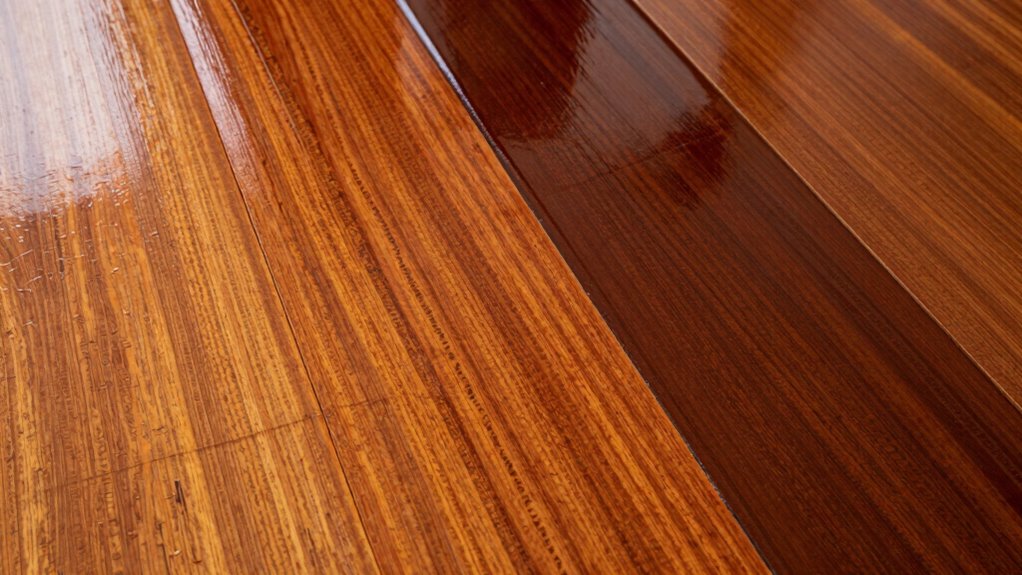
Oil finishes are a popular choice for highlighting the natural beauty of wood while providing effective protection. They penetrate deeply, enhancing the grain and giving your piece a rich, warm glow. Eco-friendly options like tung oil and linseed oil appeal to environmentally conscious creators. Historically, oil finishes have been used for centuries, from traditional furniture to boats, showcasing their durability and timeless appeal. These finishes are easy to apply and maintain, making them ideal for both new projects and restoring older pieces. To help visualize, consider the following:
| Natural Look & Feel | Easy Maintenance & Application |
|---|---|
| Enhances grain depth | Reapply periodically for protection |
| Provides a matte finish | Dries quickly, no fumes |
Additionally, penetrating finishes like oil are valued for their ability to emphasize the natural characteristics of wood over surface coatings. Their ease of application also makes them a favorite among DIY enthusiasts and professionals alike. Moreover, understanding the different types of oil finishes can help you select the best option for your specific project needs. For example, some oil finishes are designed to be food-safe, making them suitable for cutting boards and kitchen utensils. Furthermore, choosing the right application method can significantly impact the final look and longevity of your finish.
Wax Finishes: Achieving a Soft, Satin Look Made Easy

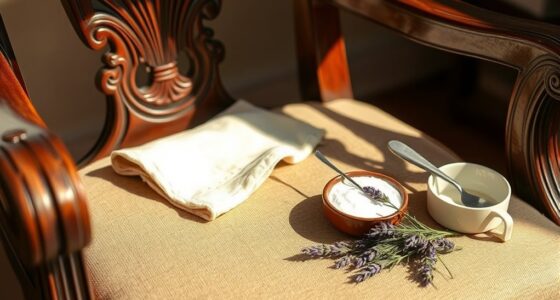
After completing an oil finish, applying a wax can add a soft, satin sheen that enhances the wood’s natural elegance. To achieve a smooth, even finish, use hand rubbed techniques, working the wax into the surface with a soft cloth. Apply thin layers of wax, allowing each to set for a few minutes before buffing gently with a clean cloth. Wax application tips include working in small sections and avoiding excess buildup, which can create a sticky or uneven appearance. For best results, use a high-quality paste wax and apply it in circular motions, then buff to a shine. This method provides a subtle, protective layer that highlights the wood’s beauty while maintaining a soft, satin look with minimal effort. Additionally, ensuring proper application techniques can help prevent common mistakes that may compromise the finish’s durability. Using the correct finishing products can also make the process easier and more effective. A thorough understanding of wood finish types helps in selecting the best approach for achieving the desired look. Moreover, learning about proper maintenance can extend the life of the finish and keep your wood surfaces looking their best.
Varnish or Polyurethane: Which Protective Finish Is Best for Your Project?
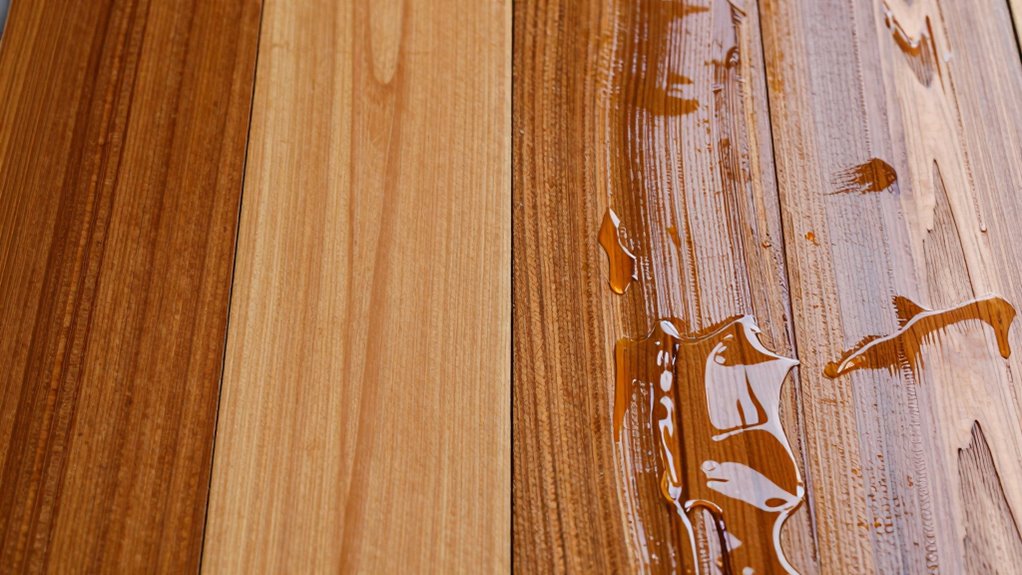
Varnish and polyurethane are popular protective finishes for wood projects, but each offers distinct advantages depending on your needs. Varnish provides a traditional, glossy finish that enhances wood grain and offers good furniture durability, especially in outdoor or high-traffic areas. It tends to have a lower environmental impact because it often contains fewer chemicals. Polyurethane, on the other hand, is highly durable and resistant to scratches, making it ideal for surfaces that see frequent use. It’s available in oil-based and water-based formulations, with water-based options generally being more environmentally friendly. When choosing between the two, consider your project’s exposure to moisture and wear, as well as your environmental concerns. Both finishes protect your wood, but polyurethane’s superior durability often makes it the better choice for high-use furniture. For optimal results, proper application techniques and regular maintenance are essential to extend the life of your finish. Additionally, choosing the right finish type can influence the overall appearance and longevity of your project. Understanding the different types of finishes, including their chemical compositions, can help you select the most suitable option for your specific application. Recognizing the environmental impact of each finish can also guide you toward more sustainable choices.
How to Pick the Best Finish for Your Woodwork: Key Factors to Consider

Choosing the right finish for your woodwork depends on several key factors that affect both its appearance and durability. First, consider durability factors like resistance to moisture, scratches, and UV exposure, which influence how well the finish safeguards over time. Next, evaluate application techniques—some finishes require brushes, sprays, or rags, and knowing your comfort level helps ensure a smooth process. For high-traffic or outdoor projects, opt for durable options like polyurethane or varnish. If you prefer a natural, soft look, oils or waxes might be better, but they often need frequent reapplication. Also, consider the desired aesthetic: glossy, matte, or satin. Balancing durability factors with application ease will help you choose a finish that meets your project’s needs. Additionally, understanding the properties of different finishes can help in making an informed choice, and considering user preferences can guide you toward options that align with your goals. To make the best decision, it’s helpful to familiarize yourself with the properties of different finishes, which can guide you toward options that align with your goals. For example, understanding the compatibility with wood types can ensure the finish adheres properly and looks its best.
Frequently Asked Questions
How Long Does Each Finish Typically Last Before Needing Reapplication?
You’ll find that oil finishes typically last 6 months to a year before needing reapplication, while wax may need touch-ups every few months, especially in high-use areas. Varnish and polyurethane offer the best finish durability, often lasting 3 to 5 years before reapplication becomes necessary. Regular maintenance helps extend the reapplication intervals, so keep an eye on wear and tear to preserve your wood’s look and protection.
Can These Finishes Be Used on Outdoor Wood Surfaces?
Surprisingly, not all finishes are ready for the great outdoors. For outdoor durability, some finishes like certain oils and varnishes can tolerate weather, but waxes and standard polyurethanes usually can’t, especially if food-safe finishes are needed. You’ll want to select a finish explicitly designed for outdoor use that offers weather resistance and safety for food contact. Always check the label to confirm it’s both outdoor durable and food safe.
Are There Any Finishes Safe for Food-Contact Woodworking Projects?
Yes, you can use food-safe finishes on your woodworking projects. Look for non toxic coatings specifically labeled as food safe finishes, which are free from harmful chemicals. These finishes are ideal for items like cutting boards, bowls, or utensils. Always check product labels and follow manufacturer instructions to guarantee safety. Using non toxic coatings helps protect your health while keeping your woodworking projects beautiful and functional.
How Do Different Finishes Impact the Color and Grain of the Wood?
Different finishes can substantially impact your wood’s color and grain. Oils deepen the wood color and enhance grain by adding warmth and richness. Waxes provide a subtle sheen, highlighting natural grain without darkening it much. Varnishes and polyurethanes create a glossy or satin surface that can slightly alter the color, often giving it a more uniform appearance while still accentuating the grain. Your choice depends on the desired visual effect.
What Are the Best Cleaning Methods for Maintaining Finished Wood?
Think of your finished wood as a delicate dance partner that needs gentle care. Use soft cloths and mild cleaning techniques—dampening the cloth slightly—to avoid harsh scrubbing. Avoid abrasive cleaners that can wear down the finish, and wipe up spills promptly. Regular dusting and quick cleanings help maintain its luster, prolonging finish longevity. Treat it with care, and your wood will stay radiant and resilient for years to come.
Conclusion
Choosing the right wood finish is essential to bringing your project to life. Whether you prefer the natural glow of oil, the soft sheen of wax, or the tough protection of varnish or polyurethane, each has its place. Remember, the devil is in the details—consider your wood type, use, and desired look. With the right finish, you’ll turn a simple piece into a showstopper that’s built to last. Don’t put all your eggs in one basket—choose wisely!
Fall Picks
fall essentials
As an affiliate, we earn on qualifying purchases.