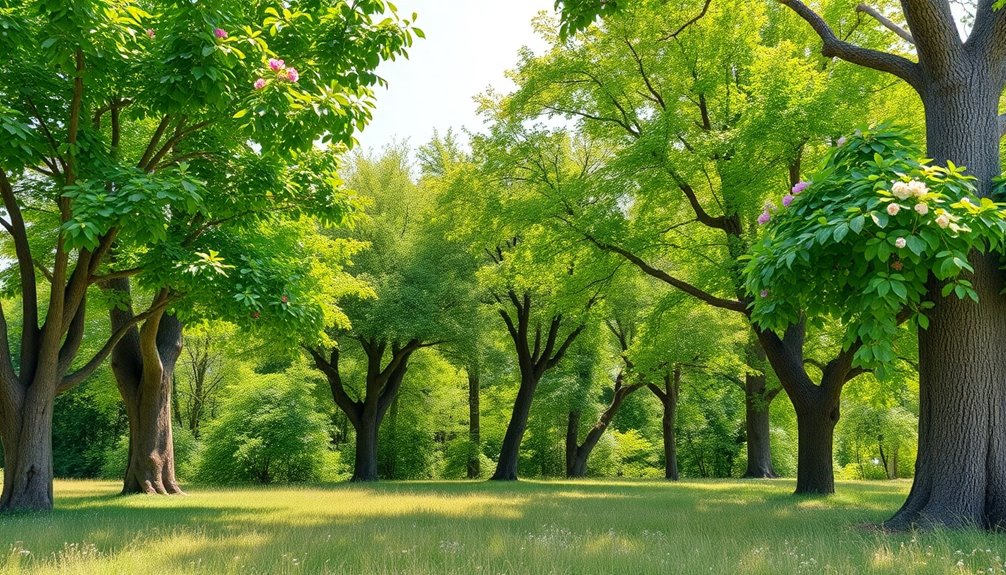

When choosing perennial trees for your garden, it’s essential to balance beauty, hardiness, and growth habits. For 2026, I’ve curated four standout options that cater to different gardening needs. The Blue Hibiscus Plant shines for vibrant color and quick establishment, while the Flowering Cherry Tree and Kwanzan Cherry Blossom Tree add seasonal elegance. The Weeping Cherry Blossom Tree offers a delicate, ornamental touch. Each brings unique strengths and tradeoffs, so your choice depends on your climate, space, and aesthetic goals.
Open a free Amazon Business account
Business pricing, bulk buying and tax-exempt orders.
Create a free accountAs an affiliate, we earn on qualifying purchases.
Complete the kit


Key Takeaways
- Blue Hibiscus is ideal for gardeners seeking vibrant color with quick returns, but it needs proper care and patience to reach full size.
- Cherry trees excel in springtime display and are hardy across many zones but go dormant in winter, reducing year-round interest.
- Size and growth habit vary: compact hibiscus versus taller cherry trees, influencing placement options.
- Some options, like the Kwanzan, are suitable for landscape planting, while others are better as potted or starter plants.
- Tradeoffs include shipment restrictions, bloom timing, and growth rate, which impact long-term garden planning.
| Blue Hibiscus Plant – Hardy Perennial Flower Bush, 5-7 inches tall |  | Best for Vibrant Color and Quick Establishment | Height: 5-7 inches | Type: Perennial shrub | Color: Blue-purple blooms | VIEW ON AMAZON | See Our Full Breakdown |
| Flowering Cherry Tree Live Plant, 2.5 Inch Pot, Outdoor Garden Tree |  | Best for Springtime Focal Points | Pot Size: 2.5 inches | Bloom Time: Early Spring | Zones: 5–8 | VIEW ON AMAZON | See Our Full Breakdown |
| Weeping Cherry Blossom Tree, 8-12″ Tall Cherry Blossom Live in Pot |  | Best for Ornamental Spring Display | Height: 8-12 inches | Type: Cherry Blossom Tree | Flower Color: White | VIEW ON AMAZON | See Our Full Breakdown |
| Kwanzan Cherry Blossom Tree Plant, 2.5 Inch Pot, Live Tree, Spring Blooms, Well-Rooted, USDA Zones 5-8 |  | Best for Mid-Late Spring Color in Landscapes | Flower Color: Pink | Habit: Upright | Bloom Time: Mid to Late Spring | VIEW ON AMAZON | See Our Full Breakdown |
| perenial tree | Height | Type | Pot Size | Bloom Time |
|---|---|---|---|---|
| Blue Hibiscus Plant | 5-7 inches | Perennial shrub | — | — |
| Flowering Cherry Tree Live Pla | — | — | 2.5 inches | Early Spring |
| Weeping Cherry Blossom Tree | 8-12 inches | Cherry Blossom Tree | — | — |
| Kwanzan Cherry Blossom Tree Pl | — | — | 2.5 Inch | Mid to Late Spring |
More Details on Our Top Picks
Blue Hibiscus Plant – Hardy Perennial Flower Bush, 5-7 inches tall
This Blue Hibiscus stands out for its striking large blue-purple flowers that bring a bold splash of color to any garden. Compared with cherry options, it offers a more compact form, ideal for borders or containers. While it establishes quickly, it’s a starter plant that needs time to reach full maturity, and it demands proper care and zone considerations. It’s less suited for colder climates or those wanting immediate full-sized plants, but its vibrant blooms make it a favorite for adding seasonal color.
Pros:- Vibrant large blue-purple flowers
- Hardy perennial that returns annually
- Establishes quickly with proper care
Cons:- Arrives as a young starter plant, takes time to reach full size
- Requires specific zone conditions and proper care
Best for: Gardeners wanting vibrant, long-lasting color with a manageable size for small spaces or containers.
Not ideal for: Those seeking large, mature perennial trees or a plant that blooms year-round without special care.
- Height:5-7 inches
- Type:Perennial shrub
- Color:Blue-purple blooms
- Growth habit:Hardy, returns annually
- Zone:Suitable zones depend on care
- Care needs:Moderate
Our verdict“Best suited for gardeners seeking eye-catching color in small spaces or containers, willing to nurture it over time.”
Flowering Cherry Tree Live Plant, 2.5 Inch Pot, Outdoor Garden Tree
This Flowering Cherry Tree offers early spring pink blooms, making it a picturesque focal point. It’s a well-rooted, healthy plant suited for zones 5-8, ideal for adding seasonal charm to yards. Compared to the smaller hibiscus, it grows taller and creates a more substantial landscape feature, but it’s dormant in winter, so your garden won’t have blooms year-round. It’s best for gardeners who want a reliable, springtime showpiece in temperate zones and are comfortable with seasonal pauses.
Pros:- Beautiful pink spring blooms
- Hardy in USDA zones 5-8
- Well-rooted and healthy plant
Cons:- No blooms during winter dormancy
- Requires proper planting and care for best results
Best for: Those looking for a dedicated spring-flowering focal tree in USDA zones 5-8.
Not ideal for: Gardeners in colder zones or those seeking year-round interest from their trees.
- Pot Size:2.5 inches
- Bloom Time:Early Spring
- Zones:5–8
- Hardiness:Hardy
- Age:9 months
Our verdict“A reliable choice for springtime color, especially in temperate climates, but less appealing for year-round displays.”
Weeping Cherry Blossom Tree, 8-12″ Tall Cherry Blossom Live in Pot
The Weeping Cherry Blossom Tree offers a graceful, cascading form with delicate white flowers in spring. It’s a versatile choice for ornamental gardens, adding seasonal interest without fruit production. Compared with other cherry options, it’s smaller and more suited for decorative planting rather than large landscape features. Its limited height (8-12 inches) makes it ideal for container planting or small-scale garden accents, but it’s not suitable for those needing a mature, tall tree or year-round foliage.
Pros:- Beautiful white spring blossoms
- Well rooted and ready to plant
- Ideal for ornamental gardens and containers
Cons:- Cannot be shipped to California
- Limited height (8-12 inches)
- No fruit production
Best for: Gardeners wanting a small, ornamental cherry with seasonal charm, especially in containers.
Not ideal for: Those seeking a large, mature tree or year-round privacy screening.
- Height:8-12 inches
- Type:Cherry Blossom Tree
- Flower Color:White
- Planting Zone:Not specified
- Plant Type:Perennial Sapling
Our verdict“Perfect for decorative accents and small gardens, but not for large landscape trees or fruit production.”
Kwanzan Cherry Blossom Tree Plant, 2.5 Inch Pot, Live Tree, Spring Blooms, Well-Rooted, USDA Zones 5-8
The Kwanzan Cherry Blossom Tree is celebrated for its dense clusters of double pink flowers in mid to late spring. Compared to the white-flowered weeping cherry, it offers a more vibrant, full-bodied bloom. It’s well-suited to yard landscaping in zones 5-8, providing a striking visual when in full bloom. However, its average customer rating of 3.5/5 suggests some variability in growth or care. It’s best for those wanting a splash of color later in the spring and who are prepared for winter dormancy.
Pros:- Beautiful pink double flowers
- Suitable for yard landscaping
- Well-rooted and healthy plant
Cons:- Average customer rating at 3.5/5
- Dormant in winter, no winter interest
- Limited details on growth rate and care
Best for: Gardeners seeking mid-to-late spring color with a dense floral display in zones 5-8.
Not ideal for: Those wanting year-round garden interest or living outside zones 5-8.
- Flower Color:Pink
- Habit:Upright
- Bloom Time:Mid to Late Spring
- Zones:5–8
- Cold Hardiness:Hardy
- Pot Size:2.5 Inch
- Age:9 Months Old
Our verdict“Ideal for adding a lush floral display in spring, especially in temperate landscapes, with some caution due to mixed reviews.”

How We Picked
Our selection process focused on perennial trees that offer visual appeal, adaptability, and ease of care for typical gardens. I compared size, bloom color, hardiness zones, and growth habit, emphasizing plants that return reliably year after year. We considered user reviews, shipping availability, and the balance between aesthetics and practicality. To ensure relevance, I prioritized options suitable for outdoor landscapes, with clear growth expectations and manageable maintenance.
| perenial tree | Type | Bloom Time | Flower Color |
|---|---|---|---|
| Blue Hibiscus Plant | Perennial shrub | — | — |
| Flowering Cherry Tree Live Pla | — | Early Spring | — |
| Weeping Cherry Blossom Tree | Cherry Blossom Tree | — | White |
| Kwanzan Cherry Blossom Tree Pl | — | Mid to Late Spring | Pink |
Factors to Consider When Choosing Perenial Trees
Choosing the right perennial tree involves balancing aesthetic appeal, climate compatibility, and growth habits. Consider whether you want year-round greenery, seasonal blooms, or a compact form for small spaces. This guide will help you evaluate key factors like size, bloom time, hardiness zones, and care needs to match your garden’s conditions and your maintenance preferences.Size and Growth Habit
Perennial trees vary widely in size, from compact shrubs to tall, spreading specimens. Think about your space—smaller options like the hibiscus are perfect for containers or borders, while larger trees like cherry blossoms serve as focal points. Growth habit impacts how much maintenance is needed and how the plant integrates with other landscape features.
Bloom Time and Color
Spring blooms are common among cherry trees, offering fleeting but spectacular color. Hibiscus provides longer-lasting, vibrant flowers that brighten the garden throughout the season. Matching bloom time and color with your garden’s aesthetic and your seasonal planning enhances visual interest and enjoyment.
Hardiness Zones and Climate
Ensure your chosen tree can survive your climate. Many cherry options thrive in zones 5-8, while hibiscus may require more specific zones or care. Understanding your local weather patterns, winter severity, and summer heat helps select a resilient plant that will flourish over the years.
Care and Maintenance
Some trees demand regular pruning, fertilizing, or special watering, while others are more forgiving. For example, the hibiscus needs proper soil drainage, whereas cherry trees prefer well-drained yet moist soil. Weigh your willingness to maintain your trees against their aesthetic payoff.
Frequently Asked Questions
Do perennial trees need special care?
Perennial trees generally require specific care based on their species. Most benefit from proper watering, occasional pruning, and suitable soil conditions. For example, cherry trees thrive with well-drained soil and regular pruning to maintain shape, while hibiscus prefers moist, fertile soil and protection from harsh winter conditions. Understanding each plant’s needs helps ensure they flourish year after year.
Can I plant cherry trees in containers?
Yes, many cherry trees, especially smaller varieties like the weeping or Kwanzan types, are suitable for container planting. They need a large enough pot with good drainage and regular watering. Container planting allows flexibility in placement and can protect the roots during colder months if moved indoors or to sheltered locations.
When is the best time to plant these trees?
The ideal planting time generally falls in early spring or fall when temperatures are moderate. Spring planting gives the tree time to establish before summer heat, while fall planting allows roots to settle before winter dormancy. Always consider your local climate, and avoid planting during extreme weather conditions for better success.
Are these trees suitable for small gardens?
Yes, options like the Blue Hibiscus and weeping cherry are well-suited for small spaces due to their compact size. Larger trees like the standard cherry varieties may require more space or careful planning. Assess your available area and choose a tree that fits comfortably without overwhelming your landscape.
Will these trees produce fruit?
Most ornamental cherry trees, including the weeping and Kwanzan varieties, are primarily valued for their blossoms and do not produce edible fruit. The hibiscus is a flowering shrub and does not produce fruit suitable for eating. If fruit is a priority, consider different species designed for edible harvests.
Conclusion
For gardeners prioritizing year-round greenery and low maintenance, the Blue Hibiscus offers vibrant color and quick returns. Those seeking a seasonal focal point should consider the Flowering Cherry Tree for spring blooms, while the Kwanzan Cherry Blossom provides a mid-spring floral spectacle in suitable zones. If ornamental appeal with a touch of elegance is your goal, the Weeping Cherry Blossom makes a graceful addition for small gardens or containers. Choose based on your space, climate, and how much seasonal interest you desire.
NFL season / tailgating Picks
team gear
As an affiliate, we earn on qualifying purchases.