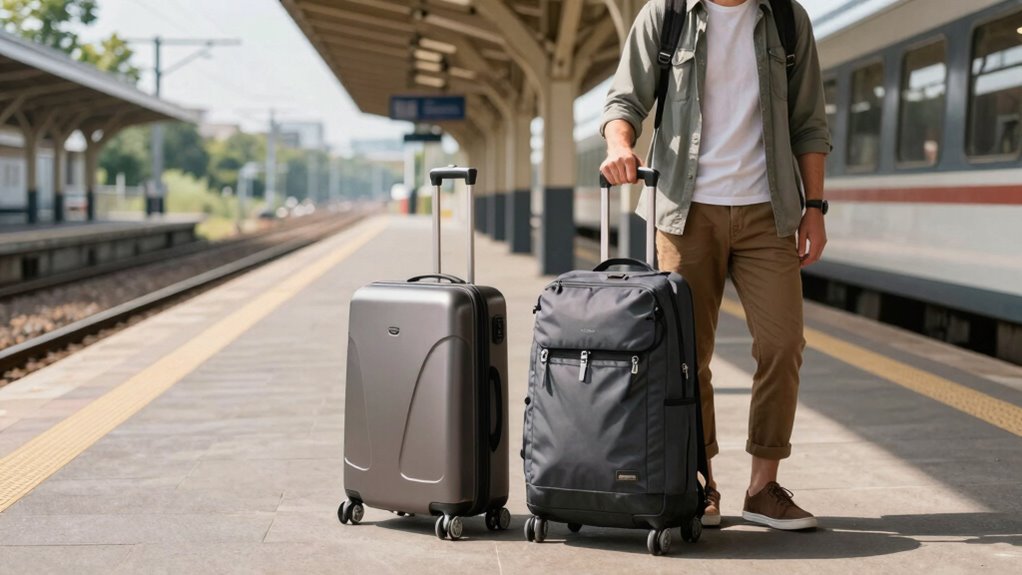

To travel with less stress and more margin, plan ahead and pack only essentials using organization tools like packing cubes and rolling clothes. Stay flexible with your expectations and embrace unexpected changes as part of the adventure. Cultivate a positive mindset and focus on adaptability, viewing setbacks as opportunities for spontaneous moments. Keep an open attitude and practice patience, knowing that a mindful approach can turn challenges into enjoyable experiences. Discover more tips to make your trip smoother.

Get furniture and decor delivered free with Prime
- Fast, free delivery on millions of items
- Prime Video, Amazon Music and more included
- Member-only deals all year
Key Takeaways
- Plan and pack efficiently using checklists, packing cubes, and rolling clothes to save space and reduce last-minute stress.
- Cultivate a flexible mindset to adapt to unexpected changes and embrace travel uncertainties as part of the experience.
- Prioritize essential items to prevent overpacking, making your bag lighter and easier to manage.
- Develop cultural awareness and emotional resilience to handle setbacks calmly and maintain a positive outlook.
- Incorporate mindful planning and flexible thinking to stay focused, reduce anxiety, and turn challenges into spontaneous moments.
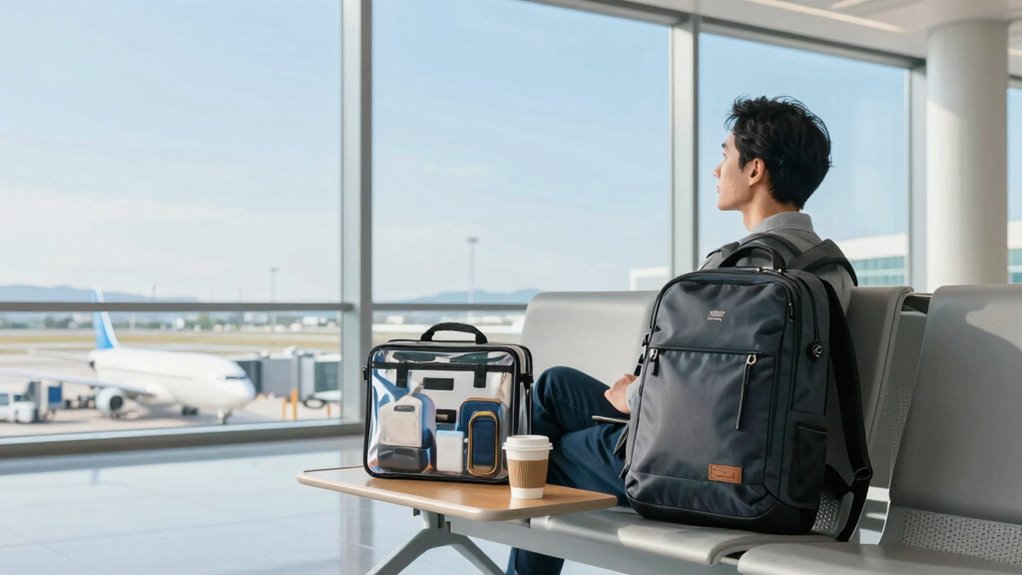
Traveling can be exciting, but it often comes with stress and tight schedules that leave little room for flexibility. One way to ease that tension is by adopting effective packing strategies. When you plan ahead, you avoid last-minute chaos and overpacking, which are common sources of stress. Think about what you truly need rather than bringing everything you might consider. Use packing cubes to organize your belongings, making it easier to find items quickly and keep everything streamlined. Rolling clothes instead of folding saves space and minimizes wrinkles. Create a packing checklist tailored to your trip’s duration and activities, and stick to it. This prevents you from overthinking or forgetting essentials. Remember, packing smart isn’t about bringing less; it’s about bringing what’s necessary and ensuring everything fits comfortably in your bag.
Smart packing means bringing only essentials, organizing efficiently, and making space for spontaneous moments.
Your travel mindset also plays a crucial role in reducing stress. Shifting your perspective from rigid expectations to flexibility helps you navigate unexpected changes more gracefully. Instead of stressing over missed flights or delayed plans, view them as part of the adventure. Embrace a mindset that values the experience over perfection. This mental shift makes it easier to adapt and find solutions without frustration. Practice patience and remind yourself that some things are out of your control. When you approach travel with a relaxed attitude, you’re less likely to get overwhelmed by small setbacks. Additionally, understanding the importance of cultural awareness can help you communicate more effectively and reduce misunderstandings during your trip. Developing this awareness can also foster a sense of connection and appreciation for new environments, enhancing your overall experience. Cultivating emotional resilience allows you to bounce back more quickly from travel setbacks and maintain a positive outlook. Recognizing the significance of mindful planning can help you stay calm and focused, even when unexpected challenges arise. Incorporating flexible thinking into your travel approach can further ease stress and help you adapt to unforeseen circumstances.
As an affiliate, we earn on qualifying purchases.
Frequently Asked Questions
How Do I Handle Travel Emergencies Effectively?
When a travel emergency occurs, stay calm and assess the situation quickly. Use your emergency preparedness kit and rely on contingency planning to address unexpected issues. Contact local authorities or your embassy if needed, and communicate with your travel companions. Keep important documents handy, and have backup plans for accommodations and transportation. Staying prepared and adaptable helps you handle emergencies effectively, reducing stress and ensuring you stay safe during unforeseen events.
What Are Quick Tips for Packing Efficiently?
Think of your suitcase as a well-organized toolbox. Use packing techniques like rolling clothes to save space and prevent wrinkles. Keep essentials in easily accessible compartments and group items by category to boost luggage organization. Limit shoes by choosing versatile pairs, and fill gaps with small accessories or chargers. This visual approach helps you pack efficiently, making your journey smoother and ensuring everything you need is ready when you arrive.
How Can I Stay Healthy While Traveling?
To stay healthy while traveling, focus on maintaining healthy habits like staying hydrated, eating balanced meals, and getting enough sleep. Incorporate immune-boosting foods such as fruits and vegetables, and carry hand sanitizer to reduce germs. Regular movement, like stretching or walking, keeps your energy up. By prioritizing these practices, you’ll support your immune system and stay energized, making your trip more enjoyable and less stressful.
What Apps Help Manage Travel Plans Better?
You might worry about missing updates or losing track of your plans, but apps like TripIt and Google Travel help manage travel plans better. They excel at itinerary organization and provide real-time updates, so you stay informed about flight changes, hotel bookings, and activities. With these tools, you can confidently navigate your trip, reduce stress, and enjoy each moment without the chaos of disorganized plans.
How to Deal With Travel Anxiety or Fear?
When travel anxiety hits, you can calm your nerves by practicing mindfulness techniques and breathing exercises. Focus on your breath, inhaling slowly through your nose and exhaling through your mouth, to ground yourself. Stay present, acknowledge your feelings without judgment, and remind yourself that you’re safe. These active strategies help reduce fear, boost confidence, and make your journey more enjoyable and less stressful.
Conclusion
Traveling with less stress and more margin isn’t just about planning; it’s about embracing flexibility and mindset. Remember, studies show that travelers who plan with buffers are 40% less likely to experience anxiety. So, give yourself permission to adapt and breathe. By setting realistic expectations and prioritizing your well-being, you’ll find joy in every journey. After all, the best trips happen when you’re relaxed enough to truly enjoy the experience.
Fall Picks
fall essentials
As an affiliate, we earn on qualifying purchases.