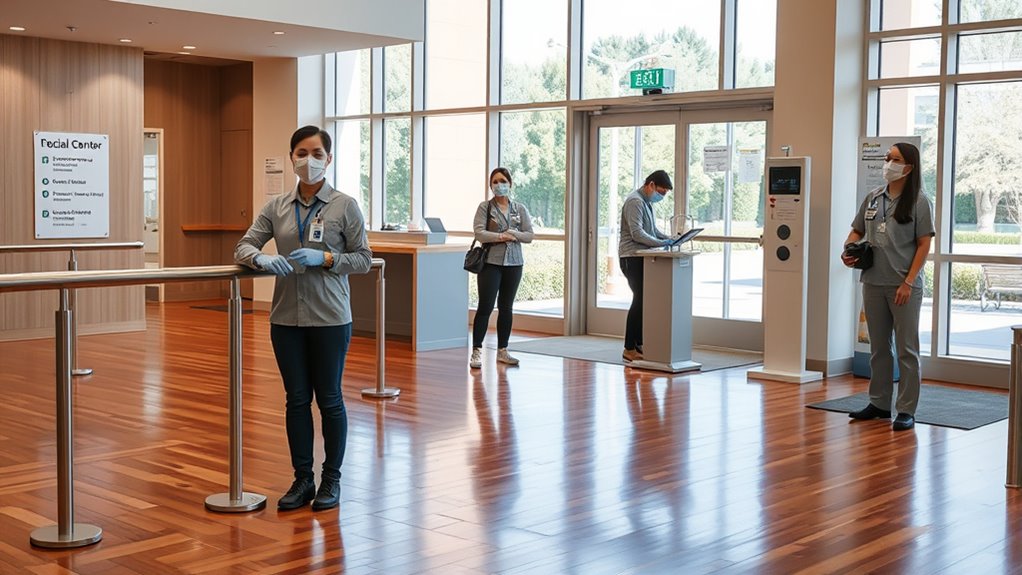

In the post-pandemic era, you should prioritize thorough health screenings, enhanced sanitation, and contactless check-in to reduce contact risks. Enforce social distancing, limit group sizes, and manage crowds effectively with clear signage and staggered schedules. Use touchless payment methods and guarantee outdoor or well-ventilated spaces for activities. Transparent communication with participants about safety protocols and ongoing monitoring helps adapt measures as needed. Continue explore for detailed strategies to keep your retreat safe and enjoyable.
Key Takeaways
- Implement comprehensive health screenings, contactless check-in, and promote hand hygiene to prevent disease transmission during retreats.
- Enforce strict sanitation routines, equipped emergency support, and outdoor layouts to ensure participant safety and quick medical response.
- Manage group sizes, maintain social distancing, and control crowd flow with signage and scheduling to reduce contact risks.
- Educate attendees on safety protocols, provide clear communication, and design spaces with natural airflow for enhanced safety.
- Utilize digital technologies for contactless processes, capacity control, real-time monitoring, and data-driven adjustments to safety measures.
Implementing Comprehensive Health Screening Procedures
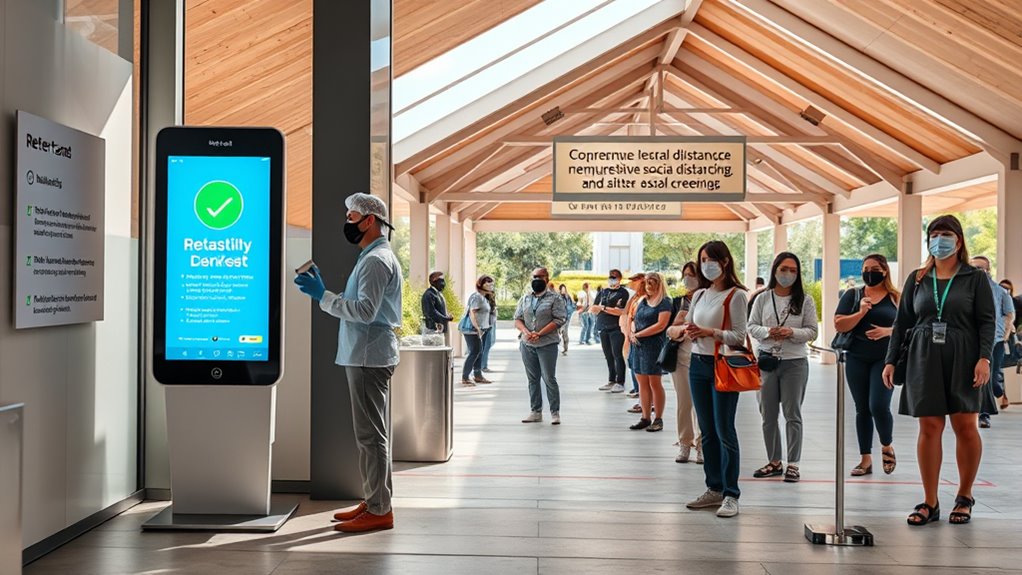
To guarantee the safety of all participants, it’s vital to implement thorough health screening procedures before the retreat begins. Start by conducting health screening to identify any potential risks. This includes checking temperatures and asking about recent symptoms or exposure to illnesses. Symptom monitoring helps catch early signs of illness and prevents infected individuals from attending. Make sure to provide clear instructions on reporting symptoms and ensure screening is efficient to avoid delays. Use trained personnel to perform these checks accurately and consistently. Remember, the goal is to catch any health concerns upfront, reducing the risk of outbreaks. Incorporating proper calibration of screening tools can improve accuracy and reliability. By prioritizing health screening and symptom monitoring, you create a safer environment for everyone and demonstrate your commitment to participant well-being.
Enhancing Sanitation and Hygiene Measures

You should increase the number of sanitizer stations throughout the retreat area to make hand hygiene more accessible. Establish a strict cleaning schedule to guarantee all surfaces are sanitized regularly. These steps help maintain a safe environment and reduce the risk of infection. Incorporating celebrity lifestyle insights can also promote a culture of health and safety awareness among staff and guests.
Increased Sanitizer Stations
Increasing the number of sanitizer stations throughout the retreat area guarantees that participants can easily access hand hygiene resources at all times. Place hand sanitizer stations at high-traffic points like entrances, dining areas, and gathering spaces. Use contactless dispensers to minimize touchpoints and reduce contamination risks. Guarantee these stations are well-stocked and maintained regularly, so sanitizer remains available and effective. By strategically positioning these stations, you encourage frequent hand hygiene, which helps prevent the spread of germs. Clear signage can remind participants to sanitize their hands often. This simple measure not only boosts hygiene standards but also fosters a sense of safety and confidence among attendees. Regular sanitizer station maintenance ensures continuous availability and effectiveness of hand hygiene resources. Overall, increased sanitizer stations with contactless dispensers are a crucial part of your retreat’s enhanced sanitation efforts.
Regular Cleaning Schedules
Implementing a regular cleaning schedule is essential to maintaining high sanitation standards throughout your retreat. Consistent cleaning reduces the risk of germs spreading during group activities and meal arrangements. Focus on high-touch surfaces like door handles, tables, and shared equipment. Schedule cleanings after each activity and meal to ensure cleanliness. Use the following table to plan your routine:
| Task | Frequency |
|---|---|
| Disinfect tables and surfaces | After each meal or activity |
| Clean bathrooms and handrails | Twice daily |
| Sanitize shared equipment | After each use |
This routine keeps your space hygienic, promotes safety, and reassures participants that their health is a priority during every part of your retreat. Regular cleaning also supports health and wellness benefits, helping to prevent illness and improve overall well-being for everyone involved.
Enforcing Social Distancing Guidelines

You need to guarantee everyone maintains adequate spacing to reduce close contact. Limiting group sizes and marking safe distances help enforce these guidelines effectively. By taking these steps, you make the retreat safer for all participants. Incorporating best practices in safety protocols can further enhance compliance and protection.
Maintain Adequate Spacing
To effectively reduce the risk of transmission, maintaining adequate spacing between individuals is essential. During group activities or outdoor excursions, ensure participants stay at least six feet apart. This spacing minimizes close contact and helps prevent airborne spread. Encourage participants to spread out when sitting or lining up, and designate specific areas for activities to control crowding. When organizing outdoor excursions, plan routes that allow for safe distancing, avoiding narrow paths or congested spots. Use signage or markers to remind everyone to keep a respectful distance. Additionally, incorporating retro gaming elements can serve as engaging conversation starters and help foster a relaxed atmosphere, which indirectly supports adherence to safety protocols. By consistently enforcing these spacing guidelines, you create a safer environment for all attendees, reducing the chance of transmission and promoting confidence in your retreat’s safety measures.
Limit Group Sizes
Limiting group sizes is a crucial step in enforcing social distancing guidelines and reducing the risk of transmission. You need to take group size considerations carefully to ensure safety without compromising the retreat experience. Effective participant capacity planning helps you determine the maximum number of attendees allowed in each activity or area. Smaller groups allow for better adherence to distancing protocols and minimize contact points. By setting clear limits, you reduce congestion and make it easier to monitor compliance. Always communicate these restrictions upfront and adjust based on the venue’s space and local health guidelines. Proper group size considerations not only protect participants but also streamline safety management, ensuring that social distancing remains achievable throughout the retreat. Recognizing the individual responses to stress and change can help tailor group sizes to better support participant needs and comfort.
Mark Safe Distances
Marking safe distances is essential for maintaining social distancing protocols and minimizing close contact among participants. By enforcing physical distancing, you help reduce the risk of transmission. To clearly communicate safe spacing, consider using visual cues like floor markings, signs, or barriers. These help everyone understand the required distance and keep interactions safe. Additionally, consistent signage and floor indicators can reinforce social distancing guidelines, ensuring all participants remain aware of safety measures.
Utilizing Contactless Technologies for Check-In and Payments
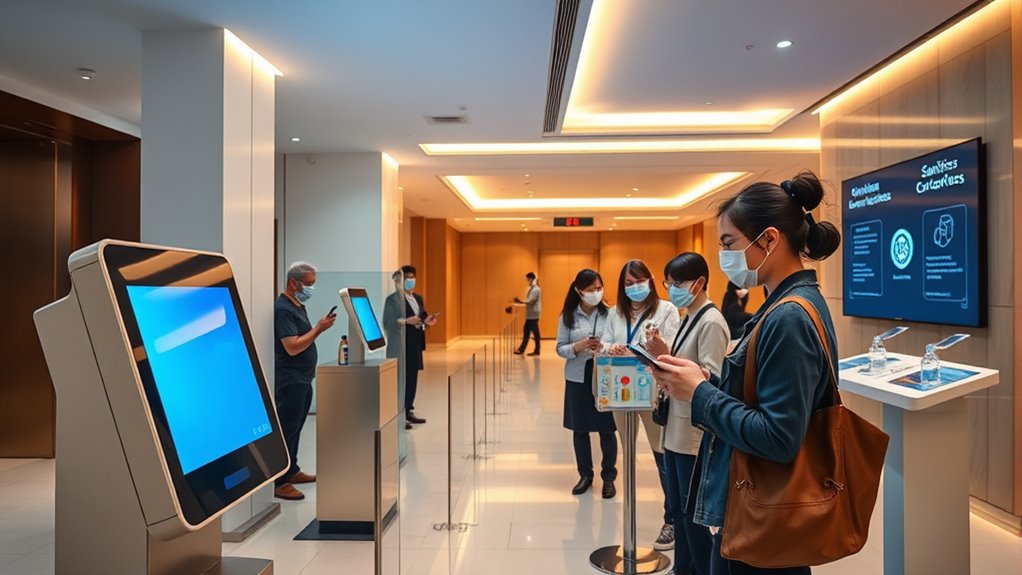
Implementing contactless technologies for check-in and payments allows your retreat to minimize physical contact and streamline the guest experience. With contactless check-in, guests can register using their smartphones or kiosks, reducing queues and person-to-person contact. Wireless payments enable guests to complete transactions quickly and securely without cash or cards, decreasing touchpoints. You can set up digital check-in systems that send QR codes or use mobile apps, making arrivals seamless and contact-free. Additionally, offering options for wireless payments through NFC or mobile wallets enhances convenience and safety. These measures help reduce the risk of virus transmission while improving operational efficiency. By adopting contactless check-in and wireless payments, your retreat promotes a safer, more hygienic environment that aligns with post-pandemic safety standards.
Preparing Emergency Response and Medical Support Plans
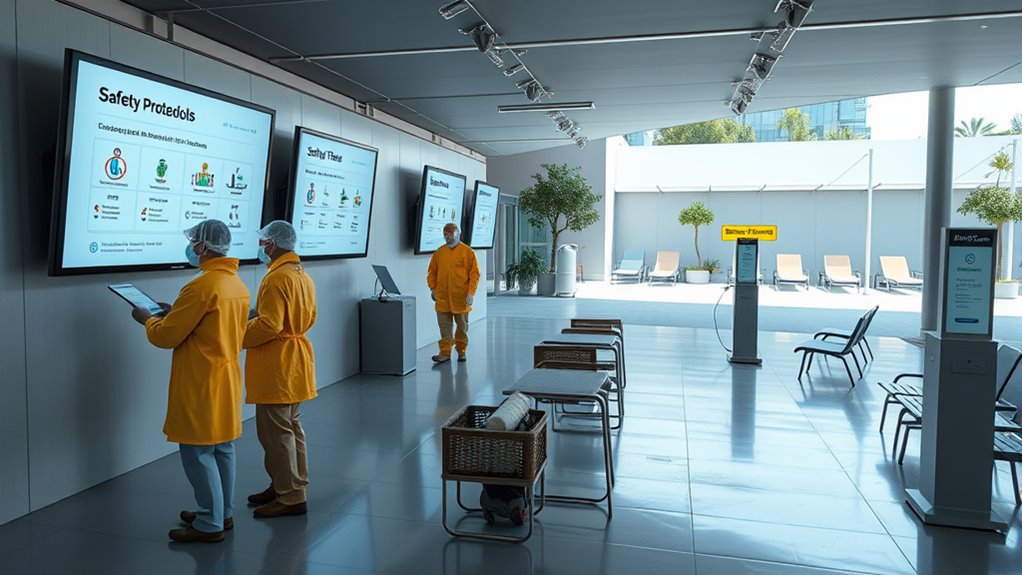
Have you prepared a thorough emergency response and medical support plan for your retreat? Ensuring quick access to mental health support is essential, especially in high-stress situations. Your plan should include clear procedures for emergency evacuation, detailing routes and designated assembly points. Make sure staff are trained to handle medical emergencies, from injuries to sudden health issues. Keep first aid kits accessible and stocked, and establish partnerships with local healthcare providers. Communicate these protocols clearly to all participants beforehand. Having a solid plan reduces chaos and ensures help arrives promptly. Regular drills bolster preparedness and help identify gaps. By prioritizing mental health support and thorough evacuation planning, you create a safer environment that promotes well-being and confidence among your attendees. Understanding psychological aspects of dreaming can also help in recognizing emotional responses during crises.
Educating Participants on Safety Protocols and Expectations

Educating participants on safety protocols and expectations is essential to make certain everyone understands their role in maintaining a secure environment. When you clarify rules, you empower participants to act responsibly and confidently. Focus on these key points:
Clear safety rules empower participants to act responsibly and maintain a secure environment.
- Recognize signs of unsafe participant behavior and address them promptly.
- Understand how to follow emergency communication procedures effectively.
- Know where safety equipment and exits are located and how to use them.
- Comprehend the importance of adhering to health guidelines to protect everyone.
- Be aware of preventive measures like eye protection or hydration to minimize risks during activities.
Designing Outdoor and Ventilated Activity Spaces

Why is it essential to prioritize outdoor and well-ventilated spaces when planning retreat activities? These environments reduce transmission risks, promote natural airflow, and enhance participant well-being. Incorporating nature integration and scenic design creates inviting, health-conscious spaces that encourage social distancing and comfort. Thoughtful outdoor layouts foster a sense of openness and safety, making activities more enjoyable.
| Benefit | Example |
|---|---|
| Improved Air Quality | Open-air tents, pergolas, and breezeways |
| Enhanced Engagement | Scenic design with natural elements |
| Increased Safety | Ventilated structures minimize risks |
| Stress Reduction | Nature integration boosts relaxation |
Prioritize these design elements to create safer, more appealing retreat environments.
Managing Capacity Limits and Crowd Control

Effective management of capacity limits and crowd control is essential to maintaining a safe and comfortable retreat environment. You can achieve this by implementing clear procedures for group registration, ensuring each group’s size aligns with safety guidelines. Proper signage placement helps direct attendees and minimize congestion, reducing confusion and stress. Consider these steps:
- Limit group sizes during registration to prevent overcrowding.
- Use signage strategically to guide flow and maintain physical distancing.
- Schedule staggered arrival times to spread out attendees.
- Regularly monitor crowd density, adjusting entry points as needed.
Communicating Transparently With Attendees Before and During the Event

Effective communication is key to ensuring everyone stays informed and safe. You should provide clear updates before the event and share real-time safety announcements throughout. Being transparent about health protocols helps build trust and keeps attendees confident in your safety measures.
Clear Pre-Event Updates
Clear pre-event updates are essential for ensuring attendees are well-informed and prepared. When you communicate openly, you boost participant engagement and facilitate smoother logistical planning. To maximize impact, focus on these key areas:
- Share detailed schedules so attendees can plan their participation confidently.
- Provide safety protocols clearly, easing concerns and building trust.
- Update any changes promptly to avoid confusion or frustration.
- Offer channels for questions, encouraging attendees to voice concerns ahead of time.
Real-Time Safety Announcements
How can you guarantee attendees stay informed and safe during the event? The key is effective emergency communication through real-time alerts. Set up a reliable system that delivers instant updates about safety issues, weather changes, or other urgent concerns. Use multiple channels like SMS, mobile apps, or public address systems to ensure everyone receives the message promptly. Clearly communicate procedures for responding to alerts before the event, so attendees know what to do if an emergency arises. Regularly test your alert system to confirm functionality. During the retreat, monitor conditions continuously and send timely safety announcements to keep everyone aware of potential risks or necessary actions. This approach helps maintain transparency, reduces confusion, and ensures that safety remains a top priority throughout the event.
Transparent Health Protocols
To foster trust and guarantee everyone is well-informed, it’s essential to communicate health protocols transparently both before and during the event. Clear communication reassures attendees and minimizes confusion. Be upfront about vaccination requirements, ensuring everyone understands the necessity for a safe environment. Share attendee health disclosures openly, so participants know the measures in place. Consider these key steps:
- Provide detailed vaccination policies ahead of time.
- Share a thorough health disclosure form for attendees.
- Offer real-time updates on safety protocols during the event.
- Maintain an open channel for questions and concerns.
Monitoring and Adapting Protocols Based on Current Health Data

Monitoring current health data is essential for ensuring the safety of retreat participants. You should regularly review health data analysis to identify any emerging risks or outbreaks. Contact tracing helps you quickly pinpoint individuals who may have been exposed, allowing you to act swiftly. By analyzing trends in symptoms, test results, and vaccination rates, you can determine whether current protocols need adjustments. If data indicates an uptick in cases, you might tighten restrictions or enhance sanitation measures. Conversely, if health data shows low risk, you can safely relax some protocols. Continuously monitoring and adapting your safety measures guarantees you respond effectively to changing conditions, maintaining a safe environment for everyone involved. This proactive approach minimizes health risks and builds trust among participants.
Frequently Asked Questions
How Often Should Health Screening Procedures Be Updated?
You should update health screening procedures regularly to ensure guest participation remains safe and effective. As health standards evolve, it’s vital to review and adjust protocols at least every six months or after significant health developments. This keeps emergency preparedness strong and prevents lapses. Staying proactive helps protect everyone, maintains trust, and aligns with current health guidelines, guaranteeing your retreat stays a safe, welcoming environment for all guests.
What Are the Best Practices for Training Staff on Safety Protocols?
Getting staff on the same page is key, so you should make safety training engaging and interactive. Use real-life scenarios to boost staff engagement and guarantee safety communication is clear and consistent. Regular refresher sessions, feedback opportunities, and hands-on practice help staff stay sharp. Remember, you can’t teach safety once and forget it—continuous reinforcement keeps everyone prepared and confident to handle any situation.
How Do You Handle Non-Compliance With Safety Measures?
When handling non-compliance with safety measures, you should focus on behavior enforcement through clear communication strategies. Address the issue promptly by discussing the specific behavior, explaining its impact, and reinforcing safety expectations. Use respectful, direct communication to encourage accountability. If non-compliance persists, implement consistent consequences. This approach promotes a safety-first culture, ensuring everyone understands their role in maintaining a secure environment and feels responsible for following protocols.
What Legal Considerations Are Involved in Implementing These Protocols?
When implementing safety protocols, you need to consider legal factors like liability insurance and liability waivers. Ensuring you have adequate liability insurance protects you from potential lawsuits if someone gets injured. Also, have participants sign liability waivers to limit your legal responsibility. These measures help shield your organization legally while demonstrating your commitment to safety. Always consult legal professionals to tailor your protocols and documentation to local laws and regulations.
How Can Feedback From Participants Improve Safety Measures?
Imagine hearing the gentle hum of participant surveys as they flow in, revealing insights like whispers from the safety culture you nurture. Your feedback helps you identify blind spots and strengthen protocols, creating a safer environment. By actively listening and acting on this input, you foster trust and continuous improvement, turning every voice into an essential part of your safety framework. This dynamic exchange keeps your retreat resilient and secure.
Conclusion
By embracing these safety protocols, you create a fortress of health that shields your retreat from unseen threats. Staying flexible and attentive to current health data guarantees you’re always one step ahead, like a vigilant captain steering through uncertain waters. When you prioritize clear communication and robust precautions, you turn your retreat into a safe haven where everyone can relax and reconnect, confident in the sanctuary you’ve built amidst the storm of post-pandemic challenges.