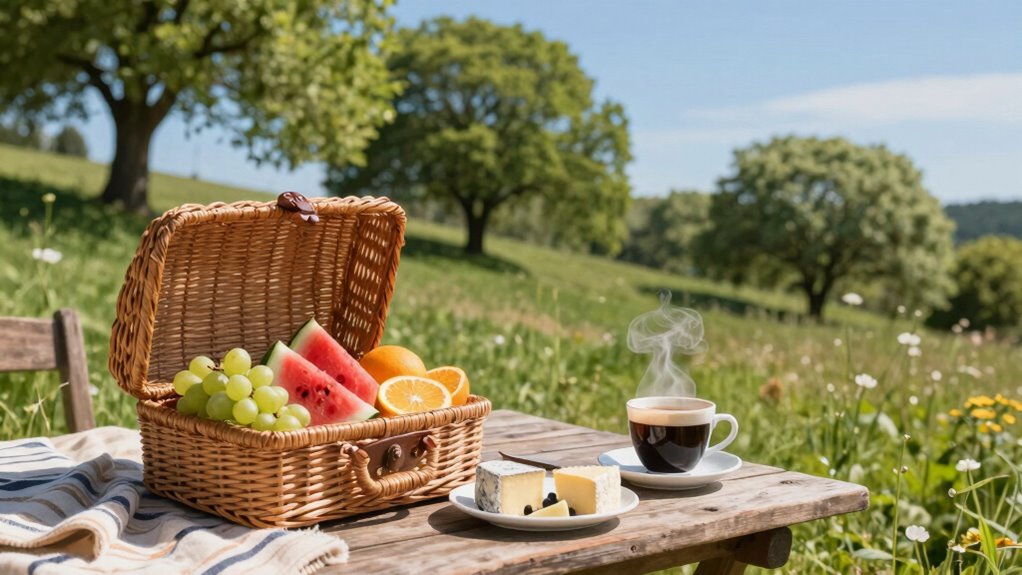

To plan better food breaks while traveling, research local dishes and authentic eateries beforehand, focusing on hidden gems to avoid tourist traps. Consider dietary restrictions and learn key phrases to communicate your needs easily. Schedule meal stops around sightseeing, and align meal times with local customs for a genuine experience. Be open to trying new flavors to deepen your cultural connection. If you keep exploring, you’ll discover even more ways to make your food breaks memorable.

Get furniture and decor delivered free with Prime
- Fast, free delivery on millions of items
- Prime Video, Amazon Music and more included
- Member-only deals all year
Key Takeaways
- Research local cuisine and authentic eateries in advance to find hidden gems and avoid tourist traps.
- Schedule food breaks around sightseeing to ensure timely and relaxed dining experiences.
- Communicate dietary restrictions clearly using local language phrases and carry suitable snacks.
- Embrace local customs and try unfamiliar dishes to deepen cultural connection.
- Incorporate food stops into sightseeing plans to make meals memorable and culturally immersive.
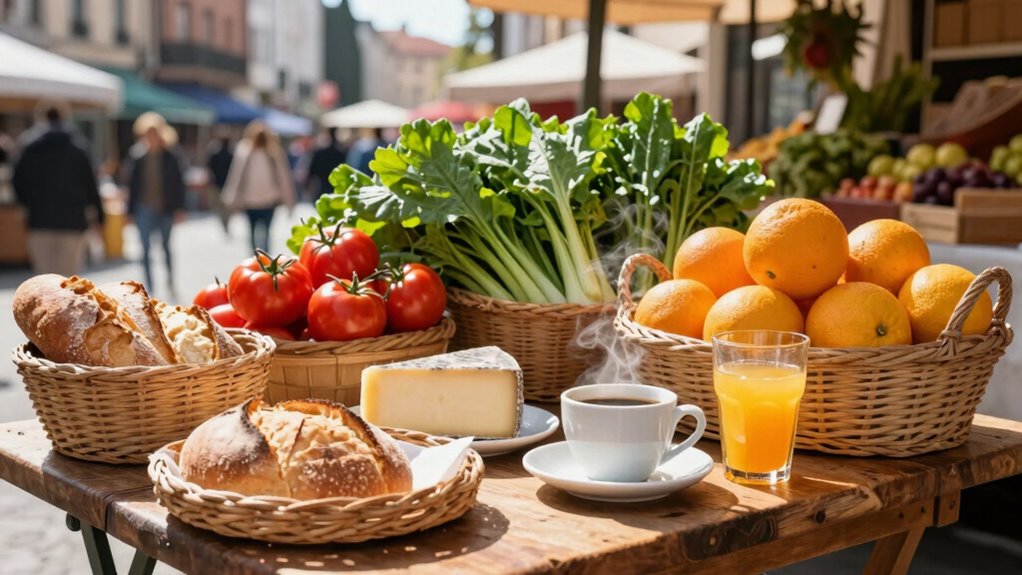
When you’re traveling, planning your food breaks thoughtfully can turn a simple meal into a memorable part of your trip. It’s not just about refueling; it’s about immersing yourself in the local culture and making meaningful connections through food. To do this effectively, research local cuisine before you go. Find out what dishes are popular and where locals eat. This not only ensures you get authentic flavors but also helps you avoid tourist traps that serve overpriced or mediocre food. Packing a list of recommended eateries or asking locals for suggestions can lead you to hidden gems that truly capture the essence of the area.
If you have dietary restrictions, planning becomes even more crucial. Whether you’re vegan, gluten-free, or have allergies, you need to be proactive to avoid discomfort or health issues. Look up restaurants known for accommodating specific dietary needs and learn some key phrases in the local language to communicate your restrictions clearly. Many cities now have apps or websites that highlight allergy-friendly or dietary-specific options, which can save you time and stress. Carrying some snacks that meet your dietary restrictions is also a smart idea, especially if you’re exploring areas with limited food options or during long travel days.
Timing your food breaks is another important aspect. Instead of waiting until you’re starving or rushing to find a spot, plan your meals around your activities. For instance, if you know you’ll be sightseeing all morning, pack a snack or identify a nearby café to stop at beforehand. This way, you can enjoy your meal without feeling rushed or distracted, making the experience more enjoyable. Also, consider local dining customs—some cultures have specific meal times, and adjusting your schedule can help you experience the local lifestyle more authentically.
Finally, approach your food breaks with an open mind. Be willing to try new dishes and flavors, even if they seem unfamiliar. Engaging with local cuisine enriches your travel experience, allowing you to appreciate the culture on a deeper level. Remember to be respectful of local eating customs and practices, as this shows your appreciation and enhances your interactions with residents. Incorporating knowledge about biodiversity and sustainable practices into your food choices—such as opting for locally sourced ingredients—can further deepen your connection to the area and support conservation efforts. By thoughtfully planning your food breaks, you turn ordinary meals into memorable moments, making your trip more immersive, enjoyable, and culturally rich.
As an affiliate, we earn on qualifying purchases.
Frequently Asked Questions
How Can I Find Allergen-Free Food Options Abroad?
To find allergen-free food options abroad, you should prioritize allergen awareness and communicate your dietary restrictions clearly. Use translation apps or allergy cards to explain your needs in local languages. Research restaurants with allergen-friendly menus or reviews highlighting allergy accommodations. Always ask staff about ingredients and cross-contamination. Being proactive and prepared guarantees you enjoy safe, allergen-free meals while traveling without risking health or comfort.
What Are Quick Snack Ideas for Long Travel Days?
For long travel days, pack healthy snacks like trail mix, granola bars, or fresh fruit, which are portable foods that keep you energized. You can also include nuts, seed packets, or beef jerky for quick bites. These healthy snacks are easy to carry and don’t require refrigeration. Having a variety of portable foods on hand guarantees you stay fueled without relying on less healthy airport or convenience store options.
How Do I Budget for Food Breaks During Trips?
To budget for food breaks, you set aside a specific daily amount, research cost-effective dining options, and include provisions for dietary restrictions. You compare prices ahead of time, look for local markets or casual eateries, and consider packing snacks to save money. By planning ahead, adjusting your budget based on destinations, and prioritizing affordable, healthy choices, you guarantee your trip stays enjoyable without overspending on meals.
What Local Foods Should I Try in Unfamiliar Destinations?
When exploring unfamiliar destinations, you should definitely try local delicacies and traditional dishes to truly experience the culture. Ask locals for recommendations or visit markets to discover authentic foods. Sample regional specialties like street snacks or signature dishes that define the area. Be adventurous, and don’t hesitate to try something new—these culinary experiences often become the most memorable parts of your trip.
How Can I Stay Healthy With Limited Food Choices?
Staying healthy with limited food choices is achievable by focusing on healthy eating options that suit your dietary restrictions. Investigate local markets for fresh produce or simple protein sources like nuts or eggs. Always carry snacks that meet your dietary needs and stay hydrated. By being proactive, you can enjoy your travels without compromising your health, making it easier to maintain your diet even in unfamiliar destinations.
Conclusion
By planning your food breaks ahead of time, you’ll not only enjoy delicious local flavors but also keep your energy up for more adventures. Don’t leave things to chance—preparing a few snacks and researching spots guarantees you make the most of every stop. Remember, a well-timed food break can be the secret ingredient to a memorable trip. After all, the early bird catches the worm—so plan smart and savor every bite!
Halloween Picks
halloween
As an affiliate, we earn on qualifying purchases.