
TL;DR

Get furniture and decor delivered free with Prime
- Fast, free delivery on millions of items
- Prime Video, Amazon Music and more included
- Member-only deals all year
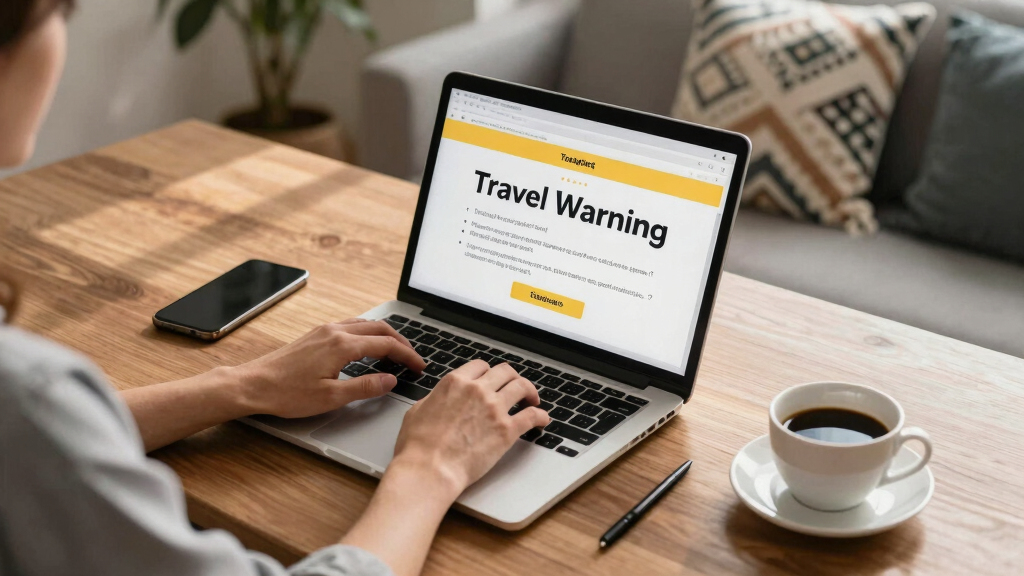
The US government has issued a travel warning for multiple countries citing heightened security threats. The warning affects travelers planning trips and underscores ongoing concerns about safety abroad. Details are confirmed, but some specific threat levels remain unclear.
The US State Department has issued a travel warning for multiple countries, citing increased security threats and risks to travelers. This development affects US citizens planning international trips and highlights ongoing concerns about safety abroad. The warning was officially announced on March 15, 2024, and is based on recent intelligence assessments.
According to the State Department, the travel warning covers countries in regions such as the Middle East, Africa, and parts of Asia. The agency cited specific concerns related to terrorist activities, civil unrest, and ongoing conflicts. The warning advises US travelers to exercise increased caution, stay updated on local conditions, and consider postponing non-essential travel to affected areas. The department emphasized that the warning is a precautionary measure based on current intelligence and does not necessarily indicate imminent threats in all listed locations. The announcement follows recent attacks and instability reports from multiple regions, prompting the government to advise caution.Officials from the State Department clarified that the warning is not a travel ban but a guidance tool aimed at helping travelers make informed decisions. They also noted that consular services remain operational in affected countries, but travelers should register with the embassy or consulate and monitor local news for updates. The warning will be reviewed regularly and may be updated as new information becomes available.Why the Travel Warning Impacts US Travelers and Policy
This travel warning is significant because it directly affects US citizens planning international trips and prompts diplomatic and security agencies to reassess safety measures. It underscores ongoing global instability and the US government’s approach to protecting its citizens abroad. The warning could influence travel bookings, insurance policies, and diplomatic relations, especially with countries listed as high risk. For travelers, it highlights the importance of staying informed and exercising caution. For governments and security agencies, it signals the need for increased vigilance and coordination in response to emerging threats.
As an affiliate, we earn on qualifying purchases.
Recent Global Security Incidents Prompt Travel Advisory
The issuance of this travel warning follows a series of recent security incidents worldwide, including terrorist attacks, civil unrest, and clashes in conflict zones. Over the past month, there have been multiple reports of violence and instability in regions such as the Middle East, West Africa, and Southeast Asia. The US government has been closely monitoring these developments, gathering intelligence that indicates a heightened risk level for travelers in these areas. Previous warnings and travel advisories have been issued in similar contexts, but this latest comprehensive warning reflects an increased concern based on recent events and intelligence updates.
“We are issuing this travel warning to ensure US citizens are aware of the current risks and can make informed decisions about their travel plans.”
— US State Department spokesperson
Unclear Details About Specific Threat Levels and Duration
It remains unclear how long the travel warning will remain in effect or whether specific threat levels will be adjusted based on evolving security situations. The US State Department has indicated that the warning will be reviewed regularly, but no definitive timeline for reassessment has been provided. Additionally, the precise nature and immediacy of threats in each listed country are not publicly detailed, leading to some uncertainty for travelers and security experts alike.
Monitoring, Updates, and Traveler Guidance Moving Forward
The US State Department is expected to continue monitoring security developments and will update the travel warning as needed. Travelers are advised to stay informed through official channels, register with embassies, and follow local news. Airlines, travel agencies, and insurance providers may also adjust policies based on the new guidance. Officials have emphasized the importance of exercising caution and remaining flexible with travel plans until further notice. The next review of the warning is scheduled for late March 2024, with potential updates depending on the security situation.
Key Questions
Which countries are affected by the travel warning?
The warning covers several countries across the Middle East, Africa, and parts of Asia, including regions experiencing conflict, civil unrest, or terrorist activity. Specific countries are listed in the official statement and updates from the US State Department.
Does the travel warning ban US citizens from traveling to these countries?
No, the warning does not ban travel but advises increased caution. US citizens are encouraged to evaluate risks carefully and consider postponing non-essential trips.
Will the travel warning affect diplomatic relations?
The warning aims to protect US citizens and does not necessarily impact diplomatic relations directly. However, it may influence diplomatic communications and security cooperation with affected countries.
How should travelers respond to this warning?
Travelers should stay updated through official government channels, register with their embassies, exercise caution, and consider postponing or canceling non-essential trips to affected areas.
Source: google-trends
Halloween Picks
halloween
As an affiliate, we earn on qualifying purchases.