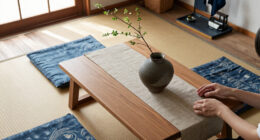

To journal more meaningfully during retreats, focus on mindful reflection by connecting with your inner experience rather than just jotting notes. Set clear intentions before each session, and create a distraction-free space to be present with your feelings, thoughts, and sensations. Use open-ended prompts and practice routines like breath awareness or body scans to deepen your insights. Incorporating tech tools can also support your process. Keep exploring these techniques to foster genuine growth and self-awareness.

Get furniture and decor delivered free with Prime
- Fast, free delivery on millions of items
- Prime Video, Amazon Music and more included
- Member-only deals all year
Key Takeaways
- Set a clear intention for each journaling session to stay focused and deepen self-reflection.
- Practice mindfulness before writing to connect with present feelings and bodily sensations.
- Use open-ended questions to guide meaningful exploration of thoughts and emotions.
- Limit distractions and dedicate full attention to enhance authenticity and depth.
- Incorporate tech tools like voice recordings to capture insights and support ongoing reflection.

Retreats offer a unique opportunity to deepen your self-awareness and reflection, but journaling can sometimes feel disconnected or superficial in such settings. To truly benefit, you need to shift your approach from mere record-keeping to mindful reflection. Instead of rushing through pages or jotting down superficial thoughts, take a moment to pause and connect with your inner experience. Mindful reflection involves being present with your feelings, thoughts, and sensations without judgment. When you sit down to journal, focus on this state of awareness—notice how your body feels, what emotions are surfacing, and what insights are emerging. This practice transforms journaling from a task into an act of self-discovery, enabling you to gain clarity and deepen your understanding of yourself. Incorporating tech tools like voice recorders or mindful apps can also support your reflection process and make it more accessible. Intentional writing is key to making your journaling during retreats more meaningful. Before you start, set an intention for each session—whether it’s exploring a particular emotion, understanding a recurring thought, or simply expressing gratitude. This focus helps prevent aimless writing and keeps you grounded in your purpose. As you write, avoid distractions and dedicate your full attention to the process. Write deliberately, choosing your words thoughtfully and allowing your thoughts to flow naturally. Don’t censor yourself or worry about grammar or style; instead, let your writing be a true reflection of your current state. This intentionality enhances the authenticity of your reflections and ensures that your journal becomes a valuable tool for growth. Incorporating specific practices to deepen your journaling experience. For example, begin with a brief mindfulness exercise—trust your breath or scan your body to center yourself before writing. Then, ask yourself open-ended questions like, “What am I feeling right now?” or “What insights am I gaining from this experience?” Let these prompts guide your writing and help you stay connected to your inner voice. Regularly practicing mindfulness not only prepares you for more meaningful journaling but also reinforces your ability to stay present throughout your retreat. Developing a consistent reflection routine can help you cultivate a deeper connection with your inner self over time. Building this mindful awareness can significantly enhance the depth and authenticity of your reflections. As you continue to practice this way, you’ll find that journaling becomes less of a superficial record and more of a meaningful dialogue with yourself. The key is consistency—regularly dedicating intentional time to reflect will strengthen your self-awareness and make your retreat experience truly transformative.
As an affiliate, we earn on qualifying purchases.
Frequently Asked Questions
What Materials Are Best for Retreat Journaling?
For retreat journaling, you want materials that inspire reflection and feel good to use. Opt for high-quality, thick paper that prevents bleed-through and is comfortable to write on. Choose writing instruments like smooth pens, gel pens, or pencils that suit your style and allow fluid writing. The right materials selection enhances your focus and connection, making your journaling more meaningful and enjoyable during your retreat experience.
How Can I Overcome Writer’s Block During Retreats?
Ever feel stuck, like your thoughts are blocked? To overcome writer’s block during retreats, try mindfulness exercises to clear your mind and spark inspiration. Use creative prompts to jumpstart your writing, such as describing a peaceful scene or expressing gratitude. Focus on the present moment, and don’t worry about perfection. This approach helps you reconnect with your inner voice and flow naturally into meaningful journaling.
Should I Share My Journal Entries With Others?
Deciding whether to share your journal entries depends on your boundaries and privacy concerns. If you feel comfortable, sharing can deepen connections, but always respect your personal limits. Set clear sharing boundaries beforehand to protect your emotional space. Remember, your journal is a personal tool for growth, so only share what feels right. Trust your instincts, and prioritize your comfort and privacy during retreats.
How Often Should I Journal During a Retreat?
You should journal as often as feels right, perhaps daily or after mindfulness practice sessions. This rhythm helps deepen your reflection and keeps your insights flowing naturally. Using creative prompts can spark inspiration and guide your thoughts during each session. Remember, consistency matters more than frequency—embrace a gentle, sustainable habit that complements your retreat experience, allowing your mind to unfold freely without pressure.
What if I Don’T Feel Inspired to Write?
If you don’t feel inspired to write, try using creative prompts or mindfulness techniques to spark your thoughts. Focus on your breath, sensations, or surroundings to center yourself, then choose a prompt like “what am I grateful for?” or “what do I need most right now.” These strategies help release mental blocks and ignite creativity, allowing your journal entry to flow naturally and meaningfully.
Conclusion
As you close your journal, feel the weight of the pen lighten, and notice the gentle warmth of the retreat’s quiet embrace around you. The pages now hold your thoughts, dreams, and moments of clarity—each one a tiny ripple in a still lake. Carry that serenity with you as you step back into the world, knowing your words have woven a deeper connection to yourself. Let this mindful practice be your retreat’s lasting gift.
Columbus Day / Indigenous Peoples' Day Picks
long weekend sales
As an affiliate, we earn on qualifying purchases.