To choose retreat activities that restore energy, focus on mindful practices like meditation and slow, intentional nature walks that engage your senses and promote calm. Incorporate pauses for reflection, deep breathing, and connection with natural surroundings to enhance mental clarity and emotional balance. Opt for varied outdoor environments to prevent routine fatigue and foster a sense of renewal. If you keep exploring, you’ll discover even more ways to create restorative experiences that recharge your body and mind.
Key Takeaways
- Prioritize activities like mindful meditation and nature walks that promote relaxation and mental clarity.
- Incorporate pauses and reflection moments to deepen mindfulness and prevent fatigue.
- Select outdoor settings with natural elements to enhance restorative effects and foster connection to nature.
- Structure activities with consistency and variety to sustain engagement and long-term benefits.
- Create a calming environment using natural features to enhance overall well-being and energy renewal.
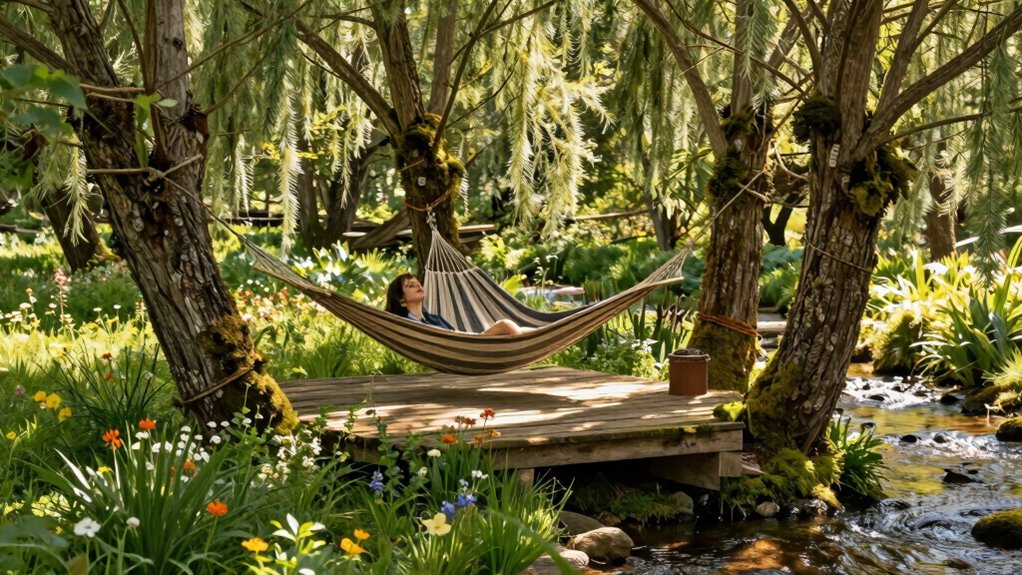
When life feels overwhelming, taking time for a retreat can be a powerful way to recharge your energy. Choosing the right activities helps you reconnect with yourself and restore your vitality. To do this effectively, focus on activities that promote relaxation and mental clarity. Mindful meditation is an excellent option; it allows you to center your thoughts, release stress, and cultivate a sense of calm. Find a quiet space, sit comfortably, and simply pay attention to your breath or the sensations in your body. This practice helps clear mental clutter and brings you into the present moment, which can be incredibly restorative. Pairing mindful meditation with nature walks amplifies the benefits. As you walk through natural surroundings, pay close attention to the sights, sounds, and smells around you. This form of sensory engagement helps ground you and fosters a deep sense of peace. Nature walks also encourage gentle movement, which boosts circulation and releases tension stored in your muscles. When choosing activities, consider the pace that feels right for you; slow, mindful walking allows you to fully immerse yourself in the environment rather than rushing through it. If you enjoy silence, opt for quiet parks or forest trails where you can truly disconnect from external distractions. Bringing a journal along can help you process your thoughts and reflections after your walk, enhancing the mental clarity gained from the experience. Incorporate moments of pause during your nature walk—stop to observe a flower, listen to bird calls, or simply breathe deeply. These pauses deepen your mindfulness and make your retreat more restorative. Remember, the key is consistency; even short periods of mindful meditation or nature walks can accumulate significant benefits over time. If you prefer a more structured approach, look for retreat programs that integrate these activities into their schedule. These often include guided meditations or group walks, which can deepen your practice and foster a sense of community. Engaging with biodiversity during your outdoor activities can deepen your connection to the environment and enhance your overall sense of well-being. Exploring different outdoor environments can prevent routine fatigue and keep your retreat experience fresh and invigorating. Additionally, incorporating natural elements like plants or water features into your space can further enhance your restorative experience. Incorporating a variety of natural settings can also help you adapt your practice to different environments and keep your retreat engaging.
As an affiliate, we earn on qualifying purchases.
Frequently Asked Questions
How Do I Tailor Activities for Different Energy Levels?
To tailor activities for different energy levels, observe your participants’ cues and offer a mix of gentle and energizing options. For lower energy attendees, suggest mindfulness exercises or calming walks. For those feeling more energized, include creative workshops or active outdoor activities. You can also encourage breaks and flexibility, allowing everyone to participate at their comfort. This approach guarantees everyone feels supported and rejuvenated throughout the retreat.
Can Activities Be Personalized for Individual Preferences?
Yes, activities can be personalized for individual preferences through various personalization options and activity customization. You can tailor experiences by considering each person’s interests, energy levels, and comfort zones. Offer choices within activities, like meditation or gentle yoga, and allow participants to modify them as needed. This approach guarantees everyone feels engaged and relaxed, making the retreat more restorative and meaningful for each individual.
What Safety Considerations Are There for Outdoor Activities?
When planning outdoor activities, you need to prioritize safety by considering wildlife safety and weather preparedness. Always stay aware of local wildlife, keeping a safe distance and avoiding food attractants. Check weather forecasts beforehand and prepare for sudden changes by bringing appropriate gear, like rain jackets or sun protection. Make certain you have a first aid kit and emergency contacts. Staying vigilant helps guarantee everyone enjoys the retreat safely and comfortably.
How Long Should Each Activity Last for Maximum Benefit?
You should aim for 30 to 60 minutes per activity, like mindfulness exercises or nature walks, to maximize their restorative benefits. Shorter sessions keep your mind fresh, while longer periods deepen relaxation and reflection. Balance active and passive activities throughout the day, allowing enough time for mental reset. Listen to your body’s cues, and don’t rush—quality over quantity helps you recharge effectively during your retreat.
Are There Activities Suitable for All Age Groups?
Yes, there are activities suitable for all age groups, emphasizing universal accessibility and age-appropriate options. You can include gentle yoga, nature walks, storytelling, and creative arts, which appeal across generations. These activities foster connection and relaxation without requiring advanced skills or physical exertion. By selecting inclusive options, you guarantee everyone feels comfortable and engaged, making your retreat a restorative experience for all participants, regardless of age.
Conclusion
Choosing the right retreat activities can truly renew your energy and refresh your mind. By selecting activities that resonate with your needs, you create a space for genuine rejuvenation. Remember, the goal is to leave feeling revitalized and inspired—so ask yourself, are these activities helping you reconnect with your inner vigor? When you prioritize restorative experiences, you’ll find yourself energized and ready to face life’s challenges anew. Why not make your retreat a true sanctuary for your well-being?