To select dates for peak calm, aim for shoulder seasons when crowds are thinner and weather is milder. Traveling just before or after peak times helps avoid busy attractions and long lines, making your experience more relaxed. You’ll enjoy better weather for outdoor activities without extreme heat or cold. Keep in mind that some attractions might have limited hours, so planning ahead guarantees a smooth trip. If you keep exploring, you’ll find helpful tips for choosing ideal travel dates.
Key Takeaways
- Travel during shoulder season to enjoy fewer crowds and more authentic experiences.
- Choose dates with milder weather, avoiding extreme heat or cold for comfortable outdoor activities.
- Plan trips just before or after peak tourist months to benefit from lower costs and better availability.
- Check attraction hours and closures, as some sites may have limited access during shoulder season.
- Balance weather conditions and crowd levels to select dates that offer tranquility and optimal sightseeing.
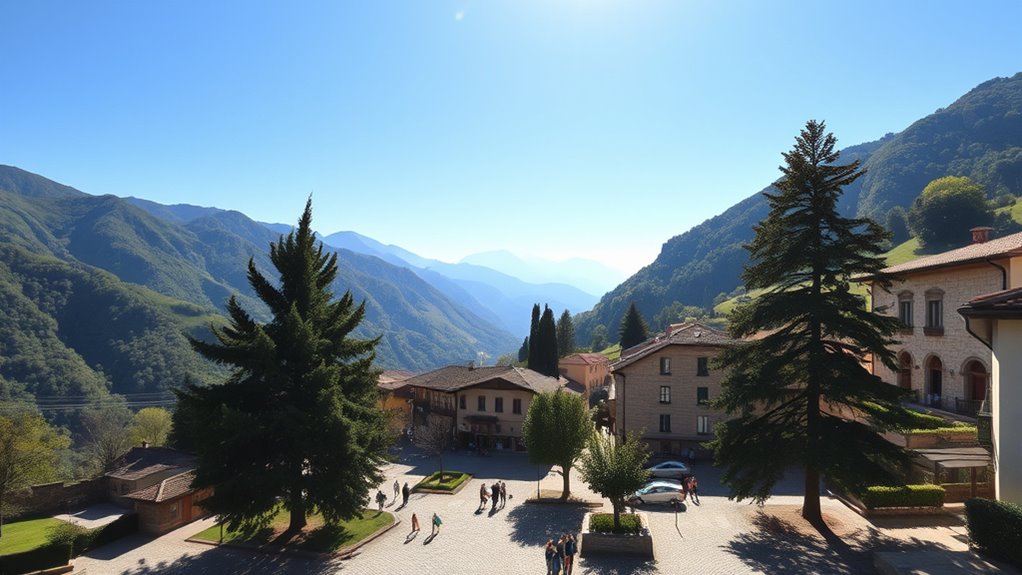
Finding the right date can make all the difference when you’re aiming for peak calm. When planning your trip, choosing the ideal time means considering both weather conditions and crowd levels. Traveling during off season periods, also known as shoulder season, offers several advantages that can markedly enhance your experience. Off season travel typically falls just before or after the peak tourist months, when destinations are less crowded and businesses are eager to welcome visitors. This means you can enjoy popular sights without the overwhelming throngs, and often at a lower cost. Shoulder season advantages include milder weather that’s still pleasant, fewer tourists, and more availability for accommodations and activities. You get to experience the destination more authentically, without the hustle and bustle that comes with high season.
Timing your trip during these shoulder periods often results in smoother travel days, shorter lines, and a more relaxed pace overall. Plus, the weather during these times tends to be less extreme. You might encounter cooler mornings or occasional rain, but it’s generally more comfortable than the scorching heat or freezing cold of peak seasons. This balance allows you to enjoy outdoor activities and sightseeing without feeling overwhelmed or exhausted. When selecting dates, think about your preferred climate and the type of experience you want to have. If you’re seeking tranquility and want to avoid crowds, traveling during the shoulder season is a smart move. It’s especially advantageous for outdoor adventures, cultural explorations, and scenic drives, where the presence of fewer tourists makes all the difference.
Another benefit of choosing shoulder season dates is the chance to secure better deals. Hotels, flights, and tours often drop their prices outside of peak times, making your trip more affordable. This can be particularly helpful if you’re traveling on a budget or looking to maximize your spending power. Keep in mind that some popular attractions may have limited hours or closures during these times, so it’s wise to check ahead. Nonetheless, you’ll often find that the quiet atmosphere and laid-back vibe more than compensate for minor adjustments in your itinerary.
In the end, selecting your travel dates with the goal of avoiding crowds and enjoying good weather can truly elevate your experience. Off season travel and taking advantage of shoulder season advantages allow you to find that perfect balance of comfort, affordability, and tranquility. With a little planning, you can arrive at your destination at just the right time to enjoy peak calm, making your trip not only memorable but also delightfully stress-free.

Bubplay Ice Bath Cold Plunge Tub with Cover for Indoor Outdoor for Recovery, Cold Water Therapy, Athletes & Adults -105 Gallons, Black, XL
【XL Full-Body Cold Plunge for Most Adults】 Designed for an immersive ice bath / cold plunge experience with...
As an affiliate, we earn on qualifying purchases.
Frequently Asked Questions
How Do Weather Patterns Vary Year to Year?
Weather patterns vary year to year due to climate variability and seasonal shifts. You’ll notice some years bring milder winters and hotter summers, while others have more unpredictable weather. These fluctuations influence the best times to visit for calm and good weather. By staying updated on seasonal shifts and climate trends, you can better plan your trips, avoiding peak crowds and weather surprises that could affect your experience.
Are There Specific Holidays That Affect Crowd Sizes?
You’ll find holiday crowds swell during major celebrations like New Year’s, Thanksgiving, and local festivals, making popular spots busier. These holiday crowds often spill into weekends, amplifying festival impacts and increasing congestion. If you seek calm, avoid traveling during these times. Instead, plan visits on weekdays or outside festive seasons. Knowing these dates helps you dodge the rush and enjoy a more peaceful experience, free from seasonal crowds.
Which Months Typically Have the Most Stable Weather?
You’ll find the most stable weather during the shoulder months of spring and fall, making them ideal for off season travel. These months typically offer mild temperatures and fewer surprises, helping you avoid extreme weather conditions. Traveling in these periods also means fewer crowds and better deals. Plan your trip around April, May, September, or October to enjoy calmer, more predictable weather while avoiding peak tourist seasons.
Do Local Events Influence Crowd Levels During Certain Times?
Ever wondered if local festivals and seasonal traditions make crowds swell? They definitely do! During popular events, you’ll find more visitors, making some dates busier. Planning around these celebrations can help you enjoy calmer times. Check local calendars before booking, so you can avoid the peak influx of crowds during big festivals, ensuring a more peaceful experience. Are you ready to pick dates that let you relax fully?
How Can I Predict Sudden Weather Changes in Advance?
You can predict sudden weather changes by monitoring forecast accuracy and understanding climate variability in your area. Check reliable sources like local meteorological services or weather apps regularly, especially as your trip approaches. Keep an eye on updates, as they reflect real-time data and account for climate changes. Preparing for unexpected shifts and staying flexible with your plans helps you stay calm despite sudden weather changes.

Oval Ice Bath Tub for Athletes with Cover, 130 Gal Capacity Portable Cold Plunge Tub for Recovery and Cold Water Therapy, Ice Baths for Home, Gym, Indoor, Outdoor Use
6-Layer Insulation for Temperature Retention: Our cold plunge tub features upgraded canvas fabric and thickened PVC for superior...
As an affiliate, we earn on qualifying purchases.
Conclusion
Think of planning your trip as steering a gentle boat through shifting tides. By choosing your dates wisely, you navigate past the storms of crowds and chaos, sailing smoothly into tranquil waters. When the weather’s calm and the crowds are sparse, your journey becomes a peaceful voyage, a quiet lake where serenity reigns. So set your course with care, and let the calm winds guide you to a truly restful escape.

Upgrade XL Ice Bath Tub for Athletes, 119 Gallons Hot & Cold Plunge Tub with Cover for Recovery, Cold Water Therapy, Multiple Layered Portable Whirlpool Bathtubs for for Home, Gym & Outdoor
【Enhance Muscle Recovery】Ice baths present a natural, efficient method for expediting recovery following intense workouts or competitions. Our...
As an affiliate, we earn on qualifying purchases.
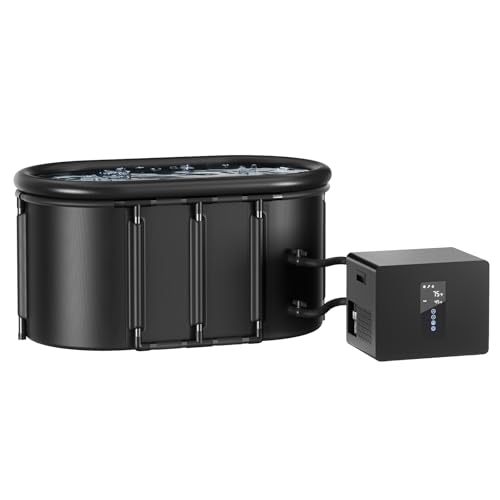
Ice Bath Chiller & Cold Plunge Tub Kit, 1/3HP Cold Plunge Chiller with Built-in Pump & Filter, 148Gal Insulated Ice Bath Tub for Cold Therapy, Recovery, Muscle Relaxation & Wellness at Home
All-in-One Cold Plunge System – No Ice or Hassle Needed: Complete cold plunge recovery kit includes a 1/3HP...
As an affiliate, we earn on qualifying purchases.