
Planning and setting up your whole-home audio system starts with evaluating your space and choosing the right speakers, such as in-wall, ceiling, or portable models, for ideal sound coverage. A strong Wi-Fi connection and a compatible control system are essential for seamless streaming and zone management. Proper speaker placement enhances sound quality, and centralized controls make customizing zones easy. Keep exploring to discover how to tailor your setup for the perfect listening experience throughout your home.
Key Takeaways
- Assess your home layout to determine optimal speaker placement for coverage and aesthetics.
- Choose suitable speakers (in-wall, in-ceiling, portable) based on room function and design preferences.
- Ensure your Wi-Fi network is robust and consider a dedicated hub for seamless multi-room streaming.
- Assign zones and configure speakers using compatible control apps for customized audio experiences.
- Plan for easy access and control through voice commands or mobile apps to enhance daily usability.
Imagine enjoying your favorite music or podcasts seamlessly throughout your entire home—whole-home audio systems make this possible. With multi room streaming, you can listen to different songs in each room or the same music everywhere, all controlled from a single device. This setup offers flexibility and convenience, transforming how you experience sound at home. To achieve this, you’ll want to consider speaker zoning, which allows you to assign specific speakers or groups of speakers to different zones within your house. Whether you want your living room blasting music while your bedroom stays quiet or have a party with synchronized sound across multiple rooms, speaker zoning makes it easy to customize your audio environment.
Enjoy seamless music and podcasts throughout your home with flexible multi-room audio and speaker zoning.
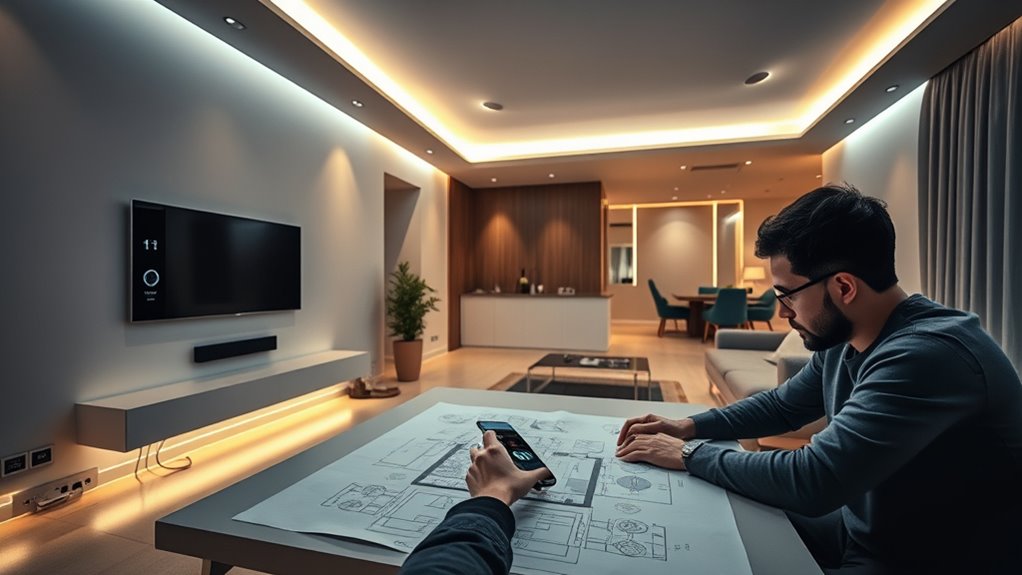
When planning your system, start by evaluating your space and identifying where you want high-quality audio. Think about the rooms where music will enhance your experience, like the living room, kitchen, or outdoor patio. Once you know the zones, select speakers that fit your needs—whether in-wall, in-ceiling, or portable models. Many modern systems support multi room streaming, meaning you can control all speakers from a single app on your smartphone or tablet, making it simple to switch between zones or create playlists that span your entire home.
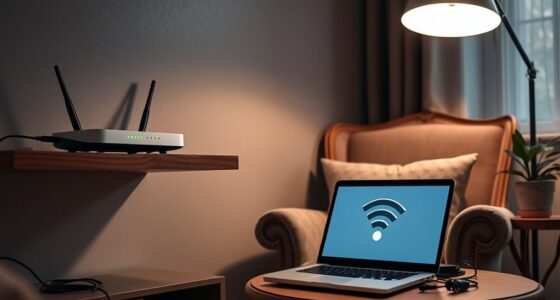
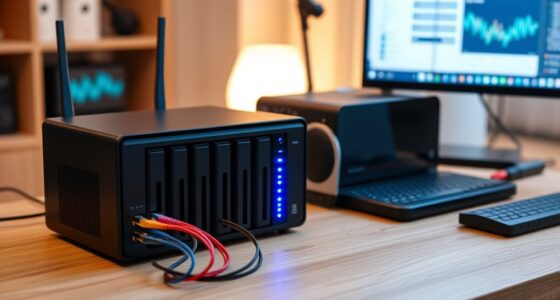
Next, consider the infrastructure needed for reliable multi room streaming. A strong Wi-Fi network is essential, as most whole-home audio systems rely on wireless connectivity. You might also need a dedicated hub or a multi-room audio controller that coordinates the speaker zoning and streaming. This setup ensures smooth playback and easy management, even if you’re controlling multiple zones simultaneously. Many systems also support voice commands, so you can change the music or adjust volume with just a simple voice request. Additionally, integrating a robust Wi-Fi network can enhance the overall performance and reliability of your system.
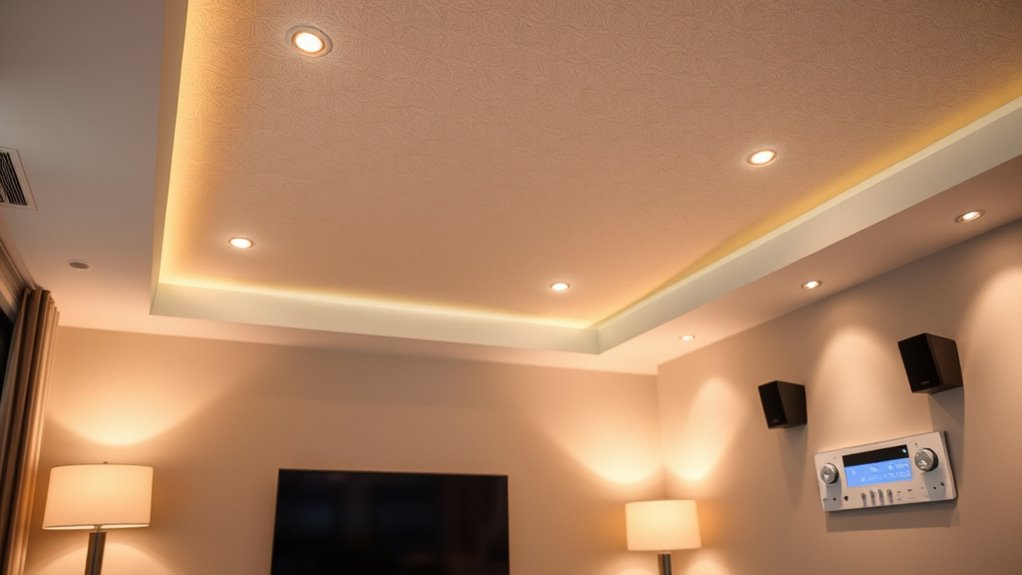
Installation is straightforward with some systems, but it’s worth planning the placement of speakers carefully to optimize sound quality and coverage. For example, in-ceiling speakers provide a clean look and even sound distribution, while portable speakers can be moved around as needed. Once everything’s set up, take some time to customize your zones and playlists. With multi room streaming and speaker zoning, you can tailor your listening experience to match your mood, activity, or the time of day—all from a user-friendly control app.
In the end, a whole-home audio system enhances your daily routine, making music, podcasts, or audiobooks accessible throughout your home effortlessly. Planning your setup thoughtfully ensures you enjoy a seamless, high-quality sound experience in every corner of your house.
Frequently Asked Questions
How Do I Choose the Best Speakers for My Home?
To select the best speakers for your home, focus on sound quality and speaker placement. Look for speakers with clear, balanced sound that suit your room size. Consider their placement to guarantee even sound distribution, avoiding corners or obstructions. Think about your aesthetic preferences and compatibility with your existing system. Testing different options in your space helps you find the perfect balance of sound quality and placement for an immersive experience.
What Is the Average Cost of a Whole-Home Audio System?
You’ll be surprised to learn the average cost of a whole-home audio system, which can range from $1,000 to $5,000. Ironically, while you might think budget planning is straightforward, cost considerations vary widely based on speaker quality and system features. To avoid sticker shock, plan your budget carefully, balancing what you want with what you can afford—after all, good sound doesn’t have to break the bank.
Can I Install a Whole-Home Audio System Myself?
Yes, you can do a DIY installation of a whole-home audio system, but it depends on your technical skills and comfort level. If you’re handy with electronics and follow detailed instructions, you might handle it yourself. However, for ideal sound quality and to avoid mistakes, consider professional assistance. Professionals ensure proper setup, wiring, and configuration, making your system reliable and easier to operate in the long run.
How Do I Integrate Streaming Services With My System?
Imagine you want seamless streaming integration with your whole-home audio system. First, choose compatible platforms like Spotify or Apple Music. Then, connect your system to a smart hub or receiver that supports these services. For example, a homeowner linked their Spotify account to a Sonos system, enabling effortless streaming in every room. verify your devices are compatible, and follow setup instructions to enjoy your favorite music across your entire home.
What Maintenance Is Required for a Whole-Home Audio Setup?
You should regularly check your wireless connectivity to ensure your whole-home audio system stays seamless. Keep your speakers calibrated by adjusting for sound quality and balance, especially after moving or adding new devices. Clean your equipment gently and update firmware when prompted to prevent glitches. Periodic inspections help maintain ideal performance, so you enjoy consistent, high-quality sound throughout your home without interruptions.
Conclusion
Now that you’ve learned how to plan, choose, and set up your whole-home audio system, it’s time to enjoy the seamless sound experience you’ve created. With the right equipment, thoughtful placement, and simple controls, you can relax, entertain, and connect effortlessly. Embrace the convenience, enjoy the clarity, and revel in the flexibility of your personalized audio environment. Because when your home sounds just right, every moment becomes more enjoyable, more immersive, more yours.