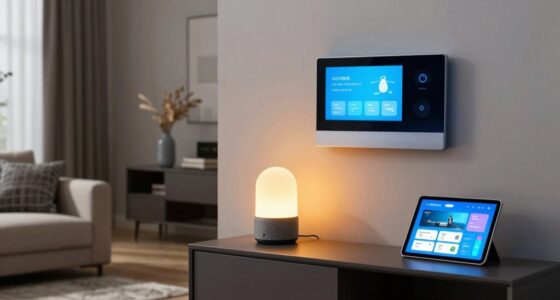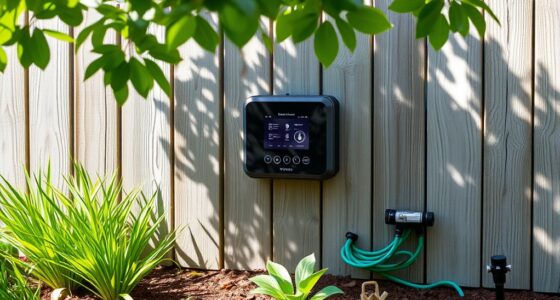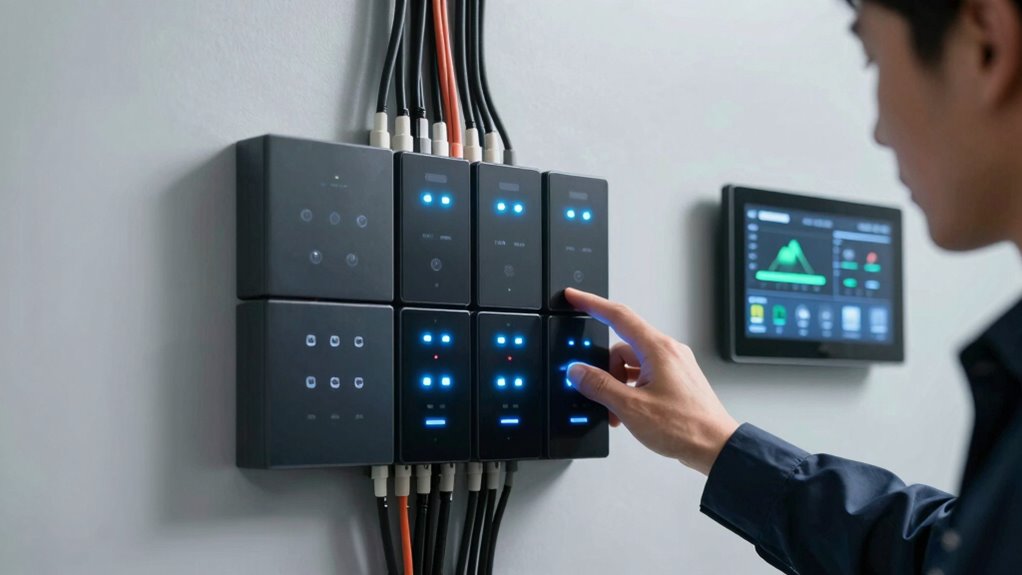

To reduce energy waste with smart sensors, guarantee they are properly calibrated and strategically placed for accurate measurements. Use the data they provide to identify over-lit or over-conditioned areas and automate adjustments through centralized controls. Regularly review and recalibrate sensors to maintain precision, and leverage data analytics for ongoing improvements. By integrating these sensors into your system, you’ll optimize performance and save energy — discover more ways to maximize efficiency as you explore further.

Get furniture and decor delivered free with Prime
- Fast, free delivery on millions of items
- Prime Video, Amazon Music and more included
- Member-only deals all year
Key Takeaways
- Perform regular sensor calibration to ensure measurement accuracy and reliable data for energy management.
- Use data analytics to identify inefficiencies and optimize lighting and HVAC systems accordingly.
- Strategically place sensors in high-traffic or critical zones to improve measurement reliability.
- Integrate sensors with automated controls for real-time adjustments based on occupancy and environmental conditions.
- Continuously review and recalibrate sensors to maintain accuracy and uncover new energy-saving opportunities.

As energy costs rise and environmental concerns grow, smart sensors are becoming essential tools for reducing energy waste. These devices can monitor various systems, from lighting and HVAC to machinery, providing real-time data that helps optimize energy use. But to get the most accurate and actionable insights, you need to focus on sensor calibration. Proper calibration ensures that your sensors measure environmental variables accurately, preventing false readings that could lead to unnecessary energy consumption. Regularly calibrate your sensors according to manufacturer guidelines or industry best practices, especially after any maintenance or system upgrades. Accurate data collection depends heavily on this step, making it the foundation for effective energy management.
Once your sensors are calibrated correctly, the next step involves leveraging data analytics. The data collected by smart sensors can be overwhelming without proper analysis. Employ data analytics tools to interpret the sensor outputs, identify patterns, and detect inefficiencies. For example, if sensors detect that certain areas are consistently over-lit or over-conditioned, analytics can reveal these trends, enabling you to make targeted adjustments. Predictive analytics can also forecast future energy needs based on historical data, helping you plan maintenance schedules and adjust energy loads proactively. This approach minimizes waste and maximizes efficiency by ensuring your systems operate only when necessary. Incorporating sensor accuracy into your processes can further improve the reliability of your energy-saving strategies. Additionally, understanding system integration is crucial for creating seamless communication between your sensors and control systems. Regular calibration and maintenance are vital for maintaining sensor reliability, ensuring your data remains accurate over time. Maintaining proper sensor placement can also significantly enhance measurement precision and system performance.
Implementing automated controls based on sensor data further enhances energy savings. For instance, sensors detecting low occupancy levels can trigger lighting and HVAC systems to shut off or scale back, reducing unnecessary energy use. The key is to integrate your sensors into a centralized management platform that continuously analyzes data and makes real-time adjustments. This automation reduces the need for manual oversight and ensures your systems respond promptly to changing environmental conditions. Over time, you’ll gather a wealth of data that can inform long-term strategies for energy conservation and operational improvements. Additionally, understanding biodiversity can help tailor energy solutions that minimize ecological impact.
To sustain these benefits, you should regularly review sensor calibration and data analytics processes. As environmental conditions change or equipment ages, recalibrating sensors guarantees ongoing accuracy. Additionally, refining your data analysis techniques allows you to uncover new opportunities for savings. Investing in user-friendly dashboards can help you visualize energy consumption patterns and make informed decisions quickly. By maintaining a cycle of calibration, data analysis, and system adjustments, you create a continuous improvement loop that keeps energy waste to a minimum. Using smart sensors effectively isn’t just about installing devices; it’s about maintaining and utilizing them to their fullest potential for a more efficient, sustainable energy future.
As an affiliate, we earn on qualifying purchases.
Frequently Asked Questions
How Do Smart Sensors Differ From Traditional Sensors?
Smart sensors differ from traditional sensors by offering advanced features like real-time data analytics and automatic calibration. You can easily monitor energy use more precisely, enabling you to identify waste. Unlike traditional sensors, smart sensors continuously learn and adapt, providing actionable insights. This makes it easier for you to optimize energy consumption, reduce waste, and improve overall efficiency without constant manual adjustments.
What Is the Typical Installation Cost for Smart Sensors?
Coincidentally, the typical installation cost for smart sensors usually falls between $50 and $200 per device. You’ll find that the cost comparison varies based on sensor type and system complexity. While installation challenges can arise, especially in retrofit projects, planning ahead and choosing the right sensors help minimize those issues. Overall, investing in smart sensor installation often pays off through energy savings and improved system efficiency.
Are Smart Sensors Compatible With Existing Building Systems?
Yes, smart sensors are generally compatible with existing building systems. You’ll want to focus on sensor calibration to ensure accurate readings and seamless data integration, which helps synchronize new sensors with your current infrastructure. Most smart sensors are designed for easy installation and compatibility, but double-checking compatibility specifications and performing calibration after installation guarantees ideal performance and energy savings. This way, you maximize your system’s efficiency and reduce waste effectively.
How Secure Are Smart Sensors Against Hacking?
You’ll be glad to know that smart sensors are generally secure against hacking, but cybersecurity threats remain a concern. About 60% of organizations experience some form of cyberattack yearly. To protect your system, look for sensors with robust data encryption and regular security updates. Implementing strong passwords and network security measures further minimizes risks. While no system is entirely invulnerable, these steps considerably enhance your smart sensor security.
Can Smart Sensors Be Used in Outdoor Environments?
Yes, you can use smart sensors outdoors. They’re designed with weather resistance and sensor durability, so they withstand rain, wind, and temperature fluctuations. Look for models specifically rated for outdoor use to guarantee longevity and reliable performance. Proper installation and regular maintenance help maximize their effectiveness. With these features, outdoor smart sensors can efficiently monitor environmental conditions and reduce energy waste in various outdoor settings.
Conclusion
By embracing smart sensors, you unleash the power to cut energy waste and save money, turning your space into a model of efficiency. Think of these sensors as silent guardians, constantly watching over your energy use like a lighthouse guiding ships safely to shore. Don’t wait for waste to become a storm—act now, harness this technology, and steer your energy consumption toward smarter, greener horizons. Your future self will thank you for making the switch today.
Fall Picks
fall essentials
As an affiliate, we earn on qualifying purchases.