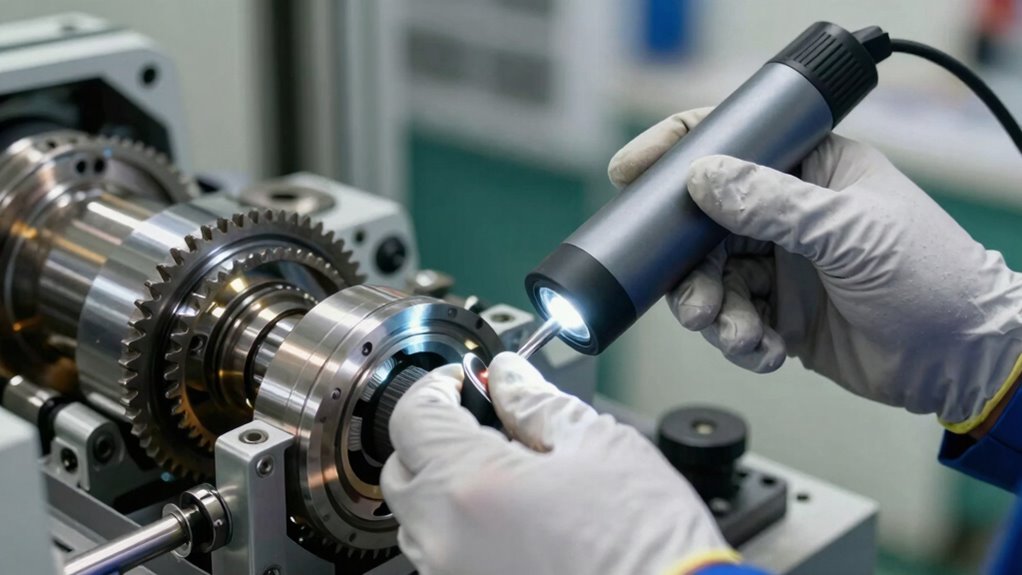

To think about inspection tools as preventive maintenance assets, see them as proactive tools that uncover early signs of wear and tear before failures happen. Use calibrated instruments and predictive analytics to gather reliable data that helps you schedule repairs precisely. This approach transforms inspections from simple checks into strategic actions that prolong equipment lifespan and reduce costs. Keep exploring to discover how integrating these tools can create a smarter, more reliable maintenance system.

Get furniture and decor delivered free with Prime
- Fast, free delivery on millions of items
- Prime Video, Amazon Music and more included
- Member-only deals all year
Key Takeaways
- View inspection tools as proactive assets that identify early signs of equipment wear, preventing costly failures.
- Integrate calibrated tools with predictive analytics for accurate, real-time failure forecasting.
- Use inspection data strategically to optimize maintenance schedules and extend asset lifespan.
- Ensure regular calibration to maintain measurement accuracy and reliable insights from inspection tools.
- Transform inspection routines into continuous improvement processes for smarter, more effective maintenance.
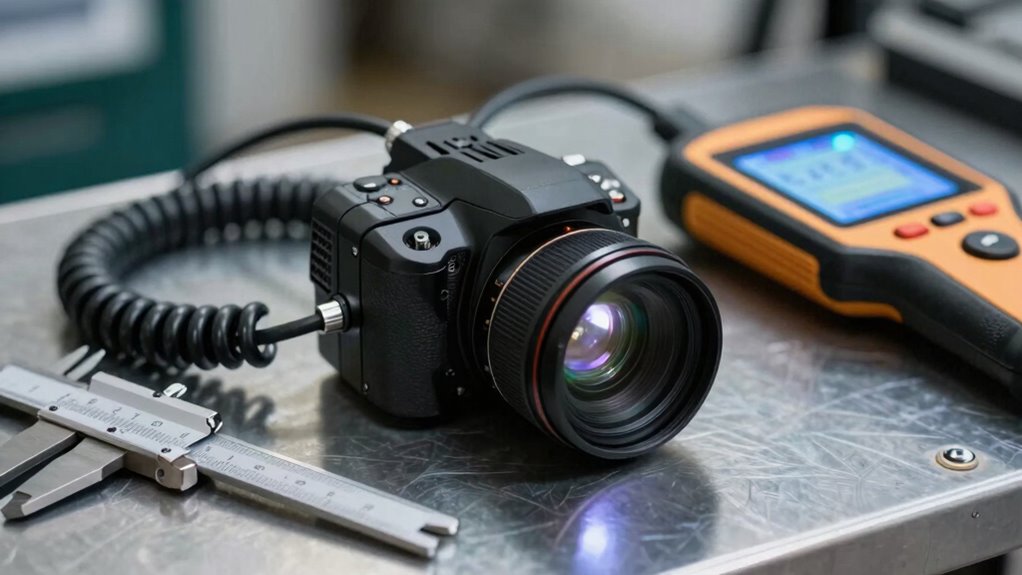
Have you ever wondered how maintenance teams catch potential equipment issues before they lead to costly breakdowns? The answer often lies in the strategic use of inspection tools combined with advanced techniques like predictive analytics. These tools are essential for identifying early signs of wear and tear, allowing you to address problems proactively. When you think about inspection tools, it’s vital to see them not just as instruments for routine checks but as integral components of your overall preventive maintenance strategy.
Predictive analytics plays a crucial role here. By analyzing data collected through inspection tools, you can forecast when equipment is likely to fail or require maintenance. This approach shifts your mindset from reactive repairs to proactive planning, saving time and money in the long run. For example, vibration sensors and thermal cameras gather real-time data, which algorithms interpret to predict potential failures. You can then schedule maintenance tasks precisely when they’re needed, avoiding unnecessary downtime and extending asset life.
Predictive analytics transforms inspection data into proactive maintenance, preventing failures and extending equipment lifespan.
Tool calibration is another critical aspect to consider. Accurate readings depend on well-calibrated instruments. If your inspection tools are out of calibration, you risk missing early warning signs or misdiagnosing issues, which could lead to more severe problems later. Regular calibration ensures that your tools provide reliable, precise measurements. This consistency is essential for making informed decisions based on inspection results. Whether it’s calibrating ultrasonic testers, pressure gauges, or other specialized instruments, maintaining their accuracy is a fundamental step in effective preventive maintenance.
When you integrate predictive analytics with properly calibrated tools, you enhance your ability to catch issues early. Imagine using sensor data to identify a slight increase in vibration frequency that indicates bearing wear. With calibrated tools, your readings are trustworthy, and predictive models can accurately flag this as a potential problem. Acting on this insight allows you to schedule repairs before the bearing fails, preventing unplanned outages and costly repairs.
Thinking about inspection tools this way also encourages you to view maintenance as an ongoing process rather than a series of isolated tasks. The combination of predictive analytics, precise calibration, and timely inspections creates a cycle of continuous improvement. You’ll develop a deeper understanding of your equipment’s behavior, which helps optimize maintenance schedules and extend asset lifespan. Essentially, you’re transforming inspection tools from mere checklists into strategic assets that empower your preventive maintenance efforts, reducing downtime and boosting operational efficiency. Additionally, leveraging smart inspection tools enhances data accuracy and reliability, further strengthening your maintenance strategy. Recognizing the importance of inspection data and its role in predictive maintenance can lead to more informed decisions and better overall asset management. Furthermore, incorporating advanced diagnostic techniques can uncover issues that traditional inspections might overlook, ensuring comprehensive asset health monitoring. Incorporating appropriate inspection tools that are tailored to your specific equipment can further improve the effectiveness of your preventive maintenance approach.
calibrated ultrasonic thickness gauge
As an affiliate, we earn on qualifying purchases.
As an affiliate, we earn on qualifying purchases.
Frequently Asked Questions
How Often Should Inspection Tools Be Calibrated for Optimal Accuracy?
Calibration frequency depends on your specific tools and usage, but generally, you should calibrate inspection tools at least once a year to guarantee ideal accuracy. If you use them frequently or in critical applications, consider more frequent calibration—every 6 months or quarterly. Regular calibration maintains tool accuracy, minimizes errors, and ensures reliable measurements. Always follow manufacturer recommendations and keep detailed calibration records to track your maintenance schedule effectively.
What Training Is Necessary to Properly Use Inspection Tools?
You need thorough training to master inspection techniques and guarantee proper tool maintenance. Without it, you risk catastrophic errors, like missing critical flaws or damaging tools. You should learn how to calibrate instruments accurately, identify defects, and handle tools safely. Hands-on workshops, safety courses, and detailed manuals are essential. Proper training transforms you into a vigilant inspector, preventing costly failures and keeping equipment running smoothly.
Are There Cost-Effective Inspection Tools for Small-Scale Operations?
Yes, for small-scale operations, cost-effective inspection tools like handheld ultrasonic testers, infrared thermometers, and simple visual inspection kits can save you money. Focus on tool selection by choosing durable, easy-to-use options that meet your specific needs, which enhances safety and efficiency. Investing in quality tools now reduces costly repairs later, offering significant cost savings and ensuring preventive maintenance remains practical within your budget constraints.
How Do Inspection Tools Differ for Various Types of Machinery?
Inspection tools vary wildly, like comparing a tiny magnifying glass to a giant, high-tech scanner! For different machinery, you need specific inspection tool types—like ultrasonic testers for engines or thermal cameras for electrical systems. Machinery compatibility is vital; you can’t just pick any tool and expect it to work. Tailoring your inspection tools guarantees precise diagnostics, preventing costly breakdowns and keeping your equipment running smoothly.
What Are the Signs of Worn or Outdated Inspection Tools?
You’ll notice worn or outdated inspection tools show decreased inspection accuracy, leading to potential overlooked issues. Tools with corrosion, cracks, or damaged parts tend to give unreliable readings. Additionally, if calibration is regularly off or if tools don’t hold their precision over time, it’s a sign they’re nearing the end of their tool longevity. Regularly inspecting and replacing these tools guarantees you maintain accurate assessments, preventing costly machinery failures.
Conclusion
By embracing inspection tools as part of your preventive maintenance routine, you gently steer clear of unexpected surprises and costly downtime. Think of these tools as subtle guardians, quietly ensuring everything runs smoothly beneath the surface. When you prioritize regular inspections, you’re not just avoiding trouble—you’re nurturing your equipment’s health with care and foresight. So, take comfort in these quiet allies, knowing they help keep your operations seamless and resilient, day after day.
Halloween Picks
halloween
As an affiliate, we earn on qualifying purchases.