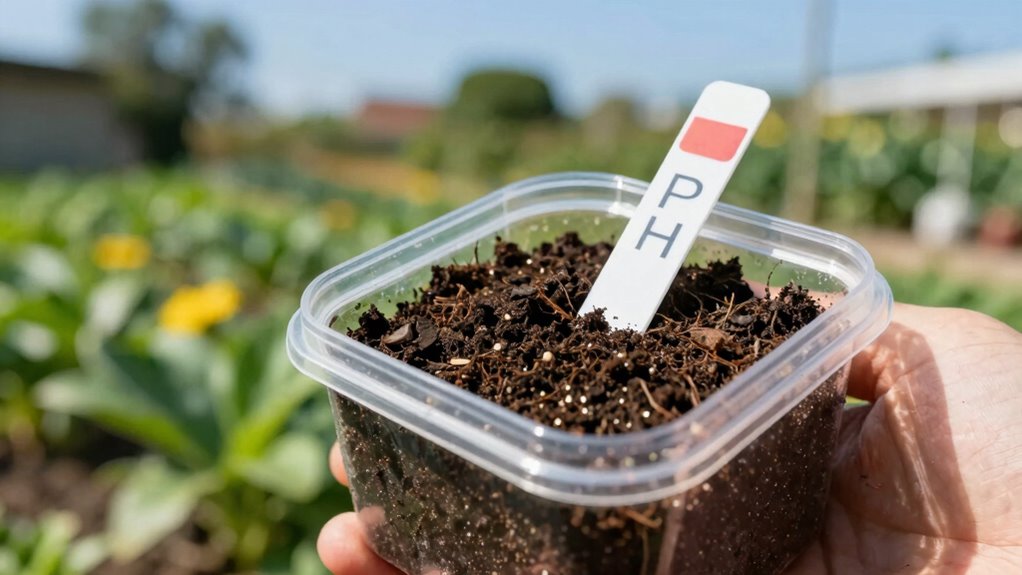

Soil pH measures how acidic or alkaline your soil is, which affects how plants absorb nutrients like nitrogen, phosphorus, and potassium. Testing is simple: you can use an at-home test kit, test strips, or send a sample to a lab for more accuracy. Understanding your soil’s pH helps you decide if you need to add lime to raise it or sulfur to lower it, ensuring healthier growth. Keep exploring to learn more tips and techniques.
Key Takeaways
- Soil pH measures acidity or alkalinity, affecting nutrient availability for plants.
- Ideal pH levels typically range from 6.0 to 7.0 for many garden plants.
- Test soil pH using at-home kits, test strips, or lab analysis for accuracy.
- Adjust pH with lime to increase or sulfur/peat moss to decrease, based on test results.
- Regular testing and proper amendments ensure optimal soil conditions for healthy plant growth.

SONKIR Soil pH Meter, MS02 3-in-1 Soil Moisture/Light/pH Tester Gardening Tool Kits for Plant Care, Great for Garden, Lawn, Farm, Indoor & Outdoor Use (Green)
Kindly NOTE: This soil tester can not be applied to test pH value of any other liquid. If…
As an affiliate, we earn on qualifying purchases.
As an affiliate, we earn on qualifying purchases.
What Is Soil pH and Why Does It Matter for Your Garden?

Understanding soil pH is essential because it affects how plants absorb nutrients. When soil pH is off, minerals become less available, impacting plant health. Soil mineral content varies depending on your location, influencing the pH balance naturally. Organic matter influence also plays a crucial role; adding compost or mulch can help buffer pH levels and improve nutrient availability. A balanced pH ensures that essential nutrients like nitrogen, phosphorus, and potassium are accessible to your plants. If the soil is too acidic or alkaline, it can hinder growth and reduce yields. Regular testing and adjustments are necessary to maintain optimal conditions for plant growth, especially since soil mineral content varies widely across regions. Additionally, maintaining proper soil pH helps prevent nutrient deficiencies and toxicities that can damage plants. Monitoring soil pH with appropriate testing methods and understanding soil chemistry can further enhance your ability to manage soil health effectively. A good understanding of soil amendments can help you correct pH imbalances more efficiently. By monitoring and adjusting soil pH, you optimize conditions for nutrient uptake, making your gardening efforts more successful. Incorporating energy-efficient cloud servers for data management and analysis can also support sustainable gardening practices. Understanding these factors helps you create a healthier, more productive garden environment.

Soil pH Paper Test Kit – 100 Tester Strips (3.5-9 Range) – Use for Testing Garden Home Lawn Grass Vegetable Gardening Dirt Yard Compost Outdoor and Indoor Plants
Accurate Soil pH Testing: Dewildetradingco Soil pH Test Strips offer measurements of soil pH levels (pH 3.5-9). As…
As an affiliate, we earn on qualifying purchases.
As an affiliate, we earn on qualifying purchases.
How to Test Your Soil pH at Home or With a Lab
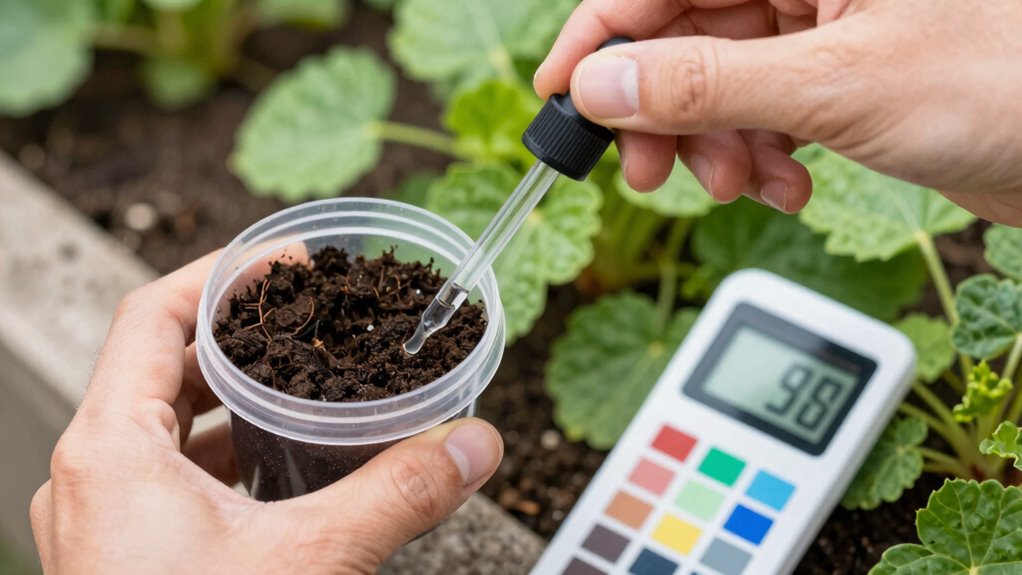
Testing your soil pH accurately is essential for maintaining healthy plants, and there are both simple at-home methods and more exact laboratory options available. At-home testing methods typically involve using pH test kits or soil test strips, which are easy to use and provide quick results. To guarantee accuracy, follow the instructions carefully and collect soil samples from multiple locations in your garden. If you want more detailed information, you can send samples to a soil testing lab, which offers thorough analysis and precise pH readings. Understanding your soil’s pH helps you determine if you need a soil amendment, such as lime or sulfur, to adjust acidity or alkalinity. Choosing the right testing method depends on your needs, budget, and desired accuracy. Proper testing techniques are crucial for reliable results and effective soil management. Additionally, understanding soil testing procedures can help you interpret results more effectively and make informed decisions about your garden care. Being familiar with natural pool considerations can also guide you in creating a backyard environment that supports healthy plant growth. Regularly monitoring soil pH with appropriate testing tools ensures your plants thrive and prevents potential issues caused by improper soil conditions. Incorporating proper sample collection techniques can further improve the accuracy of your test results.
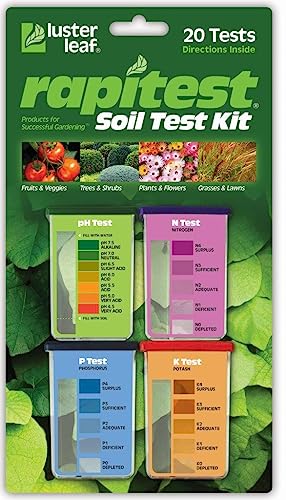
Rapitest Soil Test Kit for Gardens, Vegetables, Flowers and Lawns. USA designed and assembled soil tester completely, quickly and accurately measures/analyzes soil pH acidity and garden nutrients.
Quick, at home results for Soil pH, Nitrogen, Phosphorous and Potash Innovative and inexpensive soil test kit features…
As an affiliate, we earn on qualifying purchases.
As an affiliate, we earn on qualifying purchases.
What Do Your Soil Test Results Mean? Interpreting pH Levels for Plants
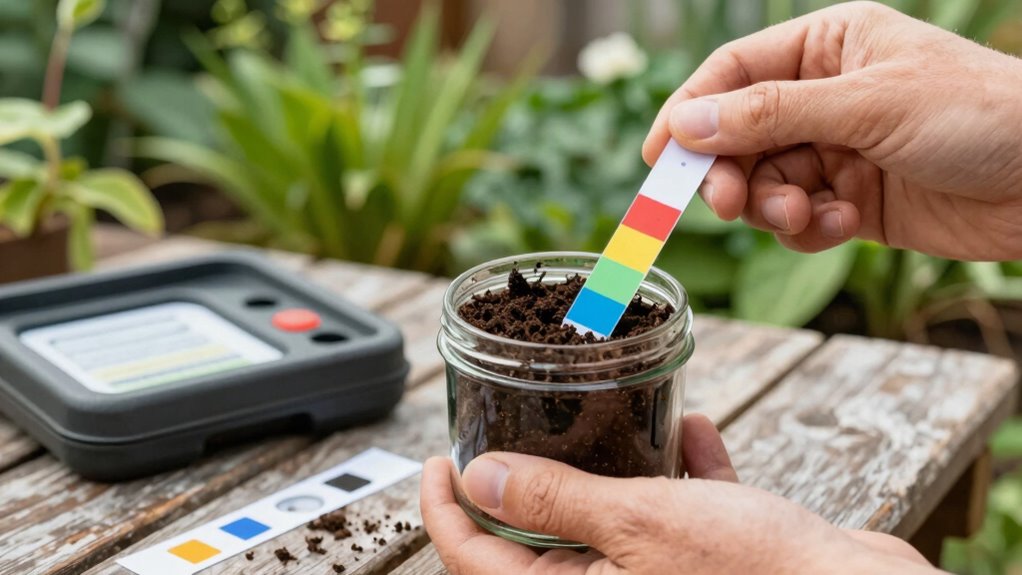
When you receive your soil test results, the pH level indicates whether your soil is acidic, neutral, or alkaline, which directly impacts plant growth. The pH range helps you understand nutrient availability; most plants thrive in a specific pH window. For example, a pH between 6.0 and 7.0 is ideal for many vegetables and flowers, ensuring essential nutrients are accessible. If your soil tests outside this range, certain nutrients may become less available, leading to deficiencies or toxicities. Acidic soils (pH below 6.0) can limit nutrient absorption, while alkaline soils (pH above 7.0) may cause micronutrient shortages. Proper interpretation of your results allows you to make informed decisions about soil management and optimize conditions for healthy plant growth. Additionally, understanding soil pH can help you select appropriate amendments to adjust your soil’s acidity or alkalinity effectively. Being aware of your soil’s pH also enables you to prevent common nutrient imbalances, ensuring your plants receive the right nutrients in proper amounts. Recognizing the importance of soil testing can further enhance your ability to maintain ideal growing conditions.
SONKIR Soil pH Meter, MS02 3-in-1 Soil Moisture/Light/pH Tester Gardening Tool Kits for Plant Care, Great for Garden, Lawn, Farm, Indoor & Outdoor Use (Green)
Kindly NOTE: This soil tester can not be applied to test pH value of any other liquid. If…
As an affiliate, we earn on qualifying purchases.
As an affiliate, we earn on qualifying purchases.
How to Adjust Soil pH for Different Types of Plants
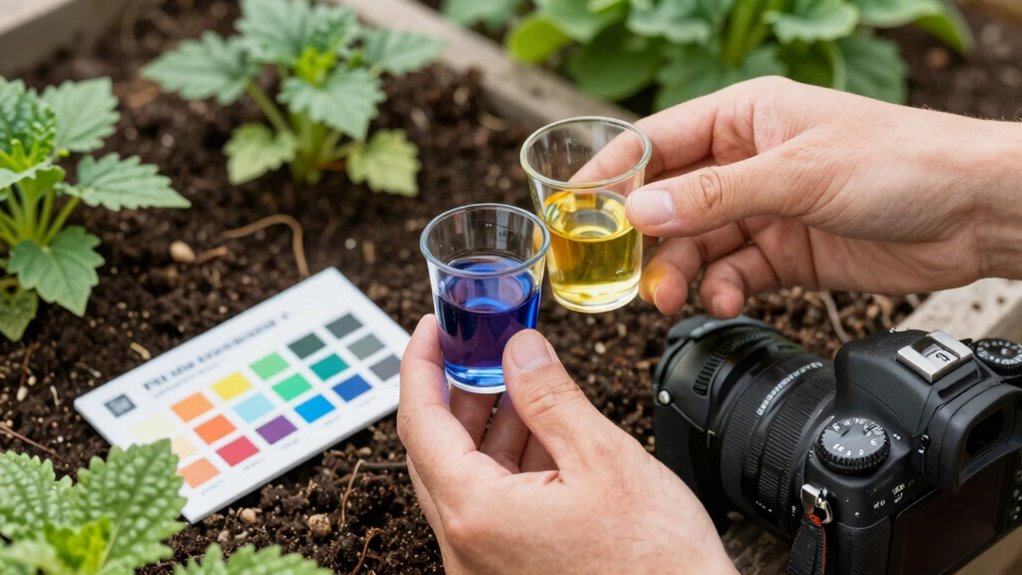
Adjusting your soil pH is essential for ensuring your plants can access the nutrients they need to thrive. To do so, you’ll need to use specific soil amendments for pH balancing, depending on your plants’ requirements. For acidic-loving plants like azaleas, add lime to raise soil pH. Conversely, if your plants prefer acidic soil, such as blueberries, incorporate sulfur or peat moss to lower pH. Consider the following steps:
Adjust soil pH with lime or sulfur for optimal plant health.
- Test soil pH regularly to guide amendments
- Use lime for raising pH
- Add sulfur or organic matter to lower pH
- Mix amendments thoroughly for even pH adjustment
Regular testing helps maintain the correct soil pH level, ensuring your plants receive optimal nutrients. Understanding soil chemistry can help you make more precise adjustments for your garden, especially when considering how different amendments interact with your soil’s chemical composition. Gaining a better understanding of pH can improve your ability to manage soil health effectively, and understanding how soil amendments influence pH levels can lead to healthier plant growth.
Common Mistakes When Testing or Changing Soil pH: and How to Avoid Them
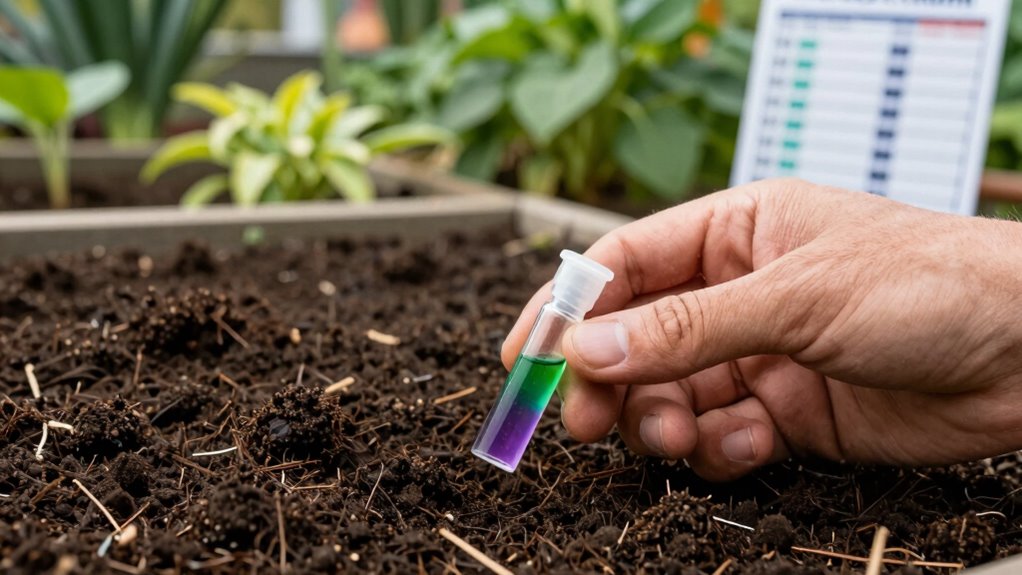
Many gardeners make mistakes that can lead to ineffective pH adjustments or even harm their plants. Common pH testing mistakes include using outdated or improper testing tools, which can give inaccurate readings. Always verify your pH meter is calibrated correctly and use fresh soil samples. Soil amendment errors are also frequent; adding too much lime or sulfur without proper testing can overshoot the desired pH level. Avoid guesswork by testing multiple times and following recommended application rates. Rushing to change soil pH without accurate data can cause more harm than good. Remember, patience and precise testing are key. Proper calibration of testing equipment is essential for accurate results. Additionally, understanding soil buffering capacity helps prevent overcorrection during pH adjustments. Recognizing the importance of soil pH stability can help maintain optimal conditions for your plants’ health. Being aware of soil chemistry factors can further improve your pH management strategies. It’s also helpful to consider soil testing frequency to monitor changes over time and ensure consistent conditions. By avoiding these pH testing mistakes and soil amendment errors, you’ll ensure your plants thrive in the right soil conditions.
Frequently Asked Questions
How Often Should I Test My Soil pH?
You should test your soil pH at least once a year, especially before planting new crops. Regular testing helps you decide when to add soil amendments to balance pH levels. Use simple testing techniques like test kits or pH meters for accurate results. If you notice poor plant growth or yellowing, test more often to catch pH imbalances early and make necessary adjustments to keep your soil healthy and productive.
Can Soil pH Change Naturally Over Time?
Yes, soil pH can change naturally over time due to processes like soil acidification and mineral weathering. As minerals break down and acids form, your soil’s pH may become more acidic or alkaline. These changes happen gradually, so it’s a good idea to test your soil regularly. This way, you can adjust your gardening practices to maintain ideal pH for healthy plant growth.
What Are Natural Methods to Raise or Lower Soil pH?
To naturally raise soil pH, you can apply lime, compost, or wood ash, which neutralize acidity. To lower soil pH, consider adding sulfur amendments, peat moss, or aluminum sulfate, which increase acidity. These methods work by changing the soil’s chemical balance, helping you create ideal conditions for specific plants. Regular testing ensures you maintain the desired pH, making your gardening efforts more successful and sustainable.
Does Soil pH Affect Nutrient Availability for Plants?
Yes, soil pH affects nutrient availability for plants. When the pH is too high or low, it alters nutrient solubility, making essential nutrients less accessible. This impacts plant absorption, leading to deficiencies or toxicities. Maintaining the correct pH guarantees nutrients remain soluble and readily absorbable, promoting healthy growth. Regular testing helps you adjust soil pH and optimize nutrient uptake for thriving plants.
Are There Specific pH Levels Suitable for Vegetable Gardens?
Think of your vegetable garden as a dance floor; the right soil pH keeps your plants moving smoothly. Most vegetables thrive in a slightly acidic to neutral soil, with a pH of 6.0 to 7.0. If your soil leans too acidic or alkaline, you can adjust it with amendments like lime or sulfur. Regular testing helps you maintain ideal soil acidity, ensuring your garden’s nutrients are available and your veggies flourish.
Conclusion
So, next time you *keenly* test your soil pH, remember—your plants might secretly prefer the wrong pH just to keep you on your toes. Adjusting pH isn’t rocket science, but it’s easy to slip up. So go ahead, embrace the challenge, and enjoy the irony: the more you learn about soil pH, the more you realize how little you actually know. Happy gardening—may your pH always be just right!