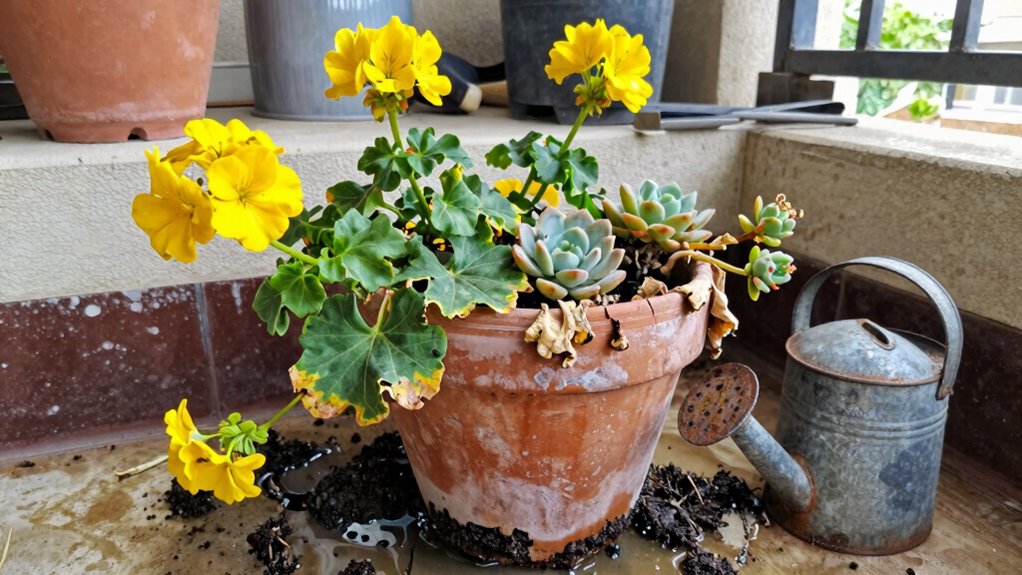

Container gardening fails when you overlook proper watering, drainage, and plant placement. Overwatering causes root rot, so make certain your pots have drainage holes and only water when the top inch feels dry. Choose plants suited to your climate and place them where they’ll get the right light and temperature. Using the correct pot size and soil encourages healthy roots. Proper spacing and pest management prevent disease. Keep these tips in mind, and you’ll increase your gardening success. If you continue, you’ll discover effective strategies to avoid common pitfalls.
Key Takeaways
- Overwatering or poor drainage causes root rot and plant failure.
- Choosing inappropriate plant for climate or placement leads to stress and death.
- Using pots that are too small or made of unsuitable material restricts root growth.
- Neglecting proper fertilization results in nutrient deficiencies and poor health.
- Overcrowding and poor airflow promote disease and inhibit root development.
container gardening drainage pots
As an affiliate, we earn on qualifying purchases.
As an affiliate, we earn on qualifying purchases.
How Can You Prevent Overwatering and Drainage Problems in Container Gardens?
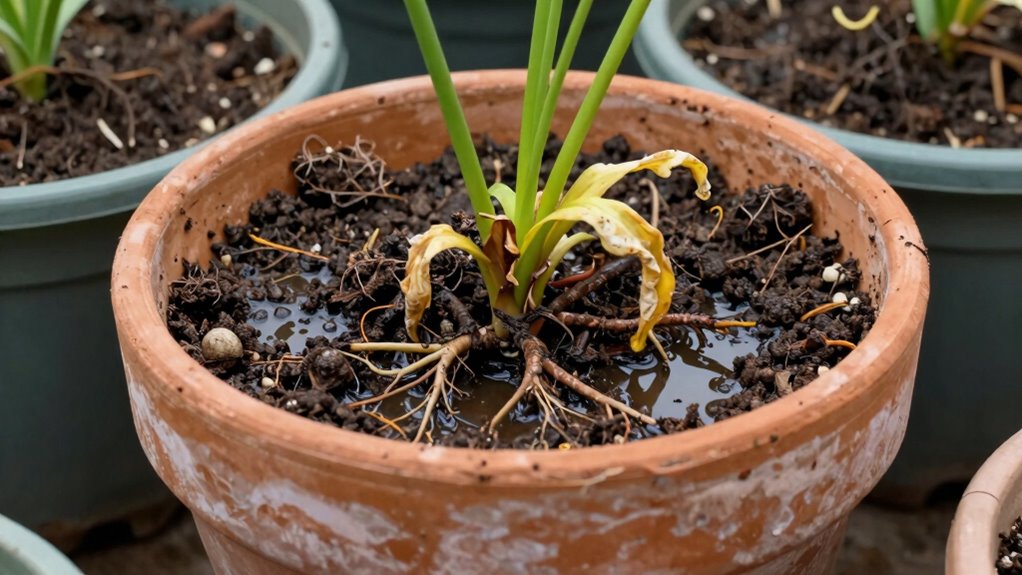
Overwatering is a common mistake that can harm your container garden, but it’s easily preventable with proper drainage. Watering issues often lead to root rot and stressed plants, so ensuring good drainage is essential. Start by selecting pots with drainage holes to allow excess water to escape. Use a well-draining soil mix that prevents water from pooling at the bottom. Avoid overwatering by checking soil moisture before watering; only water when the top inch feels dry. Consider adding a layer of gravel or broken pottery at the bottom of your container to improve drainage solutions. Regularly monitor your plants for signs of overwatering, like yellowing leaves or wilting, and adjust your watering schedule accordingly. Proper drainage is key to keeping your container garden healthy and thriving. Additionally, understanding the importance of appropriate ventilation can help prevent excess humidity and promote healthy root development. Good airflow around your plants also reduces the risk of fungal diseases that can result from overly humid conditions. Incorporating proper container design can further enhance drainage and airflow, creating a more balanced environment for your plants. To optimize your container garden’s health, consider the overall environment, including placement and exposure, which can influence moisture levels and plant vitality.
How Do You Choose the Right Plants for Your Climate and Container?

Choosing the right plants for your climate and container starts with understanding your local weather conditions. You need to assess factors like temperature ranges, humidity, and seasonal changes to guarantee your plant selection matches your environment. Climate compatibility is key to preventing stress and ensuring healthy growth. For instance, if you live in a hot, dry area, opt for drought-tolerant plants that thrive in those conditions. Conversely, if your climate is cooler or more humid, choose plants that tolerate moisture and lower temperatures. Consider the container size and material too, as some plants need more space or specific drainage. Being aware of the horsepower of electric dirt bikes can help you understand the energy needs of certain gardening tools and equipment. Additionally, understanding microclimates within your outdoor space can help you make more precise plant selections and improve overall success. Recognizing local climate zones enables you to select plants that are naturally suited to your environment, reducing the likelihood of failure. Understanding plant hardiness zones further refines your choices, ensuring your plants are adapted to survive seasonal variations. Learning about seasonal weather patterns can also help you plan for extreme conditions and protect your plants accordingly. By matching your plant choices to your climate, you’ll help your container garden flourish and reduce the risk of failure.
Are You Considering Light, Temperature, and Climate When Placing Your Plants?
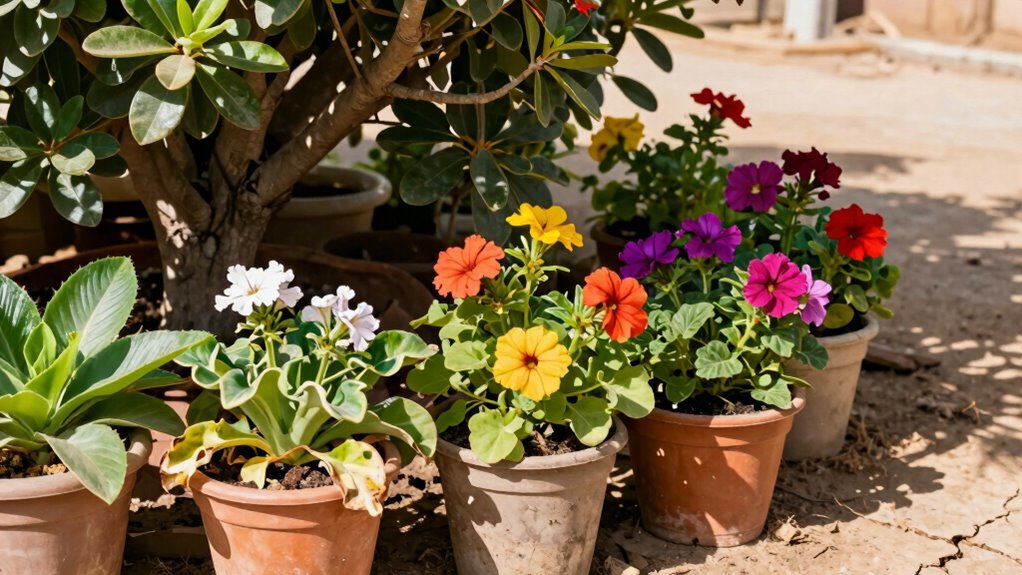
Considering light, temperature, and climate is crucial when placing your plants to guarantee they thrive. Light exposure affects how well your plants grow; some need full sun, while others prefer shade. Pay attention to the amount of sunlight your plants will receive throughout the day, and place them accordingly. Climate considerations also influence plant health—temperatures that are too hot or cold can stress or damage your plants. Ensure your container gardens are positioned to avoid harsh afternoon sun or chilly drafts. If you live in a climate with extreme temperatures, consider moving your pots indoors during extreme weather events. Understanding proper placement and how they impact plant processing can help you optimize your gardening setup. Additionally, being aware of microclimates in your garden can help you select the best spots for your plants, reducing the risk of failure and promoting healthier growth. Proper placement based on light, temperature, and climate helps your plants stay healthy and vibrant, reducing the risk of failure.
What Pot Sizes and Materials Are Best for Healthy Root Growth?

Selecting the right pot size and material is essential for promoting healthy root growth in your container garden. Choose a pot that’s large enough for roots to spread comfortably, typically 1-2 inches wider than the plant’s root ball. Smaller pots can restrict growth and lead to root-bound plants. Opt for materials like terracotta or ceramic, which are porous and help regulate soil moisture, or plastic, which retains water longer. Proper soil selection is vital—use a well-draining mix suited for container plants. This supports healthy roots and prevents waterlogging. Additionally, establish a consistent watering schedule aligned with your pot’s material and size, ensuring roots receive adequate moisture without becoming oversaturated. European cloud innovation offers sustainable solutions that can enhance your gardening setup with energy-efficient technologies. This combination fosters vibrant, healthy root systems and thriving plants. Proper pot choice can also influence the overall success of your container gardening efforts, especially when considering architectural solutions that integrate functional design with aesthetic appeal.
How Often Should You Fertilize Your Container Plants?

Proper fertilization keeps your container plants healthy and vibrant. Establishing a consistent fertilizer schedule ensures they receive essential nutrients without overdoing it. During the active growing season, most plants benefit from feeding every 1 to 2 weeks with a balanced liquid fertilizer. Adjust nutrient timing based on plant type and environmental conditions; for example, flowering plants may need more frequent feeding. Always follow the manufacturer’s instructions to prevent nutrient buildup, which can harm roots. In cooler months or dormant periods, cut back on fertilizing. Remember, over-fertilizing can lead to weak, leggy growth or root issues, so moderation is key. Monitoring your plants’ health will help you refine your fertilizer schedule for ideal growth and flowering. Additionally, understanding plant nutrient requirements can further optimize your fertilization routine, especially when considering soil conditions and how they influence nutrient availability. Regular testing of your soil’s nutrient levels can help you adjust your fertilization plan more precisely. For instance, selecting appropriate fertilizers based on your soil tests can prevent deficiencies and promote optimal growth. Incorporating soil health practices can also improve nutrient uptake and overall plant vitality.
Why Is Overcrowding Bad for Roots: And How Can You Space Your Plants Properly?
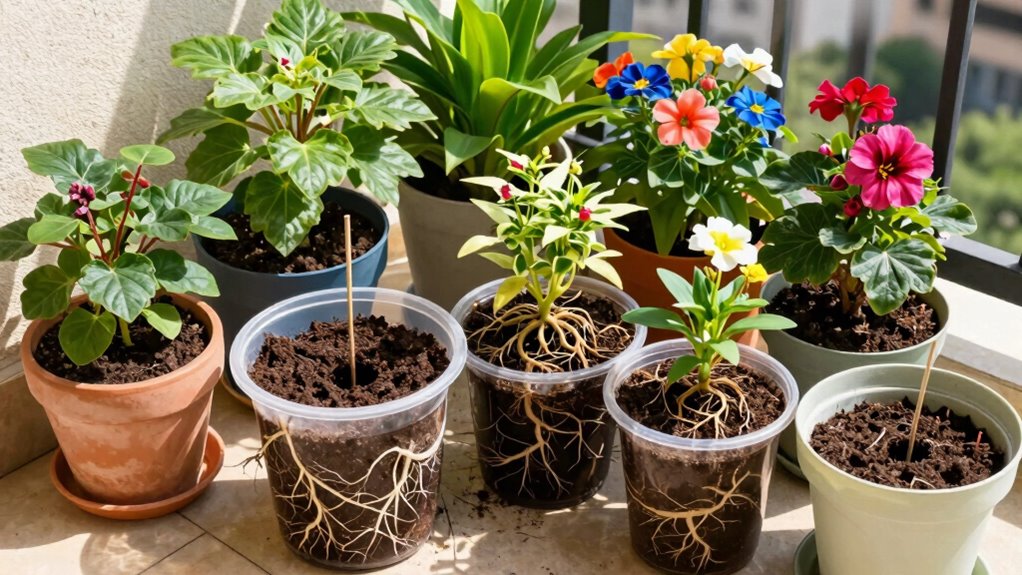
Overcrowding in your containers leads to root competition for space, making it hard for each plant to thrive. When roots are cramped, they struggle to access nutrients, water, and oxygen, which can stunt growth. To prevent this, make sure to space your plants properly, allowing enough room for healthy root development and good airflow. Additionally, understanding the lifecycle and performance metrics of your plants can help you determine the appropriate spacing for optimal growth. Recognizing the growth patterns of different species can further inform your spacing decisions to promote healthy development, especially considering the cultural influences that shape traditional planting practices and container designs. Being aware of plant growth habits can help you tailor your container arrangements to support their natural development and reduce overcrowding. Proper planning and knowledge of plant biology are essential for successful container gardening.
Root Competition for Space
When roots are packed too tightly in a container, they end up competing for limited space and nutrients, which can stunt plant growth and weaken their overall health. Excessive root competition leads to overcrowding, making it harder for each plant to access the resources it needs. Proper space management is essential to prevent roots from becoming entangled and overcrowded. If you plant too many in one pot, roots can choke each other out, reducing water and nutrient uptake. To avoid this, give each plant enough room to grow by choosing appropriately sized containers and spacing plants properly. This guarantees roots have enough space to expand, promotes healthy development, and reduces the risk of disease caused by cramped roots. Good space management keeps your container garden thriving. Additionally, understanding the importance of soil health can help you provide optimal conditions for root growth and overall plant vitality.
Restricted Nutrient Access
If roots are too crowded, they struggle to access essential nutrients and water, which can stunt plant growth and weaken health. Overcrowded pots limit the space for roots to grow and absorb what they need, leading to deficiencies. To improve nutrient access, use soil amendments like compost or slow-release fertilizers that provide balanced nutrients over time. Proper spacing also helps ensure roots aren’t competing for resources. Additionally, adjusting your watering schedule keeps moisture consistent without oversaturating the soil, which can wash away nutrients. Regularly check root growth and repot when necessary, giving each plant enough room to thrive. By managing plant spacing, soil quality, and watering routines, you prevent restricted nutrient access and support healthy, vigorous growth.
Poor Drainage and Airflow
Crowded plants can hinder proper drainage and airflow, leading to waterlogged soil and trapped moisture around roots. When pots are overcrowded, excess soil moisture isn’t able to evaporate quickly, increasing the risk of root rot. Poor air circulation around the plants also fosters fungal diseases and inhibits healthy growth. To avoid these issues, give your plants enough space so air can circulate freely between pots. Use pots with drainage holes to guarantee excess water escapes easily. Proper spacing promotes ideal soil moisture levels—neither too wet nor too dry—and allows roots to breathe. Regularly check your plants and adjust their placement to improve airflow, keeping roots healthy and preventing potential failures caused by poor drainage and air circulation.
How Can You Spot and Address Pests and Diseases Early?

To catch pests and diseases early, keep a close eye on your plants for any unusual spots, holes, or discoloration. If you notice something suspicious, isolate the affected plant to prevent the problem from spreading. Using organic treatments can help address issues safely without harming your other plants.
Recognize Early Symptoms
How can you tell if your plants are starting to suffer from pests or diseases before the problem worsens? Look for early warning signs like water stress, which causes wilting or yellowing leaves, even when watering correctly. Pest signs include tiny holes, sticky residue, or visible insects on foliage. To catch issues early, check your plants regularly and observe for:
- Unusual leaf discoloration or spots that don’t match watering patterns.
- Sticky or fuzzy residue hinting at pests like aphids or spider mites.
- Wilting or drooping leaves despite proper watering, indicating water stress or disease.
Isolate Suspected Plants
When you notice signs of pests or disease on your plants, isolating the affected ones promptly can prevent the problem from spreading. Plant isolation involves relocating suspected plants away from healthy ones to contain pests or diseases. This step is essential for effective pest prevention because it limits contact, reducing the chance of infestation or infection spreading to your entire container garden. During isolation, inspect the plant thoroughly for pests or symptoms of disease, such as discolored leaves or webbing. Keep the isolated plant separate until you can confirm whether it’s affected or not. By acting quickly and isolating suspicious plants, you minimize risks to your garden’s overall health, making it easier to manage pests and prevent larger issues later on.
Use Organic Treatments
Early detection of pests and diseases is crucial for effective management, and using organic treatments offers a safe, eco-friendly way to address these issues. To spot problems early, regularly inspect your plants for discolored leaves, holes, or sticky residues. Once identified, you can:
- Apply compost tea to boost plant health and suppress pests naturally.
- Use organic pesticides, such as neem oil or insecticidal soaps, to target pests without harming beneficial insects.
- Improve airflow and remove infected foliage promptly to prevent disease spread.
These methods help you treat issues effectively while maintaining a healthy, sustainable garden. Consistent monitoring and organic treatments keep your container garden thriving and free from harmful chemicals.
What Seasonal Care and Maintenance Keep Your Container Garden Thriving?
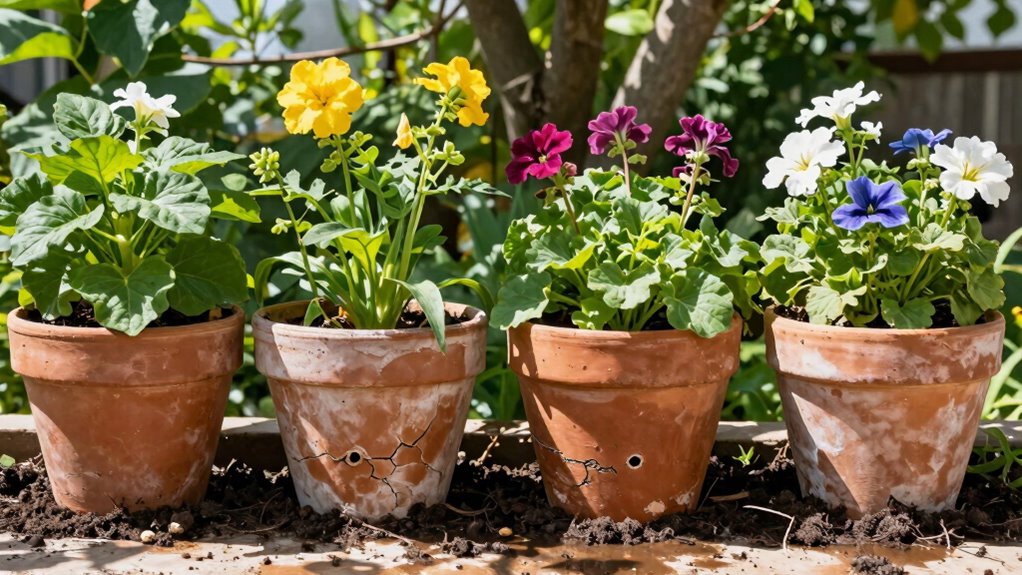
Maintaining a healthy container garden throughout the seasons requires regular care and attention. To keep your plants thriving, perform seasonal pruning to remove dead or damaged growth, encouraging new, healthy blooms. Applying mulch helps retain moisture, regulate soil temperature, and suppress weeds, which is crucial during changing weather.
Consider this emotional connection:
| Season | Key Care Tip | Why It Matters |
|---|---|---|
| Spring | Prune early and mulch deeply | Promotes vigorous growth |
| Summer | Water consistently, mulch again | Prevents stress and dehydration |
| Fall | Prepare with pruning, mulch | Protects roots for winter |
| Winter | Minimal watering, check drainage | Ensures plants survive cold snap |
Frequently Asked Questions
How Do I Prevent Potting Mix From Drying Out Too Quickly?
To prevent potting mix from drying out too quickly, you should establish a consistent watering schedule, ensuring your plants stay moist but not waterlogged. Additionally, applying mulch on top of the soil helps retain moisture, reducing evaporation. Check your containers regularly, especially during hot weather, and water early in the day. These steps keep your plants healthy and avoid the common mistake of letting the soil dry out too fast.
What Are Signs My Container Plants Are Root-Bound?
Think of your plant as a crowded city. Signs you’re root-bound include stunted growth, yellowing leaves, and roots circling the pot’s surface. Container overcrowding hampers water absorption, so watering tips like deep, infrequent watering help. Protect against weather, prune to encourage healthy growth, and choose fertilizers suited for container plants. When roots are tightly packed, consider repotting to give your plant room to thrive and prevent stress.
How Can I Protect My Containers From Extreme Weather?
To protect your containers from extreme weather, start with container insulation by wrapping pots with bubble wrap or burlap to keep roots warm during cold snaps. For wind protection, move your containers to sheltered spots or use screens to block gusts that can topple plants or dry out soil quickly. Regularly check moisture levels and adjust watering accordingly, ensuring your plants stay healthy despite harsh conditions.
Which Fertilizers Are Best for Different Types of Container Plants?
You should choose fertilizers based on your container plants’ specific needs, considering organic versus synthetic options. For best results, apply fertilizer at the right timing, such as during active growth periods. Organic fertilizers, like compost or fish emulsion, enhance soil health, while synthetic ones provide quick nutrients. Always follow package instructions, and adjust your fertilizing schedule based on plant type to promote healthy, thriving container plants.
How Do I Safely Prune and Deadhead in Small Containers?
Think of pruning and deadheading as giving your plants a gentle haircut. To do it safely, use sharp, clean scissors or shears to avoid damaging your plant. Follow pruning techniques like cutting just above a leaf node or healthy growth point. For deadheading tips, remove spent blooms regularly to encourage new growth. Always prune lightly in small containers to prevent stress, and never remove more than a third of the plant at once.
Conclusion
Think of your container garden as a delicate dance—you need to balance water, light, and space to keep it thriving. Avoid common mistakes like overwatering or overcrowding, and pay attention to your plants’ needs throughout the seasons. With a little care and attention, your pots can bloom like a well-tuned orchestra, creating a vibrant, healthy oasis right on your doorstep. Keep learning and adjusting, and your garden will flourish with life.