
TL;DR

Get furniture and decor delivered free — and shop member deals
- Fast, free delivery on millions of items
- Access to Prime Big Deal Days deals on October 6–7
- Prime Video, Amazon Music and more included
A design principle known as the 70-20-10 rule is being credited with transforming inexpensive furniture into stylish, luxurious-looking pieces. The trend is gaining popularity among homeowners and interior designers, though its origins and effectiveness are still under discussion.
A designer’s 70-20-10 rule is rapidly gaining attention for its ability to make cheap furniture look expensive. The approach, which involves applying specific proportions of materials and design elements, is being adopted by homeowners and interior decorators seeking affordable ways to elevate their spaces. While the trend’s popularity is rising, its origins and proven effectiveness remain unconfirmed, making it a noteworthy development in interior design circles.
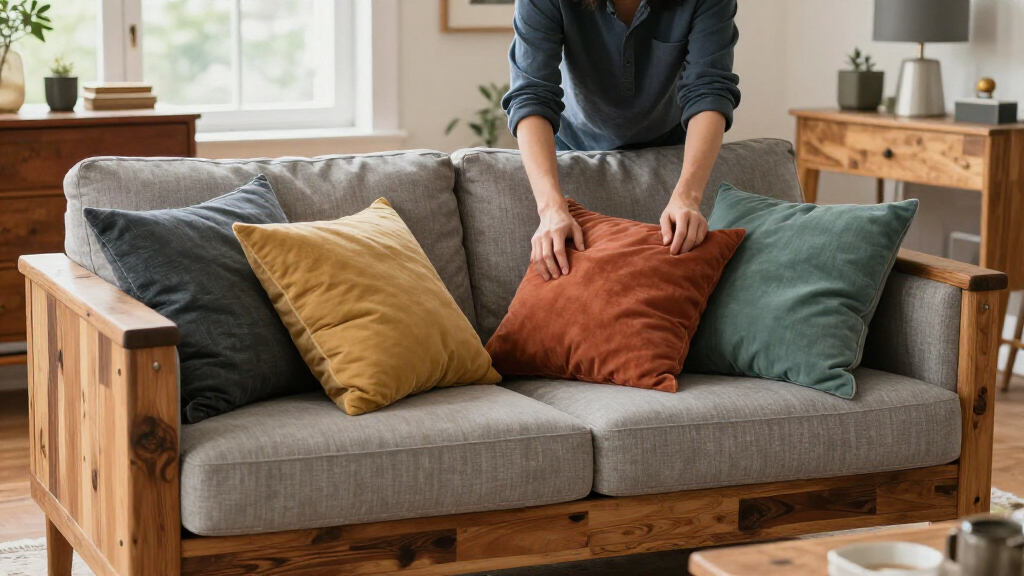
The 70-20-10 rule, originally popularized in color theory and branding, is now being adapted to furniture styling. It suggests that 70% of a design should be composed of dominant, high-quality elements; 20% of secondary, complementary details; and 10% of accent pieces or accessories. Practitioners claim that by carefully balancing these proportions, even inexpensive furniture can achieve a high-end appearance. Although the principle’s application to furniture styling is recent, anecdotal reports indicate users see a noticeable upgrade in visual appeal without significant spending.
Design experts and influencers have begun sharing their experiences online, with some asserting that following the 70-20-10 rule allows for a more balanced and sophisticated look. However, critics caution that the method’s claims are largely anecdotal, and there is limited scientific or industry-wide validation. The trend’s rise coincides with a broader movement toward budget-friendly interior design, driven by economic factors and a desire for stylish homes.
Why the 70-20-10 Rule Could Transform Affordable Home Decor
This trend matters because it offers a practical, accessible strategy for consumers to enhance their living spaces without overspending. If validated, the 70-20-10 rule could democratize high-end aesthetics, allowing more people to achieve stylish interiors on a budget. It also reflects a broader shift in design philosophy toward resourcefulness and intentionality, emphasizing proportion and balance over expensive materials. However, since the approach’s effectiveness is still under discussion, its long-term impact on the furniture and interior design industries remains uncertain.
affordable furniture decor accessories
As an affiliate, we earn on qualifying purchases.
As an affiliate, we earn on qualifying purchases.
Emergence of Budget-Friendly Design Trends in 2023
Interest in affordable interior design has surged in recent years, driven by economic uncertainty and a desire for personalized, stylish homes. The 70-20-10 rule’s recent popularity appears to be a reflection of this broader trend, building on established principles of color and proportion. While the rule’s application to furniture styling is new, it aligns with existing practices of mixing high and low-cost items to create cohesive aesthetics. The trend’s growth is also amplified by social media influencers and DIY communities sharing their success stories.
Limitations and Unverified Claims of the 70-20-10 Approach
While anecdotal reports are positive, there is no scientific or industry validation confirming that the 70-20-10 rule consistently produces high-end-looking furniture. Critics warn that the effectiveness may vary depending on materials, execution, and individual skill. Additionally, it is unclear whether the trend will sustain long-term or remain a passing fad. The origins of the rule’s adaptation to furniture styling are also not well documented, and its broader applicability remains untested.
Monitoring Adoption and Validating Effectiveness
Industry experts and consumers will likely continue experimenting with the 70-20-10 rule, sharing results on social media and in design communities. Researchers or professional organizations may eventually evaluate its efficacy through controlled studies or case analyses. Meanwhile, retailers and interior designers might incorporate the approach into their offerings, further shaping its credibility and reach. Observers will watch whether the trend sustains or fades as more data and feedback emerge.
Key Questions
What exactly is the 70-20-10 rule in furniture styling?
The 70-20-10 rule suggests dividing design elements into proportions: 70% of dominant, high-quality features; 20% of secondary details; and 10% of accents. Applied to furniture, it aims to create a balanced, upscale look using budget pieces.
Is there scientific proof that this rule works?
No, there is currently no scientific validation. Most evidence comes from anecdotal reports and social media sharing, making its effectiveness unconfirmed by industry standards.
Can this rule be applied to all types of furniture?
It is not yet clear whether the 70-20-10 rule works universally. Its success may depend on the specific furniture, materials, and execution, and further testing is needed.
Why is this trend gaining popularity now?
Interest in affordable, stylish home decor has increased in 2023, driven by economic factors and social media influencers promoting budget-friendly design strategies like the 70-20-10 rule.
What are the potential drawbacks of this approach?
Since the method is not scientifically validated, there is a risk that it may not produce the desired high-end look in all cases, and some may find it less effective than expected.
Source: rss
Fall Picks
fall essentials
As an affiliate, we earn on qualifying purchases.