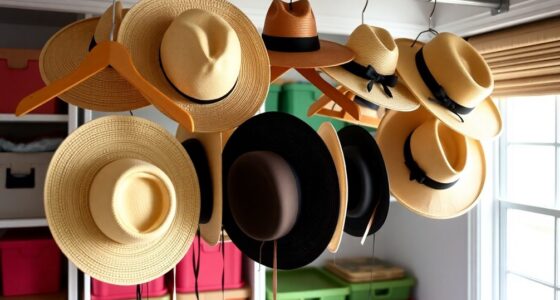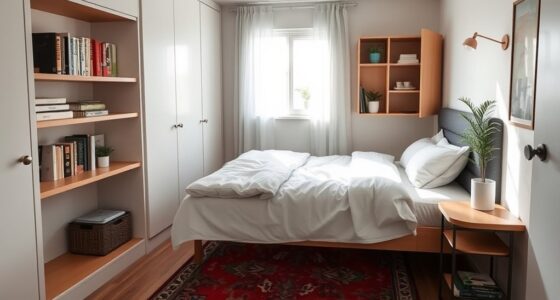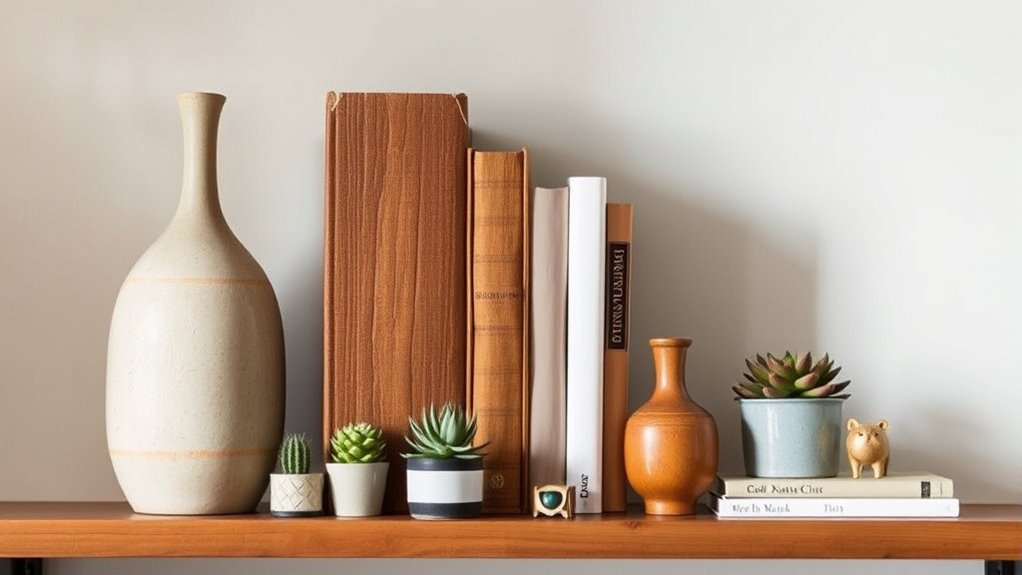

To master shelf styling, focus on balancing visual weight by evenly distributing larger and smaller items, ensuring the display feels harmonious. Manage scale by varying heights and sizes of accessories to create interest and avoid clutter. Incorporate rhythm by repeating colors, shapes, or motifs, which guides the eye smoothly across the shelf. By applying these principles, you’ll create a stylish, cohesive display—stick around to explore how to perfect each element and elevate your shelf decor.
Key Takeaways
- Distribute items evenly to maintain visual balance, pairing larger pieces with smaller accessories.
- Vary the height and shape of decor to create dynamic and harmonious scale.
- Repeat colors, shapes, or motifs to establish rhythm and guide the eye smoothly.
- Use strategic placement of accessories to achieve a cohesive and lively visual flow.
- Limit accessories to a few key pieces to prevent clutter and enhance overall style.
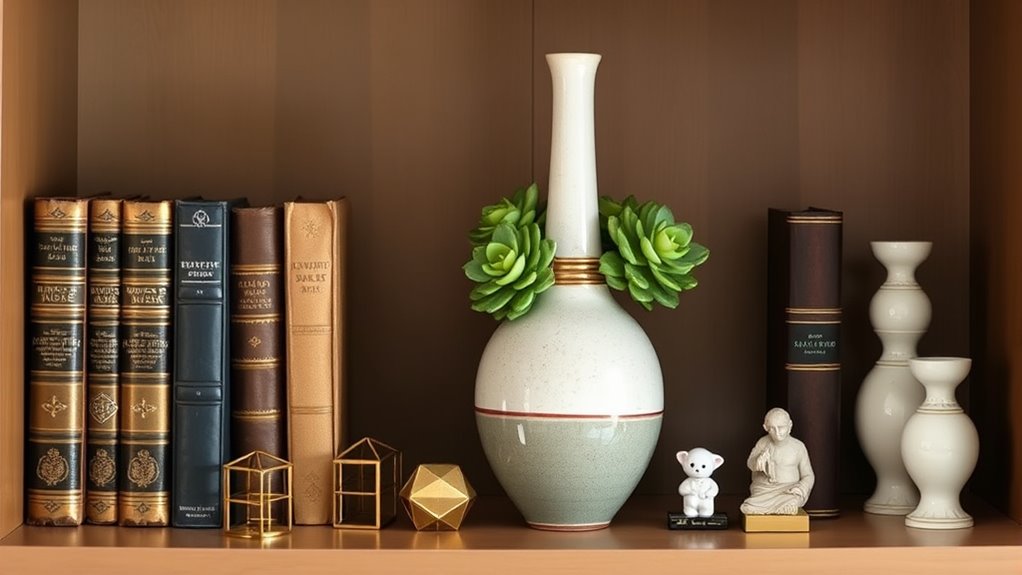
When it comes to transforming a plain shelf into a stylish focal point, understanding the basics of shelf styling is vital. The foundation of a well-styled shelf lies in carefully selecting decorative accessories that complement each other and the room’s overall aesthetic. You want your accessories to add personality without creating clutter. Start by choosing a few statement pieces—think decorative vases, framed photos, or unique sculptures—that draw attention and set the tone. Incorporate accessories of varying heights and shapes to create visual interest. Remember, less is often more; a cluttered shelf can feel chaotic, while thoughtfully curated items make a strong impact.
Carefully select statement accessories to add personality without clutter, creating visual interest and setting the perfect tone.
Color coordination plays a fundamental role in achieving a cohesive look. When selecting decorative accessories, consider the color palette of the room or the shelf’s backdrop. Harmonizing colors creates a unified appearance and prevents the display from feeling disjointed. You don’t need everything to match perfectly, but balancing tones can elevate the overall aesthetic. For example, if your room features neutral tones, add accessories in accent colors like deep blues or warm terracotta to introduce depth. Conversely, if your decor is already vibrant, opt for accessories in subdued shades to avoid overwhelming the space. Use color to highlight focal points or to create a pleasing flow from one shelf to another.
Balance is key in shelf styling. Distribute visual weight evenly by placing larger or more eye-catching items on one side and balancing them with smaller, complementary pieces on the other. You can achieve this through strategic placement—pair a tall vase with a low, wide bowl or cluster smaller accessories together to create a sense of harmony. Keep in mind that symmetry isn’t mandatory; asymmetrical arrangements can feel more dynamic if they’re thoughtfully balanced. The idea is to avoid lopsided displays that draw too much attention to one side or appear unintentional.
Finally, rhythm in shelf styling ensures your display feels lively yet cohesive. Repetition of certain elements—like recurring shapes, colors, or decorative motifs—guides the eye smoothly across the shelf. For instance, repeating a specific color in different accessories or alternating between tall and short objects creates a pleasing visual flow. This rhythm not only keeps the display interesting but also ties the entire shelf together as a unified piece of decor. Incorporating decorative accessories that follow a consistent theme or pattern can further enhance this rhythm. When you combine these principles—decorative accessories, color coordination, balance, and rhythm—you’ll craft a shelf that’s both functional and stylish, transforming an ordinary space into a curated focal point.
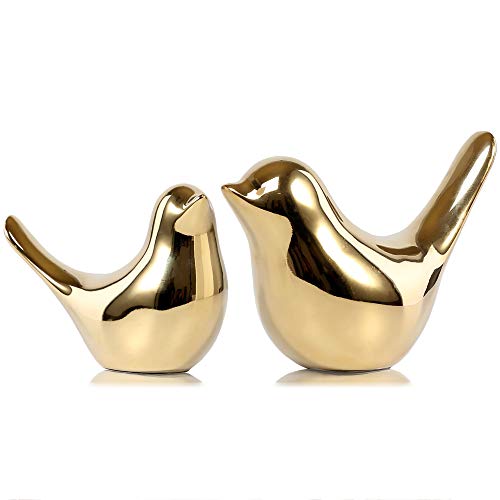
FANTESTICRYAN Small Birds Statues Gold Home Decor Modern Style Figurine Decorative Ornaments for Living Room, Bedroom, Office Desktop, Cabinets
FANTESTICRYAN Small Golden Blessing Birds Statue Brings Us Peace and Love.
As an affiliate, we earn on qualifying purchases.
As an affiliate, we earn on qualifying purchases.
Frequently Asked Questions
How Do I Choose the Right Shelf for My Space?
To choose the right shelf for your space, consider your room’s style and purpose. Opt for shelf materials that complement your decor—wood for warmth, metal for modern looks. Measure your area to guarantee proper scale and avoid overcrowding. Use decorative accessories to personalize the shelves, but keep balance in mind. Select a shelf that fits your space comfortably and allows for functional storage without sacrificing style.
What Are Common Mistakes to Avoid in Shelf Styling?
To avoid common shelf styling mistakes, you should prevent clutter by limiting items and organizing them thoughtfully. Don’t overcrowd your shelves, which hampers visual flow and makes the space feel chaotic. Instead, aim for a balanced mix of objects with varying heights and shapes. Keep a consistent style or color scheme, and regularly refresh your display to maintain harmony and prevent clutter from accumulating.
How Can I Incorporate Personal Items Without Cluttering?
To incorporate personal items without cluttering, focus on thoughtful curation. Select a few meaningful pieces that complement your shelf’s style and scale, and arrange them with intentional spacing. Use varying heights and textures to create visual interest while maintaining balance. Regularly reassess your display to prevent excess, ensuring clutter prevention. This way, your personal items add charm without overwhelming the space.
What Tools or Materials Are Recommended for Styling Shelves?
Imagine transforming your shelves into stunning displays with the right tools. You’ll want decorative accessories like vases, picture frames, and small sculptures to add personality. Organizational tools such as baskets and trays help keep clutter at bay while enhancing style. Use clear acrylic risers or bookends to create height variation, and consider aesthetic storage containers to blend function with beauty. These items make your shelves both practical and visually appealing.
How Often Should I Update or Refresh My Shelf Displays?
You should update your shelf displays every few months, especially to incorporate seasonal updates. This styling frequency keeps your shelves fresh and engaging, reflecting holidays or changing decor trends. Observe how your current setup feels—if it looks dull or cluttered, it’s time for a refresh. Regularly updating your shelves not only enhances your space but also keeps your styling skills sharp and your environment lively.
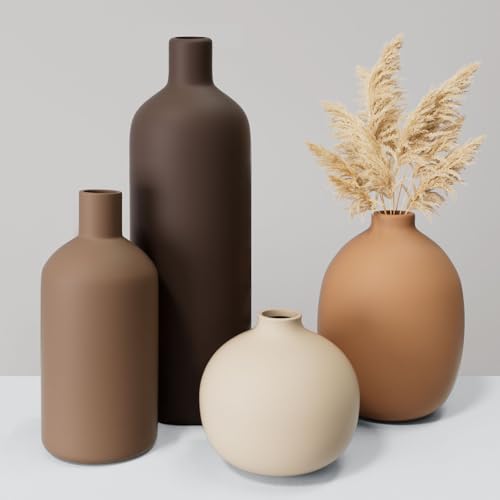
Tvzouo Ceramic Vase Set of 4, Decorative Neutral Modern Flower Vases for Home Decor, Living Room, Shelf Decor, Bookshelf, Kitchen, Centerpiece, Table, Bedroom, Office, Farmhouse
Modern Design for Versatile Home Decor: Crafted with matte texture and minimalist silhouette, this ceramic vase set brings…
As an affiliate, we earn on qualifying purchases.
As an affiliate, we earn on qualifying purchases.
Conclusion
Mastering shelf styling isn’t just about arranging objects; it’s about creating harmony that feels natural. Some believe that balancing objects with varying heights and textures naturally guides the eye, but science shows our brains actually crave order and rhythm. So, trust your instincts and experiment—your shelves will become more than decor; they’ll tell a story. When you find that perfect balance, you’ll see how beautifully intentional styling transforms your space.

Abstract Gold Thinker Statue – Handcrafted Resin Sculpture, Modern Office Desk Home Decor for Bookshelf Coffee Table Living Room Dorm, Mother's Day Birthday Spring Gift for Men Women Art Collector
【Complete Set with Signature Knit Hat】This statue comes as a complete set, featuring a unique, hand-knit hat that…
As an affiliate, we earn on qualifying purchases.
As an affiliate, we earn on qualifying purchases.

WALI Computer Monitor Stand for Desk, Adjustable Laptop Riser, Desk Monitor Stand Underneath Storage for Office, Home, School Supplies (STT003), 1 Pack, Black
Design: The monitor stand for the desk has a large 14.6 x 9.3 inches metal shelf that fits…
As an affiliate, we earn on qualifying purchases.
As an affiliate, we earn on qualifying purchases.