
TL;DR

Get furniture and decor delivered free with Prime
- Fast, free delivery on millions of items
- Prime Video, Amazon Music and more included
- Member-only deals all year
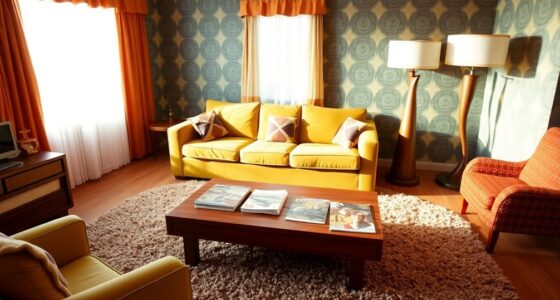
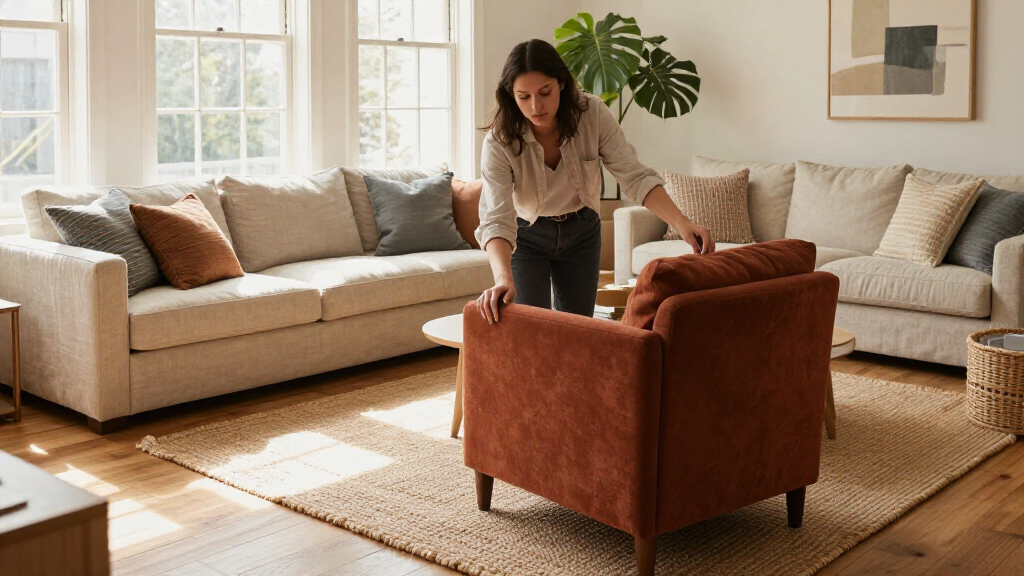
Ideal Home asked seven interior experts how to make open-plan living rooms feel cosier and reported six recurring design approaches. Their suggestions include warmer, lower lighting, colour zoning, enclosing the seating area with furniture, and adding soft furnishings and a rug.
Ideal Home has published six expert-backed suggestions for making an open-plan living room feel cosier, drawing on advice from seven interior professionals. The recommendations focus on creating visual boundaries and adding warmth through colour, lighting, furniture, fabrics and rugs, rather than changing the room’s layout with permanent walls.
The report addresses a common design challenge: open-plan spaces can feel light and sociable, but the absence of enclosed walls may leave the living area feeling undefined. Monika Puccio, director of buying at Sofa Club, said furniture can seem to “float” in a large room when there is not enough definition. Mara Rypacek Miller, founder of Industville, also pointed to the lack of natural boundaries between areas.
Among the six ideas, experts recommend using dark or warm paint to make a large space feel more intimate, or applying a deeper shade only to the living zone. They also advise using warm-toned, lower-level lighting, including table and floor lamps, rather than relying solely on bright overhead lights. These changes can help mark out the lounge without installing a physical divider.
The remaining suggestions centre on the seating area: choose a corner sofa to create a more enclosed arrangement, layer cushions and throws over comfortable upholstery, and place a plush rug beneath the living room furniture. The report presents the six as design options, not as a tested ranking or a guarantee that every room will feel warmer.
Designing a Cosier Seating Zone
The advice matters to homeowners and renters who want an open layout’s shared, spacious feel without making the lounge seem exposed or indistinct. The ideas focus on visual zoning: a seating group, rug, lighting and colour can signal that one part of a larger room is intended for relaxing.
Several recommendations are relatively easy to adapt, such as adding lamps, textiles or a rug. Painting walls or rearranging larger furniture may involve more cost or effort, and the report does not assess specific budgets, room sizes or accessibility needs. Readers will need to judge which changes suit their space and how it is used.
Products Worth Considering

Blueair Blue Pure 211i Max Smart Air Purifier for Large Rooms

Samsung 42-Inch S90H OLED 4K Smart TV Bundle

Sonos Era 100 SL Compact Microphone-Free Speaker, Black
As an affiliate, we earn on qualifying purchases.
Why Open Layouts Feel Less Enclosed
The report describes open-plan living rooms as increasingly common and sought-after, while noting that their openness can make a lounge feel less naturally enclosed than a room with four walls. The design challenge is to preserve the sense of space while giving the living area a distinct identity.
Ideal Home’s article draws on comments from seven experts, including representatives of Sofa Club, Industville, King Living, Barker and Stonehouse, Sofa.com and Sofology. The supplied source frames the recommendations as expert design guidance; it does not provide survey data on how common the issue is or evidence comparing the effectiveness of each tip.
““The biggest issue is often a lack of definition.””
— Monika Puccio, director of buying at Sofa Club
Which Changes Suit Each Room
The supplied report does not identify a single approach as best for every home, nor does it provide comparative testing, cost estimates or detailed guidance for particular room dimensions. The impact of darker paint, a corner sofa or layered lighting will depend on the room’s existing light, layout and furnishings.
The source also does not include the full wording of its discussion of the rug recommendation. It identifies a plush rug as a way to reinforce zoning and add softness, but further detail about placement or sizing is not available in the supplied material. No follow-up study or measured outcome is cited.
Applying the Six Design Ideas
The report offers readers a set of options to adapt rather than announcing a product launch, policy change or scheduled next event. A practical starting point is to identify what feels undefined, then decide whether a rug, seating arrangement, lighting adjustment, soft furnishings or colour change best addresses it.
Any further advice or evidence about costs, room-specific results and the effectiveness of these approaches would depend on additional reporting; none is specified in the supplied source.
Key Questions
What are the six ways to make an open-plan living room cosier?
The report recommends darker paint, warm low-level lighting, colour zoning, a corner sofa, layered soft furnishings and a plush rug.
Do you need to build a wall to define the living area?
No. The experts describe ways to create visual boundaries with colour, furniture, lighting and rugs, without installing a permanent divider.
What kind of lighting do the experts recommend?
They suggest using warm-toned light and lowering the lighting level, with table and floor lamps helping define the seating area instead of relying only on overhead lighting.
Does the report say one of the six tips works best?
No. The supplied article presents six expert suggestions but does not rank them or provide comparative tests. The right choice may depend on the room’s layout, natural light and existing furnishings.
Source: rss