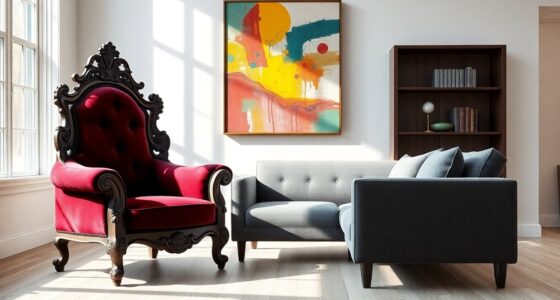
If your room feels “off,” it’s likely a scale problem. You should check if furniture sizes match your space—big furniture in small rooms or tiny pieces in large areas can distort perception. Balancing visual weight by adjusting furniture placement, choosing appropriately sized items, and adding accessories can fix this quickly. Paying attention to proportions creates harmony and comfort. Keep exploring for more tips to transform your space into a balanced, inviting environment.
Key Takeaways
- Assess furniture sizes relative to your room to ensure proper proportional harmony.
- Measure room dimensions and furniture to identify scale mismatches and adjust accordingly.
- Balance large and small items throughout the space to create visual weight and harmony.
- Use color, lighting, and accessories to soften oversized pieces and improve spatial perception.
- Rearrange furniture to evenly distribute visual weight and establish a cohesive, inviting environment.

SUAWY 108 Inch Sectional Sleeper Sofa with Pull Out Bed, U Shaped 7 Seat Modular Sectional Sofa with Storage, Sectional Couches for Living Room, Cloud Modular Couch,Removable Sofa Cover, Dark Grey
Multiple Package Issues: Multiple package may not arrive at the same time. If you have any questions about...
As an affiliate, we earn on qualifying purchases.
Why Does Your Room Feel Off? The Role of Scale and Balance

If your room feels uncomfortable or out of sync, it’s often because of issues with scale and balance. Proportional harmony is key to creating a space that feels right to you. When furniture and decor are mismatched in size, your spatial perception becomes distorted, making the room seem off. Large pieces in a small room can feel overwhelming, while tiny furniture in a spacious room can seem awkward. Achieving proper scale helps your eye flow naturally across the space, creating a sense of order and comfort. Balance in size and placement ensures your room feels cohesive and inviting. When everything is proportionate, your brain perceives the space as harmonious, reducing feelings of discomfort or disorientation. Proper scale is essential for a well-balanced room that feels just right. Additionally, understanding projector placement and size can further enhance the visual harmony within your space. Incorporating European cloud server solutions can also contribute to creating a seamless, efficient environment that supports your overall design goals. Paying attention to small appliance efficiency can help optimize your space’s functionality and comfort. Recognizing the importance of interior design principles can guide you in selecting the right proportions to achieve a balanced look.

Merax Modern TV Stand Set w/Adjustable Bridge, Storage Media Console & Wall Units - Minimalist Entertainment Center for Living Room, White
CUSTOMIZABLE LAYOUT: Overhead bridge mounts to cabinets or wall separately for variable heights (match any TV setup)
As an affiliate, we earn on qualifying purchases.
How Can You Tell If Your Space Has Scale Problems? Signs to Watch For

Recognizing scale problems in your room starts with paying attention to how the furniture and decor relate to each other and to the space itself. If items feel out of place—either too large or too small—it affects your space perception. Look for signs like furniture that dominates the room or feels hidden. Cluttered corners or overly sparse areas can also signal scale issues. To help identify these problems, consider this comparison:
| Sign to Watch For | What It Means |
|---|---|
| Overwhelming furniture | Proportion adjustments needed |
| Items look tiny or lost in space | Scale is off, needs balancing |
| Narrow walkways or cramped feeling | Space perception is skewed |
| Excessive empty space | Furniture too large or too small |
These signs point to scale issues that, once identified, can be corrected for better harmony. Additionally, paying attention to the natural proportions of your furniture and decor can help you achieve a more balanced and visually appealing space.
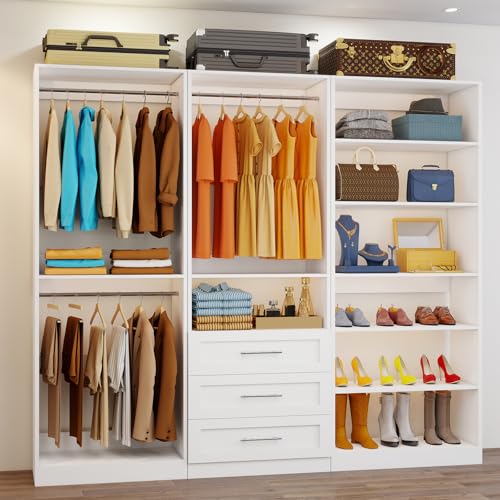
Closet System of 3 Sets, 6-15FT Closet Organizer System Wood with 3 Drawers & 7 Shelves, Walk in Closet Organizer Shelving System with 6 Hanging Rods, Modular Closet System Kits Adjustable, White
【Flexible 6FT Closet System—Tailored Fit for Any Space】Built with convenient mobility in mind, this 3-piece custom modular closet...
As an affiliate, we earn on qualifying purchases.
How Do You Measure Your Room’s Proportions? A Step-by-Step Guide
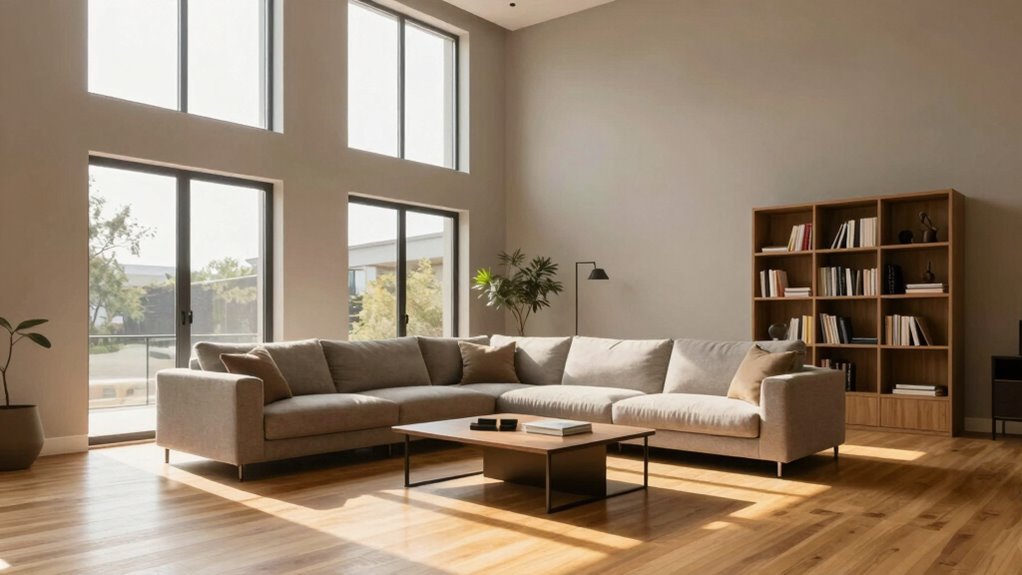
Start by gathering the right measurement tools, like a tape measure or laser distance meter. Then, record each dimension carefully and note down the data for reference. To ensure accurate analysis, consider the science of proportions and how it impacts your space’s harmony. Understanding visual weight can also help you judge whether parts of your room feel balanced or off. Additionally, exploring spatial relationships can provide deeper insights into how different elements interact within your room. Learning about scale and proportion can further enhance your ability to evaluate your space effectively. Finally, analyze your measurements to understand your room’s proportions and identify any scale issues.
Gather Measurement Tools
To accurately measure your room’s proportions, gathering the right tools is essential. You’ll need a measuring tape or laser ruler for precise dimensions, a notebook or digital device to record measurements, and a level to verify walls and surfaces are straight. A tape measure helps determine the length and width, which influence the overall scale. Keep in mind that your room’s proportions affect how decorative accents and color schemes look and feel. Clear measurements ensure your furniture, art, and accessories fit harmoniously, avoiding awkward spaces or crowded corners. A sturdy tape measure makes this process quick and accurate. Having these tools ready streamlines your measurement process, helping you create a balanced space that feels right, not off. Understanding room proportions can help you make better decorating decisions.
Record and Analyze Data
Ever wondered how to turn your measurements into useful insights? First, record your room’s dimensions—length, width, and height—and note existing features like windows or doors. Next, analyze how these proportions relate to popular decorating trends and color schemes to create harmony. To help, consider this table:
| Aspect | Measurement | Purpose |
|---|---|---|
| Room Dimensions | 12x10x8 ft | Determine scale consistency |
| Wall Space | 120 sq ft | Plan furniture placement |
| Window Size | 4×5 ft | Balance natural light |
| Ceiling Height | 8 ft | Choose appropriate decor |
| Overall Ratios | 1.5:1.3:1 | Ensure proportional harmony |
Recording and analyzing data like this helps you identify scale issues and select decor that aligns with current trends and color schemes.

Vomavex Closet System with 4 sets, 101.9" Closet Organizer Systems with 6 Drawers & 8 Hanging Rods & Adjustable Shelves, Walk in Closet Standing Closet System, Corner Closet System Set, White
【 4-in-1 Closet System, Custom/DIY as you like】- This Closet System sets includes 4 Separate closet Units: One...
As an affiliate, we earn on qualifying purchases.
What Furniture Sizes Work Best for Your Room? Choosing the Right Fit
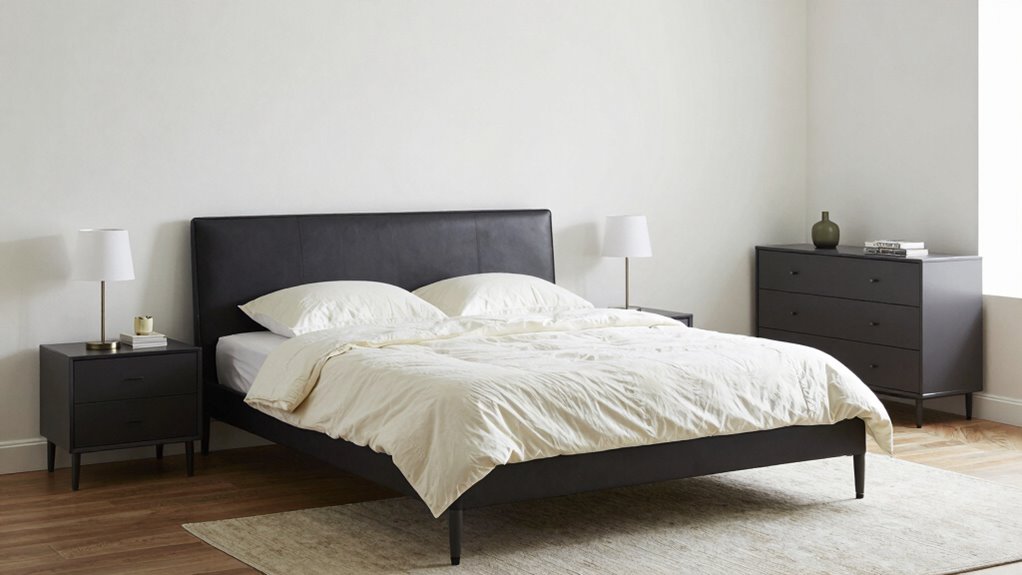
Choosing the right furniture size depends on your room’s dimensions and how you want to use the space. You need a balance between functionality and visual weight so the room feels comfortable and proportionate. Paying attention to scale and distribution helps create harmony and prevents furniture from overwhelming or underwhelming the room. Ensuring proper interior proportion is key to achieving a cohesive and inviting environment. Additionally, considering furniture placement can enhance the overall room balance and flow, making your space feel more harmonious. Incorporating sound healing science principles, such as choosing calming colors and materials, can further promote a peaceful atmosphere in your space. Being mindful of mechanic shops for fuel injection cleaning can also ensure your vehicle runs smoothly, just as selecting appropriately scaled furniture ensures a harmonious home environment. Understanding dog breed traits can also influence furniture choices when designing a pet-friendly environment that accommodates your dog comfortably.
Room Size and Scale
Finding the right furniture size for your room is essential to creating a balanced and comfortable space. When furniture is too large or small, proportion problems arise, disrupting the aesthetic balance. To avoid this, consider your room’s dimensions carefully. Larger rooms can handle oversized pieces, while smaller rooms benefit from scaled-down furniture that complements the space without overwhelming it. Use this guide to match furniture sizes to your room:
| Room Size | Ideal Furniture Scale |
|---|---|
| Small (under 120 sq ft) | Compact, multi-functional pieces |
| Medium (120-300 sq ft) | Moderate-sized furniture with clear proportions |
| Large (over 300 sq ft) | Statement pieces and oversized furniture |
Matching furniture to your room’s size ensures a harmonious, proportionate environment. Considering scale and proportion can significantly enhance the overall aesthetic and comfort of your space. Additionally, being mindful of cybersecurity can help protect your home digital devices from potential threats. For example, understanding how zodiac traits influence personal preferences can also help in choosing furniture styles that resonate with your personality.
Furniture Functionality Balance
Selecting furniture that balances functionality with your room’s size can prevent clutter and enhance usability. When choosing pieces, prioritize size and purpose to match your decorating style and color scheme. For example, sleek, multi-functional furniture suits modern or minimalist styles, while larger, ornate pieces fit traditional looks. Avoid oversized furniture that dominates the space or tiny pieces that seem out of place. Instead, opt for appropriately scaled items that support your daily activities without overwhelming the room. Consider how your furniture’s shape and proportion work with your overall design theme and color palette. Well-chosen, properly sized furniture creates a harmonious flow, making your space feel balanced and inviting rather than crowded or empty. Additionally, selecting Suprem fabric for your upholstery can add durability and eco-friendliness, ensuring your furniture remains attractive and sustainable over time. Recognizing the importance of furniture sizing can help you make more informed choices that contribute to a cohesive and comfortable environment, especially when considering training space ergonomics. Properly scaled furniture not only improves aesthetics but also enhances comfort, making your room more functional and enjoyable.
Visual Weight Distribution
If your room feels off-balance, it’s often because the visual weight of your furniture isn’t distributed properly. Proportion discrepancies can create a visual imbalance, making the space feel awkward or cluttered. To fix this, choose furniture that fits the scale of your room—avoid oversized pieces in small rooms or tiny furniture in large spaces. Mix different sizes thoughtfully: pair a large sofa with smaller side tables or chairs, balancing the visual load. Ensure that heavier or darker pieces aren’t clustered in one area, which can throw off the harmony. Paying attention to visual weight distribution helps you create a balanced and harmonious environment. By paying attention to proportion and spacing, you guide the eye naturally across the room, creating a sense of balance and order. Proper visual weight distribution makes your space feel cohesive, comfortable, and visually appealing.
How Can Using Large and Small Items Create Visual Harmony? Tips and Tricks

Balancing large and small items in your room can considerably enhance visual harmony. Artistic contrast between oversized furniture and petite accessories draws the eye and creates focal points, making your space feel intentional and lively. Incorporate spatial variety by placing small items near larger pieces; for example, a small sculpture on a big table adds depth and interest. Mixing different scales prevents your room from feeling monotonous or cluttered. Keep in mind that small items can soften the dominance of large furniture, while large pieces anchor the space. Use a mix of scales thoughtfully, ensuring no element overwhelms another. This balance helps your room appear cohesive, inviting, and well-designed without feeling chaotic.
How Should You Arrange Your Furniture for Better Room Balance? Practical Layout Tips

Arranging your furniture thoughtfully is key to achieving better room balance and a harmonious space. To enhance this, consider these practical tips:
- Create zones with furniture placement to define functional areas, balancing large and small pieces.
- Use color contrast in your furniture and accessories to add visual interest and prevent a monotonous look.
- Optimize lighting schemes by positioning furniture to maximize natural light and incorporate layered lighting for warmth.
- Maintain symmetry or deliberate asymmetry, ensuring pieces are proportionate to the room’s scale for harmony.
What Common Mistakes Mess Up Your Room’s Scale : and How to Avoid Them
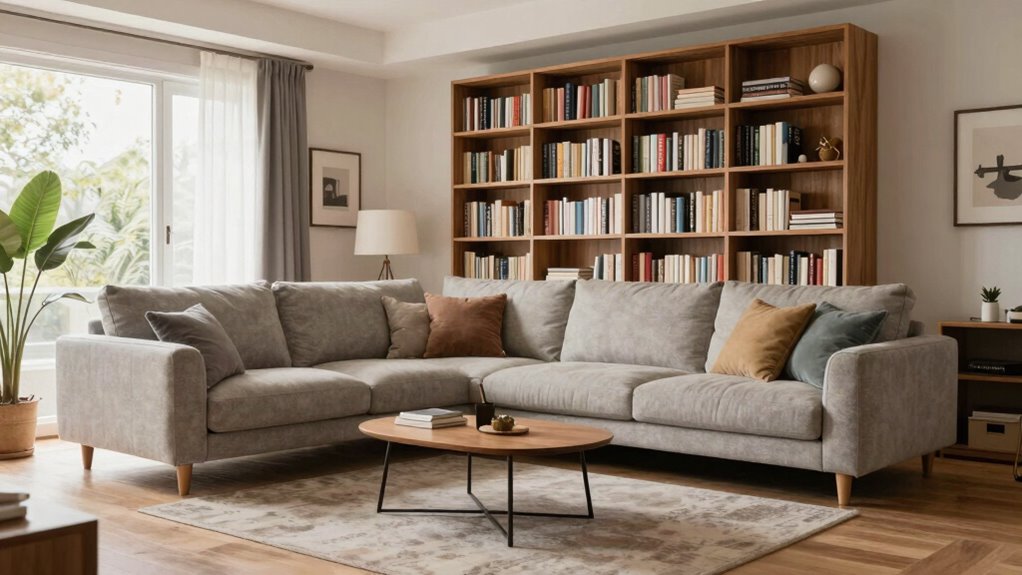
One of the most common mistakes that throws off your room’s scale is choosing furniture that’s either too large or too small for the space. When furniture doesn’t match the room’s size, it can feel awkward and unbalanced. Avoid this by paying attention to color coordination; using colors that blend well can make pieces seem proportionate. Poor lighting effects also distort scale—dim or uneven lighting can make furniture appear larger or smaller than it truly is. Be mindful of how your lighting highlights or shadows different areas. To fix scale issues, select furniture that complements your room’s dimensions, and use consistent color schemes and strategic lighting to create harmony. Additionally, understanding the principles of visual harmony can guide you in creating a balanced space. These simple adjustments help your space feel more balanced and visually appealing.
How Can You Fix Scale Issues Quickly Without Major Changes? Simple Solutions

If you want to fix scale issues quickly without tearing down your entire room, simple adjustments can make a big difference. First, experiment with color coordination—using lighter shades for larger pieces can help them feel less overwhelming. Second, adjust your lighting to create depth; strategic lighting highlights proportions and softens harsh contrasts. Third, rearrange furniture to balance the visual weight, ensuring no single piece dominates the space. Fourth, add accessories or artwork to break up large surfaces, creating visual interest that enhances scale harmony. These quick fixes require minimal effort but can drastically improve your room’s feel. Focus on color coordination and lighting adjustments to subtly recalibrate the space, making it more comfortable and visually pleasing without major renovations.
When Should You Consult a Professional for Room Design and Scale? Knowing When to Seek Help

Knowing when to seek professional help for your room design and scale can save you time, money, and frustration. If you’ve tried DIY fixes but still feel your space is “off,” it’s time for expert consultation. Consider consulting a professional if your room feels unbalanced despite adjustments, or if furniture placement feels awkward. You might also need guidance if your room’s scale makes it uncomfortable or unusable. Proper ventilation considerations are essential, and an expert can ensure your space meets safety and comfort standards. Additionally, an experienced designer can assess room proportions to create a cohesive layout tailored to your needs. Here’s a quick comparison:
| Situation | When to Seek Help | Benefits |
|---|---|---|
| Persistent scale issues | After trying simple fixes | Accurate assessment and tailored solutions |
| Limited design experience | Unsure about proportions or layout | Professional guidance ensures harmony |
| Complex space or unusual room shape | When DIY feels overwhelming | Expert consultation simplifies process |
In these cases, an expert can help you achieve a balanced, functional space.
Frequently Asked Questions
Can Using Color Help Improve Room Scale Perception?
Yes, using color can help improve room scale perception. Color psychology shows that bold or contrasting colors create visual contrast, making space feel larger or more defined. By painting walls with lighter shades or adding accent colors with strong contrast, you can enhance depth and dimension. This visual contrast tricks your eyes into perceiving more space, making your room feel bigger and better scaled without major renovations.
How Do Ceiling Height and Window Size Affect Room Scale?
Ceiling proportions and window placement profoundly influence how you perceive room scale. Higher ceilings make a space feel larger and more open, while lower ceilings can create a cozier vibe. Proper window placement allows natural light to flow, enhancing the sense of spaciousness. If your room feels off, consider adjusting these elements—adding taller windows or emphasizing ceiling height— to improve the overall sense of scale and make the space feel just right.
Are There Specific Furniture Styles That Enhance Scale Harmony?
Opt for furniture styles with balanced proportions that complement your room’s scale, like sleek modern pieces or classic designs with clean lines. Juxtapose bold, oversized furniture with delicate accents to create visual harmony. Keep style consistency in your choices to avoid cluttered chaos. When furniture proportions match your space’s size, your room feels cohesive and inviting—making everything appear more intentional and comfortable.
How Does Lighting Influence the Perception of Room Proportions?
Lighting plays a vital role in how you perceive room proportions. Through lighting illusions, you can make a space feel larger or cozier. Proper placement creates shadow effects that add depth and dimension, subtly influencing scale. Bright, even lighting can open up a room, while strategic shadows can hide awkward corners. Experiment with different light sources to balance shadow effects and enhance your room’s overall harmony.
Can Artwork Size Impact the Overall Room Balance?
Yes, artwork size can considerably impact your room’s balance. Choosing larger pieces on spacious walls creates a sense of proportion, while smaller artwork works better in cozy areas. Focus on artwork placement to enhance symmetry, and consider wall texture—smooth walls highlight large art, whereas textured surfaces add visual interest. Properly balancing artwork size and placement helps your room feel harmonious and well-proportioned, making the space more inviting.
Conclusion
If your room still feels “off” after trying these tips, don’t settle for discomfort. Remember, balance and scale are key to a space that truly feels right. Are you ready to make those small adjustments that can transform your room into a harmonious haven? With a few simple changes and a keen eye, you can create a space that feels just right—because your room should work for you, not against you.