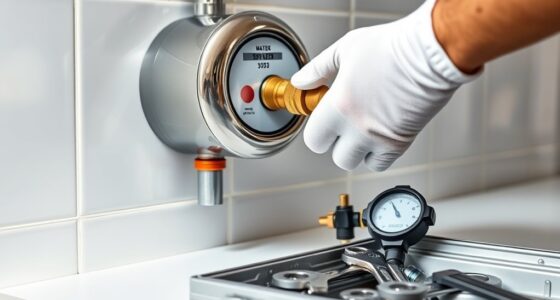

Upgrading your water management system improves efficiency, cuts costs, and protects your property from future water shortages and infrastructure issues. You’ll reduce water waste through techniques like leak repairs and smart technology, saving money and conserving resources. Modernizing infrastructure prevents costly leaks and failures, ensuring smooth flow and sustainability. Protecting local ecosystems and preparing for droughts makes your property more resilient. Keep exploring how these upgrades can boost your long-term savings and environmental impact.

Get furniture and decor delivered free — and shop member deals
- Fast, free delivery on millions of items
- Access to Prime Big Deal Days deals on October 6–7
- Prime Video, Amazon Music and more included
Key Takeaways
- Upgrades improve system efficiency, reducing long-term costs and water waste for property owners.
- Modern infrastructure minimizes leaks and failures, preventing costly repairs and water loss.
- Diversifying water sources enhances resilience against droughts and shortages.
- Implementing smart technology enables real-time monitoring and proactive maintenance.
- Sustainable water management benefits the environment and future property value.
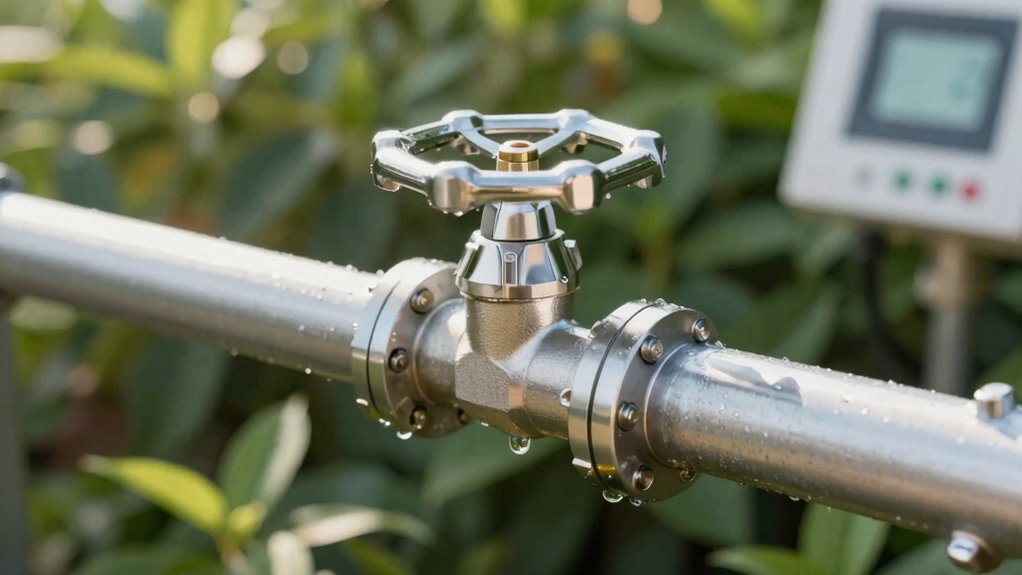
Upgrading water management systems is essential for ensuring efficient use of resources and reducing waste. One of the most effective ways you can do this is through rainwater harvesting. By capturing rainwater from rooftops and other surfaces, you create a sustainable source of water that can be used for irrigation, flushing toilets, or even drinking if properly treated. This practice can significantly decrease your dependence on municipal water supplies and help preserve local water sources during peak usage times. Installing rain barrels or more sophisticated rainwater harvesting systems can make a noticeable difference in your water bills and environmental footprint.
Rainwater harvesting reduces costs, conserves resources, and lessens reliance on municipal water during peak times.
Alongside rainwater harvesting, incorporating water conservation techniques plays a critical role in optimizing water use. Simple actions like fixing leaks promptly, installing low-flow fixtures, and using drought-tolerant landscaping can significantly cut down on unnecessary water consumption. When you adopt these practices, you’re actively reducing the strain on water treatment facilities and conserving energy used in pumping and distribution. These small changes are often overlooked, but they add up to substantial savings over time, making your water management more sustainable and cost-effective. Being aware of water efficiency can help you identify additional ways to improve your system. Additionally, understanding water quality standards can guide you in making better decisions about treatment and filtration.
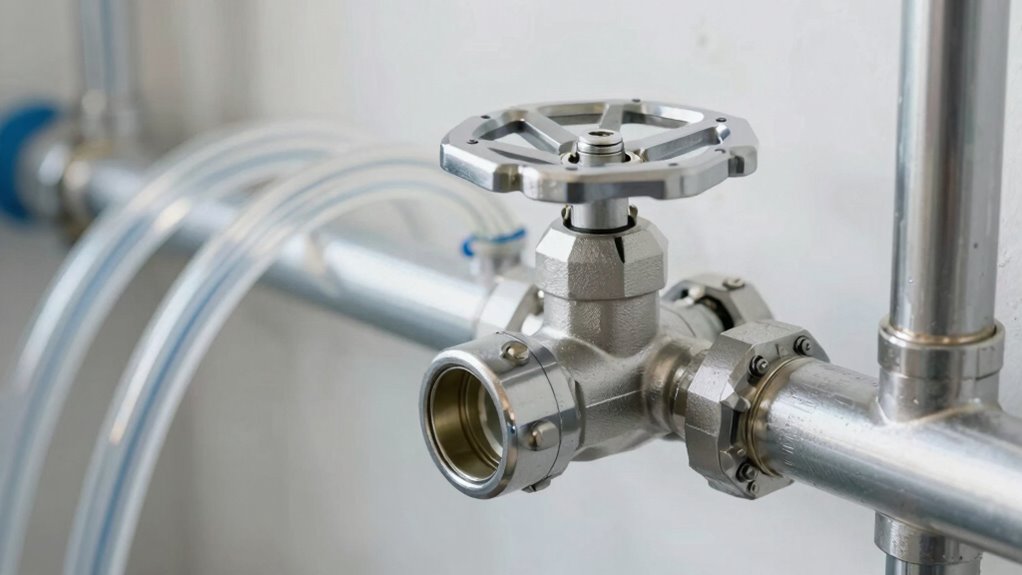
Upgrading your water management system also involves evaluating your existing infrastructure. Older pipes, pumps, and valves may leak or operate inefficiently, wasting valuable resources. Modernizing these components ensures water flows smoothly and reduces losses. Smart technology, like leak detection sensors and automated control systems, can alert you to issues immediately, preventing minor leaks from turning into costly problems. These upgrades may require an initial investment, but in the long run, they improve efficiency and reduce maintenance costs. Additionally, integrating smart water technology can optimize your system’s performance and provide real-time monitoring. Implementing monitoring systems can further enhance your ability to detect and address issues quickly, ensuring consistent water quality and usage.
Furthermore, implementing comprehensive water management strategies helps you prepare for potential shortages or drought conditions. By diversifying your water sources—such as combining rainwater harvesting with greywater recycling—you create a resilient system that’s less vulnerable to disruptions. Educating yourself on water conservation techniques and staying proactive about system maintenance not only benefits your property but also contributes to broader environmental conservation efforts. Understanding the importance of biodiversity can motivate you to protect local water sources and ecosystems.
In essence, water management upgrades are more than just a way to save money—they’re a vital step toward sustainability. By harnessing rainwater harvesting, adopting water conservation techniques, and modernizing infrastructure, you’re creating a system that’s efficient, resilient, and environmentally responsible. The sooner you prioritize these upgrades, the more you’ll realize their long-term benefits, both financially and ecologically. Effective water management isn’t just a necessity; it’s a responsibility that pays off in the health of your property and the planet.
As an affiliate, we earn on qualifying purchases.
Frequently Asked Questions
How Do Water Management Upgrades Affect Property Value?
Water management upgrades boost your property value by improving water conservation and plumbing efficiency. Modern systems attract eco-conscious buyers who appreciate lower utility bills and sustainable features. These upgrades also reduce maintenance costs, making your property more appealing. By investing in efficient plumbing and water-saving technologies, you demonstrate a commitment to sustainability, which can increase your property’s market value and competitive edge in today’s environmentally aware real estate market.
What Are the Long-Term Cost Savings of Upgrading Water Systems?
Coincidentally, upgrading your water systems leads to significant long-term savings through improved leak detection and water efficiency. You’ll reduce costly water wastage and lower your bills over time. These upgrades prevent major damage and minimize maintenance costs, ensuring your property remains efficient and sustainable. By investing now, you save money later, while also supporting eco-friendly practices that benefit both your wallet and the environment.
Are Water Management Upgrades Environmentally Sustainable?
Water management upgrades are environmentally sustainable because they promote water conservation and eco-friendly practices. By implementing efficient systems, you reduce water wastage and lower energy use, which benefits the environment. These upgrades help protect water resources for future generations and minimize your carbon footprint. Embracing sustainable water management shows your commitment to environmental responsibility and supports a healthier planet, making it a smart choice for eco-conscious owners.
How Quickly Can Owners See Benefits After Upgrades?
Think of water management upgrades as turning on a faucet of savings—you’ll notice benefits quickly. You might see improved water efficiency within days, especially through better leak detection and flow control. As a result, maintenance costs drop because your system runs smoother and fewer repairs are needed. The sooner you upgrade, the faster you’ll see these benefits, making your investment worthwhile and keeping your property running efficiently.
What Are Common Challenges During Water Management Upgrades?
During water management upgrades, you’ll often face challenges like ensuring effective leak prevention and seamless system integration. Leak prevention requires identifying hidden leaks early, which can be tricky. System integration involves coordinating new components with existing infrastructure, sometimes causing compatibility issues. Staying proactive, working with experienced professionals, and thoroughly planning your upgrade can help address these challenges efficiently, minimizing disruptions and maximizing the benefits of your water management improvements.
Conclusion
So, next time you think water management upgrades are just a minor expense, remember—they’re actually your most reliable safeguard against costly damage and inefficiency. It’s ironic how something so essential often gets overlooked until it’s too late. Investing now might seem like a hassle, but it’s really the smartest move you can make. After all, without proper water management, all your other upgrades might be just delaying the inevitable. Think ahead—your future self will thank you.
Halloween Picks
halloween
As an affiliate, we earn on qualifying purchases.