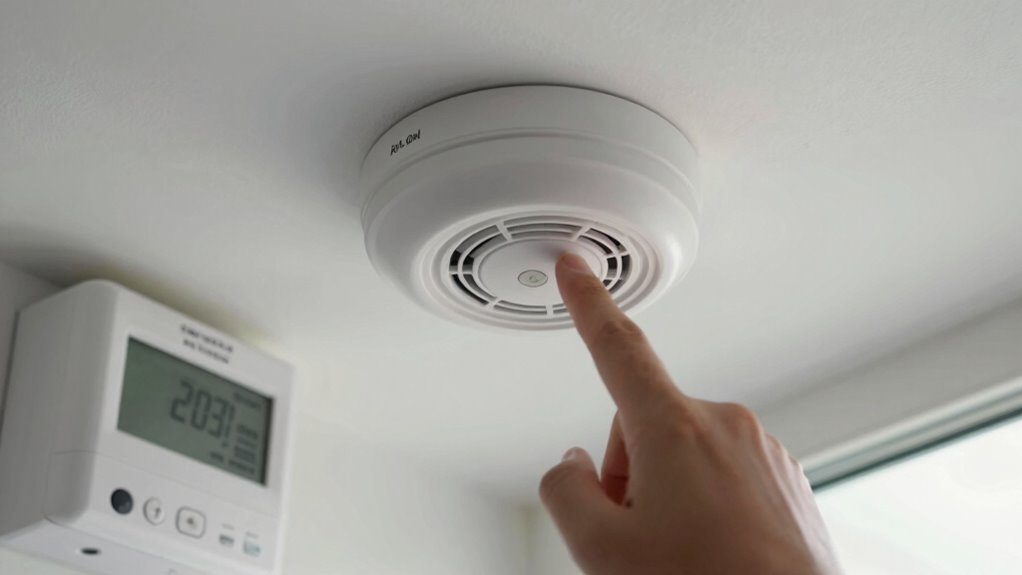

To test your household safety devices regularly, press the test button on smoke and carbon monoxide alarms monthly and listen for the loud alarm or beeps. Check fire extinguishers’ pressure and visually inspect for damage. Test emergency lights and escape ladders, replacing batteries or repairing as needed. Keep devices clean and free from dust or debris. Staying proactive with these steps helps guarantee everything works when it really matters—continue to discover more tips to keep your home safe.

Get furniture and decor delivered free with Prime
- Fast, free delivery on millions of items
- Prime Video, Amazon Music and more included
- Member-only deals all year
Key Takeaways
- Test smoke detectors and carbon monoxide alarms monthly by pressing the test button and listening for the alarm sound.
- Check fire extinguisher pressure and inspect for damage or corrosion monthly; ensure safety pin and tamper seal are intact.
- Perform visual inspections of emergency lights and escape ladders regularly; test emergency lights by pressing the test button.
- Clean safety devices periodically with a damp cloth and vacuum to prevent dust buildup, ensuring reliable operation.
- Review device performance and update safety standards periodically to identify issues early and maintain device effectiveness.
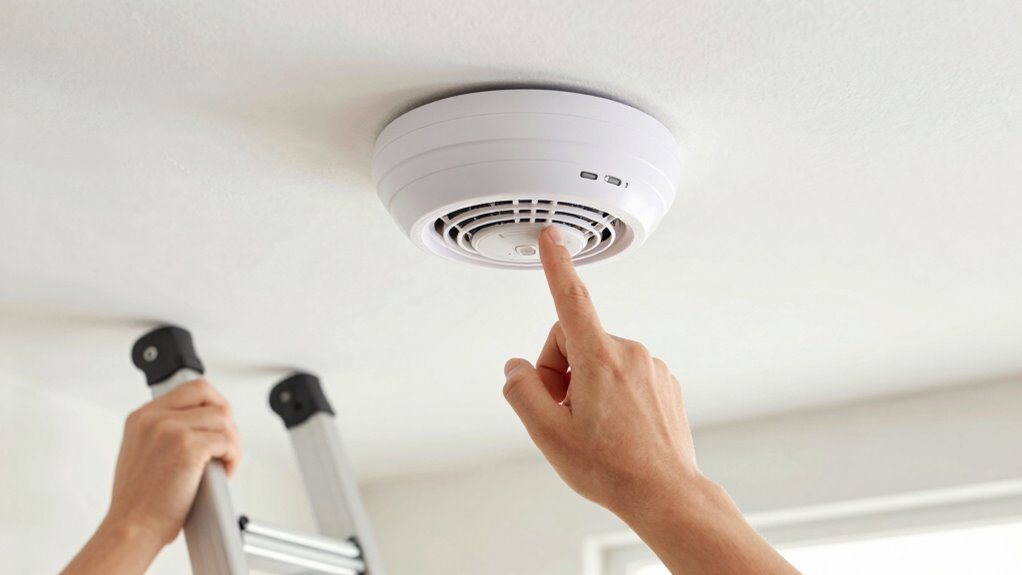
Have you ever wondered if your household safety devices are working properly? It’s a good question, especially when it comes to protecting yourself and your loved ones. Regular testing of safety devices is essential for effective emergency preparedness. You don’t want to wait until an emergency strikes to realize something isn’t working as it should. By establishing a consistent routine, you can ensure that your smoke detectors, carbon monoxide alarms, fire extinguishers, and other safety devices are in top condition when you need them most.
Start with a maintenance checklist that covers all your safety devices. For smoke detectors and carbon monoxide alarms, test each device monthly by pressing the test button. You should hear a loud alarm or beeps confirming that the device is functioning. If the alarm doesn’t sound, replace the batteries immediately and test again. If it still doesn’t work, replace the unit altogether. Don’t forget to clean smoke detectors regularly, as dust and debris can interfere with their sensors. Vacuum around the device and wipe it gently with a damp cloth to keep it clean. Regular cleaning helps maintain the accuracy of sensor detection, ensuring reliable operation. Additionally, staying informed about safety standards can help you better understand how to maintain your devices effectively. Regularly reviewing device performance can also highlight potential issues early, preventing failures during emergencies. Keeping up with maintenance routines can extend the lifespan of your safety equipment and ensure optimal functionality.
Test smoke detectors monthly, replace batteries if needed, and keep them clean for reliable safety.
Fire extinguishers are another critical safety device. Every month, check the pressure gauge to ensure the needle points within the green zone. Shake the extinguisher gently to prevent the contents from settling. Look for any visible damage or corrosion on the device. Make sure the safety pin and tamper seal are intact, and verify that the instructions are clear and easy to read. Keep a note of the last service date, and replace or professionally inspect extinguishers as recommended by the manufacturer, typically every few years.
For other safety devices, like emergency lights or escape ladders, perform regular visual inspections. Check that emergency lights turn on when you press the test button and replace batteries if needed. Ensure escape ladders are in good condition, properly stored, and accessible in case of an emergency. It’s also wise to review your emergency preparedness plan periodically, making sure everyone in your household knows what to do and where to go in an emergency. Regularly reviewing household safety devices helps identify potential issues before they become serious problems.
As an affiliate, we earn on qualifying purchases.
Frequently Asked Questions
How Often Should Smoke Detectors Be Replaced?
You should replace your smoke detectors every 8 to 10 years. Regularly check the batteries and replace them at least once a year to guarantee reliable operation. It’s also important to calibrate the alarm periodically to prevent false alarms or malfunctions. By staying on top of battery replacements and alarm calibration, you’ll keep your home safe and guarantee your smoke detectors are always ready to alert you in an emergency.
What Tools Are Needed for Testing Carbon Monoxide Alarms?
Think of testing your carbon monoxide alarm as tuning a delicate instrument; it guarantees safety sings loud and clear. You’ll need a test button to verify alarm calibration, and don’t forget to inspect the battery—the heartbeat of the device. Sometimes, a simple screwdriver helps open the cover for battery replacement. Regular testing keeps your alarm vigilant, ensuring peace of mind, and that your home’s silent guardian is always ready to alert you.
Can Safety Devices Be Tested Without Professional Help?
Yes, you can perform DIY inspections on your safety devices using a safety checklist. Most alarms and devices have test buttons that you can press to verify they’re working properly. Refer to the manufacturer’s instructions for proper testing procedures. Regularly checking your devices without professional help keeps your home safe and guarantees everything functions correctly, giving you peace of mind. Just follow safety guidelines and replace batteries or devices as needed.
How Do I Know if My Fire Extinguisher Is Still Effective?
Did you know nearly 60% of house fires could be managed better with an effective fire extinguisher? To guarantee yours is still effective, check its safety device lifespan and do regular fire extinguisher maintenance. Look for a pressure gauge in the green zone, inspect for damage or corrosion, and verify the pin and nozzle aren’t clogged. If unsure, replace it to stay safe and prepared.
Are There Specific Safety Devices for Children in the Home?
Yes, there are specific safety devices for children at home. You should install childproof locks on cabinets and drawers to prevent access to dangerous items. Safety gate installation is essential at staircases and doorways to keep children safe from falls. Regularly check these devices to guarantee they’re secure and functioning properly. These measures help create a safer environment, giving you peace of mind while your little ones explore their surroundings.
Conclusion
Regularly testing your household safety devices is like tuning up a car—you won’t notice the small issues until they cause a breakdown. When you stay proactive, you keep your home safe and avoid surprises, much like catching a leak before it floods your basement. Just last month, a quick test of my smoke alarm alerted me to a low battery, saving me from a potential disaster. Keep up the habit, and peace of mind will always be within reach.
Halloween Picks
halloween
As an affiliate, we earn on qualifying purchases.