

To guarantee your smoke and CO alarms are effective, place smoke detectors on ceilings or high on walls in bedrooms, hallways, and living areas. Install CO alarms near sleeping spaces and away from humid zones like kitchens and bathrooms to reduce false alarms. Use a strategic map to mark these locations and avoid common mistakes. For best safety and to stay informed about proper placement, continue exploring how to create an effective alarm plan.

Get furniture and decor delivered free — and shop member deals
- Fast, free delivery on millions of items
- Access to Prime Big Deal Days deals on October 6–7
- Prime Video, Amazon Music and more included
Key Takeaways
- Place smoke alarms inside bedrooms, outside sleeping areas, and on each floor for early detection.
- Install CO detectors near sleeping areas and at chest height in common living spaces.
- Avoid placing alarms in kitchens, bathrooms, or high-humidity areas to reduce false alarms.
- Mount smoke alarms on ceilings or high on walls, following recommended height guidelines.
- Regularly test alarms and maintain proper placement to ensure reliable early warning and safety.
As an affiliate, we earn on qualifying purchases.
Why Proper Alarm Placement Is Critical for Your Home Safety
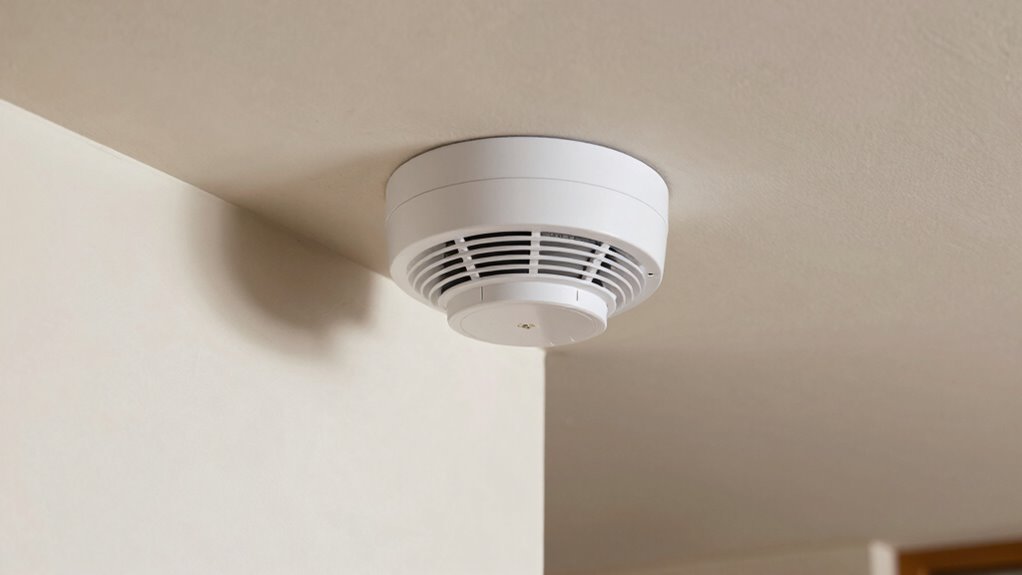
Proper placement of smoke and carbon monoxide alarms is essential because correctly positioned alarms can detect danger early and give you enough time to respond. Regular alarm maintenance ensures your alarms function properly, reducing false alarms and missed detections. Understanding alarm features helps you choose devices with the right sensors, battery backup, and test functions, which are critical for effective safety. Proper placement maximizes these features’ benefits, ensuring alarms aren’t obstructed or muted by furniture or walls. When alarms are correctly installed, they can alert you promptly to hazards, giving you crucial moments to evacuate or address the danger. Additionally, integrating smart home technology can enhance alarm responsiveness and monitoring capabilities, further protecting your household. Proper Alarm placement also plays a vital role in ensuring that alarms are not accidentally disabled or ignored, which is a common issue when devices are improperly installed. Skipping proper placement or maintenance can compromise your home’s safety, making it harder for alarms to serve their life-saving purpose when it matters most. Ensuring correct Alarm placement and regular testing helps to prevent false alarms and ensure reliable operation, which is especially important in areas like bedrooms and kitchens, where the risk of unnoticed hazards is higher. Ensuring that alarms are correctly mounted and tested regularly can significantly improve their reliability and your peace of mind.
How to Identify the Best Spots for Smoke and CO Alarms

Knowing where to install smoke and CO alarms can make all the difference in keeping your home safe. Place smoke alarms near fire escape routes, like bedrooms and hallways leading to exits, to ensure you’re alerted quickly during a fire. For carbon monoxide sources, such as gas furnaces, water heaters, and attached garages, position alarms on each level and close to sleeping areas. Avoid installing alarms near windows, vents, or drafts, which can cause false alarms. Think about the flow of movement and escape routes, placing alarms where they’ll wake you without delay. Proper placement guarantees you’re alerted early, giving you time to evacuate safely and respond effectively to potential hazards. Considering whole-house water filtration systems can also help improve overall home safety by reducing contaminants in your water supply. Additionally, understanding projector image quality factors like contrast ratio and color accuracy can enhance your viewing experience if you’re setting up a home theater. Ensuring that alarms are tested regularly and properly maintained can further minimize false alarms and ensure reliable detection in emergencies. Properly positioned alarms are especially important for minimizing false alarms, ensuring you respond only to genuine threats, and choosing the right locations can also benefit from careful landscaping to prevent obstructions.
Step-by-Step: Creating Your Alarm Placement Map
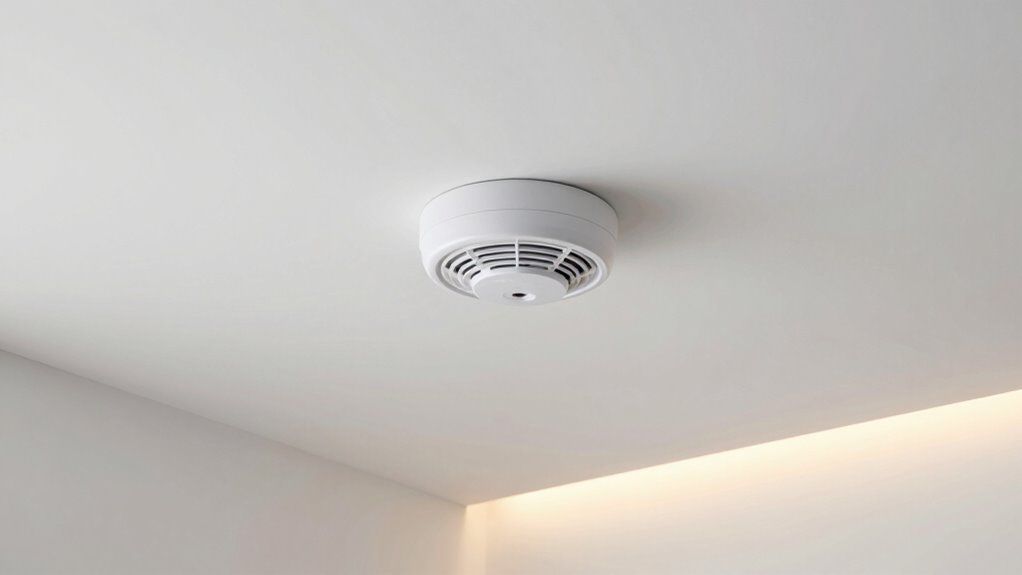
Start by pinpointing key areas in your home where smoke and CO alarms are most needed, like bedrooms and hallways. Then, create a map that shows where each alarm should go, considering the layout and potential hazards. This strategic placement guarantees you’re covered in every critical spot for maximum safety. Additionally, be mindful of alarm placement guidelines that can influence the effectiveness of your safety system, ensuring your safety measures account for any underlying risks. Proper alarm positioning can significantly improve early detection and response times in emergencies. Remember to also take into account power sources and ensure alarms are placed where they won’t be obstructed by furniture or curtains for optimal performance. Incorporating smart alarm integrations can further enhance your home’s safety by providing alerts directly to your devices and enabling remote monitoring.
Identify Key Areas
To create an effective alarm placement map, you need to identify the key areas in your home that require protection. Focus on spaces where fire prevention is critical and where family members spend the most time. These include bedrooms, kitchens, hallways, and living rooms. Prioritize areas with electrical appliances, heating sources, or potential fire hazards. Ensuring alarms are placed in these key zones enhances home safety and early detection. Use this table to help identify important spots:
| Key Areas | Why They’re Important |
|---|---|
| Bedrooms | Early warning during sleep |
| Kitchen | High fire risk, frequent activity |
| Hallways & Exits | Safe escape routes, quick access to alarms |
Identify these areas to maximize safety and protect your home effectively. Remember to also consider ventilation considerations to ensure alarms are heard clearly throughout your home. Proper placement of alarms also involves understanding alarm coverage to prevent blind spots and ensure comprehensive detection. Additionally, consulting home security standards can help you optimize alarm placement for maximum safety. Incorporating regular maintenance and testing of alarms is essential to maintain their reliability over time. Moreover, understanding alarm placement guidelines can further improve your home’s fire safety strategy.
Map Placement Strategically
Creating a strategic alarm placement map begins with evaluating your home’s layout and identifying the most critical areas for fire detection. Start by marking hazard zones—places where fires are more likely to start or cause serious harm, like kitchens, garages, and heating areas. Divide your home into alarm zones to ensure extensive coverage, preventing dead spots. Place smoke alarms on each floor, inside bedrooms, and outside sleeping areas, aligning with hazard zones. For CO alarms, focus on bedrooms and attached living spaces. Keep alarms at least 10 feet from cooking appliances to reduce false alarms. Use your map to visualize these zones, ensuring all key areas are covered and alarms are evenly spaced. Incorporating innovative nanotech sensors can further enhance alarm sensitivity and reliability. Additionally, ensuring proper alarm placement helps to prevent nuisance alarms and maximizes safety. A well-planned map increases safety by maximizing alarm effectiveness throughout your home, especially in hazard-prone areas. When designing your map, consider vetted wave and wind patterns to understand how sound and gases disperse, which can influence optimal alarm locations. Being aware of airflow patterns can also help in positioning alarms to avoid false triggers and improve detection accuracy.
Common Mistakes in Alarm Placement and How to Fix Them
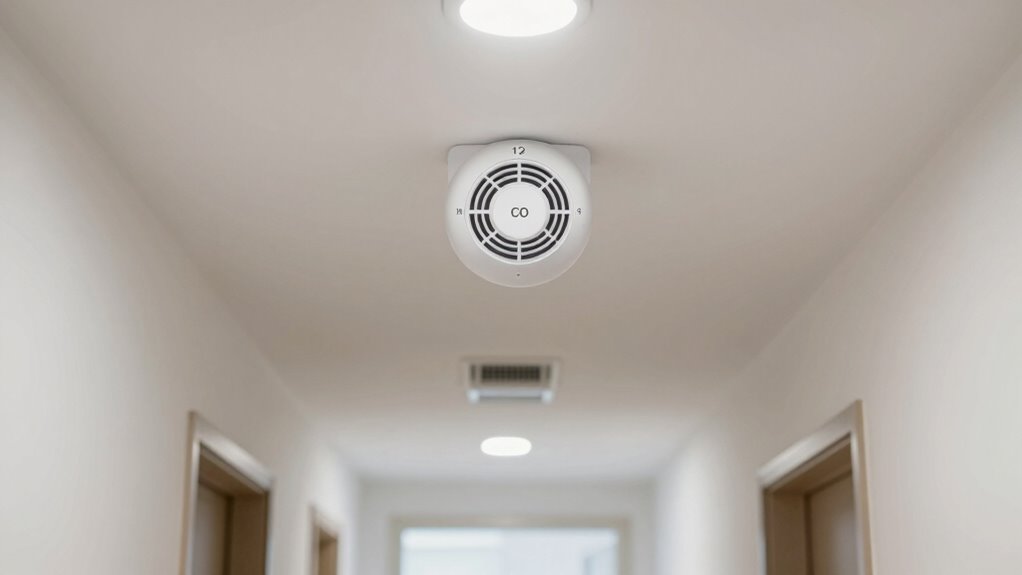
One common mistake people make is placing smoke and CO alarms too close to kitchens or bathrooms, where steam and cooking fumes can trigger false alarms. To fix this, guarantee alarms are installed at the right distance and avoid areas with high humidity. Regular alarm maintenance is essential to keep sensors properly calibrated, reducing false positives. Also, neglecting sensor calibration can cause alarms to malfunction or miss hazards. Another mistake is ignoring alarm placement height, which can affect detection accuracy. Proper placement height helps ensure the sensors detect smoke and CO effectively. Finally, not testing alarms regularly can lead to unnoticed issues. Remember to:
- Maintain alarms according to manufacturer instructions
- Calibrate sensors periodically
- Avoid placing alarms near vents or windows
- Check placement height to ensure ideal detection
- Understand alarm types to choose the best options for your space
These steps help prevent false alarms and ensure your alarms function effectively when needed.
How to Install and Test Your Smoke and CO Detectors
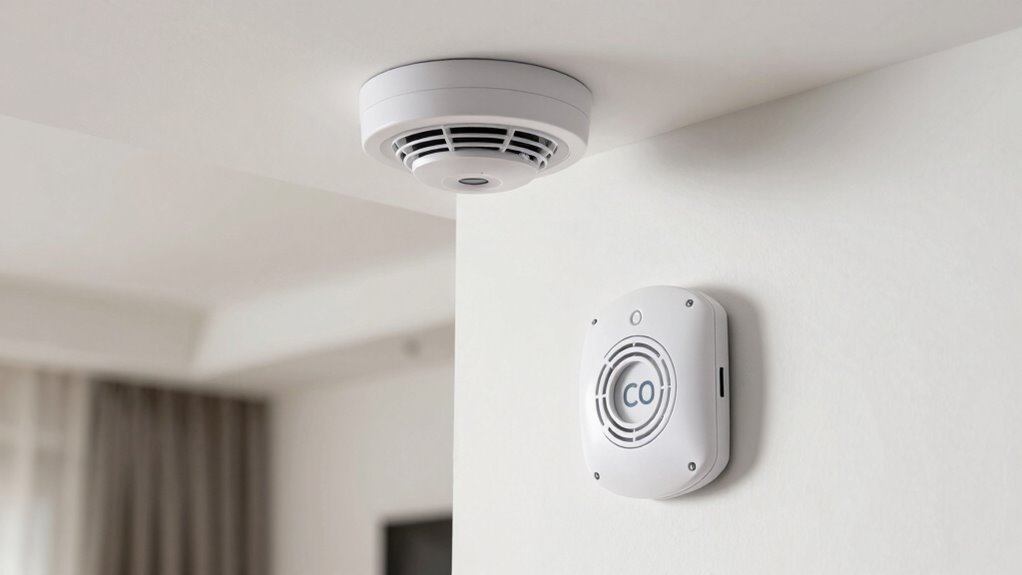
Installing and testing your smoke and CO detectors correctly is essential for safety. You need to follow proper placement techniques, install them step-by-step, and verify they work effectively. Let’s explore the best methods to guarantee your alarms are reliable and ready to alert you in an emergency.
Proper Placement Techniques
To guarantee your smoke and CO detectors work effectively, proper placement and testing are essential. Focus on alarm sensor placement and alarm zone planning to maximize safety. Position smoke detectors on ceilings or high on walls, away from vents and drafts, to ensure quick detection of smoke. For CO detectors, install them at chest height or slightly lower, near sleeping areas and potential sources of CO. Remember to avoid placing detectors in kitchens or bathrooms where false alarms are common. Test each alarm regularly to confirm proper functioning and replace batteries as needed. Proper placement helps prevent nuisance alarms and ensures early warning in emergencies. Well-planned alarm zone placement increases overall safety, giving you peace of mind in your home.
Correct Installation Steps
Begin by gathering the necessary tools and batteries before starting the installation. First, choose the right detector types for your needs, such as ionization or photoelectric smoke alarms, and make certain they are properly calibrated for accurate detection. Turn off the power source if installing hardwired alarms, then remove the cover to access the mounting base. Secure the mounting bracket to the wall or ceiling at the correct height, following placement guidelines. Insert fresh batteries if using battery-operated models, making sure they’re installed correctly. Attach the detector to the base, ensuring it clicks into place. Once installed, turn the power back on (if applicable). Proper installation ensures your alarms are ready to perform reliably, providing essential early warning in case of fire or carbon monoxide presence.
Effective Testing Methods
Once your smoke and CO detectors are installed, it’s crucial to test them thoroughly to guarantee they function properly. Proper testing ensures sensor calibration is accurate, and the alarms respond quickly when needed. To do this effectively, follow these steps:
- Press and hold the test button until you hear the alarm sound, confirming sensor calibration.
- Use a smoke spray or test aerosol to simulate smoke, ensuring the detector reacts promptly.
- Check alarm aesthetics—make sure detectors are visible and unobstructed for easy maintenance.
- Review manufacturer instructions for specific testing procedures and recommended testing intervals.
Regular testing keeps your alarms reliable and ensures they alert you in emergencies. Properly calibrated sensors enhance detection accuracy, giving you peace of mind.
Maintaining Your Alarms for Reliable Safety
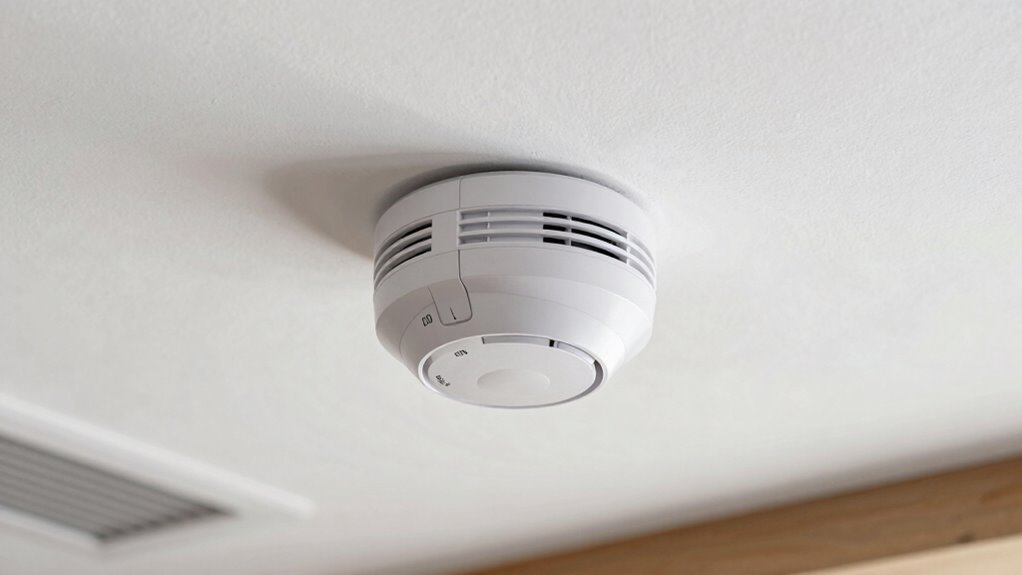
Regularly testing your smoke and CO alarms guarantees they function properly when you need them most. Don’t fall for fire alarm myths that suggest testing isn’t necessary; consistent detector maintenance is key to reliable safety. To keep your alarms in top shape, clean them regularly and replace batteries at least once a year. Check manufacturer instructions for specific maintenance tips, and replace alarms every 7-10 years to ensure they’re working effectively. Remember, a well-maintained alarm can save lives by providing early alerts. Stay proactive about detector upkeep, and don’t wait for false alarms or failure signs to take action. Proper upkeep guarantees your alarms will perform flawlessly during an emergency, giving you peace of mind and protecting your loved ones.
Frequently Asked Questions
How Often Should I Update My Alarm Placement Map?
You should update your alarm placement map whenever you do alarm maintenance or make changes to your home’s layout. Regularly reviewing and adjusting based on placement best practices guarantees maximum safety. Aim to reassess at least once a year, especially after renovations or moving furniture. Keeping your map current helps you maintain effective coverage, so you and your family stay protected from smoke and CO risks.
What Are the Signs of a Malfunctioning Smoke or CO Alarm?
You’ll notice alarm malfunctions if it chirps unexpectedly, fails to sound during tests, or shows a blinking red or green light. Regular alarm maintenance helps catch troubleshooting indicators early, like dust buildup or dead batteries. If your alarm’s response is inconsistent or it beeps without reason, replace the batteries or unit. Always follow manufacturer instructions to guarantee your alarm functions properly, keeping your home safe.
Can Alarms Be Installed Outside or in Garages?
Yes, you can install outdoor smoke alarms and garage CO alarms, but you should select models specifically designed for those environments. Outdoor alarms endure weather conditions, while garage alarms are resistant to dust and fumes. Proper placement is key—install smoke alarms outside sleeping areas and CO alarms near garages or appliances. This ensures safety, alerts you promptly, and keeps your home protected from potential dangers outside and in your garage.
How Do Different Room Types Affect Alarm Placement?
Different room types influence alarm placement because fire safety and alarm sensitivity vary. You should install smoke alarms in hallways outside bedrooms, living areas, and kitchens, as these are high-risk zones. For rooms with high humidity like bathrooms, use specialized alarms or avoid placing them directly inside. Always follow manufacturer guidelines to guarantee the best alarm sensitivity, reducing false alarms while maintaining safety. Proper placement maximizes fire detection and keeps your home secure.
Are There Specific Brands Recommended for Optimal Safety?
For ideal safety, choose brands known for high alarm quality and reliable performance, like Nest, First Alert, or Kidde. These brands consistently receive positive reviews for durability, advanced features, and accurate detection. When selecting alarms, prioritize those with good customer feedback and certifications, ensuring your home’s safety isn’t compromised. Investing in trusted brand recommendations helps you get dependable alarms that alert you promptly to smoke or CO hazards.
Conclusion
So, now that you know where to place your smoke and CO alarms, don’t just ignore them like that dusty gym membership. Proper placement saves lives—yours included. Skip the mistakes, install them correctly, and test regularly. Because nothing says “I care” like waking up to a blaring alarm when you’re deep into your Netflix binge. Stay vigilant, stay safe, and maybe, just maybe, resist the urge to ignore that tiny device on your wall.
Fall Picks
fall essentials
As an affiliate, we earn on qualifying purchases.




![[Fact Check] Lee’s Claim Blaming Oh For Seoul Home Prices? - 최보식의언론](https://byretreat.com/wp-content/uploads/2026/09/fact-check-lee-s-claim-blaming-oh-for-seoul-home-prices-featured-260x140.jpg)
