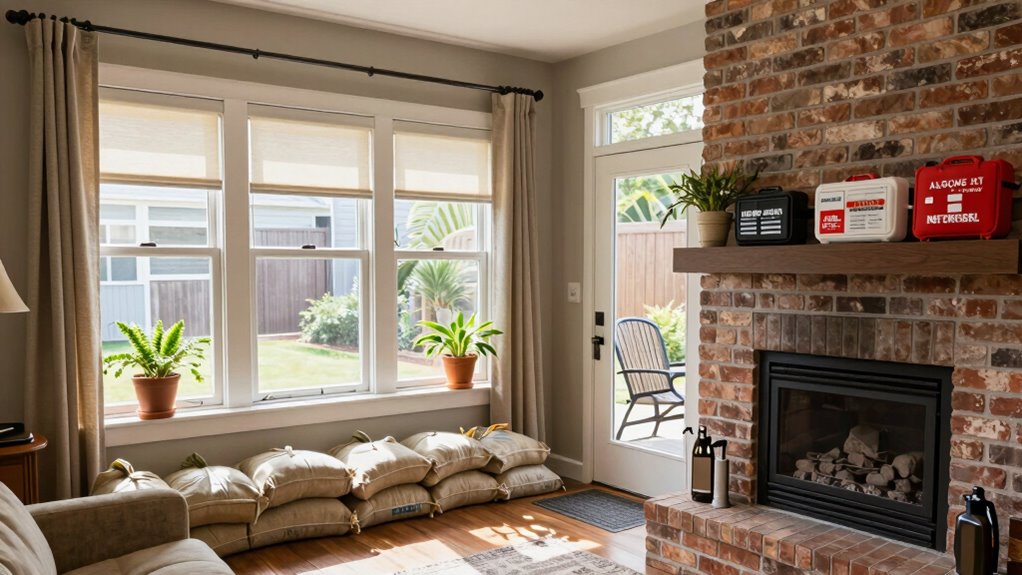

You can boost your home’s resilience by installing storm-proof windows first, especially on vulnerable areas, and upgrading to water-resistant roofing like coated asphalt or metal. Regularly clean gutters, guarantee proper drainage, and seal cracks to prevent water intrusion. Use smart technology for alerts and safety automation. Prepare emergency supplies and develop a safety plan. Focus on manageable, phased upgrades that improve protection without costly renovations. Keep exploring to discover even more simple ways to strengthen your home’s defenses.

Get furniture and decor delivered free with Prime
- Fast, free delivery on millions of items
- Prime Video, Amazon Music and more included
- Member-only deals all year
Key Takeaways
- Prioritize phased upgrades like storm-proof windows and water-resistant roofing to enhance resilience gradually.
- Maintain proper exterior drainage and gutters to prevent water damage and foundation issues.
- Incorporate smart home technology for real-time weather alerts and automated safety responses.
- Seal cracks and vulnerabilities in the exterior to improve wind resistance and water intrusion prevention.
- Develop and regularly update an emergency preparedness plan with supplies for quick, effective response.
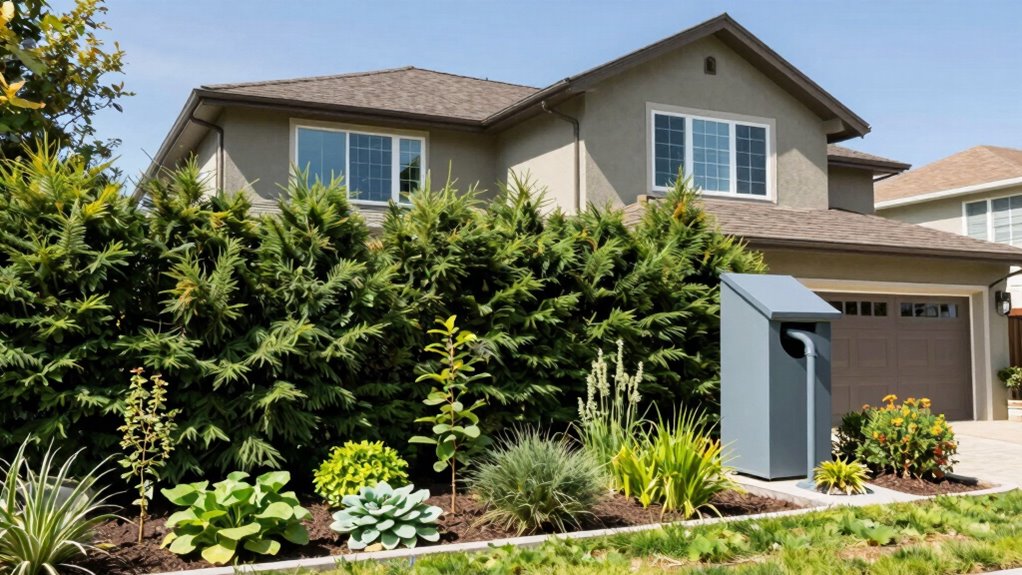
Building a more resilient home doesn’t always mean tearing down walls or undertaking a costly renovation. Small, strategic upgrades can greatly improve your home’s ability to withstand harsh weather and other challenges. One of the most effective ways to start is by focusing on your windows and roof. Installing storm proof windows can make a big difference during storms. These windows are designed to resist shattering from high winds and flying debris, providing an extra layer of protection for your home. They also help keep out rain and wind, reducing the likelihood of interior damage and drafts. You don’t need to replace all your windows at once—start with the most vulnerable areas or those facing the most exposure, and upgrade gradually over time.
Start with storm-proof windows and upgrade gradually to boost your home’s resilience against harsh weather.
Alongside storm proof windows, investing in water resistant roofing can bolster your home’s defenses against heavy rain and storms. Water resistant roofing materials, such as metal or specially coated asphalt shingles, help prevent leaks and water damage. These roofs are designed to shed water quickly and resist mold and rot, which are common issues in wet climates. If your current roof shows signs of aging or leaks, consider a retrofit or partial upgrade with water resistant options. Even a simple overlay can extend your roof’s lifespan and improve its resilience. Keep in mind that proper installation is key—consult professionals to ensure the roofing system is sealed correctly and that gutters and drainage are functioning well to divert water away from your home’s foundation. proper installation is essential for maximizing the benefits of these upgrades.
Beyond windows and roofing, you can reinforce your home’s resilience by maintaining proper drainage around your property. Clear gutters and downspouts regularly to prevent water buildup, and grade your yard so water flows away from your foundation. Adding a sump pump or waterproof barriers in basements can further protect against flooding. It’s also wise to inspect your home’s exterior for cracks or vulnerabilities, sealing them to prevent water intrusion and wind damage. Using digital tools can help you monitor weather conditions and plan preventive measures more effectively. Regular inspections and smart planning can make a significant difference in your home’s ability to withstand unexpected weather events. Additionally, implementing smart home technology can help you receive real-time alerts and automate certain safety features, further enhancing your home’s resilience. Staying proactive with these measures ensures you’re prepared for emergencies and can respond quickly when needed.
Finally, don’t overlook the importance of creating a safety plan and preparing emergency supplies. Upgrading your home’s physical defenses is crucial, but being ready for extreme weather events can make all the difference. By focusing on these manageable improvements—storm proof windows, water resistant roofing, and proper drainage—you’ll strengthen your home’s resilience without the need for a major remodel. These steps are cost-effective, practical, and can be phased in over time, giving you peace of mind knowing your home is better equipped to handle whatever nature throws your way.
As an affiliate, we earn on qualifying purchases.
Frequently Asked Questions
What Are Affordable Ways to Improve Home Resilience Quickly?
To quickly boost your home’s resilience, focus on storm preparedness by sealing windows and reinforcing doors. Keep emergency supplies like water, non-perishable food, flashlights, and batteries readily available. Install weather stripping to prevent drafts and water intrusion, and trim trees near your home. These affordable steps help protect your home during severe weather, ensuring you’re prepared and can respond effectively, all without a major remodel.
How Can I Prioritize Resilience Upgrades on a Budget?
Think of your home as a fortress preparing for a storm. Start by prioritizing storm preparedness and gathering essential emergency supplies—think flashlights, water, and first aid kits. Focus on affordable upgrades like sealing gaps, reinforcing windows, and securing loose objects. These steps protect your home and loved ones without breaking the bank, ensuring you’re ready for any weather surprises while making resilience a practical, ongoing effort.
Are There Specific Materials Best for Enhancing Resilience?
Choosing materials with strong durability factors, like fiber cement siding or metal roofing, boosts your home’s resilience. Material comparisons show that impact-resistant windows and reinforced doors also provide better protection against storms. You should prioritize options that withstand weather and wear, ensuring long-term durability without major upgrades. By selecting resilient materials, you enhance your home’s ability to resist damage, saving you money and stress during challenging conditions.
How Long Do Resilience Improvements Typically Last?
Coincidences often remind you that resilience isn’t just about luck. Your weatherproofing tips and structural reinforcement can last 10 to 30 years, depending on materials used and maintenance. Regular inspections help catch wear early, extending their effectiveness. Properly installed, these improvements withstand storms and wear, ensuring your home stays resilient longer. Keep up with upkeep, and you’ll enjoy peace of mind for decades.
Can DIY Methods Effectively Boost Home Resilience?
Yes, DIY methods can effectively boost your home’s resilience, especially with storm preparedness and structural reinforcement. You can install storm shutters, reinforce doors, and seal gaps to prevent water intrusion. Regularly inspect your roof and foundation for weaknesses. While some projects might need professional help, many DIY tasks strengthen your home against storms and other emergencies, giving you peace of mind without costly remodels.
Conclusion
By making small, strategic upgrades like installing storm-resistant windows or adding backup power sources, you can substantially boost your home’s resilience without a full remodel. For example, imagine installing a simple generator that keeps your fridge running during outages—keeping your family safe and comfortable. These modest improvements not only protect your home but also give you peace of mind, proving that resilience is achievable with thoughtful, manageable steps.
Halloween Picks
halloween
As an affiliate, we earn on qualifying purchases.