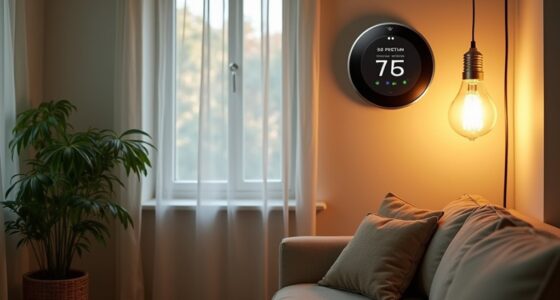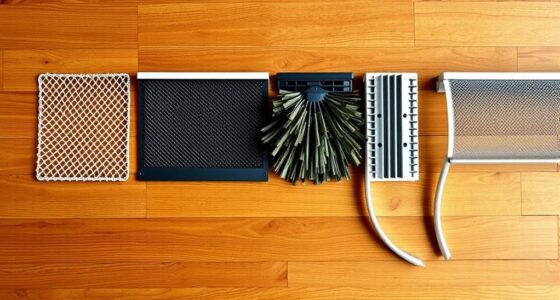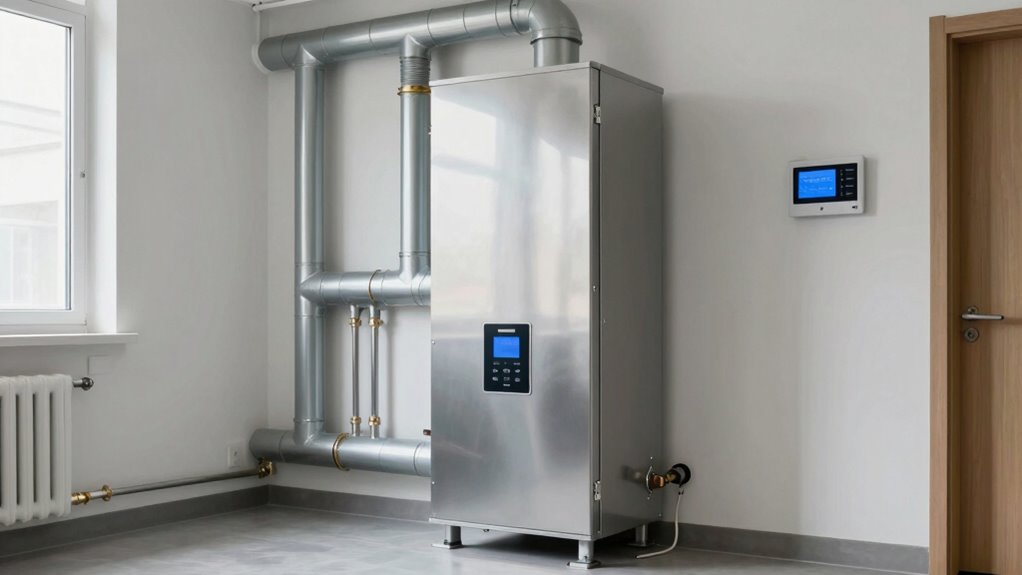

Before upgrading your heating and cooling equipment, you should consider energy efficiency ratings like SEER and AFUE, and choose units suitable for your home size and climate. Budget for installation costs, including permits and ductwork, and explore local incentives or rebates. Working with experienced professionals guarantees proper installation, maximizing system performance and lifespan. Staying informed about long-term maintenance costs and options will help you make smarter, more cost-effective choices for comfort and savings; learn more to get started.

Get furniture and decor delivered free with Prime
- Fast, free delivery on millions of items
- Prime Video, Amazon Music and more included
- Member-only deals all year
Key Takeaways
- Assess your home’s size, climate, and existing system to choose appropriately sized and efficient HVAC equipment.
- Research energy efficiency ratings like SEER and AFUE to ensure long-term savings and performance.
- Obtain multiple quotes from experienced professionals to compare costs, installation complexity, and contractor expertise.
- Explore available local incentives, rebates, and tax credits for energy-efficient upgrades to reduce upfront costs.
- Prioritize proper installation and maintenance to maximize system lifespan, efficiency, and home comfort.
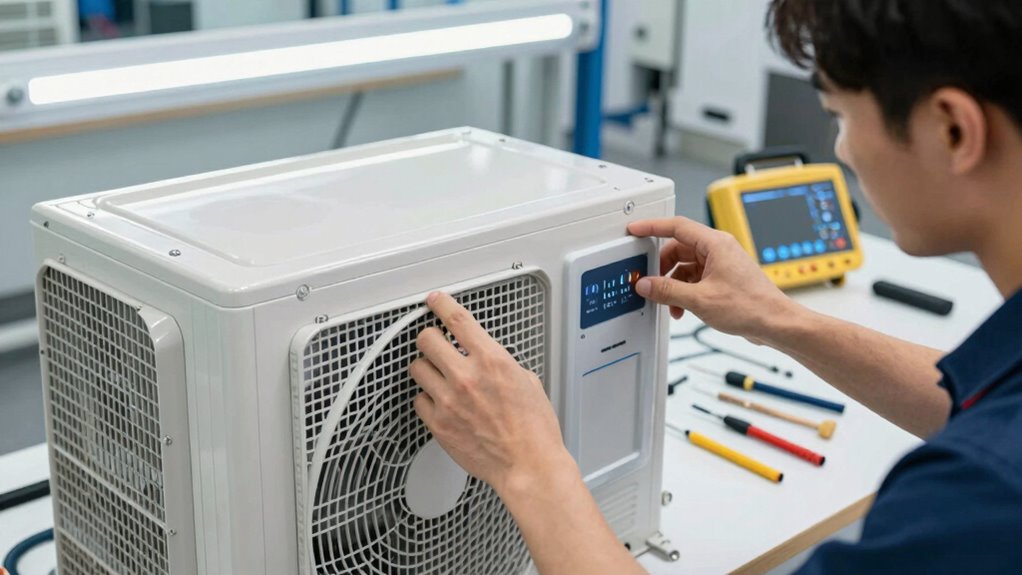
Are your heating and cooling systems ready for an upgrade? If so, you’re probably thinking about how to make the best decision for your home’s comfort and your wallet. One of the most important factors to consider is energy efficiency. Modern HVAC units are designed to consume less energy while providing the same or better performance, which can significantly reduce your utility bills over time. Upgrading to an energy-efficient system not only helps lower your monthly expenses but also minimizes your environmental impact, making your home more eco-friendly. However, before jumping into a new purchase, it’s essential to understand the installation costs involved. These costs can vary depending on the type of equipment you choose and the complexity of the installation process. It’s wise to factor in these expenses early on so you can budget accordingly and avoid surprises.
Upgrading your HVAC system boosts efficiency, lowers bills, and benefits the environment—plan your installation costs carefully.
When evaluating different systems, look for units with high Seasonal Energy Efficiency Ratio (SEER) ratings for air conditioners and heat pumps, or high Annual Fuel Utilization Efficiency (AFUE) ratings for furnaces. These ratings indicate how efficiently the equipment converts energy into heating or cooling, which directly impacts your energy bills. Investing in more efficient equipment might seem costly upfront, but the long-term savings often outweigh initial expenses, especially if you select a unit suited to your home’s size and climate. Also, consider the potential incentives or rebates available in your area for upgrading to energy-efficient models—these can help offset installation costs and make the upgrade more affordable.
In addition, understanding energy efficiency ratings can help you make informed choices when selecting your new system. Beyond the equipment itself, installation costs include labor, permits, and any necessary modifications to your existing ductwork or electrical systems. An improperly installed system can reduce efficiency and lead to higher maintenance costs or breakdowns, so it’s essential to work with experienced professionals. Conducting a thorough assessment of your current system’s condition can help identify potential issues that need to be addressed during installation. It’s also helpful to consider energy audit recommendations to optimize your home’s overall efficiency. Researching long-term maintenance costs associated with different systems can ensure your choice remains cost-effective over time. Considering proper installation practices can maximize your system’s lifespan and efficiency, saving you money in the long run. Obtain multiple quotes and ask about the contractor’s experience with energy-efficient upgrades. Remember, a quality installation guarantees your new system performs at its best and lasts longer.
Ultimately, upgrading your heating and cooling equipment is a smart move if you’re aiming for better energy efficiency and lower ongoing costs. But it’s essential to weigh the upfront investment against long-term savings and comfort improvements. By understanding installation costs and choosing a system aligned with your needs, you set yourself up for a more comfortable, energy-efficient home that’s easier on your budget over time.
As an affiliate, we earn on qualifying purchases.
Frequently Asked Questions
How Often Should I Replace My HVAC Filters During Upgrades?
You should replace your HVAC filters every 1 to 3 months during upgrades, depending on filter type and household needs. Regular filter maintenance guarantees your system runs efficiently and prolongs its lifespan. If you’re upgrading your equipment, consider increasing the filter replacement frequency temporarily to keep dust and debris out of your new system. This proactive approach helps maintain ideal airflow and prevents strain on your upgraded HVAC components.
Will Upgrading Improve My Home’s Energy Efficiency Significantly?
Upgrading your heating and cooling system can notably enhance your home’s energy savings by improving system efficiency. Modern units often feature better technology and are more compatible with smart home systems, leading to optimized performance. However, the actual energy savings depend on proper installation and system compatibility. Consulting with a professional guarantees your new equipment works seamlessly with your home, maximizing energy efficiency and reducing your energy bills over time.
What Warranties Are Included With New Heating and Cooling Systems?
You’ll get warranties that seem almost endless—think extended warranties and robust manufacturer coverage that protect your investment for years. These warranties typically cover parts, labor, and sometimes even maintenance. Some systems come with a 10-year extended warranty, ensuring peace of mind. Always read the fine print, but rest assured, your new heating or cooling system is backed by all-encompassing warranties, making your upgrade worry-free and lasting longer.
Can I Upgrade HVAC Equipment Myself or Need a Professional?
You probably shouldn’t attempt a DIY installation of HVAC equipment, as it’s complex and involves safety risks. Hiring a professional guarantees proper setup, code compliance, and warranty protection. While DIY might seem like a cost-saving move, a professional installation often results in fewer issues and better efficiency. Comparing costs, the initial expense for professional installation can be higher, but it typically saves you money long-term through improved system performance and fewer repairs.
How Long Does the Installation Process Typically Take?
On average, installation takes about one to three days. For instance, if your current ductwork is compatible and the new system matches your home’s needs, the process can be quicker. However, if ductwork modifications are needed or the new system isn’t compatible, it could take longer. Always factor in potential delays and confirm your system compatibility to streamline the upgrade and avoid unexpected extensions.
Conclusion
Upgrading your heating and cooling system can boost efficiency and save you money, but it’s vital to choose the right equipment for your home. Did you know that an ENERGY STAR-certified HVAC system can reduce energy bills by up to 20%? By making informed decisions now, you’ll enjoy improved comfort and lower costs in the long run. Don’t rush the process—proper planning ensures your investment pays off for years to come.
Fall Picks
fall essentials
As an affiliate, we earn on qualifying purchases.