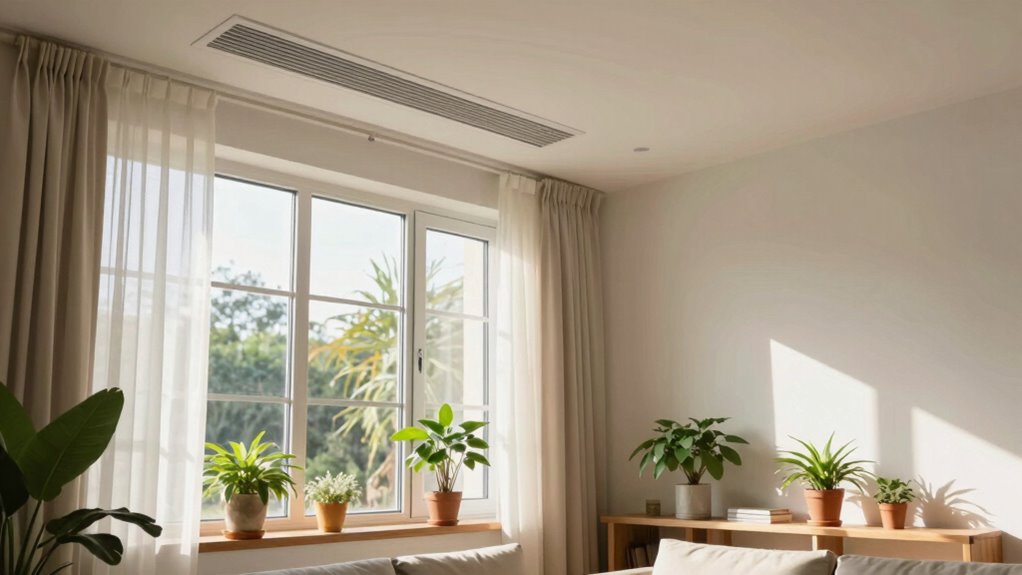

Many homes miss the simple but essential habit of regularly opening windows and vents to guarantee fresh airflow. Doing this helps remove indoor pollutants, excess moisture, and odors, which improves your indoor air quality and health. It also prevents mold growth and structural damage caused by trapped moisture. Establishing a routine of opening windows daily, even for a few minutes, can make a big difference in your home’s comfort and safety—keep going to learn more helpful tips.
Key Takeaways
- Regularly opening windows and vents is the most overlooked yet effective habit to ensure proper airflow.
- Consistent natural ventilation prevents indoor pollutant buildup, mold growth, and moisture problems.
- Small daily actions, like quick window openings, significantly improve indoor air quality.
- Many homes neglect routine airflow practices, risking health issues from stale air and airborne pathogens.
- Combining natural ventilation with exhaust fans optimizes airflow while maintaining energy efficiency.
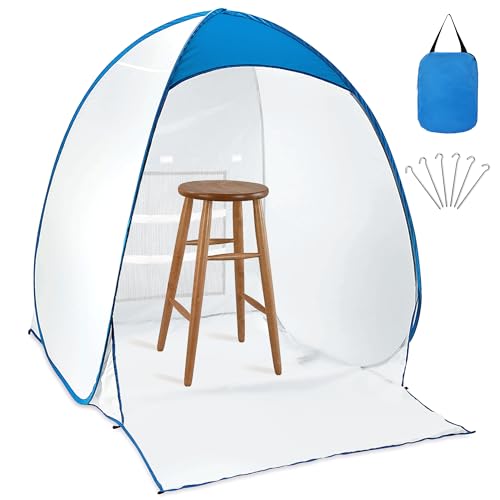
Bofoho Paint Spray Booth Tent - Portable and Foldable Spray Paint Booth Tool with Vents, Tool for Small DIY Painting, Pop-up, Windproof, Easy-to-Clean Paint Station (Blue)
Perfect DIY Size & Versatile Projects – 35in(L) x 34in(W) x 30.8in(H) interior fits miniatures, small furniture, crafts,...
As an affiliate, we earn on qualifying purchases.
Why Good Airflow Is Essential for a Healthy Home
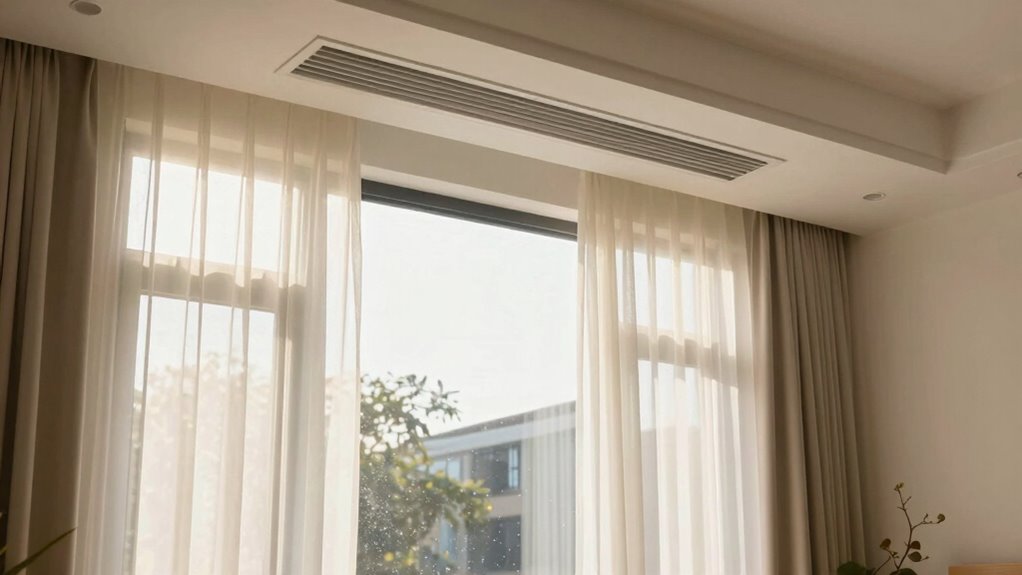
Good airflow is indispensable for maintaining a healthy home because it helps remove indoor pollutants, excess moisture, and odors. When you guarantee proper air exchange, fresh air replaces stale indoor air, reducing airborne contaminants. Without adequate ventilation, moisture buildup can occur, leading to mold growth and structural damage. Good airflow keeps humidity levels balanced, preventing dampness that encourages mold and dust mites. It also helps eliminate indoor odors caused by cooking, pets, or cleaning products. Proper ventilation is especially important in European-built homes where energy efficiency measures can sometimes restrict airflow if not properly managed. Additionally, air exchange rate plays a critical role in maintaining indoor air quality by ensuring a steady flow of fresh air. Regularly opening windows and using exhaust fans can help optimize this exchange and support indoor air quality. By regularly ventilating your space, you reduce the risk of respiratory issues and improve overall indoor air quality. Maintaining steady air exchange is a simple yet crucial habit to create a healthier, more comfortable living environment. Proper ventilation is a fundamental aspect of indoor air quality that many homes overlook, but it plays a vital role in preventing indoor air pollution.

Beeveer Extra Large Paint Booth 8.2 x 7.2 x 6.5 ft with Frame and Zipper Oversized Clear Portable Spray Paint Booth Rainproof Spray Shelter for Furniture Auto Parts Woodworking and Door Painting
Extra Tall and Spacious Design: with dimensions of 8.2ft (2.5m) wide, 6.5ft (2m) deep, and 7.2ft (2.2m) tall,...
As an affiliate, we earn on qualifying purchases.
How Stale Air Affects Your Indoor Environment and Your Health
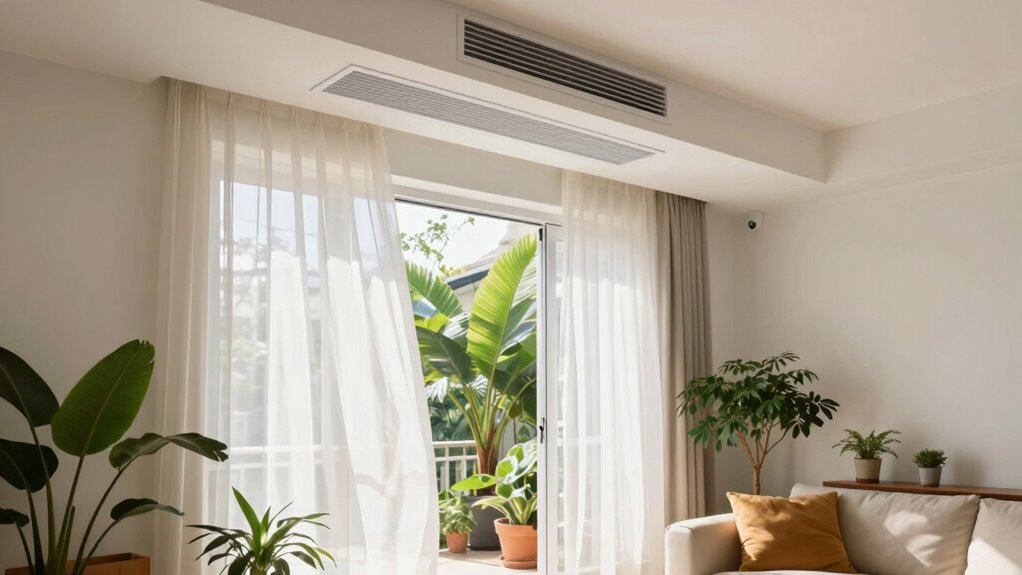
When air becomes stale, the quality inside your home drops, making it harder to breathe comfortably. Over time, poor air quality can lead to health issues like allergies, headaches, and fatigue. Recognizing how stale air impacts your space helps you take steps to improve your indoor environment and your wellbeing. Understanding indoor air quality is essential for creating a healthier living space. Regularly ventilating your home allows fresh air to circulate and helps prevent the buildup of indoor pollutants. Incorporating modern ventilation systems can further enhance air exchange and maintain optimal indoor air quality. Additionally, implementing free floating airflow strategies can help distribute fresh air more evenly throughout your living areas. Using well-designed fans can also improve airflow efficiency and comfort indoors.
Air Quality Decline
As stale air builds up indoors, it can considerably degrade your indoor environment and impact your health. Poor ventilation allows pollutants, allergens, and odors to accumulate, making the air feel heavy and unpleasant. Using an air purifier can help remove airborne contaminants, improving air quality instantly. Additionally, indoor plants act as natural air filters, absorbing toxins and adding humidity. When ventilation is insufficient, these natural methods become less effective, and air quality continues to decline. This buildup of stale air can cause headaches, fatigue, and irritate your respiratory system over time. To maintain a healthy environment, you need to regularly refresh indoor air, ensuring that pollutants don’t linger and degrade your living space. Proper ventilation supports air quality, which is essential for your overall well-being. Ensuring adequate airflow is a simple yet often overlooked step in maintaining a healthy indoor environment. Additionally, ensuring proper ventilation techniques can significantly improve indoor air circulation and quality.
Health Consequences
Stale air in your home doesn’t just feel uncomfortable; it can also pose serious health risks. When your indoor air isn’t properly ventilated, airborne pathogens like viruses and bacteria can accumulate, increasing the chance of illness. Poor airflow also creates an environment conducive to mold growth, which releases spores that can trigger allergies and respiratory issues. Over time, these health hazards can lead to chronic respiratory problems, asthma aggravation, or infections. Children, the elderly, and those with existing health conditions are especially vulnerable. By neglecting proper ventilation, you allow harmful particles and mold to persist, undermining your indoor air quality and your well-being. Ensuring Proper ventilation can significantly reduce these risks and promote overall health. Regularly air exchange helps remove stale air and replenish oxygen, further supporting your respiratory health. Additionally, understanding indoor air quality and implementing effective ventilation strategies can make a notable difference in your home’s environment. Proper ventilation habits are essential for maintaining a safe and healthy living space.

Portable Paint Tent, Large Paint Booth with Built-in Floor, Mesh Screen, Windproof Hooks, and Storage Bag – Ideal for DIY Painting Projects
𝐄𝐚𝐬𝐲 𝐀𝐬𝐬𝐞𝐦𝐛𝐥𝐲 - Our spray tent is designed for quick and effortless assembly, allowing you to create a...
As an affiliate, we earn on qualifying purchases.
The Simple Habit: Opening Windows and Vents to Keep Air Fresh

Opening windows and vents is one of the simplest and most effective ways to keep indoor air fresh. By doing this regularly, you allow stale air to escape and fresh air to circulate, reducing indoor pollutants. This process can significantly improve air quality and promote better health. Regular ventilation also helps to reduce the buildup of indoor pollutants, supporting overall well-being. This simple habit can also complement your HVAC maintenance efforts by preventing buildup of dust and mold that can thrive in stagnant air. Incorporating indoor plants nearby; they naturally purify the air and enhance ventilation. Even a few minutes of opening windows each day can substantially improve air quality, especially in small or poorly ventilated spaces. Remember, ventilation isn’t just about comfort—it’s essential for your health. Making this simple habit part of your routine helps maintain a healthier, more breathable home environment without complex steps or tools. Proper airflow management can also help prevent issues like mold growth and indoor air pollution. Regularly monitoring your home’s ventilation effectiveness ensures these practices remain beneficial over time.

Portable Paint Booth Tent,Siebwin 10(L) x10(W) x6.2(H) ft Spray Paint Tent with Built-in Floor & Mesh Screen & Windproof Hooks, Painting Tent Station for Furniture DIY Hobby Tool, Spray Paint Shelter
Super Large Capacity: Compared to traditional paint tents, Siebwin's paint shelter offers 65% more space, measuring 10x10x6.2 feet....
As an affiliate, we earn on qualifying purchases.
When and How Often Should You Ventilate Your Home?
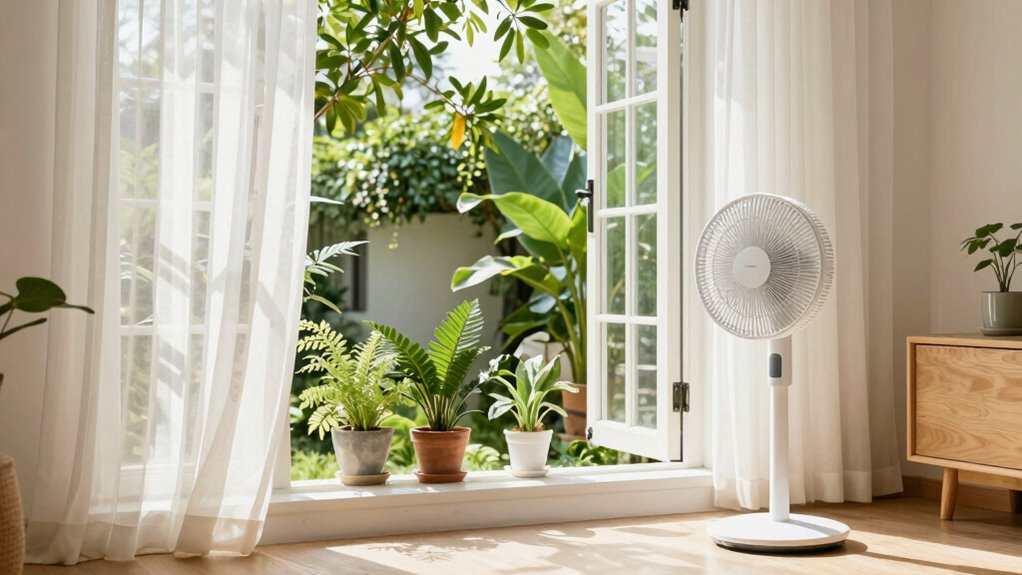
You should establish a regular ventilation schedule to keep your home fresh and safe. How often you do it depends on your living situation and indoor activities, but consistent ventilation is key. By understanding the ideal frequency, you can improve air quality without wasting energy or comfort. For instance, many homeowners overlook the importance of proper ventilation habits, which are essential for maintaining a healthy indoor environment. Incorporating proper airflow management can also help prevent issues like mold growth and indoor pollution. Regular air exchange rates ensure that stale air is replaced efficiently, supporting overall indoor air quality. Additionally, being aware of air quality standards can help you determine when ventilation is most needed to optimize indoor health. Employing security measures such as surveillance cameras and motion detectors can further protect your home environment.
Regular Ventilation Schedule
Establishing a regular ventilation schedule is essential for maintaining fresh indoor air and preventing the buildup of pollutants. Consistent timing guarantees you maximize air exchange, keeping indoor air quality high. Aim to ventilate at least once or twice daily, especially during periods of high activity or when cooking and cleaning. Short, frequent sessions often work best for airflow optimization, preventing stale air from lingering. If possible, open windows or vents in the morning and evening to promote steady airflow and refresh indoor spaces. Adjust your schedule based on your home’s size, occupancy, and local climate. Staying consistent with your ventilation habits helps create a healthier environment, reducing indoor pollutants and improving overall air quality. Regularity is key to effective airflow management.
Optimal Ventilation Frequency
How often should you ventilate your home to keep indoor air fresh and healthy? Ideally, you should aim for multiple air exchanges daily, especially during mild weather. Ventilating at least once or twice a day helps maintain proper indoor airflow and reduces pollutants, moisture, and odors. In homes with high occupancy or pets, more frequent ventilation is beneficial. Regularly opening windows for about 5 to 10 minutes creates a quick burst of fresh air, improving indoor airflow and removing stale air. If possible, use exhaust fans or mechanical ventilation systems to supplement natural airflow. Consistent ventilation guarantees pollutants don’t accumulate and maintains a healthier living environment. Adjust the frequency based on your home’s size, occupancy, and climate for excellent results.
Easy Tips to Make Ventilation a Daily Routine
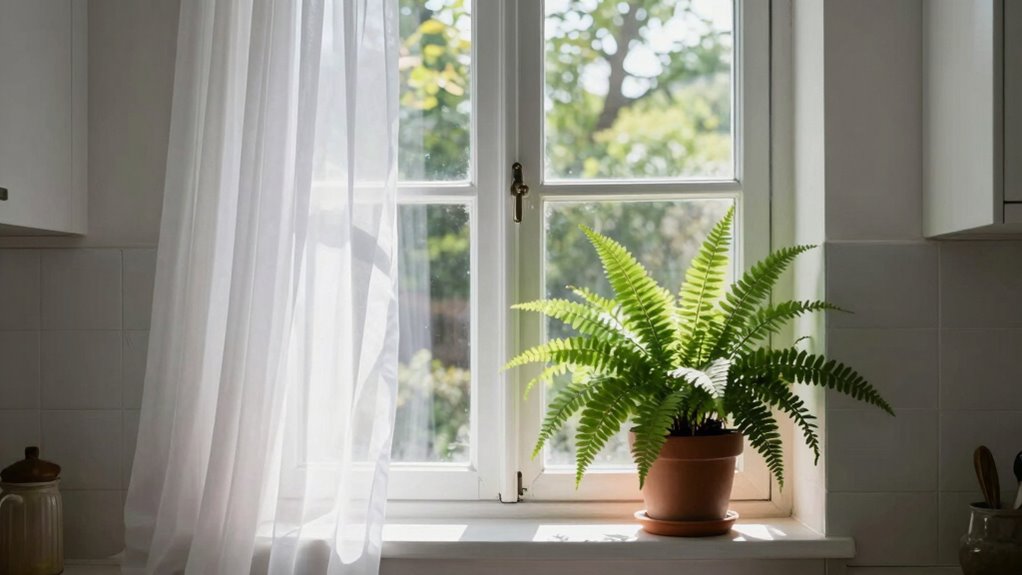
Incorporating ventilation into your daily routine is easier than you might think. Small, consistent actions can notably improve your indoor air quality. Here are some simple tips:
Small daily actions like opening windows and adding indoor plants can significantly improve your home’s air quality.
- Open windows daily, especially when weather permits, to allow fresh air in and stale air out.
- Place indoor plants and air purifiers in common areas to naturally filter and refresh the air.
- Use exhaust fans in the kitchen and bathroom regularly to remove humidity and odors.
These habits don’t require much effort but make a big difference. Indoor plants add a natural touch, while air purifiers help eliminate pollutants. By making these practices routine, you ensure your home stays fresh, healthy, and well-ventilated every day.
Overcoming Common Obstacles to Proper Airflow

Many common obstacles can hinder proper airflow in your home, but understanding and addressing these issues can substantially improve ventilation. Airflow barriers like blocked vents, clutter, or closed windows reduce fresh air circulation. Additionally, ventilation myths sometimes lead you to believe that sealing your home tightly is always best, but this can trap stale air and pollutants. To overcome these obstacles, regularly check and clear vents, open windows when possible, and avoid over-sealing your home. Be mindful of false beliefs that restrict airflow, such as the idea that airtight homes don’t need ventilation. By identifying these barriers and debunking these myths, you’ll create a healthier, more comfortable indoor environment with ideal airflow.
Balancing Fresh Air and Energy Use in Your Home

Balancing fresh air with energy efficiency is essential for maintaining a healthy and cost-effective home. Proper air exchange improves indoor air quality while preventing energy waste. To achieve this balance, consider these strategies:
Balancing fresh air and energy efficiency ensures a healthy, cost-effective home through proper ventilation strategies.
- Use exhaust fans in kitchens and bathrooms to control humidity and remove stale air without overcooling or overheating your home.
- Install controlled ventilation systems, like HRVs or ERVs, to optimize air exchange while conserving energy.
- Regularly open windows during moderate weather to refresh indoor air naturally, reducing reliance on mechanical systems and managing humidity levels.
Signs Your Home Needs Better Ventilation and How to Fix It
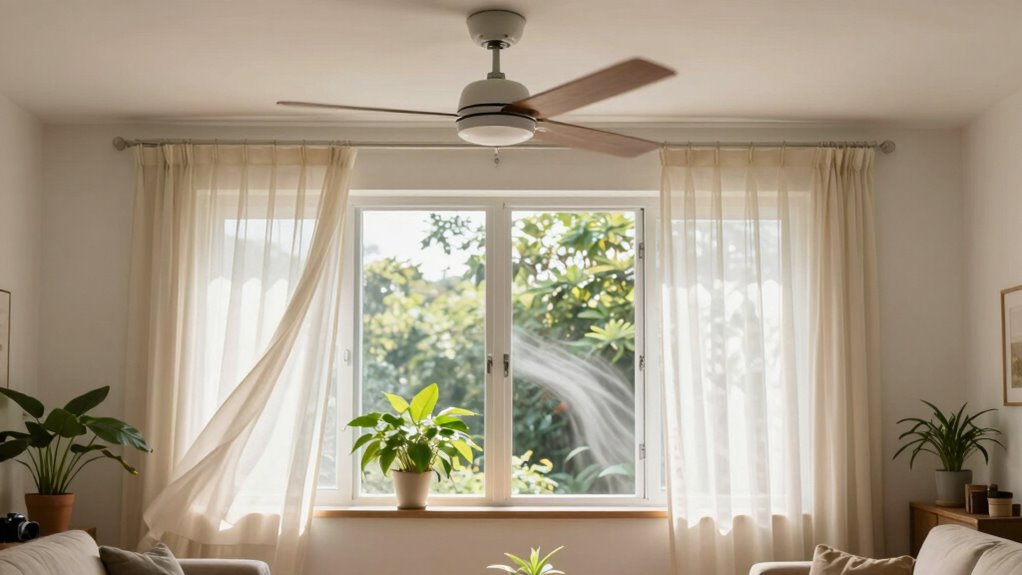
If your home feels stuffy or you notice persistent odors, it’s a clear sign that your ventilation may be inadequate. Poor airflow can lead to stale air, increased indoor humidity, and compromised air filtration, which worsens indoor air quality. You might also notice condensation on windows or mold growth in damp areas, indicating humidity control issues. To fix this, consider upgrading your ventilation system with exhaust fans or installing a balanced ventilation system that includes air filtration. Ensuring proper humidity control helps prevent mold and reduces allergens. Regularly opening windows can also boost airflow and refresh indoor air. Addressing these signs promptly keeps your home healthier, more comfortable, and better ventilated.
Make Ventilation a Habit for a Healthier Home
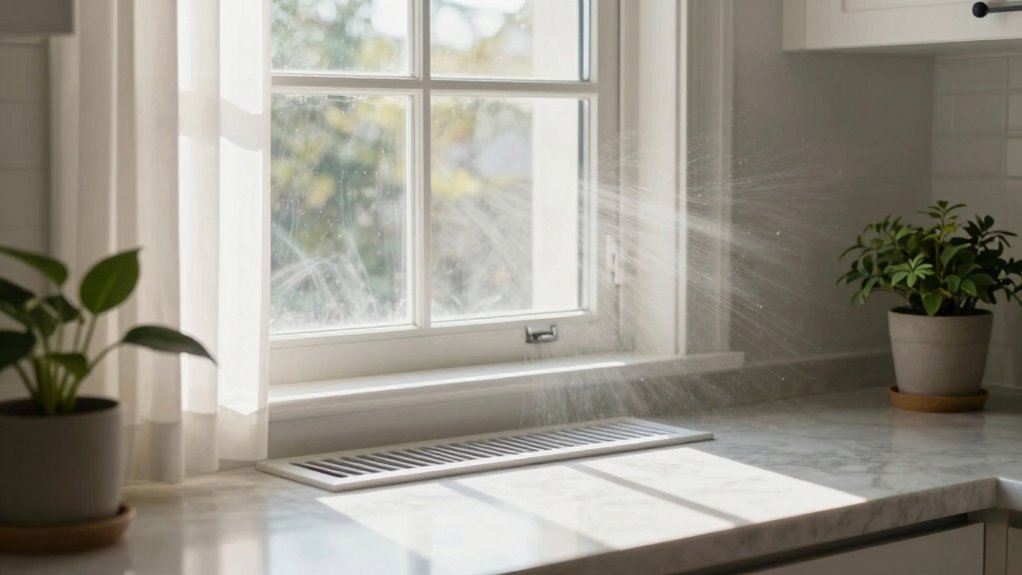
Making ventilation a daily habit guarantees your home stays fresh and healthy. Consistent indoor air circulation helps remove pollutants and reduces mold risk. To build effective ventilation habits, consider these steps:
- Open windows regularly to promote fresh airflow, especially in high-traffic areas.
- Use exhaust fans during cooking and cleaning to remove moisture and odors.
- Keep vents and filters clean to assure maximum air exchange.
Frequently Asked Questions
How Can I Improve Airflow in Small or Apartment Spaces?
To improve airflow efficiency in small or apartment spaces, you should use effective ventilation strategies like opening windows regularly and using exhaust fans. Keep interior doors open to promote better circulation and consider placing fans strategically to move air throughout your space. Additionally, choose space-efficient air purifiers with good airflow, and avoid blocking vents or air passages. These simple steps help make certain of fresh air and reduce indoor pollutants effectively.
Are There Any Safety Concerns With Opening Windows Frequently?
Opening your windows is like releasing a gust of fresh air, but safety concerns do matter. You should always consider window security to prevent intruders and be mindful of noise concerns, especially in busy areas. Keep windows locked when you’re not around, and choose secure locks or screens. By staying cautious, you enjoy fresh air without risking your safety or peace of mind.
What Are the Best Ventilation Methods for Allergy Sufferers?
For allergy sufferers, the best ventilation methods include using an air purifier with a HEPA filter and ensuring proper air exchange. Keep windows closed during high pollen seasons, but open them when pollen counts are low to promote fresh air. Use exhaust fans in bathrooms and kitchens to reduce indoor allergens. Combining these strategies helps improve air quality, making your home more comfortable and allergy-friendly.
How Does Outdoor Air Quality Influence Indoor Ventilation Choices?
When outdoor air quality plummets due to air pollution and outdoor allergens, you gotta be extra cautious with your indoor ventilation choices. Opening windows might invite harmful pollutants inside, making your home a haven for allergens and toxins. Instead, use air purifiers, sealed ventilation systems, or filtered air exchange methods. This way, you protect yourself from breathing in harmful outdoor pollutants while still maintaining fresh air indoors.
Can Mechanical Ventilation Systems Replace Traditional Window Airing?
Mechanical ventilation systems can replace traditional window airing, but they’re most effective when combined with energy efficiency features. These systems actively remove indoor contaminants and bring in fresh outdoor air, helping maintain healthier indoor air quality. Unlike just opening windows, they operate continuously and efficiently, reducing energy loss. So, if you want consistent airflow and better control over indoor pollutants, investing in a good mechanical ventilation system is a smart choice.
Conclusion
Imagine your home as a living, breathing space where invigorating air weaves through every corner, banishing stagnation and inviting vitality. By making a simple habit of opening windows and vents, you fill your sanctuary with clarity and warmth. This small act transforms your environment into a haven that nurtures your health and well-being. Embrace this easy routine, and watch your home blossom into a vibrant, rejuvenating refuge every day.