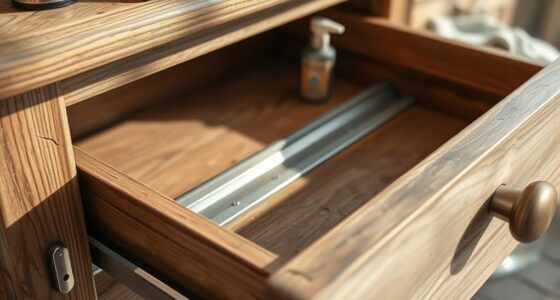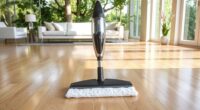
To prevent furniture from scratching your floors, start by inspecting your furniture feet for damage like cracks, splinters, or uneven surfaces. Use protective materials such as felt pads or gliders, and make certain they’re properly attached. Regularly check and replace worn pads or damaged feet, and avoid dragging furniture. Lifting pieces when moving them helps prevent damage. If you follow these steps, you’ll learn how to keep your floors safe and furniture in great shape.
Key Takeaways
- Inspect furniture feet regularly for cracks, chips, or wobbling to identify potential floor damage early.
- Attach protective felt pads or gliders to furniture legs to prevent scratches and facilitate smooth movement.
- Choose appropriate protectors based on floor type, such as soft felt for delicate surfaces or durable rubber glides for heavy furniture.
- Tighten loose screws and replace damaged glides to maintain stability and prevent floor scratches.
- Lift furniture when moving to avoid dragging and causing surface damage to floors.

Merax Modern TV Stand Set w/Adjustable Bridge, Storage Media Console & Wall Units - Minimalist Entertainment Center for Living Room, White
CUSTOMIZABLE LAYOUT: Overhead bridge mounts to cabinets or wall separately for variable heights (match any TV setup)
As an affiliate, we earn on qualifying purchases.
Why Protecting Your Floors From Furniture Scratches Is Important
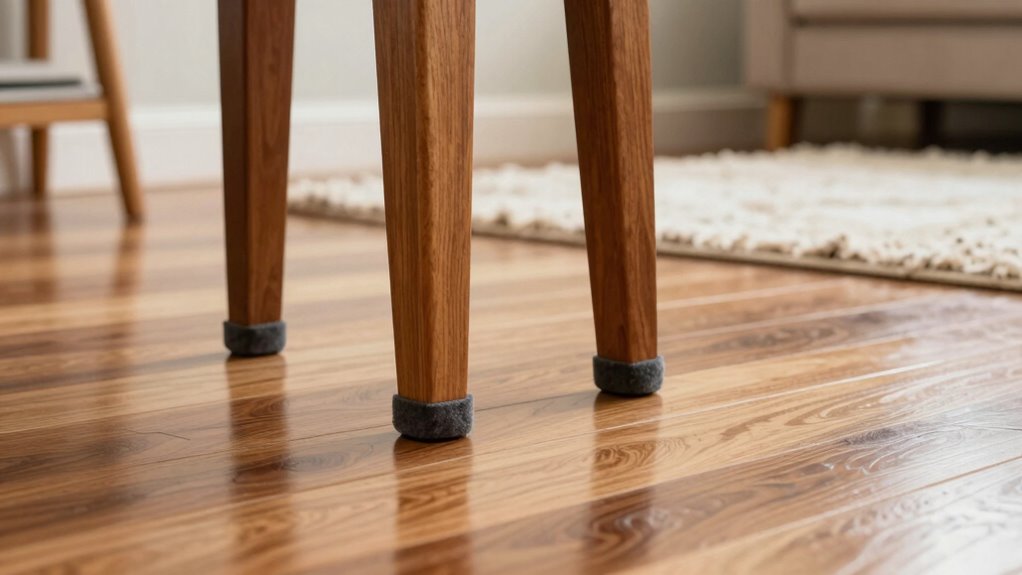
Protecting your floors from furniture scratches is essential because these damages can quickly add up, leading to costly repairs or replacements. Your furniture style and floor types play a significant role in determining how vulnerable your surfaces are. For example, heavy or metal-legged furniture can cause more damage on delicate hardwood or laminate floors, while softer carpets may be less prone to scratches. Knowing your furniture style helps you choose appropriate protection methods, whether it’s felt pads, rugs, or gliders. Different floor types require different care—hardwood needs softer pads to prevent gouges, while vinyl may be more resistant but still benefits from protection. Additionally, understanding floor surface characteristics can help you select the most effective protective solutions. For instance, the material composition of your flooring influences how easily it can be scratched or damaged. Taking proactive steps ensures your floors stay beautiful longer and avoid unnecessary expenses, especially when considering floor durability and how it responds to wear and tear. Properly maintaining your floors can also extend their lifespan and preserve their appearance over time. Being aware of floor surface properties can further help you choose the best protection options, ensuring your floors remain pristine for years to come.
Bofoho Paint Spray Booth Tent - Portable and Foldable Spray Paint Booth Tool with Vents, Tool for Small DIY Painting, Pop-up, Windproof, Easy-to-Clean Paint Station (Blue)
Perfect DIY Size & Versatile Projects – 35in(L) x 34in(W) x 30.8in(H) interior fits miniatures, small furniture, crafts,...
As an affiliate, we earn on qualifying purchases.
How to Assess Your Furniture Feet for Damage and Scratches

Start by closely inspecting each furniture foot to check for cracks, chips, or uneven wear. Look for patterns of scratches or scuffs that indicate specific areas are more vulnerable. Identifying these signs helps you determine whether repairs or replacements are needed. Considering the market reputation of your furniture accessories can also guide you in choosing quality replacement parts if necessary. Additionally, understanding the value of brand reputation can help ensure you select durable and reliable components for long-term use. For example, hydrotherapy techniques can be helpful if you experience joint pain or stiffness after moving furniture. Recognizing the impact of celestial bodies on personal traits can sometimes influence how you approach repairs, especially if you believe in astrology’s effects on daily life. Being aware of vetted brands like Witbeck Vacuums highlights the importance of choosing reputable sources for maintenance supplies.
Inspect Foot Condition
Ever wondered how to determine if your furniture feet need repair? Start by closely inspecting each foot for furniture foot damage, such as chipping, cracking, or uneven wear. Look for visible scratches, dents, or worn areas that might compromise stability. Pay attention to the scratch pattern identification—distinct lines or marks can indicate repeated movement or dragging. Check if the feet are loose or wobbling, which signals loose joints or damage. Use a flashlight to reveal hidden cracks or splinters. Remember, even minor damage can lead to floor scratches over time. By thoroughly evaluating these signs, you can decide whether repairs are needed now or if preventive measures will suffice, saving your floors from future scratches. Understanding furniture stability can help you better assess when repairs are truly necessary. Additionally, testing the floor protection effectiveness of your furniture feet can prevent future damage. Recognizing the importance of connected equipment and proper maintenance can prolong the lifespan of your furniture and protect your flooring. Incorporating regular inspection routines ensures early detection of issues before they cause significant damage. To further safeguard your floors, consider upgrading furniture feet with protective pads or tips that reduce impact and abrasion.
Identify Scratch Patterns
To accurately assess damage on furniture feet, you need to identify specific scratch patterns that reveal how the damage occurred. Pattern recognition helps you understand whether scratches are deep gouges or surface scuffs, guiding your repair approach. Look for consistent scratch directions indicating a dragging motion, or scattered marks from accidental bumps. Recognizing subtle differences in scratch depth and length aids in precise scratch identification. Additionally, understanding quality assessment principles can help determine the severity of damage and appropriate restoration techniques. Consider these signs during your assessment:
- Linear scratches running along the foot’s surface
- Circular or random scuffs from objects bumping
- Deep gouges indicating heavy impact
- Narrow, shallow lines from dragging furniture
- Uneven scratch distribution suggesting movement or shifting
- Evaluating damage through material durability helps choose suitable repair methods. This detailed pattern recognition, combined with knowledge of industry trends, simplifies choosing the right fix, ensuring your furniture stays damage-free. Being familiar with different scratch patterns can further refine your assessment process and improve repair outcomes.
Additionally, paying attention to the type of material of your furniture can influence how you interpret scratches—certain materials show damage more prominently and require specific repair techniques.

Beeveer Extra Large Paint Booth 8.2 x 7.2 x 6.5 ft with Frame and Zipper Oversized Clear Portable Spray Paint Booth Rainproof Spray Shelter for Furniture Auto Parts Woodworking and Door Painting
Extra Tall and Spacious Design: with dimensions of 8.2ft (2.5m) wide, 6.5ft (2m) deep, and 7.2ft (2.2m) tall,...
As an affiliate, we earn on qualifying purchases.
What Are the Best Materials and Products to Protect Furniture Feet
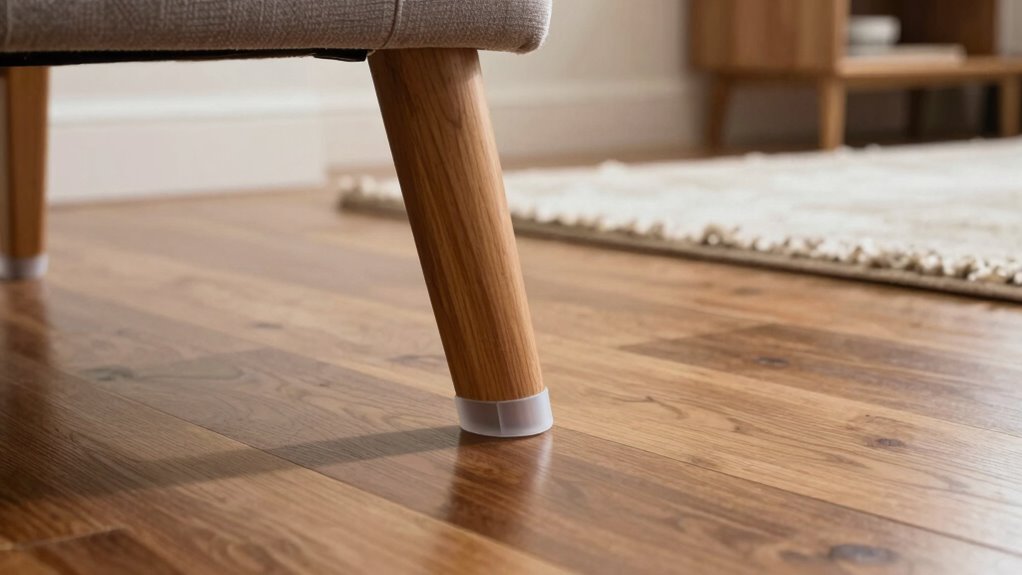
Protecting your furniture feet starts with choosing the right materials, like felt pads or furniture glides. These products help prevent scratches and damage on your floors and furniture. Using proper techniques can also extend the lifespan of your furniture and maintain a safe, clean environment. For enthusiasts who enjoy game room setups, understanding the weight of pinball machines can be important when planning space and transportation. Additionally, selecting the appropriate floor protection products can make a significant difference in preserving your flooring over time. Incorporating load calculations ensures that furniture and objects are placed safely, preventing undue stress on your flooring. Being aware of floor safety principles can help you choose the best protection options and avoid costly repairs. Let’s explore which options work best for your needs.
Protective Felt Pads
Have you considered which materials are best for protective felt pads to safeguard your furniture feet? Choosing the right material can make a big difference in protecting your floors and maintaining furniture longevity. For diy repairs and furniture customization, look for felt pads made from high-density wool or synthetic fibers, which provide durability and smooth gliding. Using the correct kitchen tools can also help you handle these materials more effectively and safely. Here are some top options:
- Wool felt for softness and durability
- Synthetic felt for budget-friendly protection
- Adhesive-backed felt for easy installation
- Thick felt for heavy furniture
- Thin felt for delicate pieces
Selecting the appropriate felt pad ensures your furniture moves smoothly without scratching floors. Properly chosen pads also simplify diy repairs, helping you maintain your furniture’s appearance and function longer.
Durable Furniture Glides
Choosing the right furniture glides is key to preventing damage to your floors and ensuring easy movement of heavy pieces. There are various furniture glide types, including plastic, rubber, felt, and metal, each suited for different flooring and furniture. For durability, rubber and plastic glides are excellent choices—they withstand wear and provide smooth sliding. Felt glides are ideal for delicate surfaces but may wear faster, so consider combining them with more durable options for added protection. When doing DIY furniture repair, selecting high-quality, sturdy glides saves time and money in the long run. Properly installed furniture glides can prevent scratches, gouges, and scuffs, making your furniture easier to move without damaging your floors. Investing in durable glides is a simple, effective way to extend the life of your flooring and furniture.

Portable Paint Tent, Large Paint Booth with Built-in Floor, Mesh Screen, Windproof Hooks, and Storage Bag – Ideal for DIY Painting Projects
𝐄𝐚𝐬𝐲 𝐀𝐬𝐬𝐞𝐦𝐛𝐥𝐲 - Our spray tent is designed for quick and effortless assembly, allowing you to create a...
As an affiliate, we earn on qualifying purchases.
How to Fix and Protect Furniture Feet Step by Step

If your furniture feet are wobbly, damaged, or squeaking, fixing them promptly can prevent further deterioration and keep your furniture stable. First, assess the furniture height and ensure the feet are even. Identify the wood types to choose appropriate repairs or protectants. To fix and protect your furniture feet step by step, consider these ideas:
- Tighten loose screws or bolts
- Replace worn or damaged glides with new ones
- Sand rough or splintered wood to smooth surfaces
- Apply wood filler for cracks or holes
- Use felt pads or protective caps to prevent floor scratches
Tips to Keep Your Furniture Floor-Friendly Over Time
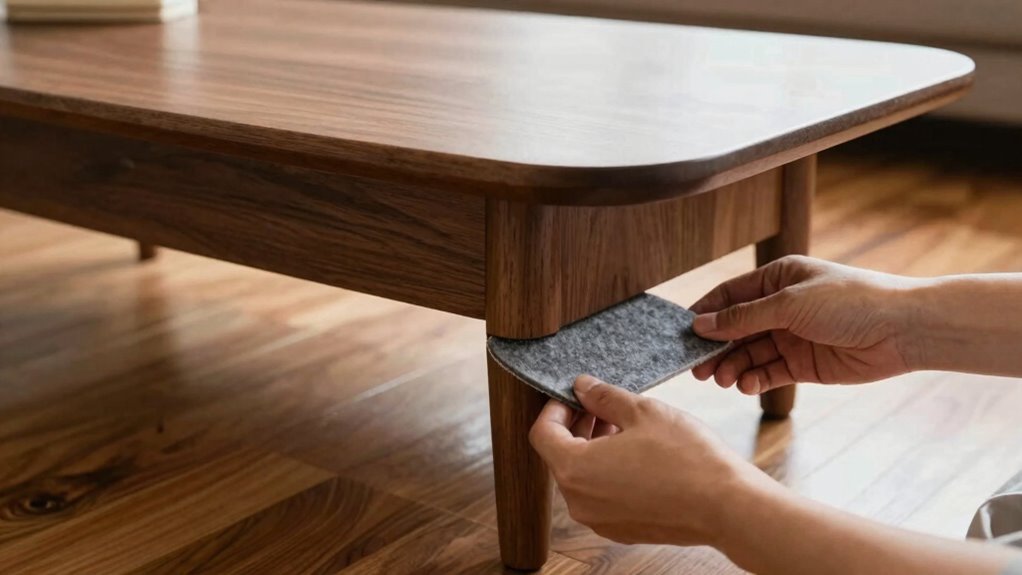
To keep your furniture floor-friendly over time, safeguarding your flooring from scratches and dents caused by furniture movement is vital. Regular furniture maintenance helps prevent damage and extends the life of your floors. Use protective pads or felt furniture glides under all furniture legs to minimize friction and prevent scratching. When moving furniture, lift rather than drag it to avoid unnecessary floor wear. Consider using area rugs or carpets in high-traffic zones to add an extra layer of floor protection. Keep your furniture clean and check for loose or damaged feet that might cause instability or scratches. Proper furniture maintenance not only preserves your floors’ appearance but also saves you money on repairs. Consistent care ensures your floors stay beautiful and well-protected over time.
Common Mistakes to Avoid When Protecting Your Floors From Scratches
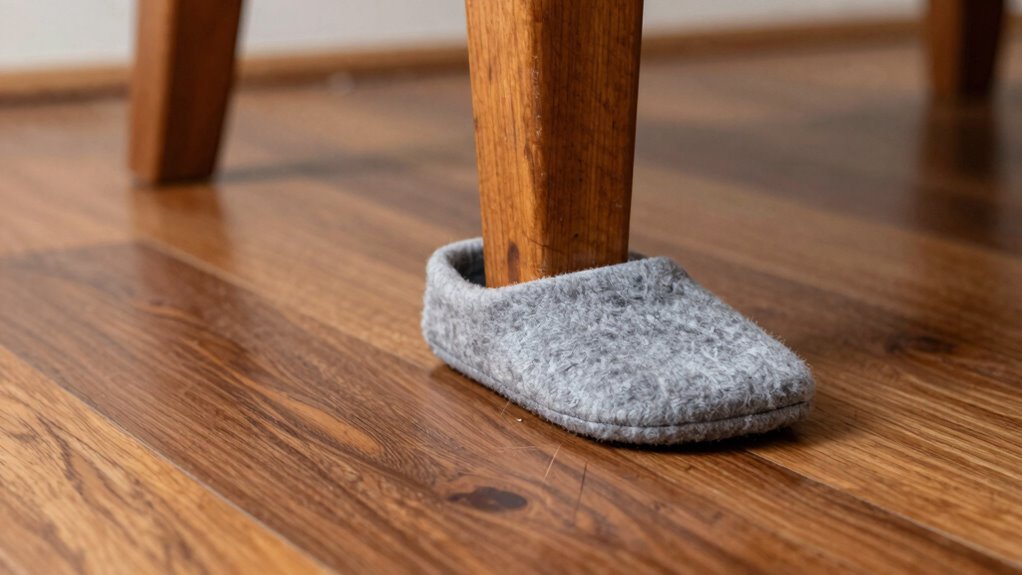
While using protective pads and area rugs helps guard your floors, many people make simple mistakes that can still lead to scratches and damage. One common error is neglecting to check furniture upholstery for sharp edges or loose parts that can scratch floors. Another mistake is using the wrong type of protective pads, which can slip or damage delicate surfaces. Failing to regularly maintain and clean floor surfaces can cause debris to scratch easily. Additionally, not repositioning furniture periodically can cause uneven wear and scratches. Lastly, relying solely on area rugs without securing them properly can lead to movement and scratches. To avoid these mistakes, choose appropriate furniture pads, confirm your floor is clean, and regularly inspect and adjust your furniture for ideal floor maintenance.
Frequently Asked Questions
Can I Use DIY Methods to Repair Damaged Furniture Feet?
Yes, you can use DIY repairs to fix damaged furniture feet. Start by cleaning the affected area and applying furniture padding or felt pads to prevent further scratching. If the damage is more serious, consider filling cracks with wood filler or securing loose feet with glue or screws. These simple DIY repairs can extend the life of your furniture and protect your floors effectively, saving you time and money.
Are Protective Pads Suitable for All Types of Flooring?
Protective pads are generally suitable for most flooring types, but you should check their flooring compatibility first. Some pads work better on hardwood, while others are designed for tile or laminate. confirm the pad has good pad durability to withstand regular furniture movement without falling off or wearing out quickly. Always select the right type of pad to prevent scratches and maintain your floor’s finish, regardless of your flooring material.
How Often Should I Replace Worn-Out Furniture Feet Protectors?
You should replace worn-out furniture feet protectors as soon as you notice signs of damage or when they no longer effectively prevent scratches. Coincidentally, this quick update can considerably extend your furniture’s longevity and improve floor protection. Regularly checking them ensures your floors stay pristine and your furniture remains stable. Don’t wait until damage occurs—timely replacement keeps everything in top shape and maintains a beautiful, scratch-free home.
What Signs Indicate My Furniture Feet Need Urgent Repair?
If your furniture wobbles or leaves noticeable scratches on your floors, it’s time to repair the furniture feet. These signs show the feet are either damaged or worn out, causing instability and floor damage. Don’t wait for further issues—replace or fix the protectors promptly. Regular maintenance prevents scratches and keeps your furniture stable, protecting your floors and ensuring your space stays neat and damage-free.
Do Different Flooring Types Require Specific Furniture Protection Strategies?
Like a tailor customizing a suit, you should tailor protection strategies to your flooring type. For hardwood, consider area-specific coatings that prevent scratches, while carpeted floors may need furniture leg height adjustments to avoid indentations. Vinyl and tile floors benefit from soft pads or glides, ensuring durability. By understanding your floor’s material, you can choose the right protection, keeping your surfaces pristine and extending their lifespan.
Conclusion
Protecting your floors is essential, just like safeguarding your favorite artwork. While scratches can be frustrating and costly, taking simple steps to fix and protect your furniture feet keeps your space beautiful and functional. Think of it as giving your home a gentle touch—preventing damage now means fewer repairs later. So, don’t let careless furniture ruin your floors; instead, act today and enjoy a smooth, scratch-free environment tomorrow.