
TL;DR

Get furniture and decor delivered free — and shop member deals
- Fast, free delivery on millions of items
- Access to Prime Big Deal Days deals on October 6–7
- Prime Video, Amazon Music and more included
During New York Fashion Week, designers showcased a surge in joyful, colorful fashion emphasizing optimism and playfulness. This trend marks a shift from previous more subdued styles and reflects broader cultural shifts. The development is based on observed runway collections and coverage, though the full scope and motivations remain unconfirmed.
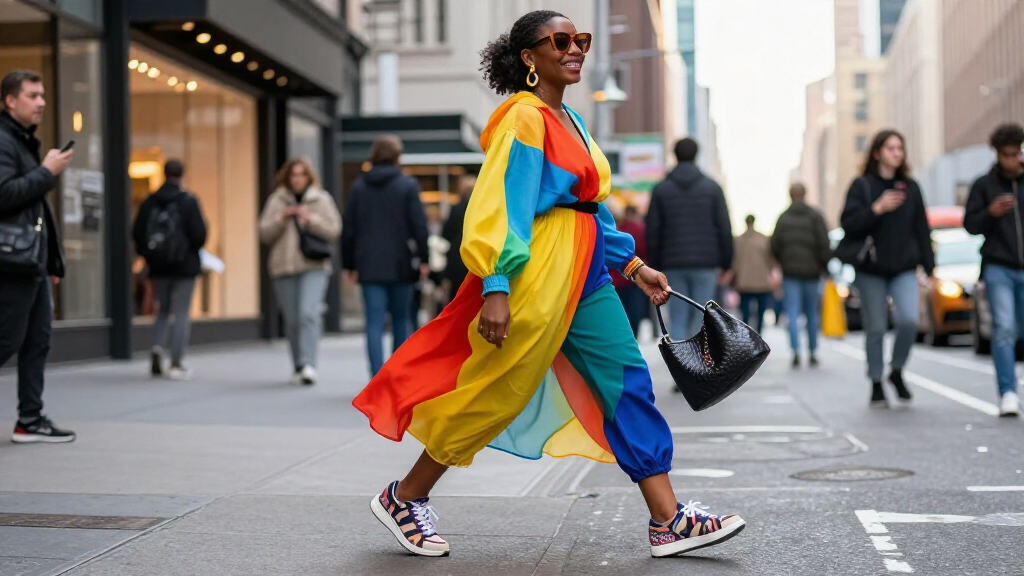
Bright colors, playful silhouettes, and optimistic themes took center stage at New York Fashion Week, marking a significant shift toward joyful dressing that has captured industry attention. This trend, characterized by an emphasis on positivity and self-expression, is confirmed through the showcased collections and media coverage, reflecting a broader cultural moment that values optimism in fashion.
Over the course of New York Fashion Week, numerous designers presented collections that prioritized vivid hues, whimsical designs, and uplifting motifs. The trend contrasts sharply with previous seasons’ more muted and minimalist aesthetics. Observers note that the emphasis on joyful dressing appears to be a response to recent societal shifts, including a desire for comfort, self-expression, and emotional well-being.
Fashion analysts and industry insiders point to the prevalence of bright color palettes, playful accessories, and unconventional styling across multiple runway shows. While the trend’s popularity is evident in the runway presentations and street style, it is still unclear whether it signifies a long-term shift or a temporary response to current cultural sentiments.
Some designers explicitly referenced themes of hope and resilience in their collections, with many collections featuring cheerful patterns, oversized silhouettes, and experimental textures. The overall mood conveyed was one of celebration and positivity, resonating with a broad audience eager for uplifting fashion statements.
Implications of the Joyful Fashion Shift
The prominence of joyful dressing at New York Fashion Week indicates a potential shift in industry trends toward more expressive and optimistic fashion. This movement could influence retail, marketing, and consumer preferences, emphasizing emotional well-being and self-affirmation. The trend also reflects broader societal desires for positivity following challenging years, suggesting that fashion continues to serve as a mirror for cultural moods.
However, it remains uncertain whether this trend will endure beyond the runway or if it is a temporary response to current social dynamics. The fashion industry’s response to this shift could shape upcoming seasons and influence mainstream consumer behavior, making it a development worth monitoring.
As an affiliate, we earn on qualifying purchases.
Cultural and Market Drivers of Joyful Dressing
Interest in joyful dressing and vibrant fashion has been rising in recent months, with search and coverage interest spiking, according to trend signals. While specific triggers remain unconfirmed, analysts suggest that the trend may be linked to a broader cultural movement emphasizing positivity, mental health awareness, and self-expression. The current moment in fashion is characterized by a desire to break away from austerity and minimalism, favoring more playful and expressive styles.
Historically, fashion cycles have oscillated between subdued and exuberant aesthetics, but the current surge in colorful, optimistic styles appears to be gaining momentum across multiple fashion capitals, starting with New York. The trend’s roots could be connected to societal shifts post-pandemic, where individuals seek comfort and joy through their personal style choices.
Industry insiders note that the trend’s popularity is still developing, and whether it will translate into lasting change remains uncertain. The influence of social media and celebrity endorsements may accelerate its adoption, but concrete evidence of its staying power is yet to emerge.
Unconfirmed Aspects of the Joyful Dressing Trend
It is not yet clear whether the joyful dressing trend will persist into future seasons or remain confined to current runway shows. The full extent of its influence on retail and consumer behavior is still emerging, and industry experts caution that the trend’s longevity is unconfirmed.
Additionally, the specific motivations behind the trend—whether driven by cultural shifts, market forces, or social media influence—remain speculative at this stage. Further analysis and data are needed to determine if this is a lasting movement or a temporary fashion moment.
Next Steps in the Evolution of Joyful Fashion
Fashion industry observers will monitor upcoming collections from major brands and retailers to assess whether joyful dressing continues to gain traction. Market data on consumer purchases, social media trends, and retail sales will help gauge the trend’s staying power.
Additionally, industry insiders expect that brands may increasingly incorporate vibrant colors and playful designs into their marketing strategies, potentially influencing mainstream fashion. The next few seasons will be critical in determining if this optimistic style shift becomes a lasting feature of the fashion landscape.
Key Questions
What defines joyful dressing at New York Fashion Week?
Joyful dressing is characterized by bright colors, playful silhouettes, whimsical accessories, and themes of optimism and self-expression showcased in runway collections.
Is this trend expected to last beyond the runway?
It is currently uncertain whether joyful dressing will become a lasting trend or remain a seasonal or runway phenomenon, as industry data and consumer behavior are still developing.
What social or cultural factors are driving this trend?
While unconfirmed, analysts suggest that societal desires for positivity, mental health awareness, and a collective wish for resilience post-pandemic are likely contributing to the trend.
How might this trend influence retail and marketing?
If sustained, brands may incorporate more vibrant, playful styles into their collections and advertising, appealing to consumers seeking positivity and self-affirmation.
Are any specific designers or collections leading the trend?
Multiple designers showcased collections emphasizing joyful themes, but no single label has been identified as the definitive leader of this movement yet.
Source: rss
Fall Picks
fall essentials
As an affiliate, we earn on qualifying purchases.