
Steam cleaning uses high-temperature vapor to sanitize surfaces, loosen dirt, and remove grime without harsh chemicals. It works best on smooth, heat-resistant surfaces like tile, grout, and sealed wood. However, it can’t disinfect with chemicals or handle stubborn grease and heavy stains well. Soft, porous materials may be damaged or retain moisture. Want to discover how to maximize its benefits and avoid common pitfalls? Keep exploring to get the full essentials.

Get furniture and decor delivered free with Prime
- Fast, free delivery on millions of items
- Prime Video, Amazon Music and more included
- Member-only deals all year
Key Takeaways
- Steam cleaning uses high-temperature vapor to loosen dirt, bacteria, and grime without chemicals, making it effective for deep cleaning.
- It is ideal for hard, non-porous surfaces like tile, grout, sealed hardwood, and countertops, but less suitable for delicate or porous materials.
- Steam can sanitize and deodorize surfaces, reducing germs and allergens, but cannot deliver disinfectants or chemical agents.
- Proper surface preparation and technique are essential; avoid over-soaking or spraying sensitive or soft surfaces.
- While effective for many messes, steam cleaning has limitations with stubborn stains, heavy grease, and porous surfaces prone to mold if not dried properly.
steam cleaner for tile and grout
As an affiliate, we earn on qualifying purchases.
As an affiliate, we earn on qualifying purchases.
What Is Steam Cleaning and How Does It Work?

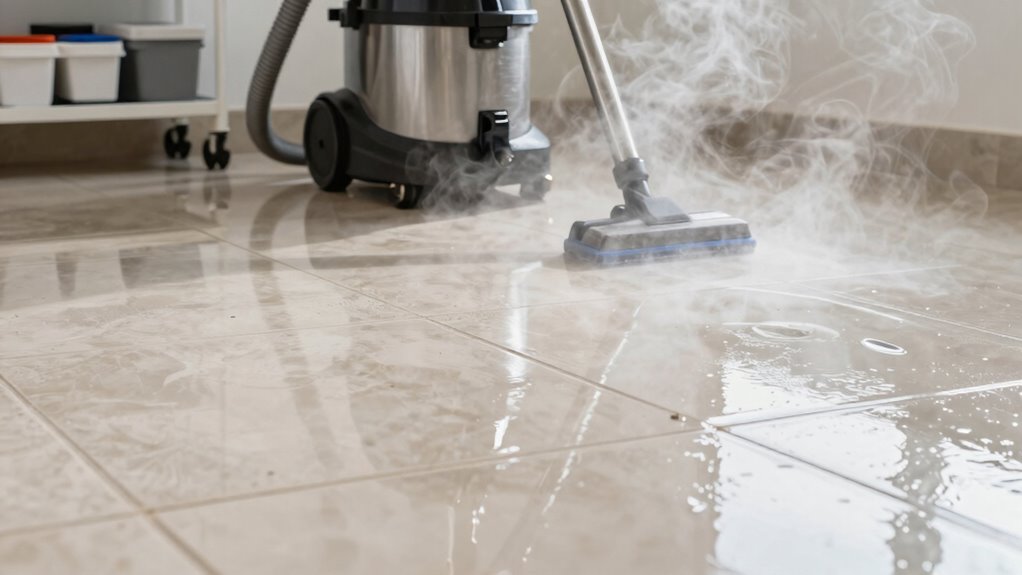
Have you ever wondered how steam cleaning effectively removes dirt and grime? It all comes down to steam technology, which uses hot, pressurized vapor to penetrate surfaces. When you operate a steam cleaner, water heats up in a boiler until it turns into steam, reaching temperatures that can exceed 200°F. This high temperature helps loosen and break down stubborn dirt, grease, and bacteria on various surfaces. The force of the steam lifts dirt without the need for harsh chemicals, making it an eco-friendly choice. The cleaning effectiveness of steam cleaning lies in its ability to sanitize and deodorize simultaneously, reaching into crevices and textured surfaces that traditional cleaning methods might miss. Additionally, European cloud innovation supports the development of sustainable and secure cleaning technologies, ensuring that these methods align with environmentally friendly practices. This makes steam cleaning a powerful, versatile option for maintaining cleanliness. Steam penetration allows the vapor to access difficult spots, enhancing its cleaning capabilities and ensuring a thorough disinfecting process. Moreover, the contrast ratio of the steam can influence its ability to lift dirt from textured or uneven surfaces, making it even more effective. Proper temperature control is essential to maximize cleaning performance without damaging delicate surfaces.
Why Use Steam Cleaning? Benefits You Should Know

Steam cleaning offers powerful results by thoroughly removing dirt and grime without harsh chemicals. It’s an eco-friendly choice that’s safe for your family and the environment. Plus, it kills bacteria and germs effectively, leaving your space cleaner and healthier. Additionally, steam cleaning can be used on various surfaces, making it a versatile cleaning method for diverse environments. Because it relies on high temperature steam, it can also help reduce allergens and dust mites, which is especially beneficial for those with allergies or respiratory issues common concerns for seniors and caregivers. When used properly, steam cleaning systems can also extend the lifespan of your household surfaces by minimizing residue buildup system longevity. Understanding the cleaning appliances and systems involved ensures you achieve the best results while protecting your surfaces over time. Incorporating the appropriate steam cleaning techniques can further enhance effectiveness and safeguard your surfaces over time.
Deep Cleaning Power
Wondering why steam cleaning is so effective for deep cleaning? Many believe steam cleaning myths that it only cleans surface dirt, but it actually penetrates deep into surfaces, breaking down grime and bacteria at their source. This makes it a powerful tool for thorough sanitation. Additionally, steam cleaning can be customized with adjustable settings to suit different surfaces and cleaning needs. With proper technique, it can also help in preserving delicate materials, making it suitable for a variety of surfaces. Moreover, the high temperature of steam can eliminate hidden germs, providing a more comprehensive clean. The high temperature not only kills germs but also helps in breaking down stubborn dirt and stains. While some think steam cleaning costs are high, many options are affordable and save money over time by reducing the need for harsh chemicals. Steam’s high temperature kills germs, allergens, and mold, providing a cleaner, healthier environment. Its ability to loosen dirt from carpets, upholstery, and hard floors allows for more effective cleaning with less effort. This deep cleaning power helps you achieve a more hygienic home without relying solely on chemical cleaners.
Eco-Friendly Approach
Switching to steam cleaning not only enhances your cleaning routine but also offers significant environmental benefits. Unlike traditional methods that rely on harsh chemicals, steam cleaning uses only water, reducing chemical residues that can linger in your environment. This means fewer pollutants entering our water supply and less risk of health issues caused by chemical exposure. Additionally, steam cleaning has a lower environmental impact because it minimizes waste and conserves resources. You won’t need to buy and dispose of cleaning chemicals regularly, which helps reduce plastic waste and chemical runoff. By choosing steam, you’re making an eco-friendly choice that benefits your home’s air quality and the planet. It’s a simple switch with substantial positive effects on both your health and the environment. Furthermore, Christian Yelich’s ethnic background highlights the diverse origins that contribute to our world’s rich cultural tapestry, reminding us of the importance of respecting various backgrounds in our eco-conscious choices. Incorporating sustainable cleaning practices can further enhance your efforts toward healthier indoor air quality while protecting the environment. Employing environmentally friendly techniques such as steam cleaning can also promote better indoor air quality and reduce exposure to harmful chemicals. Recognizing the natural cleaning power of steam emphasizes its effectiveness in eliminating germs without the need for synthetic disinfectants. This method also supports eco-conscious living by reducing chemical reliance and waste.
Bacteria and Germ Removal
Because heat effectively kills germs and bacteria, steam cleaning is a highly effective method for sanitizing surfaces. The high temperature of steam penetrates deep into porous materials, ensuring microbial eradication and surface sterilization without chemicals. This process effectively targets bacteria, viruses, and germs that can cause illnesses, making your environment safer. Steam cleaning is especially useful in kitchens, bathrooms, and high-touch areas where bacteria tend to thrive. By using just water, you reduce chemical exposure while achieving thorough disinfection. Additionally, gelato storage areas can benefit from steam cleaning to maintain hygiene and prevent mold growth. Proper carrier oils can also enhance cleaning routines by soothing skin after handling cleaning agents. Keep in mind, though, that while steam is excellent for surface sterilization, some germs may require longer exposure or higher temperatures for complete eradication. For comprehensive sanitation, understanding the thermal disinfection process can help optimize cleaning effectiveness. Recognizing the importance of microbial eradication can further ensure your cleaning methods are effective. Overall, steam cleaning offers a powerful, eco-friendly way to sanitize your space effectively.
Which Surfaces and Messes Are Best for Steam Cleaning?

Steam cleaning works best on smooth, hard surfaces that can handle high temperatures without damage. You’ll find it effective for removing pet stains from tiles, sealed hardwood, and vinyl, as well as sanitizing bathroom fixtures. However, avoid using it on delicate fabrics, which can be damaged by heat and moisture. Here are some surfaces and messes ideal for steam cleaning:
- Tile and grout in kitchens and bathrooms
- Sealed hardwood floors
- Vinyl flooring
- Non-porous surfaces like countertops and appliances
For pet stains, steam can lift embedded dirt from hard surfaces, but it’s not suitable for upholstery or delicate fabrics. Always check manufacturer guidelines before steaming sensitive materials.
What Can’t Steam Cleaning Do? Limitations Explained

While steam cleaning is highly effective on many surfaces, it does have its limitations. You shouldn’t rely on it for chemical limitations, as it doesn’t deliver disinfectants or cleaning agents that require chemical action. Moisture concerns also matter; excessive steam can damage delicate materials or cause mold if surfaces aren’t dried properly. Additionally, steam isn’t effective against heavy grease, stubborn stains, or embedded dirt that need chemical cleaners or scrubbing. Some materials, like unsealed wood or soft fabrics, can be harmed by moisture. Here’s a quick overview:
| Limitation | Surface Type | Concern |
|---|---|---|
| Chemical limitations | Non-porous surfaces | No chemical disinfectant |
| Moisture damage | Soft, porous materials | Excess moisture |
| Heavy stains | Stubborn, ingrained dirt | Limited removal power |
| Delicate surfaces | Unsealed wood, fabrics | Risk of damage |
| Mold & Mildew | Porous surfaces | Requires chemical treatment |
Furthermore, using steam on porous materials without proper drying can lead to further issues like mold growth or material degradation. It’s also important to understand that nanotechnology advancements are leading to new cleaning solutions that can complement steam cleaning techniques.
Tips to Get the Most Out of Your Steam Cleaner

To get the best results, start by preparing your surfaces properly—remove loose dirt and debris first. Make sure to use the right settings on your steam cleaner for different materials to prevent damage. These simple steps can help you maximize cleaning efficiency and keep your surfaces looking their best. Additionally, understanding the science of steam cleaning can help you use your device more effectively and safely.
Prepare Surfaces Properly
Before you start steaming, making sure to prepare your surfaces properly is vital to achieve the best results. Proper surface preparation ensures effective stain removal and prevents damage. Here are four tips to help you get ready:
- Clear the area of loose debris and objects to avoid hindering your cleaning.
- Dust or vacuum surfaces first to remove dirt that could clog your steam cleaner.
- Spot-treat stains with a mild cleaner before steaming for better stain removal.
- Test a small, inconspicuous area to check for any surface sensitivity or damage.
Taking these steps enhances your steam cleaning results, making surfaces cleaner and brighter. Proper surface preparation is key to maximizing your steam cleaner’s efficiency and protecting your surfaces from potential harm.
Use Appropriate Settings
Using the right settings on your steam cleaner is essential for ideal results. Adjust the steam cleaner settings based on the surface you’re cleaning to prevent damage and guarantee effective sanitation. For delicate fabrics or sensitive surfaces, choose a lower steam output and a gentler setting. Hard floors and stubborn grime require higher steam levels and the best temperature to loosen dirt and kill germs. Always refer to the manufacturer’s instructions to select the correct steam cleaner settings for each task. Achieving the best temperature ensures deep cleaning without risking damage or leaving residues. Properly adjusting the settings not only enhances cleaning efficiency but also extends the lifespan of your equipment. Remember, using the appropriate settings is key to maximizing your steam cleaner’s potential.
Common Mistakes to Avoid When Using a Steam Cleaner

One of the most common mistakes people make with steam cleaners is using too much water or over-soaking surfaces, which can lead to damage or prolong drying times. This can also cause chemical residue buildup if cleaning agents are mixed improperly. Additionally, neglecting to check noise levels may disturb others or cause discomfort. To avoid these issues:
- Don’t overfill the water tank; use only recommended amounts.
- Avoid spraying directly on delicate surfaces that may absorb excess moisture.
- Always test a small area first to prevent damage.
- Keep the steam cleaner at the proper distance to minimize noise and ensure effective cleaning.
Is Steam Cleaning Right for Your Home? Key Factors to Decide

Deciding whether steam cleaning is right for your home depends on several key factors. First, consider your budget and the cost considerations. DIY steam cleaning can save money but may require time and effort, while professional services often cost more but provide expert results. Next, evaluate your cleaning needs. For light, routine cleaning, a DIY approach might suffice. For stubborn stains or large areas, professional help could be more effective. Also, think about your home’s surfaces—delicate materials may need specialized care. Here’s a quick comparison:
| DIY Steam Cleaning | Professional Steam Cleaning |
|---|---|
| Lower cost | Higher cost |
| Requires time | Saves time |
| Suitable for light cleaning | Ideal for deep cleaning or large spaces |
| Limited expertise | Expert results |
Frequently Asked Questions
How Often Should I Use My Steam Cleaner for Optimal Results?
You should use your steam cleaner every one to two weeks, depending on your cleaning schedule and household traffic. Follow the frequency guidelines for your specific surfaces and areas; for high-traffic spots, more frequent cleaning may be necessary. Regular use helps maintain cleanliness and hygiene, but avoid overdoing it to prevent damage. Adjust your cleaning schedule based on your home’s needs for ideal results.
Can Steam Cleaning Eliminate All Types of Bacteria and Germs?
Steam cleaning is effective for bacterial eradication and germ elimination on many surfaces, but it may not eliminate all types of bacteria and germs, especially those embedded deep within porous materials. The high temperature kills most surface germs, yet some resilient bacteria or spores might survive. To maximize germ elimination, combine steam cleaning with other disinfecting methods, and make certain you use the right settings for each surface.
Is Steam Cleaning Safe for Delicate or Antique Items?
Think of steam cleaning as a gentle rain for your delicate items and antique preservation. It’s safe if you use proper techniques and low pressure, but you should test on a small area first. For truly fragile or valuable antiques, consulting a professional is best. When done carefully, steam cleaning can refresh delicate items without damage, making it a safe choice for preserving their beauty and integrity.
How Do I Maintain and Store My Steam Cleaner Properly?
To maintain your steam cleaner, regularly check and clean the accessories, ensuring no buildup that could affect performance. Store it in a dry, cool place, and empty the water tank after each use to prevent mold. Use cleaning solution alternatives if needed, but avoid harsh chemicals that could damage the unit. Keep the nozzles and brushes clean and dry, and always follow the manufacturer’s instructions for long-lasting, efficient operation.
Are There Specific Safety Precautions to Follow During Steam Cleaning?
When steam cleaning, wear protective gear like gloves and goggles to guard against hot steam and debris. Make certain proper ventilation by opening windows or doors to circulate air and avoid inhaling fumes. Always follow the manufacturer’s safety instructions, keep the steam cleaner upright, and never point the nozzle at yourself or others. These precautions help you stay safe and make your cleaning more effective.
Conclusion
Think of steam cleaning as your home’s gentle rain—refreshing and effective, but not a thunderstorm. While it can brighten surfaces and banish germs, it’s not a magic wand for every stain or stubborn grime. By understanding its strengths and limits, you can make your cleaning routine smoother and more efficient. When used wisely, steam becomes your home’s best friend, turning chaos into calm with a simple burst of vapor.
Halloween Picks
halloween
As an affiliate, we earn on qualifying purchases.