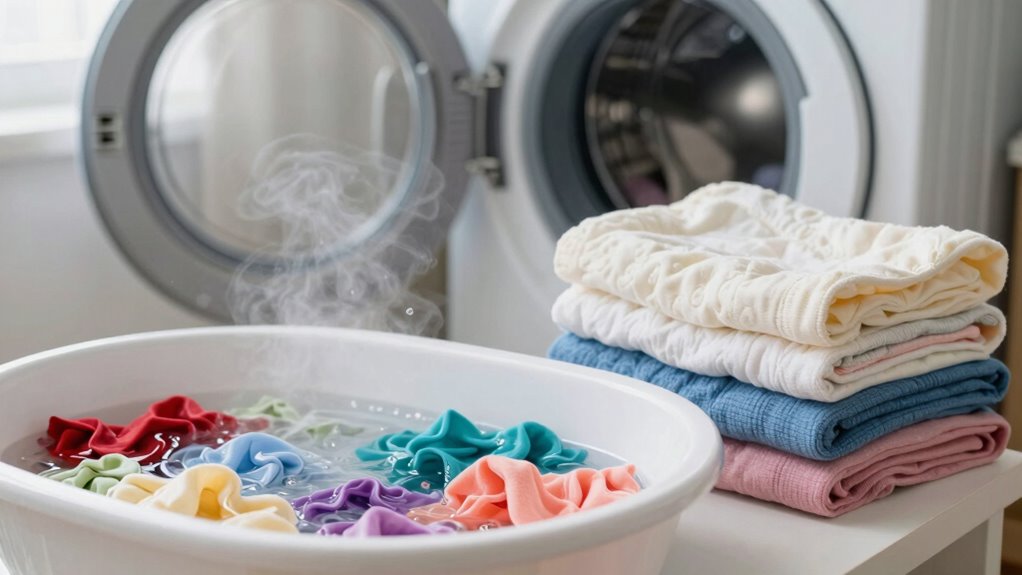

Laundry stripping is a deep cleaning method that removes buildup like detergent residue, oils, and mineral deposits to restore fabric softness and brightness. It’s helpful when clothes smell lingering, look dull, or feel stiff after washing. However, overdoing it or using harsh chemicals can weaken delicate fabrics or cause fading. To get it right and protect your laundry, explore the full guide on how to strip safely and effectively.
Key Takeaways
- Laundry stripping removes residue buildup like detergent, oils, and mineral deposits, restoring fabric softness and brightness.
- It is helpful for smelly, dull, or stiff fabrics that don’t respond to regular washing.
- Overstripping can weaken fibers, cause color fading, and damage delicate or sensitive fabrics.
- Proper technique involves hot water, suitable cleaning agents, and thorough rinsing to avoid fabric harm.
- Regular use is beneficial, but excessive stripping may lead to skin irritation and decreased fabric durability.
What Is Laundry Stripping, and How Does It Work?
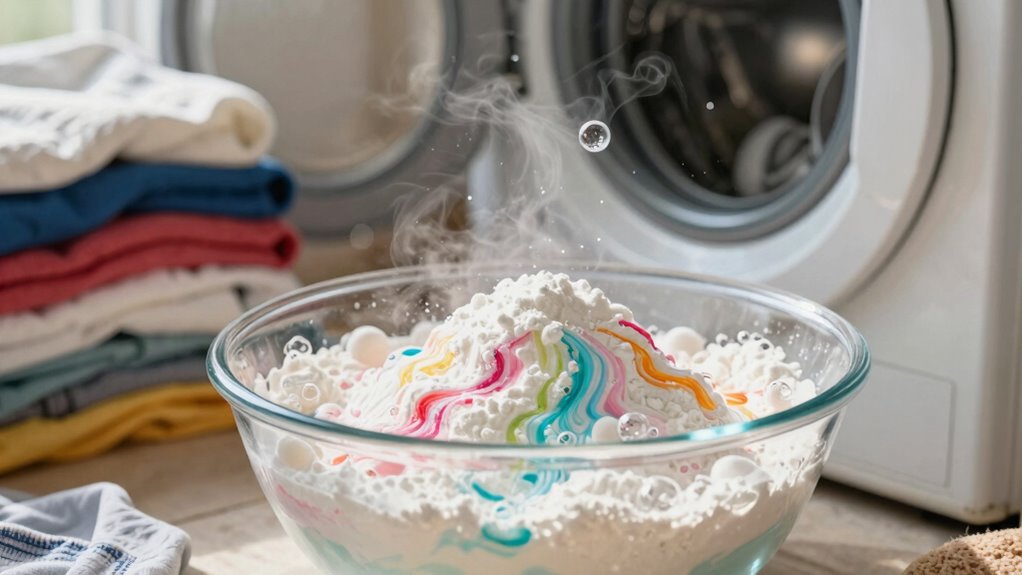
Laundry stripping is a deep-cleaning process designed to remove built-up residues like detergent, mineral deposits, and body oils from your fabrics. Over time, leftover detergent residue and fabric softener can cling to fibers, causing fabrics to feel stiff, dingy, or smell bad. Stripping helps restore softness and brightness by breaking down these deposits. You typically start by filling your tub or washing machine with hot water, then add specific cleaning products or DIY solutions like borax or washing soda. Agitate the load to loosen stubborn residues, then rinse thoroughly. The goal is to strip away layers of buildup that regular washing can’t remove, leaving your clothes feeling fresh, soft, and free of leftover detergent residue.
How Do You Know When Your Laundry Needs Stripping?

If your laundry still smells musty or has lingering odors, it might be time to strip. You’ll also notice visible residue buildup or your fabrics feeling stiff or dull. Recognizing these signs helps you know when a deep cleaning is needed to refresh your linens. Additionally, repeated washing without proper maintenance can lead to residue buildup, which further diminishes fabric quality. Incorporating energy-efficient cleaning methods can help reduce environmental impact while maintaining fabric integrity. Using proper laundry techniques ensures your clothes stay fresh longer and prevents the need for frequent stripping. Implementing correct washing temperatures can also help preserve fabric and prevent odor issues. Understanding fabric care best practices is essential for maintaining the longevity and appearance of your textiles.
Persistent Odor Residue
Persistent odor residue is often the clearest sign that your laundry needs stripping. If your clothes or linens retain a lingering smell despite regular washing, it indicates built-up residues trapping odors. This scent retention can result from soap scum, body oils, or residues from fabric softeners and detergents. Stripping helps remove these deposits, restoring freshness. Additionally, if you notice musty or stale odors even after washing, it could mean dust mites are lingering in your fabrics, which stripping can also help eliminate. When odors persist despite your usual laundry routine, it’s a strong sign that your laundry needs a deeper clean. Stripping not only refreshes fabrics but also improves overall hygiene by removing residues and pests that regular washing might miss.
Visible Residue Buildup
How can you tell if your laundry needs stripping? You might notice visible residue buildup on your clothes or towels, which signals it’s time for a deep clean. This buildup often appears as a dull film or soap scum that clings to fabric surfaces. Detergent residue can accumulate over time, making fabrics feel stiff or look grayish. If your laundry smells fine but still looks dull or feels stiff even after washing, stripping might help.
Look out for:
- Soap scum visible on fabric surfaces
- Clothes feeling stiff or rough
- Persistent dullness despite washing
- Residue that doesn’t rinse away easily
- Faint film or cloudiness on towels or sheets
These signs indicate your laundry needs a stripping session to remove stubborn residues. Additionally, using a bike generator to produce renewable energy can help power your laundry routine sustainably.
Fabric Stiffness or Dullness
Sometimes, even after washing, your clothes can feel stiff or look dull, signaling that residues are lingering on the fabric. Fabric stiffness is a common sign that soap scum, minerals, or other buildup have accumulated, making your laundry less soft. Dullness, on the other hand, causes colors to fade and fabrics to lose their luster, giving items a lackluster appearance. If your clothing feels rough or appears faded despite regular washing, it’s a good indication that stripping might help remove the residue and restore softness. Pay attention to how your fabrics look and feel—persistent stiffness or dullness suggests that your laundry needs a deeper clean beyond typical washing. Understanding residue buildup can help you better identify when stripping is necessary to maintain fabric quality. Regular use of appropriate cleaning methods can prevent excessive buildup and keep your laundry fresh. Being mindful of clothing care tips can also extend the life of your garments and prevent the need for frequent stripping.
What Are the Benefits of Laundry Stripping?
Laundry stripping offers several benefits that can substantially improve the cleanliness and freshness of your bedding, towels, and other textiles. It effectively removes built-up residues like body oils, detergent, and mineral deposits, leaving fabrics feeling softer and looking brighter. Incorporating proper laundry routines can maximize the effectiveness of stripping and prevent future buildup. Using eco-friendly detergents during the process not only reduces your environmental impact but also ensures safer cleaning for your family and the planet. Additionally, stripping can enhance fabric softening naturally, eliminating the need for chemical softeners. This process helps restore fabrics to their original fluffiness and freshness, making your laundry feel like new again. Plus, it can extend the lifespan of your textiles by keeping fibers clean and free from buildup. Regularly incorporating laundry care practices like stripping can also contribute to a more sustainable home environment. Overall, laundry stripping is a simple way to boost your laundry routine and enjoy cleaner, fresher textiles.
Are There Risks or Downsides to Laundry Stripping?

Laundry stripping can sometimes cause skin irritation if strong cleaners touch your skin. It may also weaken or damage delicate fabrics if done too often or with harsh products. Knowing these risks helps you decide if stripping is safe for your laundry routine. Additionally, using proper accessory care techniques can help prevent damage and prolong the life of your belongings.
Potential Skin Irritation Risks
While laundry stripping can effectively remove buildup from your fabrics, it also carries potential risks for your skin. The harsh detergents and chemicals involved can cause skin irritation, especially if you have sensitive skin. Repeated stripping may increase your allergy risk or lead to redness, itching, and dryness. You should be cautious if you notice any discomfort after stripping.
Consider these potential skin irritation risks:
- Contact with strong chemicals leading to redness
- Increased allergy sensitivity over time
- Dryness and peeling of the skin
- Burning or stinging sensations
- Exacerbation of pre-existing skin conditions
If you experience any of these issues, it’s best to pause and consult a dermatologist, as your skin could be more vulnerable to irritation from frequent stripping.
Over-Strip Fabric Damage
Though laundry stripping can refresh your fabrics, doing it too often or aggressively can weaken fibers and cause damage. Over-stripping may lead to fabric deterioration, making clothes more prone to tears and fraying. It can also cause color fading, dulling vibrant hues and making garments look old before their time. The risk increases with harsh chemicals or prolonged soaking, which strip away natural oils and damage the fabric’s integrity. Understanding fiber strength is essential to prevent over-treatment and preserve your clothing’s longevity. Additionally, repeated stripping can disrupt the fabric’s fiber structure, leading to decreased durability over time. Being aware of clothing care guidelines can help prevent unintentional damage during cleaning routines. Proper knowledge of fabric types can further guide appropriate cleaning methods to avoid unnecessary harm. Recognizing the impact of chemical exposure can also help in choosing the right laundry products to protect your garments.
How to Properly Strip Laundry at Home
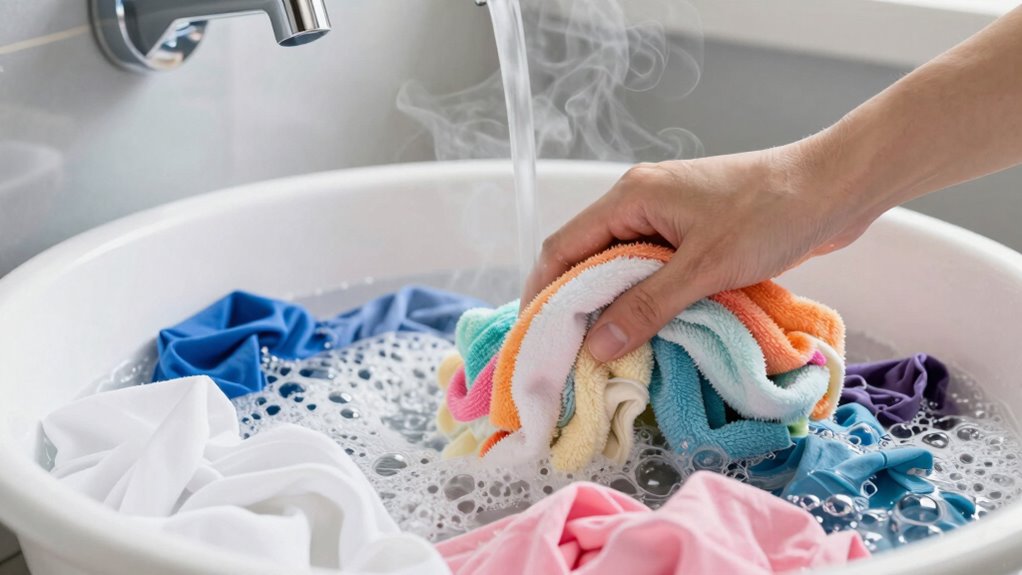
To properly strip your laundry at home, start by gathering the necessary supplies, including a deep basin or bathtub, laundry detergent, baking soda, borax, or washing soda, and a scrub brush if needed. Fill the basin with hot water and add your chosen cleaning agents. Next, soak your clothes for about 30 minutes, agitating occasionally to loosen detergent residue and fabric softener buildup. Then, rinse thoroughly with clean water to remove loosened grime. For stubborn areas, use a scrub brush gently. Effective cleaning techniques can enhance the stripping process and ensure thorough removal of residues, especially when combined with proper maintenance practices. Incorporating ergonomic workspace setup can make the process easier and more comfortable, reducing strain during laundry tasks. Finally, wash your laundry as usual. This process helps restore freshness and remove residue that dulls fabrics and causes odors. Always avoid over-stripping, which can damage delicate fibers and reduce fabric longevity. Regular stripping, done correctly, can keep your laundry feeling fresh and clean. Proper maintenance can extend the lifespan of your clothing and prevent buildup.
Alternatives to Laundry Stripping for Deep Cleaning

If you’re looking for effective ways to deep clean your laundry without resorting to stripping, several alternatives can help. Using detergent alternatives like enzyme-based or plant-based detergents can break down buildup and odors more gently. Natural cleaning methods, such as adding white vinegar or baking soda to your wash cycle, can eliminate residues and freshen fabrics without harsh chemicals. Pre-soaking heavily soiled items in a solution of natural ingredients can also boost cleanliness without the need for stripping. Regularly cleaning your washing machine, including running hot cycles with vinegar or washing machine cleaner, prevents residue buildup from transferring to your laundry. Additionally, choosing gentle cleaning methods helps protect fabrics from damage while maintaining freshness. These alternatives promote gentle, effective cleaning while protecting your fabrics and the environment.
Frequently Asked Questions
Can Laundry Stripping Damage Delicate Fabrics?
Yes, laundry stripping can damage delicate fabrics if you’re not careful. The strong chemicals involved can cause fabric damage, weakening fibers or causing colors to fade. You should avoid stripping delicate materials like silk, lace, or fine wool, as they’re more vulnerable to chemical risks. Always test a small area first and follow recommended guidelines to prevent harm and guarantee your delicate fabrics stay in good condition.
How Often Should Laundry Stripping Be Performed?
Think of laundry stripping like giving your clothes a deep clean spa day—you don’t want it too often or it’ll lose its glow. Usually, once every 3 to 6 months works well, but frequency concerns depend on your laundry habits. Stick to a stripping schedule that matches your needs, but avoid overdoing it, so fabrics stay delicate and vibrant. Regular maintenance keeps your wardrobe fresh without damage.
Is Laundry Stripping Safe for All Types of Laundry?
Laundry stripping isn’t safe for all types of laundry, especially delicate fabrics like silk or wool, as harsh chemicals can damage fibers. Using stripping agents may leave chemical residues if not rinsed thoroughly, which can irritate your skin or harm the environment. Always check your fabric care labels and consider the environmental impact before stripping. When in doubt, test a small area first or opt for gentler cleaning methods.
What Are Common Signs of Over-Stripping Clothes?
Like a painter over-washing their canvas, you might notice fabric residue lingering or colors fading quicker than expected. These are common signs of over-stripping your clothes. You may also see increased softness turning to stiffness or a rough texture. If your laundry no longer feels right—more fragile or dull—it’s time to cut back on stripping. Recognizing these signs helps preserve your clothes’ vibrancy and integrity.
Can Laundry Stripping Remove Persistent Odors Effectively?
Laundry stripping can effectively remove persistent odors if done properly, but it’s not a guaranteed fix. It strips away buildup and residues that trap smells, leaving your clothes fresher. However, be cautious—over-stripping may cause color fading and remove fabric softener residues that keep your clothes soft. Use stripping sparingly and follow directions closely to avoid damaging your fabrics or diminishing their color and softness.
Conclusion
Laundry stripping can be a powerful tool to refresh your clothes, like hitting the reset button on stubborn grime. But remember, it’s not a magic wand—overdoing it can wear out fabrics faster than you’d like. Use it wisely, like a seasoned gardener tending delicate plants. When done correctly, it can breathe new life into your laundry routine; just don’t forget to weigh the risks and benefits before diving in.