
TL;DR

Get furniture and decor delivered free with Prime
- Fast, free delivery on millions of items
- Prime Video, Amazon Music and more included
- Member-only deals all year
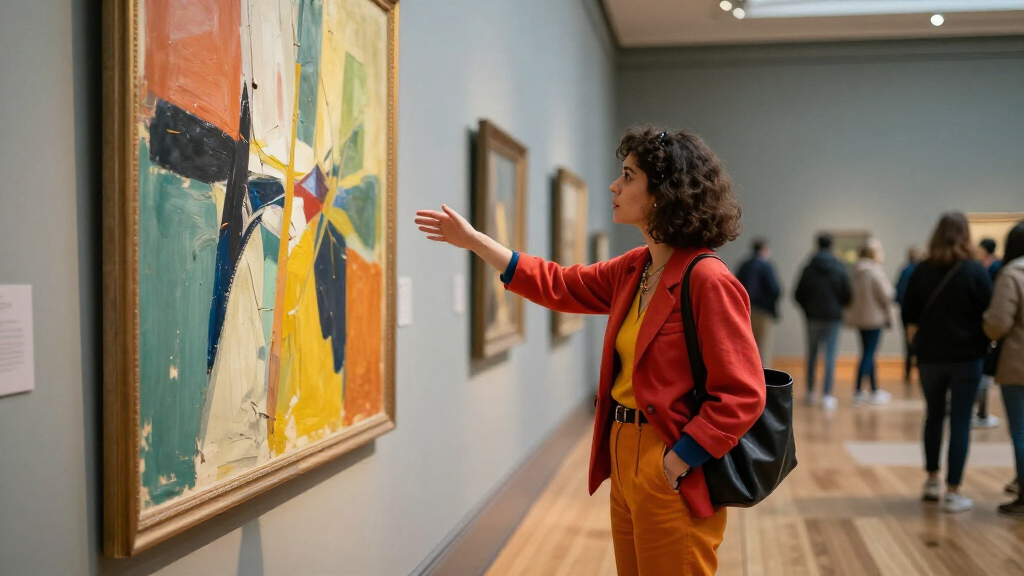
Tate Britain’s The 90s: Art and Fashion brings together art, photography and fashion from the decade, including familiar figures and artists who have received less attention. A Livingetc preview argues that the show complicates the familiar “Cool Britannia” image and offers lessons in minimalism, materiality and British identity.
Ahead of its October 8 opening, Tate Britain’s The 90s: Art and Fashion brought together work from a decade often reduced to a few familiar images of “Cool Britannia.” In a preview for Livingetc, a writer who visited the exhibition described a wider account of the period, spanning art, fashion and photography and including artists who have been overlooked in popular retellings.
The exhibition was curated by Edward Enninful, the former editor of British Vogue, and presents the era through his experience of 1990s London, according to Livingetc. The preview describes a mix of stripped-back photography and more flamboyant fashion, with work by Juergen Teller, David Sims, Alexander McQueen and Vivienne Westwood.
Among the works mentioned are Chris Ofili’s No Woman, No Cry, Teller’s 1998 photograph Young Pink Kate and Hamad Butt’s 1992 installation Familiars. The selection places widely recognized images alongside works that the article says have received less attention, rather than presenting the decade solely through its most familiar celebrities and styles.
The Livingetc writer highlights minimalism as one of the exhibition’s themes, interpreting it not as an absence of meaning but as an effort to strip away artifice. The article connects this reading to interior design through an emphasis on intentionality and materiality. These comments are the writer’s takeaways from the exhibition, not a claim that the show sets out formal rules for decorating a home.
A Wider View of 1990s Britain
The exhibition matters because it places the decade’s best-known cultural markers alongside work that can complicate them. The familiar association with Britpop, fashion celebrities and Union Jack imagery does not, by itself, capture the range of experiences and artistic practices represented in the show, according to the Livingetc preview.
Its focus also reaches beyond art history. The writer draws a connection between the period’s use of spare materials and present-day interiors, suggesting that viewers can take away an approach rather than copy a period look: pay attention to what objects are made from, and why. That is a personal interpretation of the show, but it illustrates how an exhibition about culture can inform current design conversations without reducing the 1990s to a trend.
minimalist interior decor accessories
As an affiliate, we earn on qualifying purchases.
As an affiliate, we earn on qualifying purchases.
From Cool Britannia to More Voices
The Livingetc report frames the 1990s as a decade of contrast: youth culture reacted against the perceived excess of the 1980s, while British popular culture developed a renewed public profile. The article says Tate Britain’s exhibition takes a more complex approach than a simple celebration of “Cool Britannia,” with particular attention to the Black British experience.
That perspective appears in the range of artists and formats discussed in the preview. Alongside fashion and editorial photography, the exhibition includes works such as Steve McQueen’s early short film Bear and Butt’s installation. The source presents the inclusion of lesser-known artists as part of an effort to show the period more fully, rather than treating a small number of iconic images as a complete account.
““Minimalism isn’t about a coldness and a lack of content. It’s distilling things down to their truest and purest state of being.””
— Helen Little, exhibition curator, as quoted by Livingetc
What the Preview Does Not Establish
The supplied report is a first-person preview, not a full catalogue or an official exhibition announcement. It does not provide a complete list of works, details about the exhibition’s full layout, visitor numbers or a broader account of how audiences have responded. The source also gives an October 8 opening date but does not specify the year in the material provided here.
The claims about the show offering a more authentic picture of the 1990s, and about its lessons for interiors, should be understood as attributed curatorial aims and the writer’s interpretation. The source does not establish that all artists or experiences from the decade are represented, or that the exhibition presents a single agreed account of British identity.
The Exhibition Opens October 8
The next stated milestone is the exhibition’s official opening on October 8. The source material does not give an end date, further public programming or later milestones. Visitors seeking practical details, including dates and ticket information, would need to consult Tate Britain’s current exhibition listing.
For now, the preview offers an early account of the themes visitors can expect to encounter: familiar fashion and photography, less widely recognized work, and a view of 1990s Britain that goes beyond its most recognizable imagery.
Key Questions
What is The 90s: Art and Fashion?
It is a Tate Britain exhibition bringing together art, photography and fashion associated with the 1990s. Livingetc’s preview describes a selection ranging from well-known images to works by artists it says have been overlooked.
Who curated the exhibition?
The exhibition was curated by Edward Enninful, the former editor of British Vogue, according to the Livingetc report.
Which works and artists are mentioned in the preview?
The article mentions Chris Ofili’s No Woman, No Cry, Juergen Teller’s Young Pink Kate, Hamad Butt’s Familiars and Steve McQueen’s short film Bear. It also discusses photography by David Sims and fashion by Alexander McQueen and Vivienne Westwood.
What interior-design lesson did the writer take from the show?
The writer interprets the exhibition’s minimalism as an emphasis on honesty, intentionality and materials rather than a lack of personality. That is the writer’s takeaway, not a formal decorating guide issued by Tate Britain.
When does the exhibition open?
The source says the official opening is October 8, but does not specify the year or provide an end date.
Source: rss
Halloween Picks
halloween
As an affiliate, we earn on qualifying purchases.