
TL;DR
Gen Z slang terms such as ‘kuchu-puchu’, ‘delulu’, and ‘clock it’ are increasingly used in India, including in Parliament discussions. Experts see this as a reflection of evolving youth culture and digital influence, though their precise meanings are still being clarified.
Recent discussions in Indian Parliament and social media have highlighted the increasing use of Gen Z slang terms such as ‘kuchu-puchu’, ‘delulu’, and ‘clock it’. These words, part of a broader youth linguistic shift, are gaining recognition beyond informal contexts, sparking interest among linguists and policymakers alike. The phenomenon underscores the influence of digital culture on language and societal communication.
Sources from The Times of India report that these terms are now echoing in political debates and social conversations, with some MPs referencing them during parliamentary proceedings. ‘Kuchu-puchu’ is believed to describe a feeling of excitement or flutter, ‘delulu’ is an abbreviation of ‘delusional’ used to describe overly optimistic or disconnected beliefs, and ‘clock it’ is a slang phrase meaning to recognize or understand something quickly. Experts note that these terms originate from online platforms like TikTok, Twitter, and WhatsApp, where youth share memes and slang that often spread rapidly into mainstream discourse.
Language analysts confirm that these words are part of a larger trend of digital-native slang becoming embedded in everyday language, including formal settings. However, their precise definitions can vary depending on context and user interpretation. The use of such terms in Parliament indicates a generational shift and the increasing influence of youth culture on national conversations.
Implications of Gen Z Slang in Public Discourse
The adoption of terms like ‘kuchu-puchu’, ‘delulu’, and ‘clock it’ in official settings highlights how digital youth culture is shaping language and communication norms. This trend reflects broader societal changes, including greater acceptance of informal speech in formal contexts. It also signals the importance of understanding youth perspectives for policymakers, educators, and media outlets aiming to engage effectively with Generation Z.
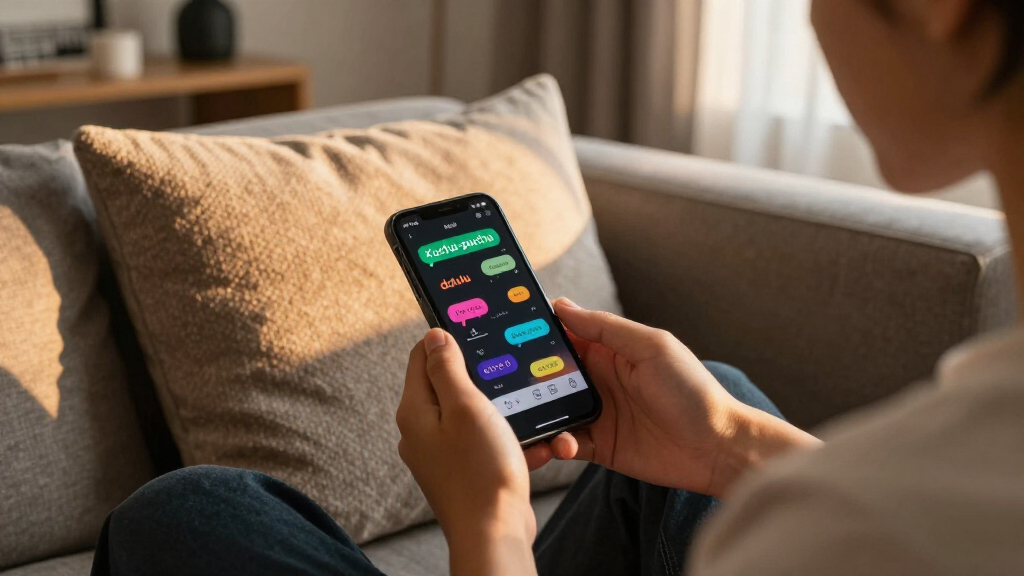
smartphone with TikTok and social media features
As an affiliate, we earn on qualifying purchases.
As an affiliate, we earn on qualifying purchases.
Rise of Digital Slang in Indian Youth and Politics
Over the past few years, Indian youth have increasingly adopted slang originating from online platforms, which now permeate mainstream media and political debates. The recent mention of these terms in Parliament marks a notable milestone, illustrating how digital language is crossing traditional boundaries. This phenomenon is part of a global pattern where social media influences linguistic trends among young populations, with India being a significant example due to its large youth demographic and active online community.
Prior to this, similar slang terms gained popularity on platforms like TikTok, Twitter, and WhatsApp, often used in memes, jokes, and casual conversations. Experts say that such language shifts can impact communication styles, education, and even policymaking, as younger generations seek to express their identities and perspectives more authentically.
“‘These slang terms reflect the evolving digital culture of Indian youth and how it influences mainstream language. Their use in Parliament is a sign of changing communication norms.'”
— Dr. Anjali Mehta, linguistics professor at Delhi University
Clarifying the Exact Meanings and Usage of Terms
While these slang terms are gaining popularity, their precise definitions and connotations can vary across regions and communities. Linguists and social media experts caution that interpretations are still evolving, and there is no single authoritative meaning for each term. Additionally, their acceptance in formal settings like Parliament raises questions about future language standards and regulation of slang in official communication, which remain unresolved.
Monitoring the Adoption and Impact of Youth Slang
Experts anticipate continued evolution of these terms and the emergence of new slang as digital culture advances. Researchers plan to track how such language influences education, media, and policymaking, while educators and communicators may adapt their approaches to better engage with Generation Z. Further studies are expected to explore the long-term effects of digital slang on language norms and societal discourse.
Key Questions
What does ‘kuchu-puchu’ mean?
It is believed to describe a feeling of excitement or flutter, similar to a tingling sensation, often used to express nervousness or anticipation.
How is ‘delulu’ used in conversation?
‘Delulu’ is shorthand for ‘delusional’ and is used to describe someone who is overly optimistic or disconnected from reality, often in a humorous or teasing way.
What does ‘clock it’ signify?
‘Clock it’ is a slang phrase meaning to recognize, understand, or notice something quickly or intuitively.
Are these slang terms officially recognized?
Not officially. They originate from online platforms and youth culture, and their acceptance in formal settings like Parliament is still emerging and subject to interpretation.
Will the use of slang affect formal communication?
It may lead to more informal language in official contexts, but the extent and implications are still being studied by linguists and policymakers.
Source: google-trends