TL;DR
Smartwatch manufacturers are increasingly prioritizing stylish designs and health-focused features to cater to consumers leading active lifestyles. This shift aims to blend fashion with functionality, appealing to a broad demographic.
Manufacturers are launching new smartwatches that combine stylish appearance with advanced activity tracking, reflecting a shift in consumer preferences toward fashionable, health-oriented wearable technology.
Recent industry reports and product announcements show that smartwatch brands are focusing on design aesthetics alongside fitness and health features. Devices now feature sleek, customizable styles suitable for daily wear, from casual to formal settings. This trend is driven by a growing consumer demand for wearables that integrate seamlessly into active lifestyles while maintaining a fashionable look. Companies like Apple, Samsung, and Fitbit have introduced models with more refined designs and enhanced health sensors, including heart rate monitors, sleep analysis, and activity tracking. Market analysts note that this dual focus aims to attract a broader user base, from fitness enthusiasts to style-conscious users.Why Fashion and Functionality Matter for Wearable Tech
This trend signifies a shift in the wearable technology market, where style and health features are equally prioritized. It reflects consumer desires for devices that are not only functional but also complement personal style, increasing adoption among diverse demographics. The emphasis on active lifestyles aligns with broader health and wellness movements, potentially boosting sales and user engagement. For manufacturers, this represents an opportunity to differentiate products in a competitive landscape and expand their market share.
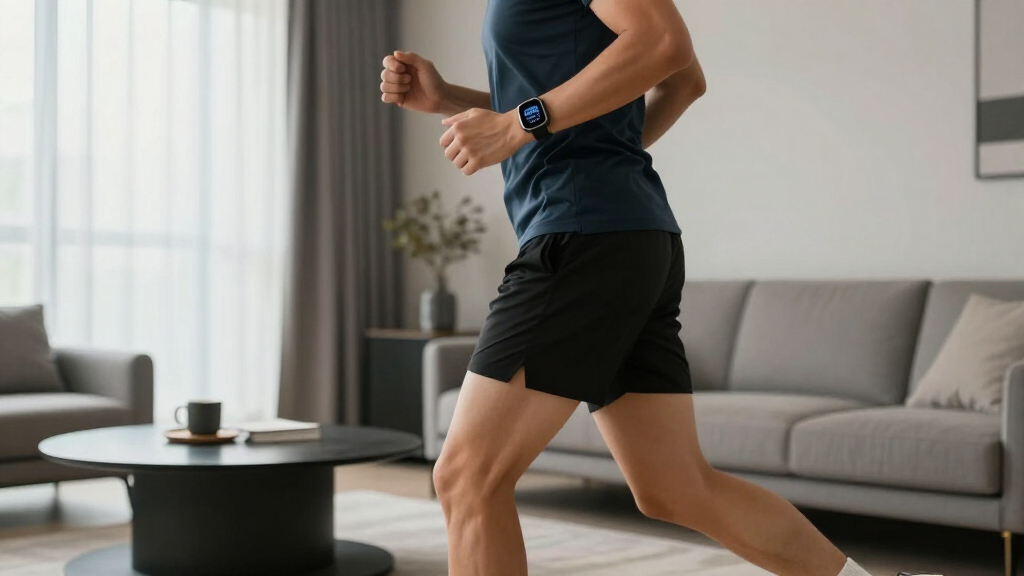
stylish fitness smartwatch with health tracking
As an affiliate, we earn on qualifying purchases.
As an affiliate, we earn on qualifying purchases.
Evolution of Smartwatches Toward Style and Wellness
Over the past decade, smartwatches have transitioned from simple digital timepieces to multi-functional health and communication devices. Early models primarily focused on notifications and basic fitness tracking. Recent years have seen a surge in design innovation, with brands releasing more stylish, customizable options. The integration of advanced sensors and health metrics has become standard, aligning with consumer interest in wellness. Industry reports from firms like IDC and Gartner indicate continuous growth in smartwatch sales, driven by innovations that blend fashion with fitness technology.
“Our latest smartwatch line emphasizes sleek design and comprehensive health monitoring, catering to users who want both style and wellness features in one device.”
— John Smith, Product Director at Samsung
Unconfirmed Aspects of the Wearable Market Shift
While product launches suggest a focus on style and activity tracking, it is not yet clear how widespread this trend will become across all brands and price ranges. Consumer acceptance and long-term engagement with these features remain to be fully assessed. Additionally, the impact of new materials and design innovations on durability and user comfort is still under evaluation.
Upcoming Releases and Market Expansion Strategies
Manufacturers are expected to continue refining their designs, with upcoming models featuring more personalized aesthetics and integrated health sensors. Industry analysts anticipate increased marketing efforts targeting lifestyle and wellness segments. Consumer feedback from recent launches will influence future product development, and market research suggests a growing segment of users prioritizes fashion alongside fitness.
Key Questions
Are stylish smartwatches more expensive than traditional fitness trackers?
Generally, stylish smartwatches with advanced features tend to be priced higher than basic fitness trackers, reflecting their design and functionality enhancements.
Will these trends make smartwatches suitable for formal occasions?
Yes, many new models feature elegant designs and customizable bands, making them appropriate for both casual and formal settings.
How do these smartwatches support active lifestyles?
They include features like heart rate monitoring, sleep tracking, GPS, and activity recognition, helping users maintain and improve their fitness routines.
Are there concerns about durability with more fashion-oriented smartwatches?
Durability varies by model; some manufacturers are incorporating stronger materials, but long-term wearability in active environments remains under review.
What is the future outlook for smartwatch innovation?
Expect continued integration of health sensors, personalized designs, and possibly new materials to enhance both style and durability as the market evolves.
Source: rss