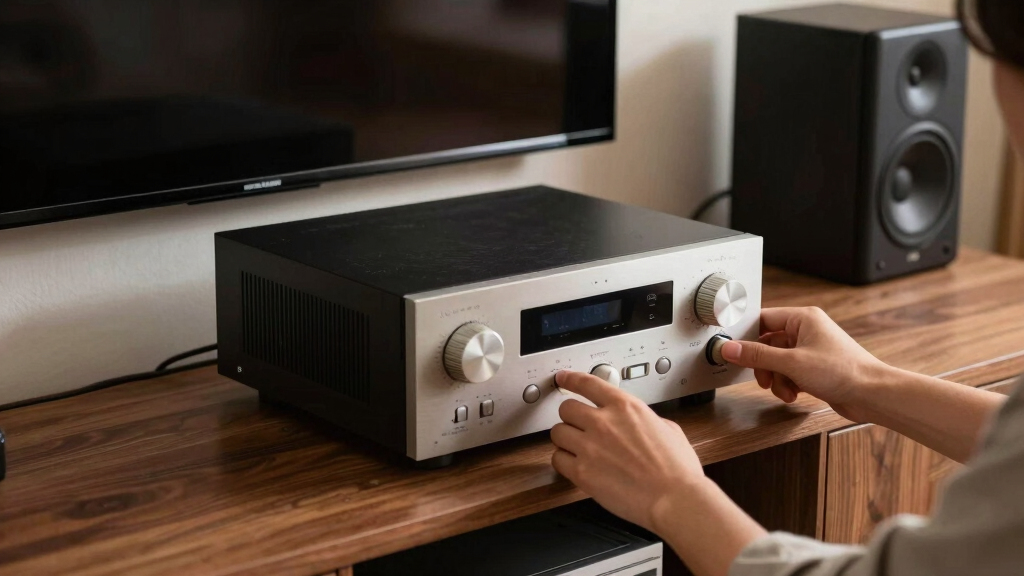
Choosing the best AV receiver for your home theater can feel overwhelming with so many options offering different features and price points. The Denon AVR-X1700H stands out as the best overall pick for its balanced performance, robust feature set, and future-proofing with 8K support. For those on a budget, the Yamaha RX-V385 offers solid 4K capabilities and easy usability, making it a great value choice. Meanwhile, the Onkyo TX-NR6100 provides premium features like THX certification and extensive channel support for enthusiasts. Keep reading to see how these options compare and find the best fit for your home theater setup.
Key Takeaways
- The top-performing models balance 8K support with user-friendly interfaces, making them versatile for future-proofing and ease of use.
- Price range varies widely, with budget options offering good core features but missing advanced processing or extra channels.
- Models with built-in voice control and smart home integration are increasingly common, adding convenience but sometimes increasing cost.
- Power output per channel is less critical than overall system compatibility and sound processing capabilities for most users.
- Choosing the right number of channels depends on your speaker setup—more channels support more immersive sound but also increase complexity and price.


More Details on Our Top Picks
Sony STRDH190 2-Channel Home Stereo Receiver with Bluetooth and Phono Input
The Sony STRDH190 stands out for its straightforward design tailored to music enthusiasts who prioritize sound quality over surround sound complexity. Compared with multi-channel options like the Yamaha RX-V385, it lacks surround capabilities but offers a dedicated stereo experience that excels in clarity and detail. Its built-in Bluetooth makes wireless streaming effortless, and the phono input invites turntable use, appealing to vintage audio fans. However, its 2-channel setup limits its use in full home theater configurations, and its modest 100W power may not fill large rooms with sound. The interface is simple, which benefits beginners but might frustrate those seeking advanced controls. This model best suits listeners seeking high-quality stereo sound in smaller spaces or dedicated music zones.
Pros:- Excellent sound quality for stereo music playback
- Built-in Bluetooth for wireless streaming
- Phono input for turntable connection
- Compact, low-profile design fits easily into standard cabinets
Cons:- Limited to 2-channel stereo output, not suitable for surround sound
- Power output may be insufficient for large or open-plan spaces
- Basic interface with limited advanced features
Best for: Music lovers who want high-fidelity stereo sound with Bluetooth and vinyl support in small to medium rooms
Not ideal for: Home theater enthusiasts seeking immersive surround sound or multi-zone audio capabilities
- Power Output:100 watts x 2 (8 ohms, 1 kHz)
- Frequency Band:2,400 MHz – 2,483.5 MHz
- Inputs:Phono, 4 stereo RCA, 3.5mm
- Outputs:Stereo RCA
- Bluetooth:Built-in
- Dimensions:5 ¼ inches tall
Bottom line: Ideal for audiophiles focused on high-quality stereo music rather than surround sound setups.
Yamaha RX-V385 5.1-Channel 4K Ultra HD AV Receiver with Bluetooth (Renewed)
The Yamaha RX-V385 makes the list for its balanced blend of 5.1 surround sound, 4K HDR video support, and auto-room calibration via YPAO, which makes setup easier than some competitors like the Denon AVR-S570BT. Its support for the latest video standards ensures crisp visuals, and Yamaha’s CINEMA DSP enhances sound immersion. While it doesn’t have the extensive HDMI inputs of higher-end models, its sound optimization and clarity make it a strong choice for those wanting quality without complexity. The absence of built-in Wi-Fi limits direct access to streaming apps, requiring additional devices for smart features. Compared to the Onkyo TX-NR6100, it’s simpler but more user-friendly, making it better suited for newcomers. This receiver is ideal for users seeking an easy-to-setup, high-quality home theater system with auto-calibration.
Pros:- Supports 4K Ultra HD and HDR formats for vivid video
- YPAO auto-calibration simplifies setup
- CINEMA DSP enhances surround sound experience
- Bluetooth wireless streaming
Cons:- Limited HDMI inputs (4-in/1-out), may require external switchers for multiple devices
- No built-in Wi-Fi limits direct streaming capabilities
- Renewed product may have warranty restrictions
Best for: Home theater newcomers who want reliable auto-tuning and good audio-visual quality without advanced setup hassles
Not ideal for: Tech-savvy users wanting extensive streaming services or multiple HDMI inputs for complex setups
- Number of Channels:5.1
- Video Support:4K Ultra HD, HDR10, Dolby Vision
- Connectivity:Bluetooth, HDMI 2.1
- HDMI Inputs/Outputs:4-in/1-out
- Supported Audio Formats:Dolby TrueHD, DTS-HD Master Audio
- Design:Discrete amp configuration
Bottom line: Great for users seeking an easy, auto-calibrated home theater experience with solid audio and video support.
Denon AVR-S570BT AV Receiver 5.2 Channel 8K Ultra HD Audio & Video
The Denon AVR-S570BT is tailored for those who want to future-proof their home theater with 8K support, standing out against models like the Pyle 7.1-Channel by offering higher resolution video handling. Its 70W per channel might seem modest, but it’s sufficient for most medium-sized rooms where clarity and detail are priorities. Its support for Dolby Vision, HDR, and eARC ensures high-quality audio and video transmission, though it doesn’t offer multi-zone audio or extensive streaming services built-in. The setup is straightforward via on-screen GUI, and Bluetooth streaming adds convenience. Compared with the Pyle 7.1’s raw power, this receiver emphasizes clarity and modern features, making it ideal for a sleek, modern setup. This receiver suits users wanting 8K compatibility with high-quality audio and simple operation.
Pros:- Supports 8K HDMI inputs for future-ready video
- Dolby Vision and HDR support for vibrant visuals
- eARC bandwidth up to 40 Gbps for high-quality audio return
- Bluetooth for wireless streaming
Cons:- Limited to 70W per channel, may be underpowered for large spaces
- Lacks built-in Wi-Fi or streaming apps
- No multi-zone audio features
Best for: Homeowners seeking an 8K-ready receiver with high-quality audio and straightforward setup
Not ideal for: Large rooms or users requiring multi-zone audio or extensive streaming options
- Power:70W x 5
- HDMI Inputs:4 (8K HDMI 2.1)
- Supported Video Formats:HDR, Dolby Vision
- eARC bandwidth:up to 40 Gbps
- Supported Audio Formats:Dolby TrueHD, DTS-HD
- Standby Power Consumption:0.1 W
Bottom line: Best suited for users wanting a sleek, 8K-capable receiver that emphasizes visual clarity and simple operation.
Sony STRDH590 5.2 Channel Surround Sound Home Theater Receiver
The Sony STRDH590 offers a compelling option for budget-conscious consumers wanting 5.2 surround sound with 4K HDR support. Its 725W total power is suitable for smaller rooms, and virtual surround technology like S Force PRO enhances the cinematic feel without the need for extensive speaker setups. It features multiple HDMI inputs, Bluetooth streaming, and HDCP 2.2 support, making it a versatile entry-level choice. However, compared to the Pyle 7.1, which delivers higher wattage, the Sony’s power is more modest, limiting its effectiveness in large or open spaces. Its remote control is basic, and some users find setup instructions less intuitive. Still, for those on a tight budget, it provides decent performance without sacrificing essential features. This model is best for budget-minded users seeking a straightforward surround sound upgrade.
Pros:- Supports 4K HDR and HDCP 2.2 for high-quality video
- Virtual surround with S Force PRO enhances cinematic experience
- Multiple HDMI inputs for flexible device connectivity
- Bluetooth wireless streaming
Cons:- Limited total power (725W) may underwhelm in large rooms
- Basic remote control with limited features
- Setup complexity reported by some users
Best for: Budget-conscious families or apartment dwellers seeking decent surround sound and 4K support
Not ideal for: Large home theaters or audiophiles demanding high power output and advanced features
- Channel Configuration:5.2
- Supported Video:4K HDR, HDCP 2.2
- HDMI Ports:4 in / 1 out
- Power Output:725W total
- Supported Audio:High-Resolution Audio
- Power Requirement:AC 120V 60Hz / AC 230V 50Hz
Bottom line: Perfect for budget-conscious users seeking reliable surround sound and 4K support in smaller spaces.
Pyle 7.1-Channel Hi-Fi Bluetooth Stereo Amplifier – 2000 Watt AV Home Theater Receiver with Radio, USB, RCA, HDMI, Microphone Inputs, Supports 4K HD TV & 3D
The Pyle PT796BT distinguishes itself through its formidable 2000W peak power, making it a strong candidate for large, demanding home theaters. Unlike the Sony STRDH190, which focuses solely on stereo, or the Yamaha RX-V385 with balanced features, Pyle offers raw power combined with extensive input options, including HDMI, USB, RCA, and microphone inputs. Its support for 4K and 3D pass-through ensures compatibility with modern TVs and gaming consoles. However, high power does come with a weighty, bulky build, and the setup can be complex, especially for those unfamiliar with multi-channel systems. It lacks the refined audio calibration of more expensive units, and remote control batteries aren’t included, adding inconvenience. This amp is most suitable for users who want a loud, versatile setup capable of handling large rooms or multiple devices. This pick caters to those prioritizing raw volume and extensive connectivity over finesse.
Pros:- Massive 2000W peak power suitable for large spaces
- Supports 4K Ultra HD and 3D pass-through
- Multiple input options including HDMI, USB, RCA, and microphones
- Bluetooth 5.0 for wireless music streaming
Cons:- Heavy and large, requiring ample space and sturdy support
- Setup can be complex for non-technical users
- Remote batteries not included, adding inconvenience
Best for: Large home theaters or users needing high power and multiple input options for diverse devices
Not ideal for: Small rooms or those seeking a sleek, easy-to-use receiver with modern streaming features
- Power Output:2000 Watt MAX
- Channel:7.1
- Bluetooth:5.0
- Inputs:HDMI (3 IN + 1 OUT), RCA, Optical, Coaxial, Microphone, USB
- Supports:4K HD TV & 3D
- Dimensions:16.9 x 13.8 x 5.5 inches
Bottom line: Best for users needing a high-powered, multi-input receiver capable of filling large rooms with sound.
Pyle 5.2 Channel Hi-Fi Home Theater Receiver – 1000W MAX Wireless Bluetooth Surround Sound Stereo Amplifier System with 4K Ultra HD Support, MP3/USB/DAC
This Pyle receiver stands out for its impressive 1000W maximum power output, making it ideal for filling large rooms with immersive sound. Its support for 4K Ultra HD pass-through ensures high-quality video, comparable to more integrated models like the Yamaha RX-V385 but at a more budget-friendly price point. However, its complex setup can be daunting for beginners, and its large size demands substantial space. The multiple inputs, including Bluetooth, USB, and digital audio, provide versatile connectivity for various devices, but some users find the remote control less responsive. Compared to the more refined Yamaha RX-V385, this receiver offers raw power but sacrifices ease of use and sleekness. It’s best suited for users who prioritize volume and video quality over straightforward setup and aesthetics.
Pros:- Powerful 1000W maximum output for large rooms
- Supports 4K Ultra HD pass-through for high-quality video
- Built-in Bluetooth for wireless streaming
- Multiple input options including USB and digital interfaces
Cons:- Complex setup process may challenge beginners
- Large size requires significant space
- Remote control responsiveness could be improved
Best for: Power-hungry homeowners who want high-volume surround sound and 4K support without fussing over sleek design
Not ideal for: Beginners seeking an easy-to-set-up, compact receiver or those preferring a more refined user interface
- Power:1000W MAX
- Channels:5.2
- Video Support:4K Ultra HD, 3D Video & Blu-Ray Pass-Through
- Connectivity:Bluetooth, USB, DAC, Digital Audio
- Inputs:2 Microphone Inputs, RCA Subwoofer Output
- Display:Digital LED Display
Bottom line: This pick makes the most sense for those prioritizing raw power and video support over ease of installation and compactness.
Stereo Receiver 5.1 Channels Audio Amplifier with HDMI, Optical/Coaxial, Bluetooth, USB, RCA, Subwoofer Output for Home Theater and Karaoke
This 5.1 channel receiver excels with its 8K HDMI passthrough and multiple connectivity options, making it suitable for home theater, karaoke, and gaming setups. Its support for 8K/60Hz video surpasses many competitors like the Yamaha RX-V385, providing future-proofing for high-resolution content. The flexible speaker connections and Bluetooth support are advantageous, but the complex setup might be overwhelming for novices. Unlike the Onkyo TX-NR6100, it lacks THX certification and advanced room calibration, but it compensates with affordability. This receiver is perfect for tech-savvy users who want multi-purpose use and high-quality video, yet are comfortable with a more involved setup process.
Pros:- Supports 8K HDMI 2.1 for future-proof video
- Multiple connectivity options including Bluetooth, HDMI, Optical, Coaxial, USB
- Powerful 5.1 surround sound with flexible speaker outputs
- Suitable for home theater, karaoke, and gaming
Cons:- Complex setup may be intimidating for beginners
- Lacks built-in Dolby or DTS decoding
- Limited detailed specs in user reviews
Best for: Gamer and karaoke enthusiasts desiring 8K video support and multi-source connectivity in a versatile package
Not ideal for: Beginners or users seeking a simple, plug-and-play home theater solution
- Product Type:AV Receiver
- Channels:5.1
- Total HDMI Ports:3
- Video Support:8K/60Hz, 4K/120Hz
- Power per channel:100 Watts
- Connectivity:Bluetooth, HDMI, Optical, Coaxial, USB
Bottom line: This receiver is best suited for tech-savvy users seeking high-resolution video and versatile connections for gaming and entertainment.
Yamaha RX-V385 5.1-Channel 4K Ultra HD AV Receiver with Bluetooth
The Yamaha RX-V385 offers a reliable 5.1 surround sound experience with support for 4K Ultra HD, HDR10, and Dolby Vision. Its YPAO auto-calibration simplifies setup, making it a solid choice for beginners or those who want decent performance without fuss. Compared to the more powerful Pyle, it emphasizes user-friendly features over raw volume, but its limited HDMI inputs mean it may not handle multiple sources as flexibly. It also lacks built-in Wi-Fi, which could be a drawback for streaming enthusiasts. Nonetheless, its straightforward interface and Yamaha’s reputation for audio quality make it an attractive option for home theater newcomers who want good sound with minimal setup.
Pros:- Supports 4K Ultra HD, HDR10, and Dolby Vision for high-quality video
- YPAO auto-calibration ensures optimal sound
- Wireless Bluetooth connectivity
- Simple setup suitable for beginners
Cons:- Limited HDMI inputs, only 4
- No built-in Wi-Fi for streaming
- Less powerful than high-end models for large rooms
Best for: Homeowners new to AV receivers who prioritize ease of setup and reliable auto-calibration
Not ideal for: Power users or large-room owners who need higher volume and more HDMI inputs
- Channels:5.1
- Video Support:4K Ultra HD, HDR10, Dolby Vision
- HDMI:4-in/1-out
- Bluetooth:Yes
- Auto-calibration:YPAO
- Additional Features:Simple setup, Yamaha reputation
Bottom line: This receiver makes the most sense for beginners seeking a straightforward setup with dependable audio and video quality.
Onkyo TX-NR6100 7.2 Channel 8K Smart AV Receiver with THX Certification
The Onkyo TX-NR6100 stands out for its 7.2 channels and THX certification, delivering precise, high-quality audio that rivals more expensive options like the Denon AVR-X1700H. Its support for 8K60 and 4K120Hz video, along with gaming features like VRR and ALLM, makes it a top choice for gamers and cinephiles who demand the best. Its multi-room capabilities and seamless integration with Sonos systems add to its versatility, but its complex setup and higher price tag might deter casual users. Compared to the Denon, it offers more channels and certified audio, but at a premium. This receiver suits dedicated home theater enthusiasts willing to invest in top-tier sound and features.
Pros:- Supports 8K video and high refresh rates for gaming
- THX certification guarantees high-quality, accurate sound
- Seamless multi-room and Sonos integration
- Multiple HDMI inputs including 3 outputs
Cons:- Complex to set up for beginners
- Premium price point limits accessibility
- Large size requires substantial space
Best for: Audiophiles and gamers who want immersive sound with advanced gaming and multi-room capabilities
Not ideal for: Casual viewers or those with limited space who prefer simpler, more affordable solutions
- Channels:7.2
- Video Resolution Support:8K60, 4K120Hz
- HDR Support:HDR, Dolby Vision
- Gaming Features:VRR, ALLM
- THX Certification:Yes
- Connectivity:Multiple HDMI inputs, Sonos compatible
Bottom line: This pick is ideal for serious home theater fans who want the best sound, video, and gaming features at a premium level.
Denon AVR-X1700H 7.2 Channel AV Receiver – 80W/Channel, 8K HDMI, Dolby Atmos, DTS:X, Built-in HEOS, Alexa Voice Control
The Denon AVR-X1700H offers a balanced mix of 8K HDMI support, Dolby Atmos, and multi-room streaming via HEOS. Its 80W per channel is lower than some competitors like the Onkyo, but it compensates with extensive connectivity options and voice control compatibility with Alexa, Google, and Siri. The built-in HEOS system simplifies multi-room audio, making it a versatile choice for those looking to expand their home theater into a connected whole. While setup can be complex, especially with its numerous features, it provides a future-proof platform for high-quality audio and video. Compared to higher-powered models, this receiver emphasizes flexibility and smart features, making it suitable for users who want a modern, integrated experience.
Pros:- Supports latest 8K HDMI and 4K pass-through for future-proofing
- Dolby Atmos and DTS:X for immersive audio
- Built-in HEOS for seamless multi-room streaming
- Voice control support with Alexa, Google, and Siri
Cons:- Lower 80W per channel may limit volume in large spaces
- Setup complexity with many features
- Relatively high price for mid-range power
Best for: Homeowners who prioritize multi-room streaming and future-proof HDMI support over raw power
Not ideal for: Large-room users requiring maximum volume or those who prefer straightforward, less feature-rich receivers
- Power Output:80W per channel
- Channels:7.2
- HDMI Inputs:6
- Video Support:8K/60Hz, 4K/120Hz
- Audio Formats:Dolby Atmos, DTS:X
- Connectivity:HEOS, Wi-Fi, AirPlay 2, Alexa
Bottom line: This receiver makes the most sense for users seeking flexible multi-room audio and smart home integration over maximum loudness.
How We Picked
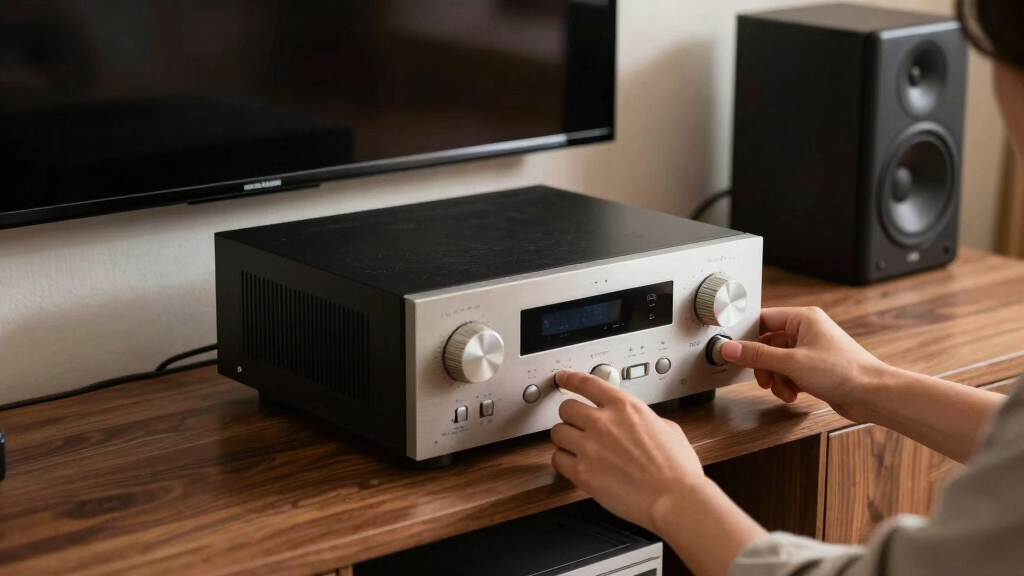
These AV receivers were selected based on a combination of performance, usability, build quality, feature set, and value for money. We prioritized models that offer reliable audio and video processing, support for current and future standards like 8K, and user-friendly interfaces. Products were also evaluated on their expandability, integration options, and overall durability. The ranking reflects how well each receiver balances these factors within different price ranges, ensuring options for various types of home theater enthusiasts.Factors to Consider When Choosing Best AV Receiver For Home Theater
When choosing the best AV receiver for home theater, it’s important to consider several key factors that impact your overall experience. Beyond just wattage or number of channels, understanding these considerations can prevent common pitfalls and help you select a model that fits both your current needs and future upgrades.Power and Channels
While high wattage can deliver louder volume, it doesn’t automatically mean better sound quality. More important is matching the receiver’s channels to your speaker configuration—whether a 5.1, 7.2, or larger setup. Overbuying channels can increase cost and complexity without a noticeable benefit, especially if your room or speaker setup doesn’t support it. Focus on a receiver that offers enough channels for your current setup, with room to expand if needed.
Video and Audio Standards
Support for the latest standards like 4K, 8K, HDR, Dolby Atmos, and DTS:X signals future-proof your system. However, be aware that some budget models may only support older standards or lack the bandwidth for certain features. Consider how important these standards are for your content consumption—if you plan to upgrade your TV or streaming sources soon, investing in a receiver with 8K support might be worthwhile.
Ease of Use and Setup
User interface, on-screen setup, and remote control usability can make or break your experience. Some models come with smartphone apps or voice control, simplifying operation. Avoid overly complex units if you’re not tech-savvy, as difficult setup can lead to frustration. Reading user reviews about setup experiences can save time and help you find a model that’s straightforward to configure.
Connectivity and Expandability
Ensure the receiver has enough HDMI ports and supports your other devices, like game consoles, Blu-ray players, and streaming boxes. Also, check for built-in Bluetooth, Wi-Fi, or multi-room audio options if you want a connected or multi-zone system. Limitations here can require additional equipment or force you to compromise on your device arrangement.
Budget and Value
While it’s tempting to get the most features, consider what you truly need now versus what can wait. Spending more on a premium model offers better build quality, more features, and longer support, but often isn’t necessary for small rooms or casual use. Conversely, sacrificing quality for a lower price might lead to frustrations or future upgrades sooner than expected.
Frequently Asked Questions
Do I need an AV receiver with 8K support?
If you plan to upgrade your TV or streaming content to 8K in the near future, choosing an AV receiver with 8K support provides better compatibility and longer-term usability. For most users with current 4K setups, 8K support isn’t essential yet and can add unnecessary cost. Consider your content source plans and whether the extra investment aligns with your home theater goals.
How many HDMI ports should I look for?
The number of HDMI ports needed depends on your device count. A typical setup with a gaming console, Blu-ray player, and streaming device might need at least 4-6 inputs. If you plan to expand or add more devices later, opt for a receiver with additional ports. Also, check that the ports support 4K or 8K video and HDCP 2.2 for compatibility with modern content.
Is higher wattage always better?
Not necessarily. Wattage indicates maximum power output but doesn’t directly determine sound quality. A receiver with moderate wattage can deliver clear, loud sound if paired with efficient speakers. Overly powerful units might be underutilized in small rooms, while underpowered models can struggle with loud volumes or dynamic scenes. Focus on matching wattage with your room size and speaker efficiency.
Should I prioritize a receiver with voice control?
Voice control adds convenience, especially for quick volume adjustments or switching inputs. However, it often comes at a higher cost and may require additional setup. If you value hands-free operation, look for models with built-in Alexa, Google Assistant, or Apple HomeKit support. Otherwise, traditional remote control usability can be sufficient for most users.
What’s the difference between Dolby Atmos and DTS:X?
Both Dolby Atmos and DTS:X provide immersive 3D audio experiences by adding height channels, making sound more three-dimensional. The main difference lies in content availability and processing technology. If you want the broadest selection of Atmos-encoded content and compatible hardware, prioritize models supporting Dolby Atmos. For more flexible speaker configurations, DTS:X offers similar immersive sound, often at a slightly lower cost.
Conclusion
For most users, the Denon AVR-X1700H offers a compelling mix of future-proofing, performance, and ease of use, making it the best overall choice. Budget-conscious buyers should consider the Yamaha RX-V385 for solid 4K support without breaking the bank. Enthusiasts seeking premium features will find the Onkyo TX-NR6100 worth the investment, especially with its THX certification and high channel count. Beginners or small setups will benefit from simpler, more straightforward models, while those with larger, more complex systems should prioritize expandability and advanced audio standards. This selection aims to match different needs, preferences, and budgets for a satisfying home theater experience in 2026.