
To seal painted surfaces for durability, start by choosing the right sealant based on whether your surface is indoor or outdoor. Make certain the surface is clean and properly prepared before applying thin, even coats with a brush, roller, or spray. Allow each layer to dry completely before adding another. Use a finish that matches your desired sheen, and inspect for missed spots. Proper application and maintenance will help your surface stay protected and looking great longer—you’ll find more tips below to achieve perfect results.
Key Takeaways
- Choose the appropriate sealant based on surface type, such as acrylic for indoor walls or water-resistant for outdoor surfaces.
- Ensure thorough surface preparation by cleaning, sanding, and repairing any imperfections before sealing.
- Apply sealant in thin, even coats using a high-quality brush, roller, or spray, allowing each coat to dry completely.
- Select a sealant finish—glossy, matte, or satin—that matches desired durability and appearance.
- Regularly inspect and maintain the sealed surface to ensure long-lasting protection and address any damages promptly.
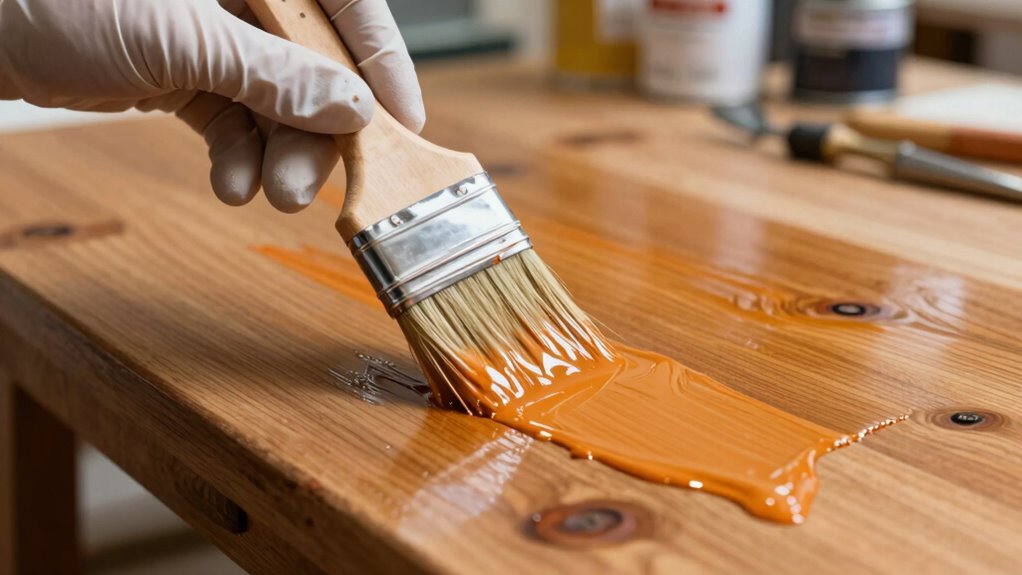
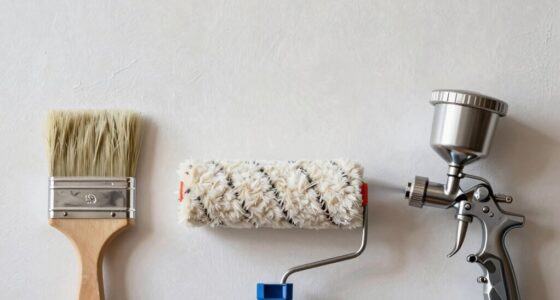
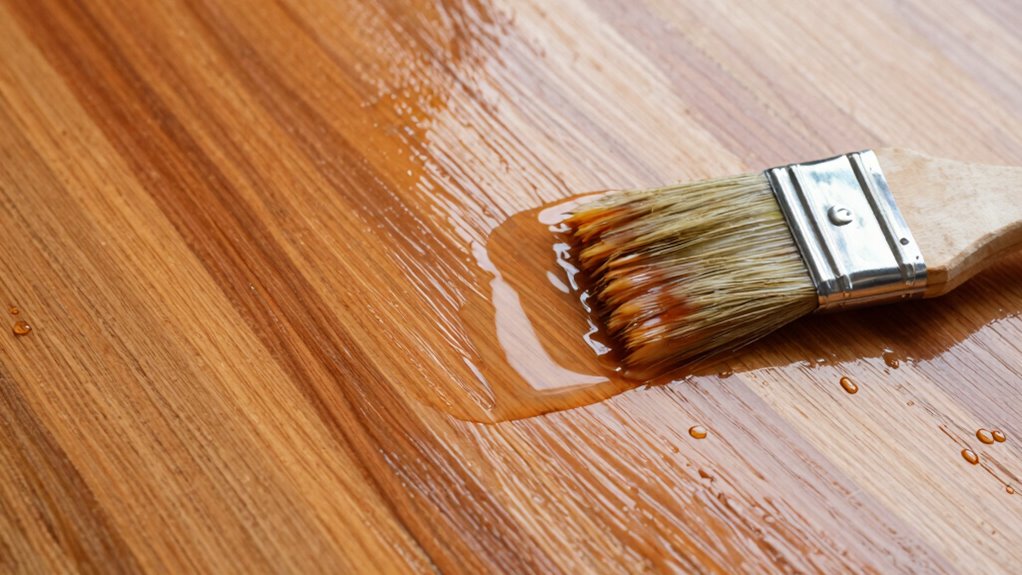
Once your surface is prepped, it’s time to choose the right sealants. Selecting the appropriate sealant depends on the type of surface and the intended use. For indoor painted walls or furniture, a clear acrylic or polyurethane sealant often works well, offering durability without altering the appearance. For outdoor surfaces exposed to weather, opt for a sealant with UV protection and water resistance. Consider the finish you want—glossy, matte, or satin—since different sealants offer varied sheens. If you’re sealing artwork or decorative projects, you might prefer a sealer that enhances color vibrancy or provides a non-yellowing finish. Always check the manufacturer’s instructions to guarantee compatibility with your paint and surface, and select a sealant that offers the level of protection you need. Protecting biodiversity in your environment can also influence the choice of eco-friendly sealants that are less harmful to the surrounding ecosystem. Using environmentally conscious products can help support metaphysical harmony with nature. Additionally, selecting sealants made with eco-friendly ingredients can contribute to a healthier indoor environment. Applying the sealant correctly is vital for a smooth, durable finish. Use a high-quality brush or roller to apply the sealant evenly, avoiding drips or pooling. Work in thin coats, allowing each layer to dry thoroughly before adding the next, as this prevents bubbles and ensures a uniform surface. Proper surface preparation also helps improve the adhesion and longevity of the sealant, ultimately resulting in a more durable finish. If you’re using spray sealants, maintain a consistent distance and movement to avoid overspray or uneven coverage. Pay particular attention to edges and corners, where the sealant can sometimes be missed or applied too thickly. Once the final coat is dry, inspect the surface for any missed spots or imperfections, and touch up as needed. Proper surface preparation combined with thoughtful choice of sealants and careful application guarantees your painted surfaces stay protected and looking great for years to come.
clear acrylic sealant for painted surfaces
As an affiliate, we earn on qualifying purchases.
As an affiliate, we earn on qualifying purchases.
Frequently Asked Questions
Can I Seal Painted Surfaces Outdoors?
Yes, you can seal painted surfaces outdoors. To guarantee weather resistance, start with thorough surface preparation—clean, dry, and smooth the area. Choose a high-quality outdoor sealant suitable for your paint type. Apply it evenly, following the manufacturer’s instructions, to protect against rain, UV rays, and temperature changes. Proper sealing boosts durability, extends the paint’s lifespan, and keeps your outdoor surface looking fresh and vibrant for years.
How Long Should I Wait Before Sealing?
You should wait at least 24 hours before sealing painted surfaces to guarantee proper paint preparation and curing. Coincidentally, this window aligns with typical sealing techniques, giving the paint enough time to dry thoroughly. Rushing the process can lead to smudges or peeling. For outdoor surfaces, wait even longer if conditions are humid or cold. Patience guarantees a durable, flawless finish that lasts longer.
Is Sealing Necessary for All Painted Surfaces?
Sealing isn’t necessary for all painted surfaces, but it’s highly recommended for added durability. Proper surface preparation guarantees the paint adheres well, and sealant application protects against moisture, scratches, and UV damage. If you’re sealing surfaces like outdoor furniture or high-traffic areas, sealing helps maintain their appearance longer. Always evaluate the specific surface type and use appropriate sealants to ensure the best protection and longevity.
What Is the Best Sealing Product for Matte Paint?
The best sealing product for matte paint is a clear, matte finish sealer, which maintains the soft, non-reflective look. Sealing options include a spray-on or brush-on matte polyurethane or acrylic sealer. These options protect your painted surface from scratches, moisture, and UV damage without altering the matte finish. Always choose a sealer compatible with your paint type and apply thin, even coats for peak durability and appearance.
Can I Reseal Over Existing Sealant?
Ever wonder if you can reseal over existing sealant? Yes, you can, but first, you’ll need to remove the old sealant properly. Start with sealant removal, then thoroughly clean and dry the surface for maximum adhesion. Proper surface preparation ensures the new sealant bonds well and offers lasting protection. Resealing over existing layers saves time and effort, but neglecting preparation can compromise durability. Are you ready to give your surface the best seal?
Conclusion
Sealing your painted surfaces is essential for lasting durability and protection against wear. By choosing the right sealant and applying it correctly, you can extend the life of your paint job considerably. Did you know that properly sealed surfaces can last up to 50% longer than unsealed ones? This simple step not only preserves your work but also saves you time and money in the long run. Take the time to seal your surfaces—you’ll appreciate the lasting results.