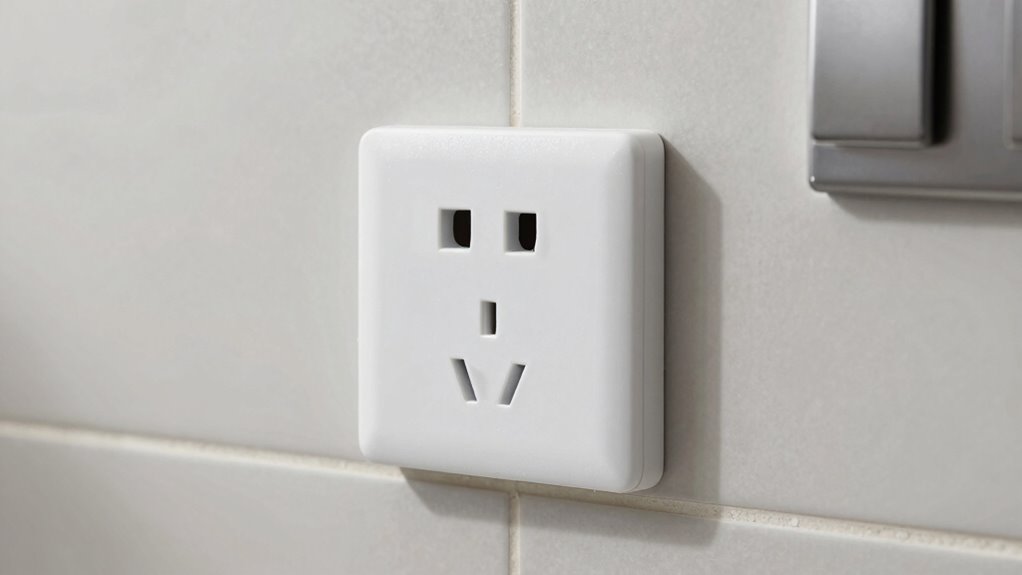

A GFCI outlet trips when it detects a ground fault or leakage current, which means electricity is escaping to the ground and could cause shocks. This safety feature quickly cuts off power to prevent injury or fire. Trips happen because of damaged wiring, moisture, overloaded circuits, or faulty devices. If your GFCI keeps tripping, you should investigate the causes and know the proper steps for troubleshooting. Understanding these details can help keep your home safe—there’s more to learn ahead.
Key Takeaways
- “Trips” means the GFCI has detected a ground fault or leakage current and has shut off power to prevent shocks.
- GFCIs respond quickly to uneven current flow between hot and neutral wires, triping to protect users.
- Frequent or unexpected trips often indicate wiring issues, moisture, or faulty appliances.
- Resetting the GFCI restores power after a trip, but persistent trips may require troubleshooting or professional inspection.
- Regular testing ensures the GFCI functions correctly and maintains safety in wet or damp areas.

Klein Tools RT250 GFCI Outlet Tester with LCD Display, Electric Voltage Tester for Standard 3-Wire 120V Electrical Receptacles
CLEAR LCD READOUT: GFCI Receptacle Tester features a large backlit LCD readout for easy voltage reading and clear…
As an affiliate, we earn on qualifying purchases.
As an affiliate, we earn on qualifying purchases.
What Is a GFCI Outlet and How Does It Protect You?
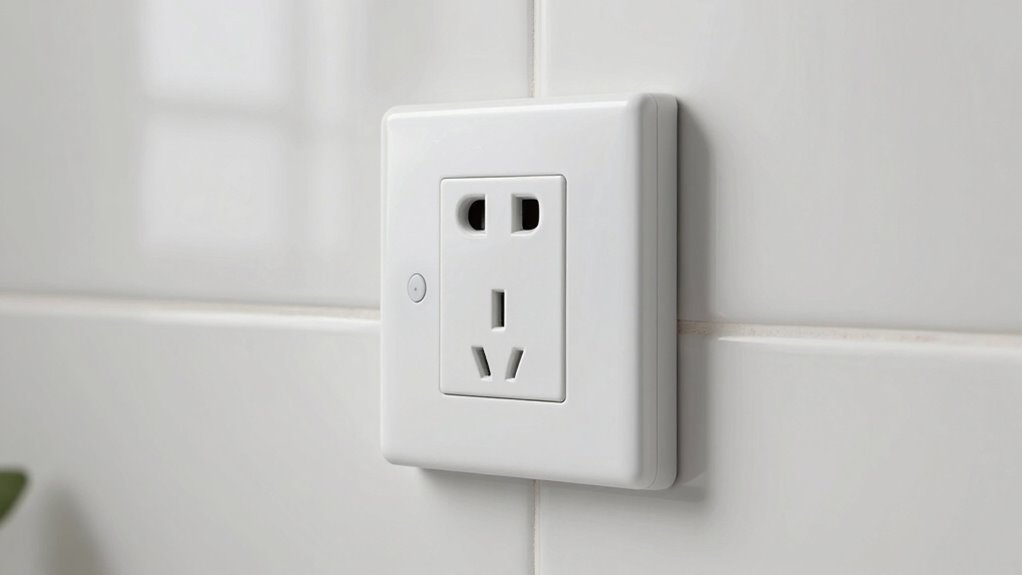
Have you ever wondered how GFCI outlets keep you safe from electrical shocks? They detect grounding issues by monitoring the flow of electricity between the hot and neutral wires. If there’s a difference, it indicates current is leaking, possibly through a person. The GFCI quickly trips, cutting power to prevent harm. Proper outlet placement is essential; installing GFCIs in kitchens, bathrooms, or outdoor areas ensures safety in wet or damp conditions. These outlets are designed to respond faster than a standard outlet, providing an extra layer of protection. By catching leaks early, they prevent shocks and reduce fire risks caused by faulty wiring or ground faults. Understanding where to place GFCI outlets and how they work helps you stay safe in everyday electrical use. Safety tips and proper installation are crucial to maximize their effectiveness and ensure your household remains protected. Additionally, smart home technology can integrate GFCI outlets with home automation systems for enhanced monitoring and alerts. Recognizing the importance of correct wiring is vital for ensuring GFCIs function properly and provide the intended safety benefits.

Hubbell Bell MX1050S Single-Gang Weatherproof Heavy Duty Universal Flip Cover, 2.87"W x 4.84"H, Gray Finish
Country Of Origin: China
As an affiliate, we earn on qualifying purchases.
As an affiliate, we earn on qualifying purchases.
Why Do GFCI Outlets Trip? Common Causes Explained
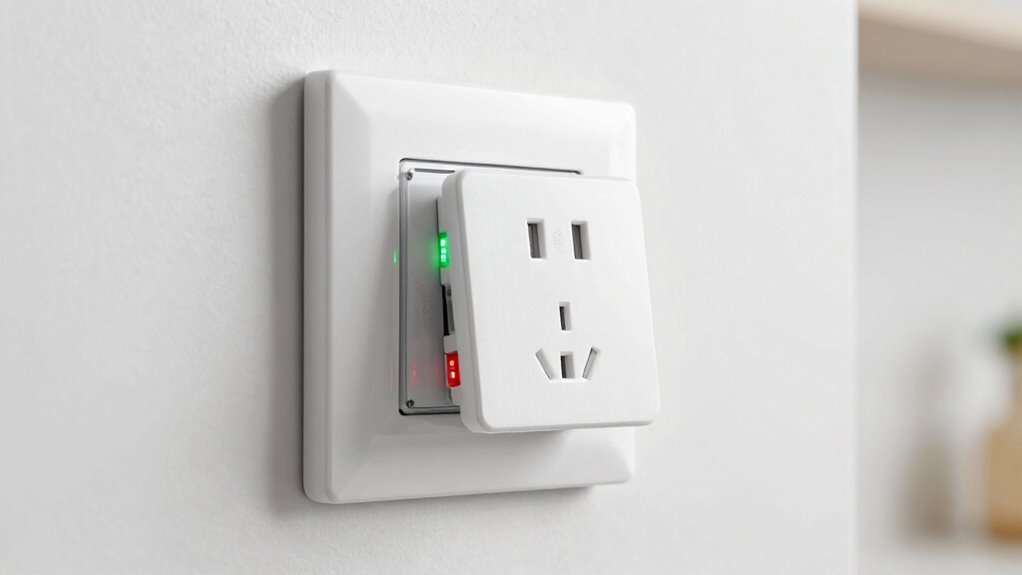
GFCI outlets trip to protect you when they detect issues like ground faults, leaks, or electrical imbalances. Sometimes, they trip because circuits or outlets are overloaded or damaged wiring causes faults. Understanding these common causes helps you troubleshoot and keep your electrical system safe. Additionally, scams in the electrical industry can sometimes lead to improper installations that cause GFCI trips or other safety concerns. Being aware of innovative electrical safety solutions can also help in preventing unnecessary trips and ensuring reliable protection. For example, improper wiring or faulty connections in areas like hydrotherapy equipment or other water-related appliances can also inadvertently trigger GFCI outlets, emphasizing the importance of proper installation and maintenance. Recognizing common wiring issues can further assist in diagnosing why a GFCI trips unexpectedly.
Ground Faults and Leaks
Ground faults and leaks are common reasons why a GFCI outlet trips, serving as safety mechanisms to prevent electrical shocks. A ground fault occurs when current leaks from a device or wiring to the ground, creating an electrical leak. If you notice your GFCI tripping unexpectedly, it might be due to a ground fault caused by damaged wiring, moisture, or faulty appliances. These leaks can happen when insulation is compromised or if water gets into electrical connections. The GFCI detects the imbalance between the hot and neutral wires, signaling a potential electrical leak and shutting off power. This quick response protects you from electric shock and prevents potential fires. Regularly inspecting outlets and addressing moisture issues can help reduce false trips caused by ground faults. Monitoring for crypto pump alerts can help detect unusual activity that might influence electrical safety systems or other connected devices. Being aware of environmental factors like humidity and water exposure can also help prevent unnecessary trips of your GFCI outlet. Additionally, proper maintenance of electrical systems ensures that wiring remains intact and less prone to leaks or faults. In some cases, faulty appliances can also cause ground faults, so testing devices before use can prevent trips.
Overloaded Circuits or Outlets
Overloading a circuit or outlet is a common reason why a GFCI trips unexpectedly. When you connect too many devices or high-power appliances, it causes circuit overloads or outlet overuse, putting excessive strain on the outlet. This overload causes the wiring to heat up, which can trigger the GFCI’s safety mechanisms to trip, protecting you from potential hazards. Often, you might notice this when multiple appliances run simultaneously in one outlet or circuit. To prevent this, avoid plugging too many devices into a single outlet or circuit. Distributing the load across different circuits can help reduce the risk of overloads. Remember, frequent trips due to overloads indicate that your circuit may need an upgrade or additional outlets to handle your power needs safely. Additionally, using proper circuit design and capacity can help prevent overloads and ensure safe operation. Regularly inspecting your electrical system and understanding its power capacity can also help prevent overload-related trips and enhance safety. Incorporating smart circuit protection devices can further assist in avoiding overloads by automatically shutting off power when limits are exceeded.
Faulty or Damaged Wiring
Faulty or damaged wiring is a common reason GFCI outlets trip unexpectedly. Over time, wiring damage from wear, pests, or improper installation can cause circuit issues. When wires become frayed, loose, or corroded, they can create unintended paths for current, triggering the GFCI’s trip mechanism. This safety feature detects even small imbalances, so compromised wiring often results in nuisance trips. Additionally, issues such as support breakfast can sometimes contribute to electrical problems if appliances are used improperly or if wiring is not up to standard.

ELEGRP GFCI Outlet 20 Amp, Self-Test GFI Electrical Outlet with Thinner Design, TR Tamper Resistant GFCI Receptacle, Ground Fault Circuit Interrupters with Wall Plate, UL Listed, Matte White, 1 Pack
✅【Innovative Dual Protection System】Features twin solenoid and double silicon controlled rectifier (SCR), ensuring an always-on GFCI protection to…
As an affiliate, we earn on qualifying purchases.
As an affiliate, we earn on qualifying purchases.
How to Reset and Test Your GFCI Outlet Safely
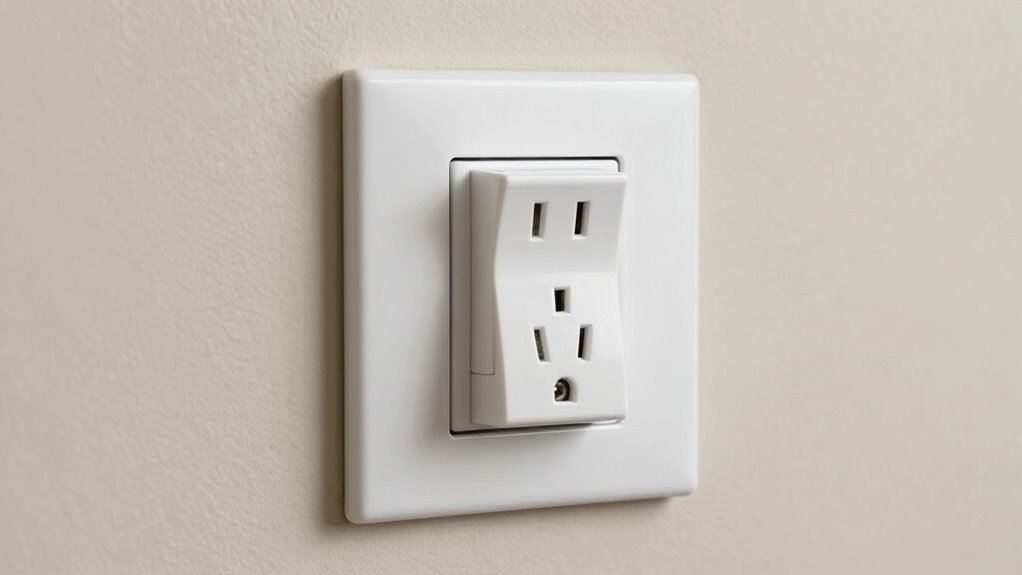
To safely reset and test your GFCI outlet, start by pressing the reset button firmly until it clicks, guaranteeing the outlet is properly reset. Follow these steps to confirm it’s functioning correctly:
- Use the reset procedures recommended by the manufacturer
- Press the test button to verify the GFCI trips
- Plug in a small device or appliance to check power flow
- Press the reset button again to restore power
- Regular testing helps ensure the outlet’s ground-fault protection remains effective.
- Additionally, understanding the electrical wiring in your home can help prevent issues with GFCI outlets and ensure safety.
- Knowing how ground-fault circuit interrupters work can help you troubleshoot problems more effectively.
- Being familiar with electrical safety practices is essential for preventing hazards during testing and maintenance.
- Proper maintenance of GFCI outlets also involves inspecting for signs of wear or damage, which can compromise their safety features.
Performing these testing techniques ensures your GFCI is working properly and provides necessary protection. Always ensure your hands are dry and avoid touching internal parts. If the outlet doesn’t reset or trip test correctly, consider inspecting wiring or calling an electrician. Regular testing and reset procedures keep your GFCI reliable and your home safe.

OAONAN GFCI Replacement Plug Assembly Auto Reset 15 Amp 3 Prongs, 5 Years Warranty, Ground Fault Circuit Interrupter Safety Plug for Pressure Washer, Hot Tub, Air Conditioner, Hair Dryer
Ultimate Safety with Surge & Lightning Protection – This GFCI replacement plug offers surge protection and lightning resistance,…
As an affiliate, we earn on qualifying purchases.
As an affiliate, we earn on qualifying purchases.
Troubleshooting GFCI Trips: When to Call an Electrician?
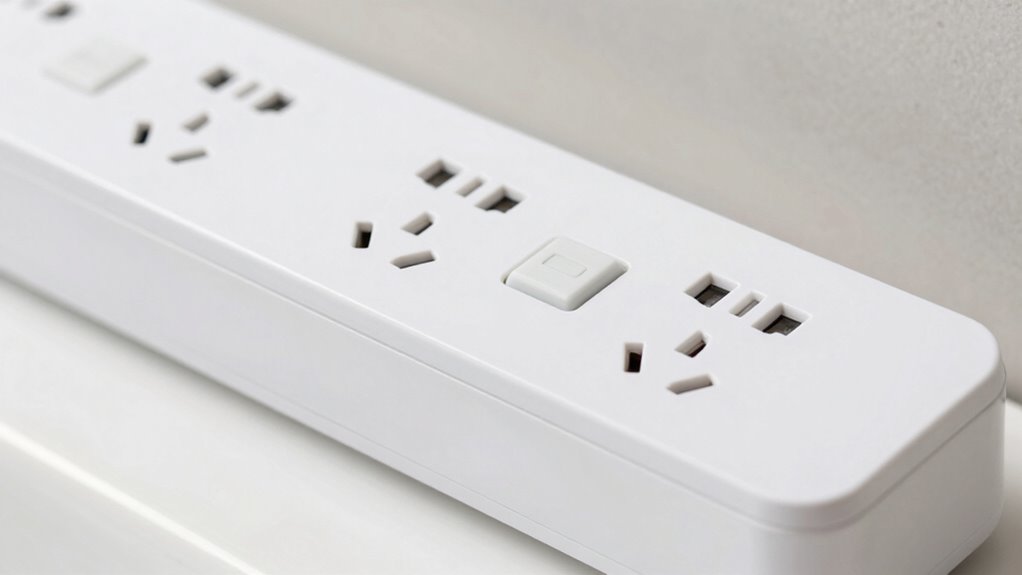
If your GFCI keeps tripping repeatedly, it’s a sign something might be wrong. You should consider calling an electrician if the trips happen often or if you notice persistent issues. Ignoring these signs could pose safety risks or cause further electrical problems. Understanding electrical safety standards can help you identify when professional assistance is necessary. Additionally, being aware of the different cookie categories that track your interactions can inform your privacy decisions when seeking help online. Regularly inspecting your outlets and understanding credit card terms can help prevent potential hazards or financial issues related to electrical or payment systems. Recognizing that some electrical issues may be linked to insulation damage or faulty wiring underscores the importance of professional diagnosis to ensure safety and proper repair.
Signs of Persistent Trips
Persistent trips of your GFCI outlet can indicate underlying electrical issues that need prompt attention. If your GFCI keeps tripping repeatedly, it’s a sign of persistent trips that can lead to safety hazards or damage. Watch for these signs:
- Frequent outages, especially when using certain appliances
- The outlet trips immediately upon reset
- Tripping occurs in specific circuits or outlets
- Flickering or dimming lights nearby
These signs suggest there could be wiring problems, faulty devices, or moisture issues. Ignoring persistent trips can increase the risk of electrical fires or damage. Proper diagnostics and maintenance can often identify the root cause before more serious problems develop. If you notice these symptoms, it’s time to evaluate your setup and consider calling an electrician to diagnose and resolve the root cause. Don’t wait until an outage becomes a serious problem.
When to Seek Professional Help
When your GFCI outlet keeps tripping despite trying to reset it, it’s a clear sign that professional help may be needed. Ignoring persistent trips can compromise electrical safety and lead to potential hazards in your home. If resetting doesn’t fix the problem, or if tripping occurs frequently, it’s time to contact a licensed electrician. DIY troubleshooting might overlook underlying issues such as faulty wiring, damaged outlets, or ground faults that require specialized tools and expertise. Proper home maintenance includes ensuring all electrical components function correctly and safely. Relying on a professional safeguards your family and property, especially when dealing with complex electrical systems. Don’t delay seeking help—professional intervention ensures safety and peace of mind.
Tips to Prevent Unnecessary GFCI Trips and Keep Your Home Safe
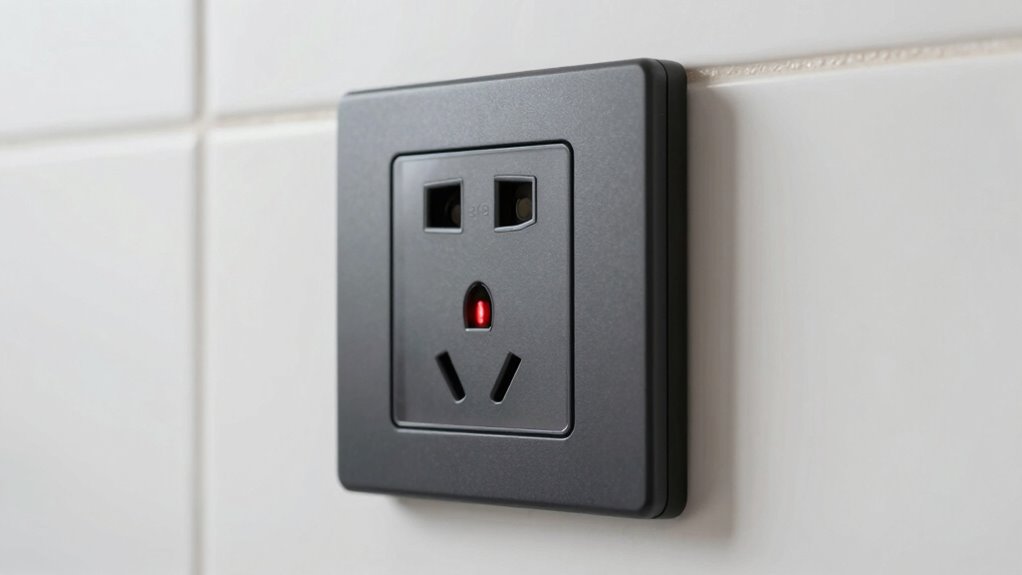
GFCI outlets are designed to protect you from electrical shocks, but frequent trips can be frustrating and may indicate underlying issues. To prevent unnecessary trips, focus on ground fault prevention and regular outlet maintenance tips. Keep your outlets dry and away from moisture, as water can cause false trips. Use appliances properly—avoid overloading circuits or plugging in damaged cords. Check for loose connections or signs of wear, and tighten or replace them as needed. Avoid using multiple devices on one GFCI outlet, which can trip the breaker. Installing surge protectors can also shield outlets from power surges. Regular inspections help catch issues early, ensuring your GFCI functions correctly and keeps your home safe. Proper ground fault prevention is key to reducing trips and maintaining electrical safety.
Understanding GFCI Outlet Warning Signs and When to Replace
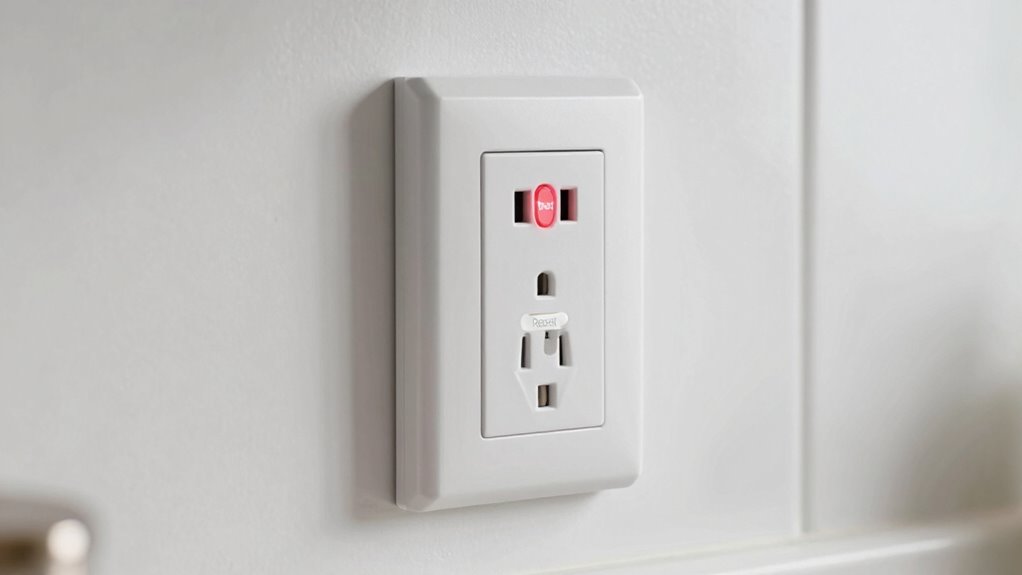
While regular maintenance helps prevent unnecessary trips, it’s equally important to recognize warning signs that indicate your GFCI outlet may need replacement. If it trips repeatedly without a clear cause, or if you notice a persistent electrical leak, these are signs of underlying issues like a ground fault. Other signs include physical damage, scorch marks, or a malfunctioning indicator light. To help visualize, consider this table:
| Warning Sign | Possible Cause | Action Needed |
|---|---|---|
| Frequent tripping | Ground fault or electrical leak | Replace or repair GFCI outlet |
| No power despite reset | Internal fault or wiring issue | Replace GFCI outlet |
| Physical damage | Wear or impact | Replace immediately |
| Indicator light off | Faulty or burned-out component | Replace GFCI outlet |
Prompt replacement guarantees safety and prevents electrical hazards.
Frequently Asked Questions
Can GFCI Outlets Be Installed Outdoors or in Damp Areas?
Yes, you can install GFCI outlets outdoors or in damp areas. To guarantee safety, use weatherproof covers that protect against moisture and debris. Also, consider the ground fault sensitivity of the GFCI, which detects even small leaks of current. Proper installation with weatherproof covers helps prevent tripping caused by environmental factors, keeping your outdoor or damp area safe and functional.
How Long Do GFCI Outlets Typically Last Before Needing Replacement?
Your GFCI outlet might seem invincible, but it typically lasts 10 to 15 years before needing a replacement—though environmental factors and wear and tear can shorten that lifespan. Constant exposure to moisture, dirt, or heavy use accelerates aging. Think of it like a superhero’s sidekick; it works tirelessly, but eventually, even the toughest need a break. Regular testing and replacement guarantee your safety isn’t left hanging by a thread.
Are There Different Types of GFCI Outlets for Specific Appliances?
Yes, there are different types of GFCI outlets designed for specific appliances. You should look for GFCI compatibility when choosing outlets for high-power or sensitive devices like kitchen appliances, outdoor equipment, or bathroom fixtures. Appliance-specific outlets guarantee safety and proper functioning. Always check the manufacturer’s recommendations to select the right GFCI outlet, especially if you’re installing in a specialized area or for a particular appliance.
What Are the Electrical Codes Regarding GFCI Installation?
They say safety first, and that’s true for electrical codes. You need to follow wiring standards and safety regulations when installing GFCI outlets. Local building codes typically require GFCI protection in areas like bathrooms, kitchens, and outdoors. Always verify your installation meets the National Electrical Code (NEC) standards, and check with your local authority for specific regulations. Doing so keeps your home safe and compliant with legal requirements.
Can Children Accidentally Cause GFCI Outlets to Trip Frequently?
Children can accidentally cause GFCI outlets to trip if they tamper with the outlets or insert objects, triggering the safety mechanism. To prevent this, you should childproof outlets with safety covers and supervise kids around electrical devices. By doing so, you reduce the chances of accidental trips and keep your home safer, ensuring that your children can’t easily cause electrical issues or harm themselves with live outlets.
Conclusion
Understanding why your GFCI outlet trips helps keep you safe and prevents unnecessary inconvenience. While it might seem like a hassle, these trips are actually protecting you from electrical hazards. If your outlet keeps tripping despite troubleshooting, don’t ignore it—consult a professional. Remember, regular testing and maintenance guarantee your safety, and addressing issues early can save you from costly repairs later. Stay proactive, and your home will stay safe and secure.