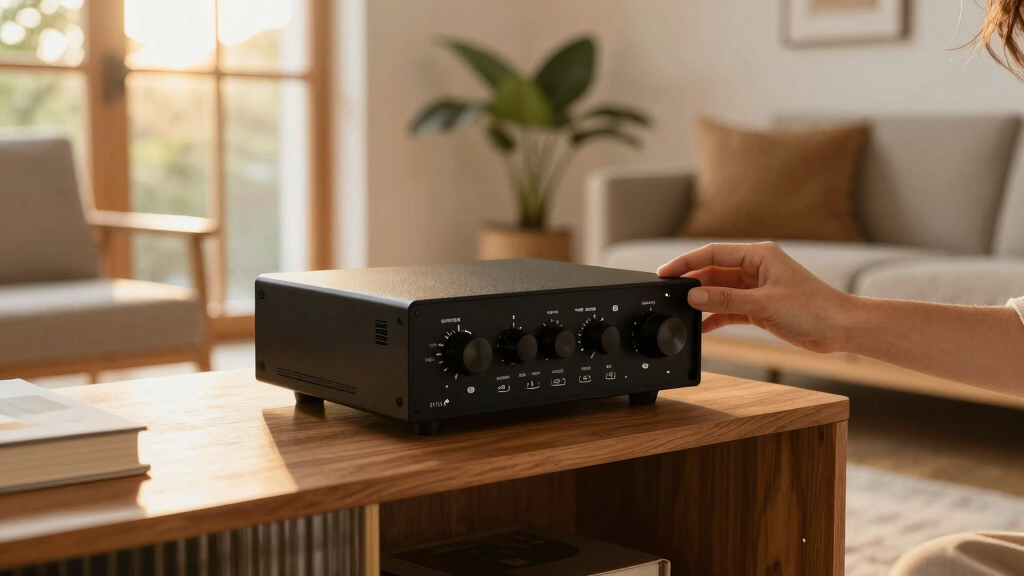

Finding the best whole home audio amplifier system means balancing power, flexibility, and ease of control. The Dayton Audio MA1280 stands out as the top overall pick for its extensive multi-zone capacity and robust sound quality. For those seeking wireless convenience, the Juke+ 6 Zone Audio Amplifier offers seamless streaming with popular platforms like Spotify and AirPlay 2. Meanwhile, the Yamaha XDA-AMP5400RK excels for larger homes needing high power and professional-grade features. Choosing the right system involves tradeoffs between price, complexity, and expandability. Continue reading for a detailed comparison to help you find the best fit for your home audio setup.

Get furniture and decor delivered free with Prime
- Fast, free delivery on millions of items
- Prime Video, Amazon Music and more included
- Member-only deals all year
Complete the kit


Key Takeaways
- Multi-zone capacity is a key factor; systems with more zones provide greater flexibility for complex home layouts.
- Wireless streaming features like AirPlay 2 and Spotify Connect significantly enhance user convenience.
- Power output per zone varies widely; larger homes or demanding speakers require higher wattage systems.
- Ease of installation and control interfaces differ, with some systems leaning toward professional setups versus DIY-friendly apps.
- Price often correlates with features and expandability; investing in a higher-end system can pay off for future needs.


More Details on Our Top Picks
Dayton Audio MA1260 Multi-Zone 12-Channel Amplifier
The Dayton Audio MA1260 stands out for its ability to support up to six stereo zones with independent controls, making it ideal for larger or more complex multi-room systems. Compared with the Dayton DAX88, it offers more zones but lacks specific power output details, which could be a concern for those seeking maximum volume. Its multi-stage protection circuitry and cooling fans add reliability during extended use, but the setup can be daunting without technical knowledge. This amplifier excels when you require extensive zone control and flexibility, though its complexity might be overkill for smaller homes or casual users.
Pros:- Supports multiple zones with independent control
- Flexible input options for diverse setups
- Reliable protection circuitry and cooling system
Cons:- Setup may require technical expertise
- No specific power output details provided
Best for: Homeowners with large multi-room systems needing independent zone control and customization.
Not ideal for: Those seeking a plug-and-play solution or with limited technical experience.
- Channels:12
- Zones:6 stereo zones
- Protection circuitry:Multi-stage
- Cooling:Temperature-controlled fans
- Inputs:Independent and bus inputs
- Outputs:Bridgeable channel outputs
Our verdict“This is a strong choice for users needing extensive multi-zone control and customization, despite its complex installation.”
Dayton Audio DAX88 8-Source 8-Zone Bridgeable Distributed Audio Matrix Amplifier with Wi-Fi and Mobile App
The Dayton Audio DAX88 offers a compelling mix of power and control with support for up to 8 zones and 8 sources, making it suitable for those who want a flexible, wireless multi-room system. Its 75W per channel power and 260W bridged output ensure robust sound, outperforming smaller models like the Juke-6 in terms of power capacity. The addition of Wi-Fi streaming and mobile app control simplifies management, but the rack-mount design and setup complexity could be off-putting for less experienced users. This model is perfect for tech-savvy homeowners needing high power and multiple source options, though it’s less suited for simple or smaller installations.
Pros:- Supports multiple zones and sources with customization
- High power output for immersive sound
- Includes Wi-Fi streaming and mobile app control
Cons:- Requires rack-mount setup, not ideal for small spaces
- Setup can be complex for beginners
Best for: Tech-savvy users seeking high-powered, Wi-Fi-enabled multi-zone audio with flexible source options.
Not ideal for: Users preferring plug-and-play systems or with limited space for rack-mount equipment.
- Number of sources:8
- Number of zones:8
- Power per channel:75 W at 8 Ohms
- Bridged power:260 W at 8 Ohms
- Connectivity:Analog and Digital, Wi-Fi
- Control:Mobile app (iOS/Android)
Our verdict“Ideal for homeowners who prioritize power, wireless control, and multiple sources over simplicity.”
Juke-6 6 Zone Audio Amplifier with Wireless Multi-Room Control
The Juke-6 provides a straightforward way to create a multi-room audio system with support for up to 6 zones and multiple streaming options like AirPlay 2, Spotify Connect, and Bluetooth. Its 40W per channel output is adequate for typical household rooms, but may fall short in larger spaces compared to higher-powered models like the Dayton DAX88 or MA1280. The ability to connect multiple units for expansion makes it versatile for growing systems, and its wireless setup simplifies installation. However, the need for a Wi-Fi network and passive speakers limits its appeal for those seeking a fully integrated, wired solution with higher power levels.
Pros:- Supports multiple streaming services including AirPlay 2 and Spotify
- Expandable by connecting additional units
- Wireless setup with easy control via apps
Cons:- Limited to 12 speaker channels per unit
- Requires Wi-Fi network for multi-zone operation
Best for: Homeowners wanting an easy-to-expand, wireless multi-room system with streaming support.
Not ideal for: Users requiring high-volume output or passive speaker setups without Wi-Fi infrastructure.
- Voltage:12 volts DC
- Channels:12
- Output Power:40 watts per channel
- Maximum Output Power:480 watts
- Connectivity:AirPlay 2, Spotify, Bluetooth, DLNA
- Dimensions:15 x 8 x 3 inches
Our verdict“This is best suited for users seeking a flexible, wireless multi-room system that can grow over time, but not for large or high-volume needs.”
Dayton Audio MA880 Multi-Zone 8-Channel Class-D Amplifier, 8 x 80W (160W Bridged), 4 Stereo Zones, 6 Inputs, Rack-Mountable
The Dayton Audio MA880 offers a balanced mix of power and flexibility, with 8 channels at 80W each and the ability to bridge for 160W per zone, making it suitable for both whole-home and home theater applications. Compared to the MA1260, it provides a more straightforward 8-zone setup with professional features like auto/on signal sensing and a wide frequency response, but it lacks wireless connectivity, which limits convenience for wireless multi-zone configurations. Its rack-mount design and multiple input options appeal to those looking for a reliable, professional-grade amplifier, although beginners may find the setup somewhat complex.
Pros:- Powerful and suitable for whole-home or theater use
- Flexible routing with multiple inputs
- Rack-mountable with professional features
Cons:- No wireless or Wi-Fi connectivity
- Setup may be complex for novices
Best for: Homeowners or professionals needing a reliable, wired multi-channel amplifier for home theater or whole-home audio.
Not ideal for: Users seeking wireless, multi-zone control or simple plug-and-play options.
- Power Output:8 x 80W RMS at 8 ohms, 160W bridged
- Channels:8
- Inputs:6 (4 line, 2 stereo bus)
- Frequency Response:20Hz–20kHz
- Signal-to-Noise Ratio:102.5 dB
- Dimensions:2RU rack-mountable
Our verdict“This amplifier is a solid choice for those needing professional-grade, wired multi-channel amplification for home theater or large multi-room systems.”
Dayton Audio MA1280 Multi-Zone 12-Channel Class-D Amplifier, 12 x 80W (160W Bridged), 6 Stereo Zones, 8 Inputs, Rack-Mountable
The Dayton Audio MA1280 combines high channel count with substantial power, supporting 12 zones at 80W each and 160W when bridged. Its 8 inputs and flexible routing make it suitable for complex multi-room or home theater systems, especially where high volume and clarity are needed. Unlike the MA880, it offers more zones and inputs, but its setup may be intimidating for newcomers. The rack-mount design, combined with professional features like auto-on sensing and low distortion, makes it a solid option for serious installers or homeowners with advanced needs. It sacrifices wireless convenience for wired reliability and control.
Pros:- Supports 12 zones with high power output
- Flexible routing with multiple inputs
- Professional features for reliable operation
Cons:- Requires additional equipment for full multi-channel home theater setup
- Setup can be challenging for beginners
Best for: Advanced users or installers needing high-power multi-zone amplification for large or demanding home theater and multi-room systems.
Not ideal for: Casual users preferring wireless control or simple plug-and-play solutions.
- Power Output:12 x 80W RMS at 8 ohms, 160W bridged
- Number of Zones:6
- Inputs:8 line, 2 stereo bus
- Frequency Response:20Hz–20kHz
- Signal-to-Noise Ratio:106 dB
- Dimensions:2RU rack-mountable
Our verdict“This amplifier excels for large or demanding multi-zone systems where power, reliability, and expandability matter most, despite its complexity.”
Juke+ 6 Zone Audio Amplifier with 100 Watts per Channel, AirPlay 2, Spotify Connect, Multi-Room Streaming
The Juke+ stands out as the best all-around choice for those seeking flexible multi-zone audio with strong streaming support. Its 6-zone setup and 100W per channel output make it suitable for larger homes or commercial spaces, especially with app control that simplifies configuration. Compared to the WS66i, it offers more power per zone and more streaming options, but it relies on Wi-Fi and doesn’t specify compatibility with existing audio systems. Its support for multiple services like AirPlay 2 and Spotify, combined with analog and digital inputs, makes it adaptable, yet it lacks details on included accessories or speakers. This pick makes the most sense for users who want robust, centralized control without sacrificing streaming versatility, but those without reliable Wi-Fi may face connectivity hurdles.
Pros:- Powerful 100W per channel output suitable for larger spaces
- Supports multiple streaming services and multi-user zones
- App control offers easy setup and customization
Cons:- Requires Wi-Fi connection for full functionality
- Limited info on compatibility with existing audio systems
Best for: Homeowners or small commercial operators needing multi-zone streaming with high customization.
Not ideal for: Users with limited Wi-Fi or those seeking a plug-and-play system without app dependence.
- Power Output:100 Watts per channel
- Zones:6
- Connectivity:Wi-Fi, RCA, optical
- Control:App control via Juke Audio app
- Supported Services:AirPlay 2, Spotify, Pandora, Tidal, TuneIn
- Form Factor:1U rack mountable
Our verdict“Ideal for those wanting a flexible, high-power multi-zone amplifier with extensive streaming options.”
OSD Audio Nero HTA7200 Multi Channel 7x210W Home Theater Amplifier
The OSD Nero HTA7200 excels for dedicated home theater setups, offering 7 channels at 210W each, surpassing the power of many multi-room systems like the Yamaha XDA-AMP5400RK. Its balanced XLR inputs and 110dB signal-to-noise ratio support high-fidelity sound, but its complexity may pose challenges for less experienced users. Unlike the Yamaha, which emphasizes multi-room flexibility, the Nero is tailored for immersive audio with a focus on power and low-noise performance, making it an ideal choice for dedicated theater rooms. The 5-year warranty adds peace of mind, yet the setup can be daunting for beginners without prior audio experience. This device is best suited for users prioritizing high-fidelity, multi-channel home theater sound over multi-room distribution.
Pros:- High power output (210W per channel) for immersive sound
- Balanced XLR inputs for low-noise audio quality
- Channel status LEDs for easy monitoring
Cons:- Setup complexity may deter beginners
- Limited connectivity options beyond XLR and RCA
Best for: Home theater enthusiasts seeking powerful, low-noise multi-channel amplification.
Not ideal for: Casual users or those wanting simple, multi-zone whole-home audio without dedicated theater needs.
- Channels:7
- Power per channel:210W at 4 ohms
- Input types:XLR, RCA
- Trigger:12V
- Signal-to-noise ratio:110 dB
- Warranty:5 years
Our verdict“Best suited for dedicated home theater rooms that demand high power and sound clarity over multi-zone flexibility.”
Yamaha XDA-AMP5400RK 8 Channel Multi Room Amplifier
The Yamaha XDA-AMP5400RK offers a compelling balance of audiophile-grade amplification and multi-room versatility, supporting up to 8 channels and four audio buses. Its Class D design ensures efficient power delivery with high sound quality, making it more refined than the WS66i for users who prioritize sound fidelity. Although it provides only 50W per channel, its support for multiple speaker configurations and ground loop/hum-free design makes it suitable for high-end multi-room installations. Compared to the Juke+, it lacks extensive streaming options but compensates with better audio purity and stability. Its large size and lack of included mounting hardware may be drawbacks for some users, but its flexible setup appeals to those demanding audiophile-level multi-room audio.
Pros:- Audiophile-grade Class D amplification for high sound quality
- Supports multiple configurations with four audio buses
- Bridgeable channels and 4-ohm capability for flexible setups
Cons:- Limited maximum output power per channel (50W)
- Large physical size may require substantial installation space
Best for: Home audio enthusiasts seeking high-quality, multi-zone amplification with room for expansion.
Not ideal for: Users needing higher power per zone or simple plug-and-play multi-room setups without detailed configuration.
- Mounting Type:Surface Mount
- Number of Channels:8
- Maximum Output Power:50 watts
- Item Dimensions:18 x 2 x 18 inches
Our verdict“A strong choice for users seeking high-quality multi-room audio with room for complex configurations, despite moderate power limitations.”
WS66i 6 Zone Amplifier – 100W per Zone Whole House Audio System, 6 Source x 6 Zone App Controlled Multi-Room Amplifier for Ceiling Speakers, AirPlay, Spotify Connect, USB, DLNA
The WS66i is designed for users who need to distribute music across multiple zones, with a focus on ceiling and in-wall speakers. Its 6-zone capacity and 100W per zone make it suitable for medium-sized homes or commercial spaces, especially with app control that simplifies individual zone management. Compared to the Juke+, it offers more zones and expands easily to 18 zones with additional units, but the 100W limit per zone may fall short for larger or high-volume spaces. Its support for AirPlay, Spotify Connect, and DLNA covers most streaming needs, yet setup complexity can be a hurdle for non-technical users. This amplifier makes the most sense for those with existing speaker infrastructure who want scalable multi-zone control at a reasonable price.
Pros:- Supports six independent zones with app control
- Expandable system for more than 6 zones
- Wireless streaming options including AirPlay and Spotify
Cons:- Requires multiple units for more than 6 zones
- Limited to 100W per zone, which may be insufficient for large or noisy environments
Best for: Homeowners or small business owners looking to expand multi-zone audio over ceiling or in-wall speakers.
Not ideal for: Large spaces requiring high power per zone or users uncomfortable with multi-unit setups.
- Number of Zones:6 (expandable to 18)
- Power per Zone:100W
- Input Sources:6
- Streaming Support:AirPlay, Spotify Connect, DLNA, USB
- Control:App-controlled
Our verdict“Best suited for those seeking expandable, multi-zone whole-home audio with wireless streaming and straightforward app control, despite power limits per zone.”
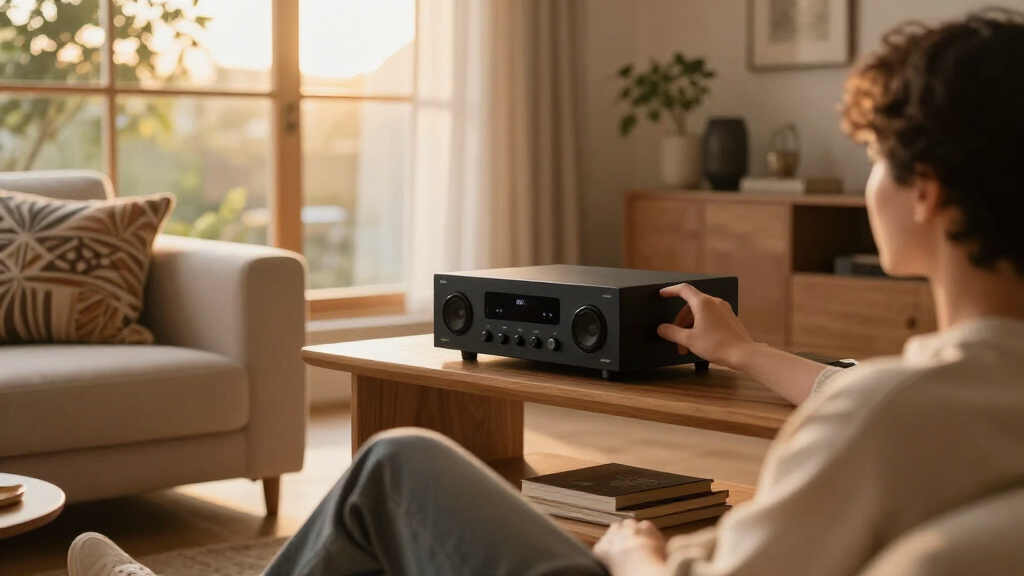
How We Picked
These products were evaluated based on their multi-zone capacity, power output, connectivity options, build quality, and user interface. We prioritized systems that offer reliable performance across multiple rooms while maintaining ease of use, whether via app control or physical interfaces. Cost-effectiveness was also considered, with a focus on providing options for different budgets and technical expertise levels. By comparing these factors, we arranged the list to highlight versatile, high-performance systems suitable for various home sizes and user preferences.Factors to Consider When Choosing Best Whole Home Audio Amplifier System
Choosing the best whole home audio amplifier system involves weighing several critical factors. Beyond raw power, consider how easily the system integrates with your existing setup, the streaming options it offers, and how scalable it is for future expansion. Compatibility with your preferred speakers, control interfaces, and smart home systems can make a significant difference in usability. Additionally, think about installation complexity and whether you prefer a plug-and-play solution or a more customizable setup. Understanding these broader considerations helps prevent costly mistakes and ensures a satisfying long-term investment.Power and Channel Capacity
Power output determines how loud and clear your system can get, especially for larger spaces or demanding speakers. Multi-channel capacity is equally important; systems with more zones allow you to independently control different areas without sacrificing audio quality. Be cautious of systems that promise many zones but lack sufficient wattage per channel, which can lead to weak sound in larger or more challenging environments. Balance your home’s size and your desired volume levels with the system’s power specs to avoid underperformance or overspending on unnecessary power.
Connectivity and Streaming Options
Wireless streaming features like AirPlay 2, Spotify Connect, and DLNA are game-changers for convenience. They eliminate the need for multiple devices and simplify control, especially if you already use these platforms. However, verify that the system supports your preferred services and devices, as some may have limitations or require additional adapters. Wired connections still matter for stability and higher fidelity, so check for inputs like USB, RCA, or HDMI. A flexible system with multiple input options ensures compatibility with various source devices and future upgrades.
Ease of Installation and Control
Ease of setup varies widely; some systems are designed for DIY installation, while others may need professional help. User interfaces, whether via mobile apps or physical remotes, influence daily usability. Intuitive controls reduce frustration, especially for less tech-savvy users. Consider whether the system supports multi-room control apps, voice commands, or integration with smart home platforms. A complicated setup can negate the benefits of a feature-rich system, so prioritize models that balance advanced features with straightforward operation.
Build Quality and Expandability
Durability and sound quality depend heavily on build quality—metal enclosures and quality components matter. Also, think about future expansion: can you add more zones, speakers, or upgrade power output later? Some systems are modular, letting you start small and grow, while others are fixed. An expandable system might have a higher initial cost but can save money long-term by accommodating evolving needs. Avoid overly proprietary designs that limit compatibility or upgrade paths.
Budget and Value
While it’s tempting to go for the most powerful or feature-rich system, consider your actual needs and budget. Cheaper systems often lack the power or flexibility for larger homes, while premium models offer advanced features but may be unnecessary for small spaces. Look for a system that provides the right balance between cost and functionality, ensuring you don’t pay for extras you won’t use. Remember, investing a bit more upfront can lead to better satisfaction and fewer upgrades down the line.
Frequently Asked Questions
Can I install a whole home audio amplifier system myself?
Many modern systems are designed with DIY installation in mind, especially those with wireless streaming and app-based controls. However, more complex multi-zone systems, particularly those requiring wiring through walls or integration with existing home infrastructure, might benefit from professional installation. Consider your technical skills, the complexity of your home layout, and whether the system’s instructions are clear. Doing some research beforehand can help you avoid costly mistakes and ensure your system functions smoothly from the start.
Will these systems work with my existing speakers?
Most whole home audio amplifiers are compatible with standard speakers that match their power output and impedance specifications. Check the system’s input requirements and compare them with your speakers’ specs. Some systems are designed to work with specific speaker types or brands, especially for integrated solutions. If you plan to upgrade your speakers later, ensure the amplifier has enough headroom and compatible input options. Compatibility is key to achieving the best sound quality without needing additional adapters or modifications.
Is it better to choose a wired or wireless whole home audio system?
Wired systems generally provide more stable connections and higher fidelity, making them suitable for larger homes or audiophiles. Wireless systems offer greater flexibility and easier installation, especially in homes where running cables is difficult. However, wireless streams can sometimes experience interference or lag, which may impact synchronization across zones. The choice depends on your home’s layout, your comfort with wiring, and your priority for convenience versus performance. For most users, a hybrid approach often offers the best of both worlds.
How important is expandability in a whole home audio system?
Expandability is a key consideration if you anticipate adding more zones, speakers, or upgrading power in the future. A flexible system can adapt to changing needs without requiring a complete replacement. Look for systems with modular designs or multiple input/output options that support growth. Investing in an expandable system can be more cost-effective over time and help avoid the hassle of replacing your entire setup later on. However, ensure that the initial investment aligns with your current needs to prevent overspending.
What’s the most important feature to prioritize in a whole home audio amplifier?
The most critical feature varies depending on your use case, but overall, reliable multi-zone control and sufficient power output are vital. These ensure consistent, high-quality sound across different areas of your home and accommodate your speaker demands. Streaming compatibility is also increasingly important, as seamless access to music sources enhances everyday usability. Balancing these features with ease of installation and budget considerations will help you select a system that provides both joy and value in your home environment.
Conclusion
If you want the best overall performance for a wide range of home sizes and needs, the Dayton Audio MA1280 makes an excellent choice thanks to its extensive zone capacity and robust sound. For budget-conscious buyers or those seeking simple wireless streaming, the Juke+ 6 Zone Audio Amplifier offers great value with modern connectivity. Homeowners with larger spaces or professional audio needs should consider premium options like the Yamaha XDA-AMP5400RK for maximum power and expandability. Beginners aiming for a straightforward setup should prioritize models with user-friendly controls, while tech-savvy users might prefer systems with smart home integration. Ultimately, your choice depends on your home size, desired features, and future plans for expansion.
As an affiliate, we earn on qualifying purchases.Fall Picks
fall essentials