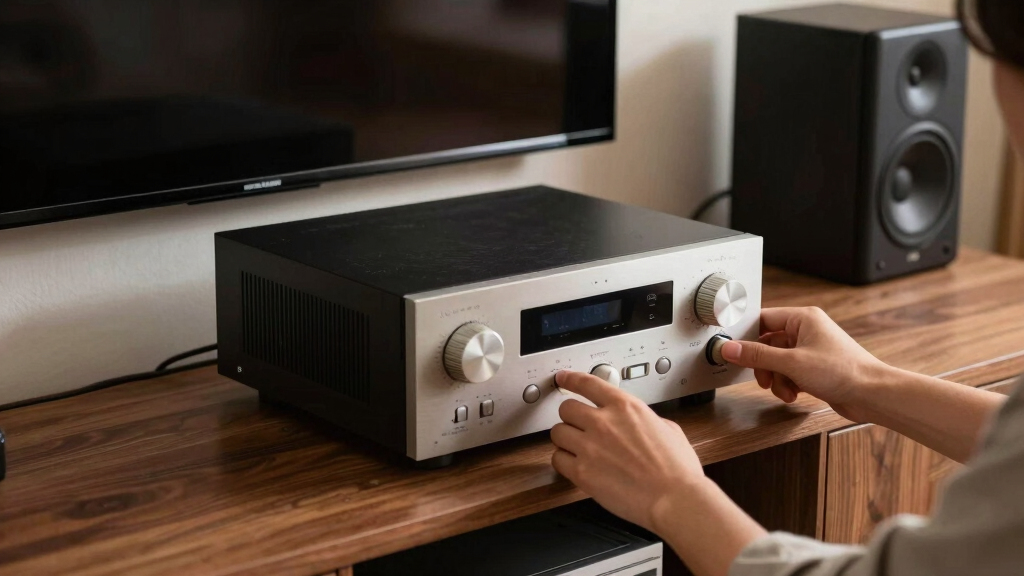

Finding the best AV receiver for home theater involves balancing performance, features, and budget. The Yamaha RX-V6A stands out for its impressive 7.2 channels and versatile connectivity, making it a top overall choice. The Denon AVR-X1700H offers excellent Dolby Atmos support and 8K HDMI at a competitive price, appealing to those seeking future-proofing. Meanwhile, the Sony STR-AZ1000ES fits premium setups with its robust build and advanced processing, though it comes at a higher cost. Buyers typically face tradeoffs between raw power, ease of setup, and long-term compatibility. Keep reading for a full breakdown of these options and more to find the best fit for your home theater.
Complete the kit


Key Takeaways
- The top models offer a balance of power, connectivity, and future-proofing with 8K support and multiple channels.
- Premium options like Sony STR-AZ1000ES provide advanced features but come with a higher price tag, making them best for dedicated enthusiasts.
- Value-oriented receivers such as Denon AVR-S570BT deliver solid performance at a more accessible price, though they may lack some advanced features.
- Ease of setup and user interface vary widely; models with integrated streaming and simple calibration tend to be more beginner-friendly.
- Build quality and brand reputation matter, especially for long-term reliability and support, with Yamaha and Sony leading the pack.


| AV receiver for home theater | Channels | Connectivity | Power |
|---|---|---|---|
| Yamaha RX-V385 5.1-Channel 4K | 5.1 | Bluetooth, HDMI 2.1, HDCP 2.2 | N/A |
| Yamaha RX-V6A 7.2-Channel AV R | 7.2 | Wi-Fi, Bluetooth, AirPlay 2, Spotify | — |
| Onkyo TX-NR6100 7.2 Channel TH | 7.2 | — | 210 W/Ch |
| Denon AVR-X1700H 7.2 Channel A | 7.2 | — | — |
| Sony STR-AZ1000ES Premium ES 7 | 7.2 | Bluetooth, Wi-Fi, Chromecast | 100 W + 100 W 8 ohms |
| Sony STR-AN1000 7.2ch Home The | 7.2 | Bluetooth, Wi-Fi, Chromecast, Spotify Connect, Apple AirPlay | 165 W per channel at 6 ohms |
| Denon AVR-S570BT 5.2 Channel A | 5.2 | — | — |
| Sony STRAZ5000ES Premium ES 11 | 11.2 | Bluetooth, Wi-Fi, Chromecast, Apple AirPlay | 130W + 130W at 8 ohms |
| Sony STRDH590 5.2 Channel Surr | — | Bluetooth, FM Radio | — |
| Yamaha RX300A 5.2-Channel Home | 5.2 | — | 70W per channel |
More Details on Our Top Picks
Yamaha RX-V385 5.1-Channel 4K Ultra HD AV Receiver with Bluetooth
The Yamaha RX-V385 stands out for its straightforward approach to home theater, offering essential 4K HDR support and Bluetooth connectivity at an accessible price. Unlike the Yamaha RX-V6A, it lacks multi-channel expansion and streaming services, which limits its appeal for those wanting future-proofing or multi-room audio. Its auto-calibration with YPAO helps optimize sound, making it suitable for smaller setups without complex configuration. However, the limited 5.1 channel support and absence of Wi-Fi might be a drawback for users seeking a more versatile, connected experience. This model makes the most sense for beginners or budget-conscious buyers who prioritize simplicity and core features over the latest tech.
Pros:- Supports 4K Ultra HD, HDR10, Dolby Vision for high-quality video
- Bluetooth connectivity for easy wireless streaming
- YPAO auto-calibration for sound optimization
Cons:- Limited to 5.1 surround sound channels
- No built-in Wi-Fi or streaming services
- No support for advanced multi-room features
Best for: Small living rooms or entry-level home theater users seeking basic 4K support and Bluetooth.
Not ideal for: Enthusiasts wanting immersive multi-room audio or 7.2-channel surround sound with streaming apps.
- Channels:5.1
- Video Support:4K Ultra HD, HDR10, Dolby Vision
- Connectivity:Bluetooth, HDMI 2.1, HDCP 2.2
- Audio Delay:0-500 ms
- Auto-calibration:YPAO
- Power:N/A
Our verdict“A solid choice for newcomers or those on a tight budget who mainly want reliable 4K video and Bluetooth streaming in a simple setup.”
Yamaha RX-V6A 7.2-Channel AV Receiver with MusicCast
The Yamaha RX-V6A offers a compelling upgrade with 7.2 channels, 8K HDMI, and support for Dolby Atmos, making it well-suited for those seeking immersive audio and high-end visuals. Compared with the less-expensive RX-V385, the RX-V6A provides multi-room capabilities via MusicCast, streaming service integration, and voice control options, appealing to tech-savvy users. Its support for 8K and 4K120 ensures a future-proof setup, though the plethora of features can be overwhelming for beginners. For users who want a comprehensive, multi-room system with advanced video formats, this receiver balances performance and flexibility but demands a higher investment.
Pros:- Supports 8K HDMI, Dolby Atmos, and DTS:X for immersive experience
- Multi-room audio with MusicCast and streaming services
- Voice control compatibility with Alexa, Google, and Siri
Cons:- Setup complexity can challenge beginners
- Higher price point may be prohibitive for some
- Feature overload for casual users
Best for: Homeowners wanting immersive sound with multi-room streaming and future-proof 8K support.
Not ideal for: Casual viewers or those new to AV equipment who prefer simple, plug-and-play models.
- Channels:7.2
- HDMI Inputs:7
- Video Support:8K, 4K120, Dolby Vision
- Connectivity:Wi-Fi, Bluetooth, AirPlay 2, Spotify
- Voice Control:Alexa, Google, Siri
- Additional Features:MusicCast, YPAO-R.S.C.
Our verdict“Ideal for dedicated home theater enthusiasts seeking multi-room, high-resolution support, and voice control integration.”
Onkyo TX-NR6100 7.2 Channel THX Certified Network AV Receiver – Black
The Onkyo TX-NR6100 offers robust power with 210W per channel, making it suitable for large rooms or demanding setups. Its THX Certified Select status guarantees high sound fidelity, especially compared to the Yamaha RX-V385, which lacks certification. It supports Dolby Atmos and DTS:X, along with 8K HDMI 2.1, ensuring compatibility with the latest home theater tech. While its powerful audio and video features are impressive, the receiver’s complex setup can intimidate less experienced users, and the lack of detailed additional features or streaming integrations may limit its appeal. This product makes sense for those prioritizing raw power and certified audio quality over advanced smart-home features.
Pros:- Powerful 210W per channel for dynamic sound
- Supports Dolby Atmos, DTS:X, and 8K HDMI 2.1
- THX Certified for consistent high-quality audio
Cons:- Setup can be complex for less experienced users
- Limited information on additional multimedia features
- No integrated streaming platform
Best for: Large home theaters or users seeking certified high-quality sound and powerful performance.
Not ideal for: Beginners or those with limited technical skills, due to complex setup requirements.
- Power:210 W/Ch
- Channels:7.2
- Certification:THX Certified Select
- HDMI:8K, HDMI 2.1
- Audio Formats:Dolby Atmos, DTS:X
- Zones:Discrete Zone 2
Our verdict“Best suited for power users and large rooms where high-fidelity sound and certification matter most, despite the setup complexity.”
Denon AVR-X1700H 7.2 Channel AV Receiver with 8K HDMI, Dolby Atmos, DTS:X, Built-in HEOS, Voice Control
The Denon AVR-X1700H provides a well-rounded package with 7.2 channels, 8K HDMI support, and built-in HEOS for multi-room streaming, making it a flexible choice for most home theaters. Compared with the Yamaha RX-V6A, this model offers a slightly less powerful 80W per channel but compensates with easier setup, comprehensive voice control, and a variety of input options including digital, analog, and phono. Its support for Dolby Atmos and DTS:X guarantees immersive audio, while multi-source streaming supports popular services like Spotify and Amazon Music. The main tradeoff is the limited number of HDMI inputs, which could be restrictive for larger device collections. It strikes a balance between advanced features and user-friendly design.
Pros:- Supports 8K HDMI, Dolby Atmos, and DTS:X for immersive sound and visuals
- Built-in HEOS for multi-room streaming
- Voice control compatible with Alexa, Siri, Google
Cons:- Relatively lower power output per channel
- Limited HDMI inputs for extensive device setups
- Complex setup may challenge absolute beginners
Best for: Users seeking a versatile, future-proof receiver with multi-room streaming and easy setup.
Not ideal for: Power users needing more than 80W per channel or extensive HDMI inputs.
- Channels:7.2
- Power per Channel:80W
- HDMI Inputs:3
- Supports:8K, Dolby Atmos, DTS:X
- Streaming:Spotify, Pandora, Amazon Music
- Voice Control:Alexa, Siri, Google
Our verdict“A smart choice for those who value multi-room streaming, compatibility, and straightforward operation over raw power.”
Sony STR-AZ1000ES Premium ES 7.2 Channel 8K A/V Receiver
The Sony STR-AZ1000ES embodies high-end home theater design, supporting 8K and 4K/120 HDMI, Dolby Atmos, and DTS:X with comprehensive HDR format support. Its seamless integration with SONOS, Chromecast, and voice assistants offers flexibility for custom setups, making it ideal for dedicated enthusiasts. Compared to the Onkyo TX-NR6100’s raw power, the Sony emphasizes integration and high-quality sound tailored for audiophiles and custom installations. Its large size and premium price reflect its advanced features, but the setup complexity and cost could be barriers for average users. This receiver is best suited for those investing in a sophisticated, multi-system home theater with a focus on future-proofing and premium sound quality.
Pros:- Supports 8K and 4K/120 HDMI for future-ready connectivity
- Excellent sound quality with Dolby Atmos and DTS:X
- Flexible integration with SONOS, Chromecast, and smart home systems
Cons:- Premium price point may be prohibitive
- Setup complexity requires technical expertise
- Large physical size may limit placement options
Best for: Audiophiles and custom home theater builders seeking high-end features and seamless smart integrations.
Not ideal for: Casual users or budget-conscious buyers who prefer plug-and-play simplicity.
- Channels:7.2
- Power:100 W + 100 W 8 ohms
- HDMI Support:8K & 4K/120
- HDR Formats:Dolby Vision, HDR10, HLG, IMAX
- Connectivity:Bluetooth, Wi-Fi, Chromecast
- Features:Dolby Atmos, DTS:X, Auto Calibration
Our verdict“Designed for dedicated audiophiles and custom installers prioritizing top-tier audio and seamless smart home integration despite high cost and setup complexity.”
Sony STR-AN1000 7.2ch Home Theater 8K A/V Bluetooth Receiver with Dolby Atmos & DTS:X
The Sony STR-AN1000 stands out for its combination of high-end features and future-proof connectivity, supporting 8K HDMI and immersive audio with Dolby Atmos and DTS:X. Compared to the Yamaha RX300A, it offers more channels and more advanced video support, making it ideal for larger, more complex setups. Its support for multiple streaming options and multi-zone capability makes it flexible for various home environments. However, this power comes with a higher power consumption of 240W, and the complex feature set may require some technical know-how to fully utilize. The lack of detailed user reviews and pricing info means I should consider this as a premium choice for dedicated home theater enthusiasts rather than casual users.
Pros:- Supports Dolby Atmos and DTS:X for immersive sound
- Supports 8K HDMI for future-proof connectivity
- Multiple streaming options including Bluetooth, Wi-Fi, Chromecast, and AirPlay
- Easy setup with graphical interface
Cons:- High power consumption at 240W
- Complex features may require technical knowledge
Best for: Homeowners seeking a premium, future-ready receiver with immersive surround sound and multi-zone capability.
Not ideal for: Casual users or small room setups where simpler, less power-hungry solutions suffice.
- Channels:7.2
- Power:165 W per channel at 6 ohms
- HDMI Support:8K & 4K/120 with HDMI 2.1
- HDR Formats:Dolby Vision, HDR10, Hybrid Log Gamma, IMAX Enhanced
- Connectivity:Bluetooth, Wi-Fi, Chromecast, Spotify Connect, Apple AirPlay
- Voice Control:Google Assistant
Our verdict“Best suited for serious home theater fans who want top-tier features and future-proofing in a single package.”
Denon AVR-S570BT 5.2 Channel AV Receiver with 8K HDMI, Bluetooth, and eARC
The Denon AVR-S570BT offers a solid balance of features and price, supporting 8K HDMI and HDR formats like Dolby Vision, making it a good choice for those upgrading from older systems. Compared with the Sony STRDH590, it provides more HDMI inputs (four vs. four), and its support for eARC ensures better audio quality from compatible TVs. While its 70W per channel may be less than some larger models, it is enough for medium-sized rooms where power isn’t the primary concern. The straightforward setup and wireless streaming make it accessible, but the lack of built-in Wi-Fi limits on-demand streaming without additional devices. This makes it an attractive option for budget-conscious buyers who need modern features without overspending.
Pros:- Supports 8K Ultra HD and HDR formats for high-quality video
- Multiple HDMI 2.1 inputs for modern devices
- Built-in Bluetooth for wireless audio streaming
- Easy on-screen setup with remote control
Cons:- Limited to 70W per channel, possibly insufficient for large rooms
- No built-in Wi-Fi for streaming services directly
Best for: Small to medium-sized rooms where budget-conscious buyers want 8K support and easy setup.
Not ideal for: Large rooms or users demanding maximum power and multi-zone capabilities, which this model doesn’t provide.
- Channels:5.2
- HDMI Inputs:4
- Supports eARC:Yes
- HDMI Version:2.1
- Power Output:70W x 5
- Supported Formats:HDR, HLG, Dolby Vision, HDR10+
Our verdict“Ideal for budget-minded users seeking 8K support and straightforward setup for smaller spaces.”
Sony STRAZ5000ES Premium ES 11.2 CH 8K A/V Receiver (Renewed)
The Sony STRAZ5000ES delivers professional-grade home theater performance with its 11.2 channels and support for 8K HDMI and Dolby Atmos. Compared to the Sony STR-AN1000, it offers more channels and enhanced multi-room capabilities, making it suitable for large, complex systems. Its support for the latest HDMI standards and immersive audio formats makes it highly future-proof. However, being a renewed product, it may come with limited warranty, and its premium price tag makes it less accessible for casual users. The sophisticated control options and integration with smart systems cater well to custom installers or serious audiophiles but could be overwhelming for newcomers.
Pros:- Supports 8K & 4K/120 HDMI for cutting-edge video
- 11.2 channel support for expansive surround sound
- Supports Dolby Atmos, DTS:X, and IMAX Enhanced
- Flexible connectivity including smart home integration
Cons:- Renewed product may have limited warranty
- Complex setup for users unfamiliar with advanced systems
- Premium price point
Best for: Audiophiles and custom home theater enthusiasts who demand the highest performance and flexibility.
Not ideal for: Casual users or those with smaller budgets, due to its cost and setup complexity.
- Channels:11.2
- Power:130W + 130W at 8 ohms
- HDMI Support:8K & 4K/120, HDMI 2.1
- Supported Formats:Dolby Atmos, DTS:X, Dolby Vision
- Connectivity:Bluetooth, Wi-Fi, Chromecast, Apple AirPlay
- Control:IP Control, graphical UI
Our verdict“Best suited for dedicated home theater builders seeking premium, expandable, and future-proof audio-video solutions.”
Sony STRDH590 5.2 Channel Surround Sound Home Theater Receiver with 4K HDR and Bluetooth
The Sony STRDH590 provides a reliable 5.2 channel surround sound experience with support for 4K HDR and Dolby Atmos. Compared to the Yamaha RX300A, it offers more input options and Bluetooth streaming, making it suitable for entry-level home theaters. Its 725W total power output suggests decent volume capability, especially for smaller or medium-sized rooms. While its virtual surround sound technology enhances the experience with just two speakers, its lack of built-in Wi-Fi and more advanced features might limit functionality for users wanting streaming services directly integrated. The setup can be slightly confusing for those unfamiliar with AV receivers, but overall, it offers good value for beginners or budget-conscious buyers.
Pros:- Supports 4K HDR passthrough for high-quality video
- Bluetooth for wireless audio streaming
- Virtual surround sound enhances listening experience
- Multiple input options including HDMI, optical, coaxial
Cons:- Complex setup may need manual troubleshooting
- Limited to 6 ohm impedance speakers
- No built-in Wi-Fi for streaming services
Best for: Entry-level users or small-room setups wanting Dolby Atmos support without high cost.
Not ideal for: Large rooms or those seeking advanced streaming features and seamless integration—this model’s capabilities are more basic.
- Channel Configuration:5.2
- Power Output:725W total
- HDMI Inputs:4 in / 1 out
- Supported Video:4K HDR with HDCP 2.2
- Connectivity:Bluetooth, FM Radio
- Power Requirements:AC 120V 60Hz
Our verdict“A practical choice for budget-conscious beginners or small rooms seeking reliable Dolby Atmos support.”
Yamaha RX300A 5.2-Channel Home Theater AV Receiver with Dolby Atmos, 4K HDMI, Bluetooth
The Yamaha RX300A offers a balanced mix of features suitable for versatile home theater setups. Its Dolby Atmos and DTS Virtual:X support deliver immersive audio, while 4K and 8K HDMI support ensures high-quality video. Compared with the Sony STRDH590, it provides a more modern control interface and Yamaha’s Room Calibration technology, making setup easier and optimizing sound. Its 70W per channel power rating makes it better suited for smaller to medium rooms. The inclusion of Bluetooth enhances wireless streaming; however, the lack of built-in Wi-Fi might limit streaming options without additional equipment. This model is a strong choice for users who want flexibility without the complexity of high-end systems.
Pros:- Supports Dolby Atmos and DTS Virtual:X for immersive sound
- Supports 4K and 8K HDMI for high-quality video
- Room Calibration adjusts sound for optimal quality
- Bluetooth for wireless streaming
Cons:- Limited power output for large rooms
- No built-in Wi-Fi for streaming services
- Complex features may require some technical understanding
Best for: Home theater enthusiasts seeking balanced features and easy setup for medium-sized rooms.
Not ideal for: Large spaces or high-volume listening scenarios that require more power and multi-zone support.
- Channels:5.2
- Power:70W per channel
- HDMI Support:4K120/8K60, HDMI eARC
- Supported Formats:Dolby Vision, HDR10+
- Bluetooth:Multipoint
- Room Correction:Yes
Our verdict“A well-rounded receiver for users who prioritize flexibility and ease of use in medium-sized rooms.”
How We Picked
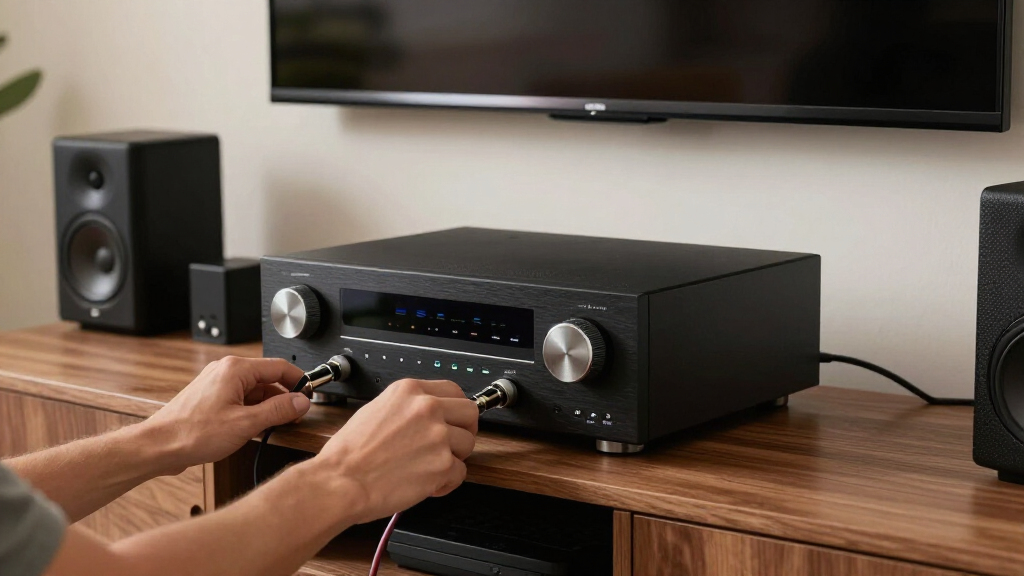
These AV receivers were evaluated based on performance, connectivity options, room calibration capabilities, build quality, and value for money. Priority was given to models that support the latest standards like Dolby Atmos and 8K HDMI to ensure future compatibility. We also considered ease of setup and user interface, as these factors significantly impact the overall experience. Our ranking reflects a mix of flagship features and affordability, aiming to recommend options suitable for different budgets and user types, from beginners to audiophiles.| AV receiver for home theater | Connectivity |
|---|---|
| Yamaha RX-V385 5.1-Channel 4K | Bluetooth, HDMI 2.1, HDCP 2.2 |
| Yamaha RX-V6A 7.2-Channel AV R | Wi-Fi, Bluetooth, AirPlay 2, Spotify |
| Onkyo TX-NR6100 7.2 Channel TH | — |
| Denon AVR-X1700H 7.2 Channel A | — |
| Sony STR-AZ1000ES Premium ES 7 | Bluetooth, Wi-Fi, Chromecast |
| Sony STR-AN1000 7.2ch Home The | Bluetooth, Wi-Fi, Chromecast, Spotify Connect, Apple AirPlay |
| Denon AVR-S570BT 5.2 Channel A | — |
| Sony STRAZ5000ES Premium ES 11 | Bluetooth, Wi-Fi, Chromecast, Apple AirPlay |
| Sony STRDH590 5.2 Channel Surr | Bluetooth, FM Radio |
| Yamaha RX300A 5.2-Channel Home | — |
Factors to Consider When Choosing Best AV Receiver For Home Theater
Choosing the best AV receiver involves weighing several key factors beyond just wattage and brand reputation. Understanding your specific needs and setup can help you avoid common pitfalls and make a more informed decision. Here are the main considerations to keep in mind:Power and Channels
While more channels and higher power ratings can enhance surround sound, they are not always necessary for smaller rooms or less demanding setups. Overestimating your needs can lead to overspending, whereas underestimating might result in weak audio performance. Consider your room size and speaker configuration when selecting a receiver, aiming for a balance that provides enough power without excess complexity or cost.
Video Compatibility and Future-Proofing
Modern AV receivers increasingly support 8K HDMI and advanced video standards like HDR and Dolby Vision. Investing in a model with future-proof features ensures compatibility with upcoming devices and content. However, be cautious of paying extra for features you won’t use immediately; assess whether your current hardware and content will benefit from these upgrades.
Connectivity and Streaming
Built-in Wi-Fi, Bluetooth, and streaming app support are essential for modern smart home setups. Check if the receiver supports popular apps and voice control platforms like Alexa or Google Assistant. A receiver with flexible input/output options can also accommodate various devices, but too many ports can complicate setup and clutter your space.
Ease of Setup and Calibration
Many receivers include room calibration tools, which automatically optimize audio settings for your space. These features can save time and improve sound quality, especially for less experienced users. However, some models with more complex features may require a learning curve, so consider your comfort level with technology when choosing.
Build Quality and Brand Support
Investing in a reputable brand often translates into better durability and customer support. Higher-end models tend to have more robust construction and longer-lasting components. Reading user reviews and warranty details can help you gauge long-term reliability, which is especially important for a device you’ll rely on daily.
Frequently Asked Questions
Do I need an 8K AV receiver if I don’t have an 8K TV?
Not necessarily. An 8K AV receiver can future-proof your setup, allowing you to upgrade your TV or media sources later without replacing the receiver. However, if your current setup is limited to 4K content, investing in a high-quality 4K or 4K-compatible receiver may be more cost-effective. Consider your plans for future upgrades and whether the added cost aligns with your long-term goals.
Is Dolby Atmos essential for a good home theater experience?
Dolby Atmos enhances spatial audio, creating a more immersive environment by adding height channels. While not mandatory, it significantly improves sound realism, especially with compatible speakers and content. If you’re prioritizing cinematic audio, a receiver with Atmos support can be a worthwhile investment, but basic surround sound can still deliver a satisfying experience without it.
How important is room calibration technology?
Room calibration adjusts audio output based on your space’s acoustics, often providing a noticeable improvement in sound quality. Models with this feature are particularly helpful for beginners or those with irregular room layouts. While calibration adds convenience, manual adjustments may still be needed for optimal results, especially in complex spaces.
Should I prioritize more channels or higher wattage?
More channels allow for more speakers and surround sound configurations, but the actual wattage often matters less than the quality of amplification and speaker placement. For small to medium rooms, 5.2 or 7.2 channels are usually sufficient. Larger or dedicated home theater rooms may benefit from higher wattage and additional channels, but only if your space and speakers support it.
Is it worth paying extra for premium brands like Sony or Yamaha?
Premium brands often offer better build quality, more reliable components, and longer software support. They tend to include advanced features that justify the higher price for serious home theater enthusiasts. However, many mid-range options also provide excellent performance at a lower cost, so evaluate your specific needs and budget before deciding.