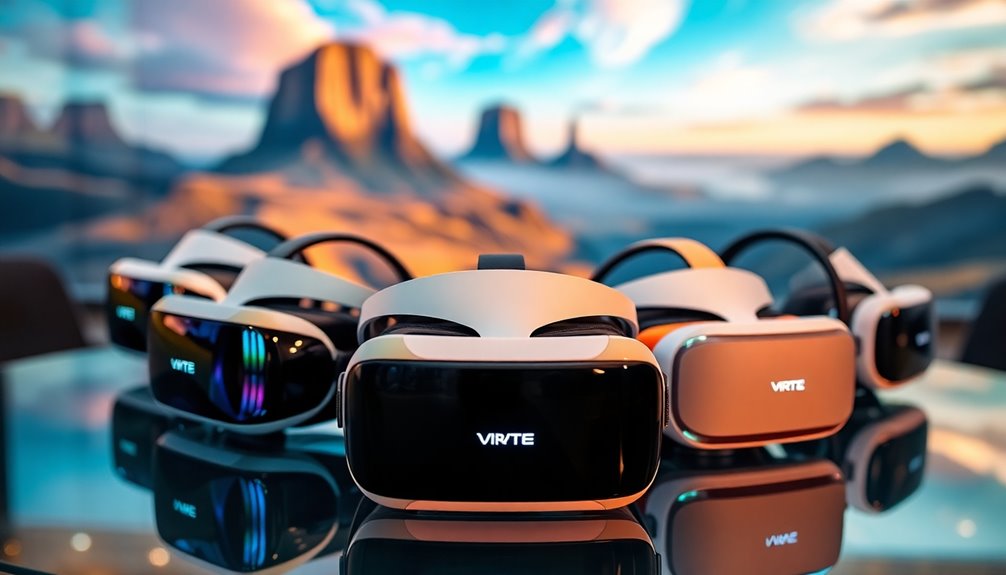

Searching for the best VR headsets in 2026? The market now offers a wide range of options, from high-end PC-tethered models to standalone headsets. The Meta Quest 3 stands out as the overall best for most users, thanks to its versatility and affordability. The Pimax Crystal appeals to enthusiasts seeking ultrawide FOV and eye-tracking, while the Quest Pro targets professionals with advanced features. Choosing the right VR headset involves balancing performance, ease of use, and price. Continue reading for a detailed breakdown of the top models and what makes each one unique.
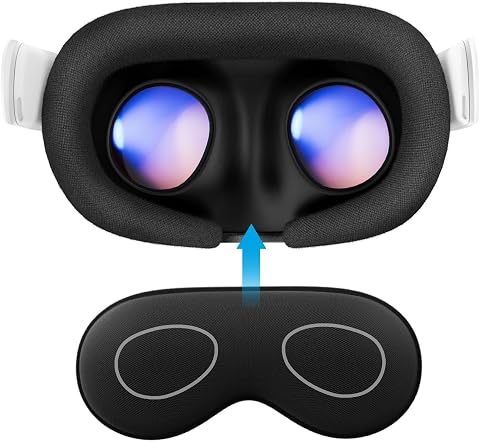
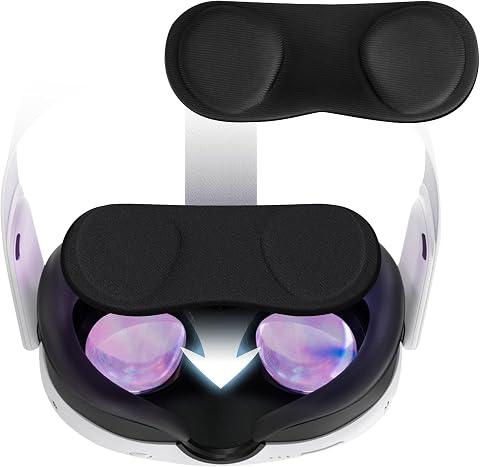
Complete the kit

Key Takeaways
- The best VR headsets balance visual quality, comfort, and ease of setup, with higher-end models offering superior graphics but at a premium price.
- Standalone headsets like the Quest series provide convenience and affordability, but often sacrifice some performance and tracking precision compared to PC-tethered options.
- The Pimax Crystal offers the widest FOV and advanced eye-tracking, making it ideal for immersive experiences, yet it requires a powerful PC and more setup effort.
- Price differences are significant; premium models deliver cutting-edge tech, but mid-range headsets often meet the needs of casual users at a better value.
- Compatibility and ecosystem matter—consider whether your existing hardware and software preferences align with the headset’s platform for a smooth experience.
| Pimax Crystal Super VR Headset, 3840×3840 per Eye, Ultrawide, 140° FOV, Eye-Tracking, PC Compatible |  | Best for Ultra-High-Resolution, Immersive PC VR Experiences | Resolution: 3840×3840 per eye | Field of View: 140° | Display Technology: QLED & Mini-LED | VIEW ON AMAZON | See Our Full Breakdown |
| Meta Quest 3 512GB VR Headset with Gorilla Tag Bundle and 3-Month Horizon+ Trial |  | Best for Wireless, All-in-One VR with Rich Content Library | Storage: 512GB | Display: 4K+ Infinite Display | Processor: Snapdragon XR2 Gen 2 | VIEW ON AMAZON | See Our Full Breakdown |
| Meta Quest Pro | 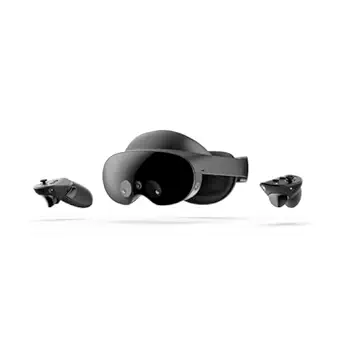 | Best for Mixed Reality, Professional-Grade VR and Creativity | Storage: 256GB | RAM: 12GB | Sensors: 10 VR/MR sensors | VIEW ON AMAZON | See Our Full Breakdown |
| VR Headset 3D VR Glasses Virtual Reality Goggles Support 360° Panorama Adjustable Pupil Distance Eye Protection |  | Best for Mobile VR, Family and Kids Use | Compatibility: 4.7-7 inch smartphones | Weight: Lightweight | Adjustable Pupil Distance: Yes | VIEW ON AMAZON | See Our Full Breakdown |
| Meta Quest 3S 128GB VR Headset |  | Best for Entry-Level Wireless VR with Decent Performance | Storage: 128GB | Memory: 8GB RAM | Battery Life: 2+ hours | VIEW ON AMAZON | See Our Full Breakdown |
| Meta Quest 2 128GB – Advanced All-in-One Virtual Reality Headset (Renewed) |  | Best Overall for Versatile VR Experience | Storage Capacity: 128 GB | Display Resolution: 1832 x 1920 pixels per eye | Display Size: 5.46 Inches | VIEW ON AMAZON | See Our Full Breakdown |
| Meta Quest 3S 128GB VR Headset with Gorilla Tag Bundle and 3-Month Horizon+ Trial |  | Best for Wireless Freedom and Extended Gaming | Storage Capacity: 128GB | Processor: Snapdragon XR2 Gen 2 | Memory: 8GB RAM | VIEW ON AMAZON | See Our Full Breakdown |
| Pimax Crystal Light VR Headset for PC |  | Best for High-Resolution PC VR and Professional Use | Resolution: 2880×2880 per eye | Display Technology: QLED with local dimming | Refresh Rate: 120Hz | VIEW ON AMAZON | See Our Full Breakdown |
| Meta Quest 3 512GB Virtual Reality Headset (Renewed Premium) |  | Best for High-Resolution, Wireless Mixed Reality | Storage: 512GB | Display: 4K Infinite Display | Processor: Snapdragon XR2 Gen 2 | VIEW ON AMAZON | See Our Full Breakdown |
| vr headset | Battery Life |
|---|---|
| Pimax Crystal Super VR Headset | — |
| Meta Quest 3 512GB VR Headset | 2+ hours |
| Meta Quest Pro | — |
| VR Headset 3D VR Glasses Virtu | — |
| Meta Quest 3S 128GB VR Headset | 2+ hours |
| Meta Quest 2 128GB | 2.5 Hours |
| Meta Quest 3S 128GB VR Headset | 2+ hours |
| Pimax Crystal Light VR Headset | — |
| Meta Quest 3 512GB Virtual Rea | 2+ hours |
More Details on Our Top Picks
Pimax Crystal Super VR Headset, 3840×3840 per Eye, Ultrawide, 140° FOV, Eye-Tracking, PC Compatible
This headset stands out for its stunning visual clarity, with a resolution of 3840×3840 per eye, making it ideal for flight simulators and racing games that demand sharp detail. It offers an expansive 140° field of view, surpassing most PC VR headsets like the Meta Quest 3 in peripheral awareness, but this comes with a tradeoff: it requires a powerful PC and a complex setup process that might intimidate beginners. Compared to the Meta Quest Pro, which excels in mixed reality but offers lower resolution, the Pimax Crystal prioritizes pure visual fidelity for dedicated VR enthusiasts willing to invest in high-end hardware.
Pros:- Exceptional edge-to-edge sharpness with 50 PPD clarity
- Wide 140° field of view enhances peripheral awareness
- High-fidelity audio and ergonomic comfort
Cons:- High cost due to advanced display technology
- Requires a powerful PC and complex setup process
Best for: PC gamers seeking the highest visual fidelity and wide FOV for immersive simulations
Not ideal for: Casual users or newcomers who prefer plug-and-play simplicity without high hardware demands
- Resolution:3840×3840 per eye
- Field of View:140°
- Display Technology:QLED & Mini-LED
- Refresh Rate:90Hz and beyond
- Eye-Tracking:Yes
- Connectivity:DisplayPort
Our verdict“This pick is perfect for PC enthusiasts prioritizing ultra-sharp visuals and wide FOV, willing to handle setup complexity.”
Meta Quest 3 512GB VR Headset with Gorilla Tag Bundle and 3-Month Horizon+ Trial
This headset offers a seamless wireless experience with a generous 512GB of storage, making it suitable for users who want portability and a wide range of games. Its sharp 4K+ display and Snapdragon XR2 Gen 2 processor deliver smooth performance, rivaling the Meta Quest Pro’s hardware but in a standalone form. Unlike the Meta Quest 3, which is tethered to a PC for ultimate fidelity, the Quest 3 provides freedom of movement, though it’s limited to about 2 hours of battery life per charge. The included Gorilla Tag bundle and Horizon+ trial add value for casual and social gamers who prioritize convenience over ultra-high-end visuals.
Pros:- Wireless, untethered VR experience
- High-resolution 4K+ display for sharp visuals
- Includes exclusive content and a 3-month Horizon+ trial
Cons:- Limited to about 2 hours of battery life per charge
- Requires purchase of additional content for full experience
Best for: Casual gamers seeking a wireless, self-contained VR experience with a large content library
Not ideal for: Hardcore VR users or professionals requiring the highest fidelity and extended play sessions
- Storage:512GB
- Display:4K+ Infinite Display
- Processor:Snapdragon XR2 Gen 2
- Memory:8GB RAM
- Battery Life:2+ hours
- Cameras:Dual RGB color cameras
Our verdict“Ideal for casual, mobile VR users who prioritize ease of use and a rich content ecosystem over absolute visual fidelity.”
Meta Quest Pro
The Meta Quest Pro is tailored for users who need a versatile headset for work, creativity, and social interaction, featuring high-resolution mixed reality passthrough that outshines the Quest 3 for AR tasks. Its sleek, ergonomic design allows extended wear, and the 12GB RAM along with 256GB storage support multitasking and detailed avatar expressions. While it excels in mixed reality compared to the Meta Quest 3, it requires a Meta account and is more suited for professional or serious creative use. Compared with the Pimax Crystal, which emphasizes visual fidelity for gaming, the Quest Pro’s strengths lie in its XR capabilities and multitasking features, though at a higher price point.
Pros:- High-resolution mixed reality passthrough for immersive AR
- Ergonomic, comfortable design for long use
- Powerful hardware with substantial RAM and storage
Cons:- Requires a Meta account for full functionality
- Limited availability for users under 18 in some regions
Best for: Professionals and creatives needing mixed reality tools and multitasking in a standalone device
Not ideal for: Casual gamers or those seeking pure gaming performance without mixed reality features
- Storage:256GB
- RAM:12GB
- Sensors:10 VR/MR sensors
- Display Technology:Pancake lenses, quantum dot
- Connectivity:Meta account required
Our verdict“Best suited for professionals and creatives who want advanced mixed reality capabilities in a standalone headset.”
VR Headset 3D VR Glasses Virtual Reality Goggles Support 360° Panorama Adjustable Pupil Distance Eye Protection
This lightweight mobile VR headset offers compatibility with smartphones from 4.7 to 7 inches, making it a flexible option for families and casual users. Its adjustable interpupillary distance helps align visuals for clearer viewing, and the 360° panoramic support delivers immersive movies and simple gaming. Compared to dedicated headsets like the Meta Quest 3, this model lacks high-end tracking and graphics but excels in portability and ease of use. It’s a good choice for kids or as a gift, though proper alignment and cautious use are necessary to prevent dizziness or discomfort during extended sessions.
Pros:- Supports a wide range of smartphone sizes
- Adjustable pupil distance for better clarity
- Lightweight and portable for on-the-go use
Cons:- Requires proper alignment for optimal experience
- Limited to mobile phone screens, with potential for dizziness if misused
Best for: Families, kids, or casual users seeking a portable, affordable mobile VR experience
Not ideal for: Serious gamers or users aiming for high-fidelity VR with precise tracking and graphics
- Compatibility:4.7-7 inch smartphones
- Weight:Lightweight
- Adjustable Pupil Distance:Yes
- Anti-Blue Light:Yes
- Field of View:360° panoramic
Our verdict“A flexible, family-friendly mobile VR option for casual entertainment and movies, best for those prioritizing portability over high-end features.”
Meta Quest 3S 128GB VR Headset
The Meta Quest 3S offers an accessible entry point into wireless VR with 128GB of storage and a Snapdragon XR2 Gen 2 processor that balances performance with affordability. While its battery life of around 2 hours is comparable to the Quest 3, it’s better suited for casual gaming or introductory VR experiences. The Quest 3S’s wireless setup provides freedom of movement, though it lacks the high-resolution visuals and advanced mixed reality features of the Quest Pro. Compared to the more premium options, it’s a practical choice for newcomers or budget-conscious users who want a standalone device without sacrificing too much in usability.
Pros:- Wireless, untethered VR experience
- Decent performance with Snapdragon XR2 Gen 2
- Includes 3-month Horizon+ trial for content variety
Cons:- Limited to about 2 hours of battery life per charge
- Requires setup and compatible devices for full use
Best for: Beginners or casual users seeking an affordable, untethered VR headset for gaming and social apps
Not ideal for: VR veterans or professionals needing advanced mixed reality or extended playtime
- Storage:128GB
- Memory:8GB RAM
- Battery Life:2+ hours
- Processor:Snapdragon XR2 Gen 2
- Cameras:Dual RGB cameras
- Wireless:Yes
Our verdict“A solid choice for new VR users wanting an easy, wireless experience without the high price of premium headsets.”
Meta Quest 2 128GB – Advanced All-in-One Virtual Reality Headset (Renewed)
The Meta Quest 2 128GB stands out for its balanced mix of high-resolution visuals and standalone convenience, making it a solid choice for most users. Compared to the Meta Quest 3 models, it offers a slightly lower display resolution but remains highly portable and easy to set up without external hardware. Its 120Hz refresh rate ensures smooth gameplay, though the 2.5-hour battery life limits longer sessions. The refurbished condition makes it more affordable but could impact longevity. This headset’s simplicity and broad app compatibility make it ideal for casual and intermediate VR users. However, power users seeking the latest specs and longer playtimes might find it lacking. Overall, this pick makes the most sense for those new to VR or looking for a reliable, affordable all-in-one device.
Pros:- High-resolution display with 1832×1920 pixels per eye for immersive visuals
- Wireless, all-in-one design with room-scale tracking
- 120Hz refresh rate delivers smooth visuals
- No external PC needed—plug and play
Cons:- Battery life limited to about 2.5 hours, restricting long sessions
- Refurbished units may have reduced lifespan and warranty concerns
- Limited storage at 128GB, which can fill quickly with apps and games
Best for: VR newcomers and casual users seeking an all-in-one experience without breaking the bank
Not ideal for: Power gamers or tech enthusiasts who demand the latest hardware and extended play sessions
- Storage Capacity:128 GB
- Display Resolution:1832 x 1920 pixels per eye
- Display Size:5.46 Inches
- Field Of View:89 Degrees
- Refresh Rate:120Hz
- Battery Life:2.5 Hours
Our verdict“Best suited for users seeking an easy-to-use, portable VR headset with high-quality visuals and no fuss.”
Meta Quest 3S 128GB VR Headset with Gorilla Tag Bundle and 3-Month Horizon+ Trial
The Meta Quest 3S 128GB makes a compelling case for those prioritizing untethered VR gaming, thanks to its Snapdragon XR2 Gen 2 processor and enhanced graphics. Unlike the Quest 2, it offers a more powerful chip, which translates into faster load times and smoother gameplay. Its 2+ hour battery life is comparable, but the added processing power handles more demanding applications better. This model’s inclusion of a Gorilla Tag bundle and Horizon+ trial adds value for dedicated gamers. However, the 3-month trial might not be enough for long-term users, and ongoing subscriptions are needed for full access. It’s best suited for enthusiasts who want a wireless experience with premium visuals, but less ideal for those with limited space or looking for a budget option. If you’re after cutting-edge wireless VR, this is the right pick.
Pros:- Wireless, untethered experience with full freedom of movement
- Powered by Snapdragon XR2 Gen 2 for superior graphics and faster load times
- Includes exclusive Gorilla Tag bundle and access to 100+ games with trial
- Longer battery life than previous models
Cons:- Limited to 3-month Horizon+ trial, additional subscriptions needed
- Battery life might still fall short for extended gaming marathons
- Requires ample space for safe, immersive VR use
Best for: Dedicated VR gamers who want high-quality, untethered gameplay with bonus content
Not ideal for: Casual users or those with limited playtime who prefer simpler, less expensive setups
- Storage Capacity:128GB
- Processor:Snapdragon XR2 Gen 2
- Memory:8GB RAM
- Battery Life:2+ hours
- Cameras:Dual RGB color cameras
Our verdict“Ideal for VR players wanting a wireless, high-performance headset with bonus content for immersive gaming sessions.”
Pimax Crystal Light VR Headset for PC
The Pimax Crystal Light caters to serious VR enthusiasts and professionals with its stunning 2880×2880 per eye resolution and QLED display with local dimming, offering vibrant, true-to-life visuals. Its 120Hz refresh rate and ultra-low latency make fast-paced gaming and flight simulators highly responsive. Compared with standalone models like the Quest series, this headset’s reliance on a powerful PC and external setup is a clear tradeoff, providing unmatched visual fidelity for those willing to invest in a full VR rig. Its ergonomic design supports extended use, but the weight—over 800 grams—may cause fatigue during long sessions. Compatibility with SteamVR and controllers like Valve Index makes it versatile for advanced users. This headset is best suited for users who prioritize visual detail over portability, but it’s less practical for casual or mobile VR experiences.
Pros:- Exceptional resolution at 2880×2880 pixels per eye for vivid detail
- QLED display with local dimming and HDR for rich colors
- Fast 120Hz refresh rate with low latency for smooth gameplay
- Broad compatibility with SteamVR and popular controllers
Cons:- Relatively heavy for prolonged wear, potentially causing fatigue
- Requires a powerful PC and external sensors for operation
- Limited details about included accessories and setup ease
Best for: PC VR enthusiasts and professionals seeking ultra-high-resolution visuals and precise tracking
Not ideal for: Casual users or those who prefer wireless, all-in-one headsets for convenience
- Resolution:2880×2880 per eye
- Display Technology:QLED with local dimming
- Refresh Rate:120Hz
- Weight:815 grams
- Compatibility:SteamVR, Valve Index, HTC VIVE
Our verdict“Best suited for demanding users who want uncompromising visual quality and have a robust VR PC setup.”
Meta Quest 3 512GB Virtual Reality Headset (Renewed Premium)
The Meta Quest 3 512GB elevates VR with its 4K Infinite Display, delivering crisp, near-real visuals that surpass the Quest 2 and Quest 3S models. Its wireless design and full-color Passthrough enable mixed reality experiences, appealing to users who want more than just gaming. The Snapdragon XR2 Gen 2 processor ensures smooth operation across demanding applications, while the 8GB RAM supports multitasking. The 512GB of storage allows for a large library of games and apps, making it a solid choice for dedicated VR users. However, as a renewed product, it might have limited warranty coverage, and setup requires a dedicated space. This headset suits those seeking premium visuals and flexible, immersive experiences, but less so for budget-conscious or casual users.
Pros:- High-resolution 4K Infinite Display for stunning visuals
- Wireless design enables unrestricted movement
- Powerful Snapdragon XR2 Gen 2 processor ensures smooth multitasking
- Large 512GB storage for extensive app and game library
Cons:- Renewed status may limit warranty and reliability
- Setup and space requirements for optimal use
- Limited to 40+ games with trial, additional purchases needed for full library
Best for: Power users and enthusiasts demanding high resolution, wireless freedom, and mixed reality capabilities
Not ideal for: Casual users or those with limited space who prefer simple, budget-friendly options
- Storage:512GB
- Display:4K Infinite Display
- Processor:Snapdragon XR2 Gen 2
- Memory:8GB RAM
- Battery Life:2+ hours
Our verdict“Best suited for serious VR fans wanting high-end visuals and freedom of movement in a premium package.”

How We Picked
Our selections are based on a combination of performance, usability, build quality, and value. We prioritized headsets that strike a balance between immersive visual quality and comfort, ensuring they are suitable for extended use. Ease of setup and platform compatibility also played key roles, as convenience influences overall user satisfaction. Price-to-performance ratio was a critical factor—higher-priced models had to demonstrate clear technological advantages to justify the cost. Additionally, we considered user feedback and industry reviews to identify which headsets truly stand out in real-world scenarios.
The ranking reflects a focus on versatility—whether a headset is better suited for gaming, professional work, or casual use—and how well each model meets the needs of different buyer profiles. This approach aims to help readers find a headset that aligns with their specific priorities, whether that’s cutting-edge tech or value-oriented features.
Factors to Consider When Choosing Vr Headsets
Choosing the right VR headset involves weighing several important factors beyond just specs. Understanding these broader considerations can help you avoid common pitfalls and select a device that truly fits your needs and budget.Performance and Visual Quality
Look beyond the resolution numbers; consider refresh rates, lens quality, and tracking accuracy. A higher resolution provides sharper images, but a high refresh rate ensures smoother motion, which reduces motion sickness and enhances gameplay. Be aware that premium headsets often require powerful PCs, so check your hardware compatibility to avoid disappointment.
Comfort and Fit
Comfort is vital for extended sessions. Factors like weight distribution, padding, and adjustable straps influence how long you can wear a headset without discomfort. Remember, a bulky or poorly fitting device can quickly detract from the experience, even if the tech inside is impressive.
Ease of Setup and Use
Standalone headsets excel here, offering quick setup and portability. Conversely, wired models may require complex cable management and calibration. Consider your tech skills and whether ease of use outweighs the benefits of higher-end features.
Platform Ecosystem and Compatibility
Make sure the headset integrates smoothly with your existing devices and preferred content platforms. Some headsets are tied to specific ecosystems like Meta or SteamVR, which may limit your software choices or require additional purchases. Compatibility influences overall satisfaction and future-proofing.
Price and Value
Identify what features matter most to you—visual fidelity, tracking, standalone capability—and weigh these against the price. Sometimes, a mid-range model offers all you need without the cost of premium headsets, but in other cases, investing more ensures future-proofing and better performance. Beware of models with tempting discounts that may lack key features you require.
Frequently Asked Questions
Can I use a VR headset without a powerful PC?
Yes, standalone headsets like the Meta Quest 3 are designed specifically for users who want a wireless experience without needing a high-end PC. These devices have built-in processors and storage, allowing you to enjoy many VR applications and games directly. However, their performance and graphics quality may not match PC-tethered models, especially for demanding titles or professional use.
Is higher resolution always better for VR?
Higher resolution significantly improves image clarity, but it also demands more from your hardware and can increase costs. Additionally, high resolution alone doesn’t guarantee a better experience if other factors like refresh rate or tracking are subpar. Balancing resolution with performance features ensures a smoother, more immersive VR session.
Do I need a VR headset with eye-tracking?
Eye-tracking technology enhances realism and can improve interaction, especially in professional or simulation applications. It also enables foveated rendering, which can boost performance by reducing the rendering load in peripheral vision areas. However, for casual gaming or entertainment, eye-tracking may not be essential and adds to the cost.
Are wired VR headsets better than wireless?
Wired headsets often deliver lower latency and higher graphical fidelity, making them preferred for competitive gaming or detailed experiences. Wireless models offer greater freedom of movement and convenience, but may experience slight delays or lower resolution depending on the technology used. Your choice depends on your priority for performance versus mobility.
What should I consider regarding the headset’s ecosystem?
The ecosystem determines software availability, hardware compatibility, and future updates. For example, Meta Quest headsets work seamlessly within Meta’s platform, offering a wide range of apps and social features. Conversely, SteamVR compatibility provides access to a broader library, but may require more setup. Choosing a platform that aligns with your existing devices and content preferences helps ensure ongoing satisfaction.
Conclusion
For general users seeking a reliable all-around experience, the Meta Quest 3 offers a compelling mix of convenience, performance, and price. Those prioritizing the best visual fidelity and immersion should consider the Pimax Crystal, despite its more demanding setup. If budget is a key concern, the Meta Quest 2 remains a solid choice for casual gaming and exploration. For professionals or serious enthusiasts, the Quest Pro or high-end PC-tethered options provide advanced features and precision. Ultimately, your ideal VR headset depends on your specific needs—whether that’s gaming, professional work, or casual use—so weigh these factors carefully before making your decision.