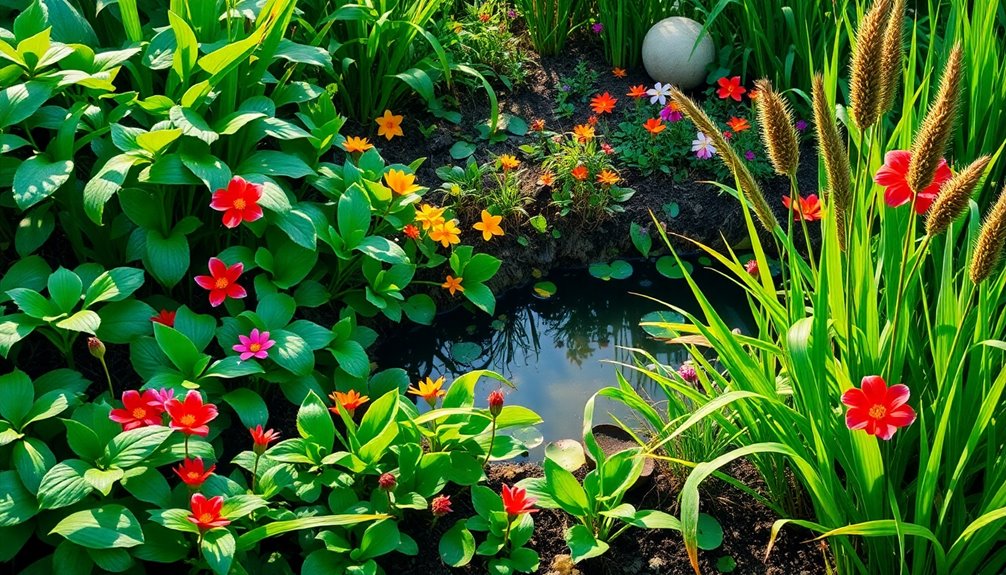
Finding the right plants for wet areas can be a challenge, as these spots require species that tolerate consistent moisture or flooding. The Royal Fern Rhizomes stand out as a top overall pick for their resilience and lush foliage, while Water Hyacinth offers vibrant, floating coverage ideal for ponds. The main tradeoffs involve balancing maintenance needs with aesthetic appeal—some plants grow quickly and may require regular pruning, while others are more low-maintenance but less showy. Continue reading for a detailed breakdown of each option and what makes them suitable for different wet landscape needs.

Get furniture and decor delivered free with Prime
- Fast, free delivery on millions of items
- Prime Video, Amazon Music and more included
- Member-only deals all year
Complete the kit



Key Takeaways
- Top-ranked plants combine high moisture tolerance with ease of care, making them suitable for a variety of wet zones.
- Floating plants like Water Hyacinth provide excellent pond coverage but can require management to prevent overgrowth.
- Native wetland plants such as Smartweed and Horsetail are ideal for ecological planting but may need specific soil or water conditions.
- Aesthetic variety is important: some plants offer striking foliage or flowers, while others focus on structural interest.
- Tradeoffs often involve maintenance levels versus visual impact; choose plants aligning with your willingness to prune or control growth.
| 150+ Nepenthes Seeds – Tropical Carnivorous Plants, Unique Pitcher Shapes for Balcony & Garden Decoration, Moisture-Tolerant Easy Care |  | Best for Beginners and Creative Displays | Plant Type: Nepenthes (Tropical Carnivorous Plants) | Seed Quantity: 150+ | Color Variations: Green, Maroon, Purple | VIEW ON AMAZON | See Our Full Breakdown |
| Water Smartweed – Live Bareroot Wetland Plant (1) |  | Best for Wetland Restoration and Ecosystem Support | Type: Water Smartweed | Planting: Bareroot | Quantity: 1 | VIEW ON AMAZON | See Our Full Breakdown |
| Swamp Smartweed – Live Bare Root Plant (Polygonum hydropiperoides) |  | Best for Wildlife Habitat and Rapid Establishment | Plant Type: Bare Root Live Plant | Family: Buckwheat | Growth Habit: Full Grown | VIEW ON AMAZON | See Our Full Breakdown |
| Yellow Pond Iris |  | Best for Visual Impact and Pollinator Attraction | Plant Type: Perennial | Bloom Color: Yellow | Water Conditions: Saturated soil to several inches of standing water | VIEW ON AMAZON | See Our Full Breakdown |
| Royal Fern Rhizomes – Osmunda regalis (5 Pack) |  | Best for Ornamental Structure and Unique Foliage | Quantity: 5 Rhizomes | Plant Type: Fern | Species: Osmunda regalis | VIEW ON AMAZON | See Our Full Breakdown |
| Juncus Effusus (Common Rush/Soft Rush) – Live Ornamental Grass in 1 Quart |  | Best Overall for Wetland and Pond Edges | Size: Upright stems up to 3 feet tall | Container Size: 1 Quart | Water Requirements: Can sit in up to 6 inches of water | VIEW ON AMAZON | See Our Full Breakdown |
| Floating Flowering Plant, Common Water Hyacinth, 1 Count | Live Aquatic Plants for Ponds & Aquariums |  | Best for Water Quality and Shade in Ponds | Expected Plant Height: 3 inches | Materials & Care: Float in freshwater, full sun to partial shade | Color: Green | VIEW ON AMAZON | See Our Full Breakdown |
| Black Magic Taro | Elephant Ears Plant for Ponds and Garden |  | Best for Striking Focal Points in Water Gardens | Plant Type: Elephant Ear / Taro | Color: Black/Purple | Height: Up to 4 feet | VIEW ON AMAZON | See Our Full Breakdown |
| Horsetail Plant Cuttings (Equisetum Hyemale) – Live Starts for Ponds & Wet Areas – Hardy Perennial, Easy to Grow (12 Cuttings) |  | Best for Vertical Structure and Erosion Control | Unit Count: 1 Count | Color: green | Style: Fresh Cuttings | VIEW ON AMAZON | See Our Full Breakdown |
| plants for wet area | Plant Type |
|---|---|
| 150+ Nepenthes Seeds | Nepenthes (Tropical Carnivorous Plants) |
| Water Smartweed | — |
| Swamp Smartweed | Bare Root Live Plant |
| Yellow Pond Iris | Perennial |
| Royal Fern Rhizomes | Fern |
| Juncus Effusus | — |
| Floating Flowering Plant | — |
| Black Magic Taro | Elephant Ea | Elephant Ear / Taro |
| Horsetail Plant Cuttings | — |
More Details on Our Top Picks
150+ Nepenthes Seeds – Tropical Carnivorous Plants, Unique Pitcher Shapes for Balcony & Garden Decoration, Moisture-Tolerant Easy Care
This collection of Nepenthes seeds stands out for its vibrant, uniquely shaped pitchers that can serve as eye-catching accents in both indoor and outdoor spaces. Compared to traditional wetland plants like Water Smartweed, these carnivorous plants offer a more decorative appeal, especially for those interested in exotic foliage. They are remarkably easy to grow from seed, making them accessible even for novice gardeners, and their moisture needs are straightforward—soil should be kept slightly moist. The tradeoff is that they require consistent moisture and may not bloom reliably every season, which could disappoint those expecting year-round color. However, their low maintenance and versatility make them a compelling choice for creative wet-area plantings.
Pros:- Unique, colorful pitcher shapes add visual interest
- Beginner-friendly with straightforward care
- Suitable for indoor, balcony, or garden placement
- Minimal fertilizing needed
Cons:- Requires consistent moisture to prevent plant stress
- Seasonal flowering may be unpredictable
Best for: Beginners seeking exotic, low-maintenance plants for moist or shaded indoor/outdoor spaces
Not ideal for: Gardeners expecting lush flowering or full-sun outdoor displays—these plants focus on foliage and require specific moisture conditions
- Plant Type:Nepenthes (Tropical Carnivorous Plants)
- Seed Quantity:150+
- Color Variations:Green, Maroon, Purple
- Flowering Season:Late Spring to Summer
- Placement:Balcony, Garden, Indoor
- Care Level:Beginner-friendly
- Moisture Requirements:Keep soil slightly moist
Our verdict“This pick is ideal for those wanting an exotic, low-maintenance plant with a distinctive look in moist environments.”
Water Smartweed – Live Bareroot Wetland Plant (1)
Water Smartweed excels as a resilient native wetland plant that naturally promotes biodiversity, much like the Swamp Smartweed but with a focus on water gardens and riparian zones. It’s particularly advantageous for planting in ponds, streams, or marshes where erosion control and pollinator attraction are priorities. Its low-maintenance nature and ability to attract beneficial insects make it suitable for eco-conscious gardeners. The main tradeoff is its dependence on consistently moist or submerged conditions—dry spells can hinder growth. Compared with ornamental plants like Yellow Pond Iris, Smartweed offers more ecological benefits but less ornamental impact, making it ideal for restoration projects or wildlife gardens.
Pros:- Attracts pollinators and beneficial insects
- Provides shelter and food for wildlife
- Helps stabilize soil and prevent erosion
- Low maintenance and resilient
Cons:- Requires consistently moist or submerged conditions
- Needs regular watering during establishment
Best for: Conservation-minded gardeners creating wetlands, riparian buffers, or wildlife habitats
Not ideal for: Drought-prone areas or decorative water gardens that do not mimic natural wetland conditions
- Type:Water Smartweed
- Planting:Bareroot
- Quantity:1
- Suitable Environments:Wetlands, ponds, streams, riparian areas
- Features:Pollinator friendly, erosion control, low maintenance, resilient
Our verdict“This plant is perfect for those focused on ecological restoration and wildlife support in wet environments.”
Swamp Smartweed – Live Bare Root Plant (Polygonum hydropiperoides)
Compared with Water Smartweed, the Swamp Smartweed is a robust native that adapts well to saturated soils and shallow water, making it excellent for ponds and marshes. Its fast growth and ability to support local wildlife—such as insects and amphibians—make it a go-to for restoration and habitat projects. While both smartweeds thrive in similar wet conditions, Swamp Smartweed tends to establish quickly and requires less fuss once planted, though it’s less ornamental than Yellow Pond Iris. It does need saturated soil or shallow water to thrive, and limited info on mature size means buyers should plan for potential growth.
Pros:- Supports local wildlife with habitat and nectar
- Fast-growing and easy to transplant
- Great for erosion control and wetland projects
- Adaptable to various wetland environments
Cons:- Requires saturated soils or shallow water
- Limited data on mature size and care specifics
Best for: Wetland restorers and wildlife gardeners seeking rapid, reliable plant establishment
Not ideal for: Drier garden beds or ornamental water features not mimicking natural wetlands
- Plant Type:Bare Root Live Plant
- Family:Buckwheat
- Growth Habit:Full Grown
- Suitable Environments:Ponds, Swales, Marshes
- Native Region:Bog, Marginal, Pond
Our verdict“This hardy, fast-establishing plant suits projects focused on wildlife habitat and erosion control in saturated soils.”
Yellow Pond Iris
The Yellow Pond Iris brings vibrant color to water gardens with its striking golden blooms, making it a favorite for adding visual drama. Unlike the more ecological-focused Smartweed, this perennial emphasizes aesthetics, thriving in saturated soil and shallow water. Its tall, sword-like foliage and bright flowers attract pollinators, enriching pond ecosystems. However, it demands space for its height and prefers consistently wet or marshy conditions—conditions that may limit placement options. Compared with Carnivorous Nepenthes, the Pond Iris offers seasonal color rather than year-round novelty, but its low maintenance and perennial nature make it a reliable garden feature.
Pros:- Vibrant yellow blooms add striking color
- Suitable for various water depths and locations
- Attracts pollinators and supports pond wildlife
- Low maintenance perennial
Cons:- Requires wet or marshy conditions to thrive
- Tall foliage needs space and careful placement
Best for: Water garden enthusiasts wanting colorful, pollinator-friendly plants in wet zones
Not ideal for: Drier or well-drained garden areas where the plant cannot tolerate standing water
- Plant Type:Perennial
- Bloom Color:Yellow
- Water Conditions:Saturated soil to several inches of standing water
- Growth Habit:Tall, sword-like foliage
- Season:Blooming season
Our verdict“Ideal for those seeking a colorful, easy-to-maintain perennial that enhances water garden aesthetics.”
Royal Fern Rhizomes – Osmunda regalis (5 Pack)
Compared to the more flowering-focused Yellow Pond Iris, Royal Ferns bring an entirely different aesthetic with their impressive golden plumes and tall, stately growth. They excel in consistently moist or boggy conditions, making them perfect for pond edges, bog gardens, or moist woodland landscapes. Their striking vertical form adds a prehistoric or lush feel, elevating any wet area design. The primary tradeoff is their size; they need ample space and thrive in very moist soil, which could be challenging in drier or confined gardens. For gardeners seeking an architectural, evergreen element in wet zones, Royal Fern rhizomes offer a distinctive, long-lasting feature.
Pros:- Unique golden plumes add visual interest
- Thrives in challenging wet conditions
- Creates a vertical, prehistoric landscape feature
- Long-lasting and evergreen in suitable conditions
Cons:- Requires consistently moist or boggy soil
- Large size may demand significant space management
Best for: Gardeners wanting a dramatic, architectural plant for pond margins or moist garden spots
Not ideal for: Drier or well-drained gardens where moist or boggy conditions cannot be maintained
- Quantity:5 Rhizomes
- Plant Type:Fern
- Species:Osmunda regalis
- Features:Golden plumes, tall growth
- Suitable for:Wet areas, pond edges
Our verdict“This fern is perfect for adding a striking vertical element in moist, boggy garden zones with ample space.”
Juncus Effusus (Common Rush/Soft Rush) – Live Ornamental Grass in 1 Quart
This perennial grass shines in wet environments, offering tall, upright green stems that add vertical interest to rain gardens, pond edges, and wetlands. Compared with the Horsetail Plant Cuttings, it provides a more structured, mature appearance and stays upright, whereas Horsetail spreads quickly and may need management. Its ability to tolerate up to 6 inches of water makes it versatile for various water features, but it does require consistently moist soil and can grow up to 3 feet tall, which might not suit small or containerized gardens. Being low maintenance and deer resistant, it’s ideal for gardeners seeking a hardy, evergreen feature in mild climates. However, shipping in winter may result in dormancy and trimming requirements. If you need a tall, evergreen accent for wetlands, this is a reliable choice.
Pros:- Tall, cylindrical green stems add vertical interest
- Thrives in wet soils, perfect for water gardens and pond edges
- Low maintenance and deer resistant
Cons:- May be dormant and trimmed if shipped in winter months
- Requires wet soil conditions to thrive
- Can grow up to 3 feet tall, which may be too large for small gardens
Best for: Gardeners designing rain gardens or pond margins who want low-maintenance, tall, vertical interest.
Not ideal for: Small garden beds or container gardens where height and size are limiting factors, or cold climates where it may go dormant.
- Size:Upright stems up to 3 feet tall
- Container Size:1 Quart
- Water Requirements:Can sit in up to 6 inches of water
- Color:Green foliage
- Usage:Outdoor, Wetlands, Water features, Rain gardens
- Material Features:Organic
Our verdict“This pick is best for those needing an upright, low-maintenance grass that thrives in wet conditions and enhances pond edges.”
Floating Flowering Plant, Common Water Hyacinth, 1 Count | Live Aquatic Plants for Ponds & Aquariums
The Water Hyacinth excels at improving water quality through nutrient absorption, making it a strong choice for ponds and aquariums. Unlike the Black Magic Taro, which provides dramatic visual impact with large, dark leaves, the Hyacinth offers a floating, low-profile solution that helps reduce algae and provides essential shade for aquatic life. Its ease of care — floating in full sun to partial shade — makes it accessible, but it must be regularly pruned to prevent overcrowding, and it is restricted in some states due to invasive concerns. If you seek a natural water purifier that also offers habitat cover, this is a smart addition, though it may not be suitable for all water bodies depending on local regulations. Its floating nature means it won’t provide the structural height or focal point that the Taro does.
Pros:- Enhances water quality by absorbing nutrients and reducing algae
- Provides natural shade and shelter for aquatic life
- Easy to care for, no planting required
Cons:- Not allowed for sale in some states due to invasive potential
- Requires regular removal of excess growth to prevent overcrowding
Best for: Pond owners wanting to naturally improve water clarity and provide aquatic shade without planting in soil.
Not ideal for: Regions with invasive species restrictions or ponds where floating plants are not permitted.
- Expected Plant Height:3 inches
- Materials & Care:Float in freshwater, full sun to partial shade
- Color:Green
- Style Name:Common Water Hyacinth (Eichhornia crassipes)
Our verdict“This floating plant is ideal for pond owners seeking an easy, natural water purifier that also shades aquatic life, provided local regulations permit.”
Black Magic Taro | Elephant Ears Plant for Ponds and Garden
The Black Magic Taro stands out with its large, black-purple leaves that create a dramatic visual in ponds and water gardens. Unlike the Juncus Effusus, which offers upright, vertical interest, the Taro provides a bold, exotic aesthetic with leaves resembling elephant ears. It grows up to 4 feet tall, requiring warm, humid conditions, and is suitable for USDA zones 8-11. While it makes a stunning centerpiece, it’s not cold tolerant and must be overwintered indoors in colder climates. Its needs for regular fertilization and partial shade make it less straightforward than the Floating Water Hyacinth. For those seeking a show-stopping plant with a tropical flair, the Black Magic Taro delivers, but it demands more care and warmth.
Pros:- Striking, exotic appearance with large black-purple leaves
- Creates a dramatic focal point in ponds or water gardens
- Easy to overwinter indoors as a houseplant
Cons:- Not cold tolerant; needs indoor overwintering
- Requires warm, humid conditions and regular fertilization
Best for: Gardeners wanting a bold, tropical statement plant for warm-water ponds or water gardens, and willing to overwinter indoors.
Not ideal for: Cold climates or those seeking low-maintenance, hardy plants that can survive outdoors year-round without special care.
- Plant Type:Elephant Ear / Taro
- Color:Black/Purple
- Height:Up to 4 feet
- Container Size:2 inches
- Zones:8-11
- Water Depth:1 to 6 inches
Our verdict“This plant suits those wanting a bold, tropical centerpiece with the patience to manage winter indoors in cooler zones.”
Horsetail Plant Cuttings (Equisetum Hyemale) – Live Starts for Ponds & Wet Areas – Hardy Perennial, Easy to Grow (12 Cuttings)
The Horsetail Plant Cuttings deliver quick, vertical growth, making them perfect for adding structure and privacy to ponds or rain gardens. Compared with the Juncus Effusus, which offers a more controlled upright habit, Horsetail tends to spread more aggressively and may require management to prevent overgrowth. Its hardy nature and full sun preference make it suitable for both beginners and experienced gardeners. While it’s excellent for erosion control and providing a visual vertical accent, its quick spread can become a drawback if not kept in check. If you’re seeking a low-maintenance, fast-establishing plant with a bold vertical presence, Horsetail is a solid choice, but it’s less suitable for small or confined spaces due to its spreading tendency.
Pros:- Easy to grow and establish quickly in moist environments
- Low maintenance and hardy perennial
- Provides vertical accent, privacy, and erosion control
Cons:- Spreads quickly, which may require management
- Requires moist soil or shallow water for optimal growth
Best for: Gardeners wanting quick, vertical coverage and erosion control in large, moist areas or ponds.
Not ideal for: Small or confined gardens where spreading could become invasive or difficult to manage.
- Unit Count:1 Count
- Color:green
- Style:Fresh Cuttings
- Low Maintenance:Yes
- Sunlight Exposure:Full Sun
Our verdict“Horsetail cuttings are best for those needing rapid, vertical growth in large wet areas, with attention to control spreading.”

How We Picked
Products were selected based on their adaptability to wet conditions, growth habits, aesthetic appeal, and ease of maintenance. We prioritized plants that thrive in consistently moist or flooded soils, ensuring they are suitable for a range of wetland or garden applications. Additional factors included growth speed, invasiveness potential, and overall value. The ranking reflects a balance between performance, versatility, and ease for both casual gardeners and experienced landscapers. Our goal was to highlight options that excel in wet environments without demanding excessive upkeep, while also offering visual variety.| plants for wet area | Plant Type |
|---|---|
| 150+ Nepenthes Seeds | Nepenthes (Tropical Carnivorous Plants) |
| Water Smartweed | — |
| Swamp Smartweed | Bare Root Live Plant |
| Yellow Pond Iris | Perennial |
| Royal Fern Rhizomes | Fern |
| Juncus Effusus | — |
| Floating Flowering Plant | — |
| Black Magic Taro | Elephant Ea | Elephant Ear / Taro |
| Horsetail Plant Cuttings | — |
Factors to Consider When Choosing Plants For Wet Areas
Choosing plants for wet areas involves understanding several key factors to ensure success and long-term beauty. Not all moisture-loving plants are suitable for every setting, so considering your specific site conditions, desired look, and maintenance capacity will help you select the best options. This guide covers critical factors that influence plant performance and enjoyment in wet zones, beyond just their moisture tolerance.Moisture Tolerance and Flooding Resistance
Not all wet area plants handle flooding equally. Some thrive in standing water, while others prefer moist but well-drained soil. Understanding your site’s water patterns helps prevent plant loss or stress. For example, species like the Royal Fern flourish in consistently wet soils, whereas plants like the Taro can adapt to temporary flooding. Choosing plants with appropriate tolerance levels reduces replacement costs and frustration.
Aesthetic Goals and Plant Choice
Deciding whether you want lush foliage, colorful flowers, or structural interest will shape your selections. Floating plants like Water Hyacinth provide vibrant blooms and surface coverage, while ferns and rushes add texture and height. Mixing different types can create a natural, layered landscape, but be mindful of how quickly some plants grow—rapid spread can be an issue if not controlled. Matching aesthetic goals with growth habits ensures a balanced, manageable landscape.
Maintenance and Invasiveness
Some moisture-loving plants grow aggressively and may require regular pruning or control measures, especially invasive species like Water Hyacinth. On the other hand, native plants tend to be more self-sustaining and environmentally friendly but may need specific water conditions. Evaluating your willingness and ability to manage growth helps prevent overrun, especially in small or ornamental ponds. Opting for non-invasive options is often safer and more sustainable long-term.
Soil and Water Conditions
Understanding your site’s soil type and water flow patterns is critical. Some plants prefer very acidic or alkaline soils, while others are more adaptable. Adjusting soil composition or water quality may be necessary for certain species, such as the Royal Fern or native wetland plants. Proper preparation ensures healthy growth and reduces the risk of plant failure due to unsuitable conditions.
Longevity and Climate Compatibility
Choosing plants that are hardy in your climate zone guarantees longevity and reduces replacement costs. Some plants, like Horsetail, are extremely hardy and adaptable, while others may struggle with temperature extremes or seasonal changes. Considering the mature size and growth rate also helps plan for space and ongoing care needs, ensuring your wet area remains attractive year-round.
Frequently Asked Questions
Can I mix different plants for a wet area garden?
Absolutely, mixing plants can create a more natural and visually appealing wetland or pondscape. Just ensure that the species you combine have compatible moisture needs and growth habits to prevent competition or overgrowth. For example, pairing slow-growing ferns with more vigorous rushes can add contrast and balance. Keep in mind the mature size of each plant to avoid overcrowding and to maintain healthy growth conditions.
Are invasive species a concern for wetland plants?
Yes, invasive species like Water Hyacinth can quickly overrun a pond or wetland if not properly managed. It’s wise to choose native or non-invasive alternatives when possible, especially if you plan to have long-term or environmentally sensitive plantings. Regular maintenance, such as thinning or removal, helps keep invasive species in check and preserves local ecosystems.
How often should I prune or trim plants in a wet area?
The frequency depends on the plant species and growth rate. Fast-growing plants like Taro or Rushes may need monthly trimming during peak season, while ferns or native grasses might only require seasonal pruning. Regular maintenance prevents overgrowth, keeps the landscape tidy, and reduces the risk of invasive spread. Always consider the specific needs of each plant to balance beauty and manageability.
Can these plants survive winter in colder climates?
Many of the plants listed, such as Royal Fern and Horsetail, are hardy and can survive in cold climates if planted in suitable zones. However, some species like Water Hyacinth are more tropical and may require winter protection or indoor overwintering. Check the hardiness zone ratings for each plant and consider additional insulation or container planting if you live in a region with freezing temperatures.
What is the best way to establish a wetland or pond planting area?
Start by preparing the soil to ensure good water retention and drainage, depending on your chosen plants. Position taller plants at the back or center and low-growing species around the edges. Consider adding a water circulation system if necessary for oxygenation and plant health. Establishing a variety of plants that suit your site conditions will create a resilient, attractive wetland or pond landscape that requires less ongoing effort.
Conclusion
For casual gardeners or those new to wetland planting, Royal Fern Rhizomes and native species like Smartweed provide easy-to-maintain options with strong resilience. If budget is a primary concern, the Water Hyacinth offers vibrant coverage at an affordable price but demands regular management. Those seeking a more dramatic or ornamental display might prefer the Black Magic Taro or Floating Flowering Plants despite their higher maintenance needs. For large or ecologically focused projects, native plants like Horsetail are best suited. Ultimately, your choice depends on your climate, landscape goals, and willingness to perform maintenance—match your needs with these options to create a thriving wet area landscape.
As an affiliate, we earn on qualifying purchases.Fall Picks
fall essentials