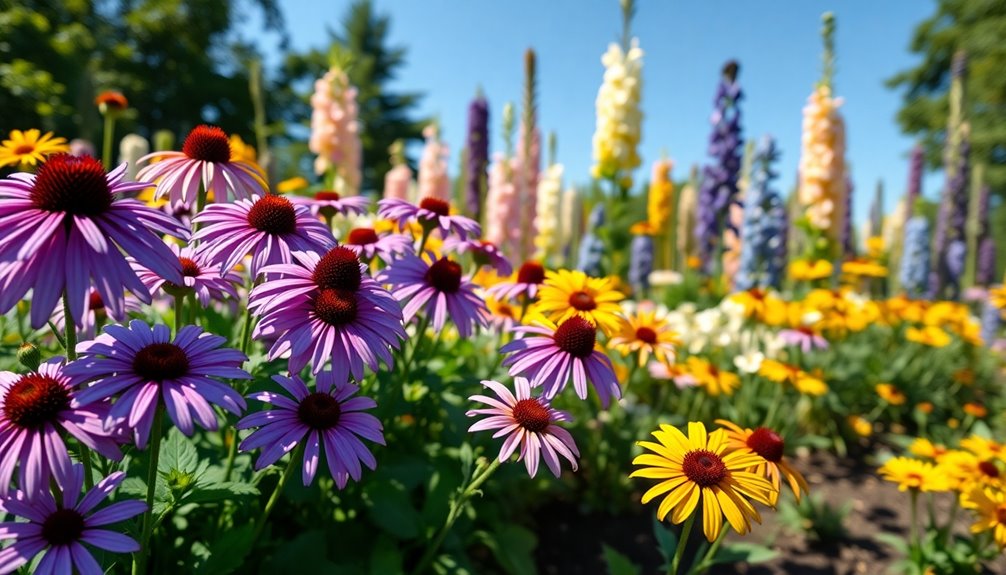

Choosing the right perennials for a New England garden involves balancing climate resilience, native adaptability, and visual appeal. The New England Aster stands out as the top overall choice for its vibrant purple blooms and pollinator support. For a more budget-friendly option, seed packets like the Outsidepride New England Aster Seeds provide a cost-effective way to establish native plants. Meanwhile, native wildflower mixes can diversify your garden with minimal maintenance, though they often require careful site selection. Overall, the main tradeoffs involve balancing cost, native suitability, and garden design goals. Keep reading for a detailed breakdown to help you select the best perennials for your specific needs.

Get furniture and decor delivered free with Prime
- Fast, free delivery on millions of items
- Prime Video, Amazon Music and more included
- Member-only deals all year
Complete the kit


Key Takeaways
- Native plants like New England Asters outperform non-native options in resilience and pollinator support.
- Seed-based options offer affordability but require patience and proper planting conditions to thrive.
- Wildflower mixes provide diversity but need careful site preparation for best results.
- Premium nursery-grown perennials tend to establish faster and require less initial care.
- Choosing perennials that suit your soil, sun, and moisture conditions is key to long-term success.


More Details on Our Top Picks
KVITER 600 New England Aster Seeds for Planting (Aster novae-angliae) – Purple Asters Wildflower Seed Packets
This seed packet stands out for its ease of use and adaptability across different planting styles, including containers and wildflower gardens. Compared to the larger-scale Outsidepride New England Aster Seeds, it offers a slightly lower germination rate but compensates with high-quality seeds suitable for beginners. Its long-lasting fall blooms attract pollinators over an extended period, making it a great addition to a pollinator garden. The main tradeoff is the need for cold stratification, which adds an extra step for growers. Regular watering is essential to ensure successful germination, especially in drier seasons. This option is ideal for gardeners wanting flexibility and reliable flowering without requiring large-scale planting experience.
Pros:- Versatile for containers, beds, or wildflower patches
- Attracts bees and butterflies effectively
- Long-lasting blooms from early to late fall
Cons:- Requires cold stratification, adding complexity
- Needs consistent watering for germination
- Spacing may be tricky in small gardens
Best for: Gardeners seeking flexible planting options, including container and bed planting, who are comfortable with some initial germination prep.
Not ideal for: Beginners wanting a straightforward, no-fuss seed with immediate germination or those in very dry conditions, as it needs careful watering and stratification.
- Germination Rate:High
- Plant Type:Perennial
- Flower Color:Purple
- Planting Depth:Just under 1/8 inch
- Spacing:18–24 inches
- Bloom Time:Early to late fall
Our verdict“This seed pack is best for gardeners who want flexible planting options and are willing to manage germination requirements.”
New England Aster Seeds for Planting, 1 Pack | Perennial Purple Wildflower for Pollinator Gardens
This package offers seeds that grow tall—up to 6 feet—making it ideal for creating dramatic fall displays. Compared with KVITER 600 New England Aster Seeds, these seeds produce larger, more vibrant flowers and are drought-tolerant once established, which is a major plus for low-maintenance gardens. However, their height can be problematic in smaller spaces or front beds where they may overshadow other plants. Seeds need to be sown and grown from scratch, which takes time before flowering, unlike mature plants or seedlings. This pick makes the most sense for gardeners aiming to establish a tall, pollinator-friendly wildflower that requires minimal water after maturity.
Pros:- Tall growth provides eye-catching fall color
- Drought-tolerant and low water needs
- Attracts a wide range of pollinators, including hummingbirds
Cons:- Requires patience for seed germination and growth
- Tall stature may not suit small or front yard gardens
- Needs full sun for best flowering
Best for: Experienced gardeners seeking tall, vibrant asters that require minimal watering and provide a striking fall display.
Not ideal for: Small garden owners or beginners who prefer low-growing plants or want quick results, as these seeds take time to mature and grow tall.
- Type:Perennial Wildflower
- Color:Purple to Pink
- Height:4-6 feet
- Bloom Time:August-October
- Zones:3-8
- Water Needs:Low once established
Our verdict“Ideal for seasoned gardeners looking for tall, vibrant, low-maintenance asters with strong pollinator appeal.”
Native Plants for New England Gardens
This book is a comprehensive guide that helps gardeners select native plants suited for New England, emphasizing ecological benefits and sustainable landscaping. Unlike seed-focused options, it offers detailed planting tips and design ideas that ensure successful integration into local ecosystems. While it doesn’t provide specific plant varieties or seed packets, its value lies in helping gardeners make informed choices for long-term native plant success. The absence of customer reviews and specific prices could make it less appealing for those seeking immediate planting solutions. It’s best for those committed to ecological gardening and wanting a deeper understanding of native species, rather than quick-flower solutions.
Pros:- Detailed information on native plants and ecological benefits
- Helps create sustainable and eco-friendly gardens
- Includes practical planting tips and design ideas
Cons:- No specific plant or seed product included
- Lacks price and customer review data
- Requires additional research to select individual plants
Best for: Eco-conscious gardeners and landscape designers interested in creating sustainable, native plant landscapes in New England.
Not ideal for: Beginners or gardeners seeking immediate flowering plants or seed packets for quick results, as this is more of a reference guide.
Our verdict“This guide is best suited for gardeners committed to native, ecological landscaping and looking for in-depth plant knowledge.”
Outsidepride New England Aster Seeds – 1000 Pcs, Perennial, Pollinator Friendly, Vibrant Purple Blooms
This bulk seed pack provides over a million seeds, making it ideal for large gardens, meadows, or restoration projects. Compared to smaller seed packets like KVITER 600 Seeds, it offers significantly more coverage at a budget-friendly price, though germination takes 21-45 days, which could delay flowering. Its hardiness across USDA Zones 3-9 and minimal maintenance needs make it appealing for extensive planting. However, the large quantity can be overwhelming for small or beginner gardeners, and sowing at the right rate and depth is critical to avoid overcrowding or poor germination. This option is best for those aiming to create expansive pollinator habitats with minimal ongoing effort.
Pros:- Enormous coverage with over 1 million seeds per pound
- Highly hardy across many zones (3-9)
- Low maintenance and pest-resistant
Cons:- Delayed germination (21-45 days)
- Requires precise sowing techniques and full sun
- Over-planting can cause overcrowding if not carefully managed
Best for: Landscape professionals or large-scale gardeners aiming to establish extensive native pollinator habitats with minimal maintenance.
Not ideal for: Small garden owners or casual gardeners who prefer manageable seed quantities and quick results, as the large seed count can be difficult to handle and germination is slow.
- Expected Blooming Period:Summer to Fall
- Sunlight Exposure:Full Sun
- USDA Hardiness Zone:3
- Expected Plant Height:4 Feet
- Soil Type:Loam
- Soil Moisture Needs:Little To No Watering
Our verdict“This bulk seed pack is best for large-scale projects seeking extensive, pollinator-friendly plantings over a broad area.”
Connecticut Bulk Perennial Wildflower Seed Mix 1/4lb Covers 500sq-ft – Attract Pollinators, Multi-Color Perennial and Annual Non-GMO Blooms – Northeast US Species
This seed mix offers a diverse range of 14 native species designed for the Northeastern US, making it perfect for creating colorful, pollinator-friendly wildflower beds. Compared to the seed-only options like Seed Needs New England Aster Seeds, this mix provides variety and multi-season interest, with blooms in spring and fall. Its non-GMO, no-fillers composition enhances ecological value. However, its performance depends heavily on suitable soil and environmental conditions, and it’s limited to the Northeast region. For gardeners seeking a natural, multi-species flower meadow, this mix delivers vibrant color and ecological benefits but may require additional site preparation and patience for full establishment.
Pros:- Includes 14 native, easy-to-grow species
- Attracts pollinators with multi-color blooms
- Non-GMO and free of fillers
Cons:- Limited to Northeast planting zones
- Requires proper soil and environmental conditions
- Establishment may take time and patience
Best for: Gardeners in the Northeast aiming for a colorful, pollinator-attracting wildflower meadow with diverse species.
Not ideal for: Those outside the Northeast US or looking for specific flowers or quick blooms, as seed mix success depends on local conditions and patience.
- Weight:1/4 lb
- Coverage:500 sq ft
- Species Included:14 species
- Planting Range:NE US
Our verdict“This wildflower seed mix is ideal for regional native plant enthusiasts seeking a vibrant, ecological meadow in the Northeast.”
Eden Brothers All Perennial Wildflower Seed Mix for Planting, 1/4 lb, 120,000+ Seeds, 19 Flower Varieties
This wildflower seed mix stands out for its high seed count and diversity, offering 19 perennial species that bloom throughout summer and fall. Compared to specialized native seed packets like Seed Needs New England Aster Seeds, it provides a broader range of flowers, making it ideal for creating a colorful, pollinator-friendly meadow. However, because it requires full sun and may need re-seeding, it’s better suited for gardeners willing to manage ongoing blooms. Its non-GMO status and high germination rate make it a reliable choice for eco-conscious growers.
Tradeoff: While offering variety and pollinator support, it may demand more maintenance than single-species plantings.
Pros:- Includes 19 diverse perennial flower species
- Attracts pollinators like bees, butterflies, and hummingbirds
- Suitable for zones 3-10 and covers 250-500 sq ft
Cons:- Requires full sun for best results
- May need re-seeding for continuous blooms
- Some varieties may not resist deer
Best for: Gardeners seeking a low-cost, eco-friendly way to attract pollinators across a large area with minimal plant selection fuss.
Not ideal for: Those desiring a low-maintenance, precisely native-focused garden, since this mix needs re-seeding and full sun.
- Weight:1/4 lb
- Seeds:120,000+ seeds
- Flower Varieties:19
- Coverage:250-500 sq ft
- Zones:3-10
- GMO:Non-GMO
Our verdict“This seed mix offers excellent diversity and pollinator benefits for eco-minded gardeners prepared for ongoing maintenance.”
The Northeast Native Plant Primer: 235 Plants for an Earth-Friendly Garden
This comprehensive guide is perfect for those dedicated to native plants, featuring detailed profiles of 235 species suitable for the Northeast. While it doesn’t offer specific plant varieties or planting instructions like Perennials for the Northeast: A Comprehensive Guide, its focus on native plants makes it invaluable for sustainable, regional landscapes. The lack of detailed specifications or user reviews might leave some readers wanting more practical planting guidance. Still, for those interested in a deep dive into native species, this book provides a wealth of knowledge.
Tradeoff: Its broad scope means it lacks specific product features or step-by-step instructions.
Pros:- Extensive coverage with 235 native species
- Promotes sustainable and eco-friendly gardening
- Useful reference for selecting regional plants
Cons:- No detailed planting or care instructions
- No customer reviews or ratings available
- Lacks specific product features or practical guidance
Best for: Serious native plant enthusiasts and gardeners committed to eco-friendly, regionally appropriate landscaping.
Not ideal for: Beginners seeking detailed planting instructions or specific plant recommendations for immediate use.
Our verdict“Ideal for dedicated native plant aficionados seeking an in-depth regional reference, though less suited for quick-start gardeners.”
Seed Needs New England Aster Seeds – Perennial Flowers, 1 Pack
This seed packet makes sense for gardeners who want to grow a classic New England Aster, known for its vibrant purple or pink flowers that support pollinators. Compared with larger seed lots like Outsidepride New England Aster Seeds, this pack offers a more manageable quantity for smaller projects or beginner growers. It requires full sun and well-drained soil, so it’s best for those willing to provide proper conditions. Its seed quality and clear sowing instructions boost germination success, but its height of 3 to 6 feet may mean staking for support.
Tradeoff: It’s ideal for smaller-scale planting but less suitable for larger meadow-style landscapes.
Pros:- Vibrant, attractive flowers supporting pollinators
- High-quality seeds with clear sowing instructions
- Packaged in moisture-resistant, easy-to-handle packets
Cons:- Requires full sun and well-drained soil
- Tall growth may need staking
- Germination can take a few days with proper sowing
Best for: Home gardeners eager to cultivate native asters with straightforward sowing guides and clear instructions.
Not ideal for: Large-scale landscapers or those seeking quick, low-maintenance ground cover, as asters can require staking and patience to establish.
- Plant Type:Perennial
- Flower Color:Purple or Pink
- Height:3 to 6 feet
- Quantity:1 packet
- Seed Origin:Open-pollinated & heirloom
- Packaging:Tear & moisture-resistant
Our verdict“A reliable choice for gardeners wanting to grow native, pollinator-friendly asters with clear guidance and manageable seed quantities.”
Votaniki Aster Novae Angliae ‘Grape Crush’ (New England Aster) – 1 Pack
This compact New England Aster, ‘Grape Crush,’ offers a vibrant purple bloom that appeals to butterflies and bees, making it perfect for gardeners seeking low-effort, pollinator-supporting plants. Compared to larger, taller asters, its 26-30 inch height and spread of 40-44 inches make it easier to fit into smaller or more formal gardens. Its deer and rabbit resistance adds to its appeal for low-maintenance landscapes. However, it still needs full sun and well-drained soil, and moderate watering is necessary to keep it thriving.
Tradeoff: While easy to grow and resistant to pests, its moderate size means it might not fill large spaces as quickly as taller, more vigorous asters.
Pros:- Attracts pollinators like butterflies and bees
- Resistant to deer and rabbits
- Easy to grow with minimal maintenance
- Versatile for various garden styles
Cons:- Requires full sun and well-drained soil
- Moderate watering needed
Best for: Gardeners wanting a manageable, attractive perennial that’s easy to grow and supports local pollinators without much fuss.
Not ideal for: Large-scale planting or wildflower meadows, since its size and growth habit are more suited to garden beds and borders.
- Size:26.0-30.0 inches
- Spread:40.0-44.0 inches
- Bloom Color:Purple
- Season:Fall
Our verdict“A versatile, low-maintenance perennial ideal for gardeners seeking reliable, pollinator-friendly color in smaller or mixed gardens.”
Perennials for the Northeast: A Comprehensive Guide
This regional guidebook makes it easier for gardeners to select and care for perennials suited to the Northeast, covering a variety of species and providing planting tips. Unlike the seed or plant products, it offers detailed advice for long-term garden success. While it’s less useful for immediate planting or specific plant choices, it’s an excellent resource for those wanting to deepen their understanding of regional perennials and plan sustainable landscapes. The lack of specific product features or reviews means it’s more of a reference than a direct planting tool.
Tradeoff: Its focus on regional advice makes it less practical for gardeners seeking quick, specific plant recommendations.
Pros:- Comprehensive regional guide
- Includes detailed planting and care tips
- Suitable for both beginners and experienced gardeners
Cons:- No specific product features or reviews
- Limited to regional gardening advice
- Less useful for immediate planting decisions
Best for: Gardeners interested in comprehensive, region-specific advice for planning and maintaining perennial gardens in the Northeast.
Not ideal for: Beginners looking for quick-start planting instructions or those seeking immediate plant suggestions without additional research.
Our verdict“An essential resource for gardeners committed to understanding and maintaining sustainable, regional perennial gardens in the Northeast.”
100PCS New England Aster Seeds Purple Perennial Heirloom Fall Planting Seed
This seed pack offers an accessible way for novice gardeners to introduce native New England asters into their landscape. Compared with larger seed quantities like the Outsidepride 1000 Pcs, this set is ideal for small-scale planting or trial plots, making it easier to manage and learn. Its low-maintenance nature and suitability for both indoor and outdoor planting make it a flexible choice, especially for those just starting out. However, it requires starting indoors six weeks prior to transplanting, which can be a hurdle for impatient gardeners. The limited info on disease resistance means some plants may be more vulnerable depending on local pests and climate. Bloom timing may also vary, so expectations should be tempered in less predictable weather.
Pros:- Affordable and in a manageable 100-pack for small-scale planting
- Produces delicate clusters of purple, lavender, and light pink flowers
- Flexible planting options—indoor or outdoor
Cons:- Requires starting indoors 6 weeks before transplanting, which may delay planting schedule
- Limited information on pest and disease resistance, potentially affecting plant health
Best for: First-time perennial gardeners in New England who want an easy, low-cost introduction to native wildflowers.
Not ideal for: Experienced growers seeking disease-resistant, robust plants or those planting in areas with high pest pressure, as these seeds lack specific resistance traits.
- Usage:Outdoor
- Special Features:Low Maintenance
- Expected Blooming Period:Summer to Fall
- Item Weight:3 Grams
- Unit Count:100
Our verdict“This seed pack makes the most sense for beginners looking for an easy, affordable way to add native asters to their garden with minimal fuss.”

How We Picked
The products in this roundup were selected based on their suitability for New England’s climate, native status, and versatility. Key factors included plant hardiness, ease of growth, pollinator friendliness, and overall value. We prioritized options that are readily available for purchase, with a focus on those that support native ecosystems and offer reliable performance. Each product was evaluated for its potential to thrive in typical New England conditions, considering both seed and nursery-grown varieties. The ranking reflects a balance of affordability, ease of planting, and ecological benefit, helping gardeners choose options that match their experience level and garden goals.Factors to Consider When Choosing Perennials For New England
When selecting perennials for a New England garden, several factors influence success beyond just appearance. Understanding climate resilience, native compatibility, soil requirements, and maintenance needs can help you create a thriving landscape. It’s also important to consider your garden’s sun exposure, moisture levels, and how much effort you want to invest in ongoing care. Making informed choices ensures your perennials will flourish year after year, minimizing frustration and maximizing beauty. Here are some key considerations to keep in mind.Climate Resilience and Hardiness Zones
New England’s varied climate means choosing plants with appropriate hardiness zones is essential for longevity. Many native perennials, like the New England Aster, are naturally adapted to withstand cold winters and hot summers. Always check the USDA hardiness zone ratings on seed packets or plant labels, aiming for zones 3 to 5 for most of the region. Investing in hardy varieties reduces the risk of winter dieback and ensures your garden remains vibrant with less effort. Overlooking this factor often results in plants that struggle or require extra winter protection.
Native vs. Non-Native Plants
Native perennials typically support local pollinators, resist pests naturally, and adapt better to regional conditions. While non-native options might offer a broader color palette or longer blooming periods, they often require more attention and may not be as resilient. Choosing native plants like the New England Aster or wildflower mixes tailored for the region helps create a sustainable, eco-friendly garden. Be cautious of non-native invasives that can outcompete local flora, disrupting your garden’s ecological balance.
Soil and Site Conditions
Understanding your soil type—whether sandy, clayey, or loamy—can influence how well perennials establish and grow. Many native plants tolerate a range of conditions but perform best when matched to their preferences. For example, asters prefer well-drained soil with full sun, while some wildflower mixes thrive in partial shade or moist soils. Proper site preparation, including soil amendments if necessary, can dramatically improve success rates. Ignoring these needs often leads to weak growth or disease susceptibility.
Maintenance and Long-Term Care
Some perennials, particularly nursery-grown options, establish quickly and require minimal ongoing effort. Others, such as seed-grown wildflowers, need patience and consistent watering until established. Consider your available time and gardening skills when selecting plants. For beginners, choosing hardy, low-maintenance varieties reduces frustration, while experienced gardeners might enjoy experimenting with more diverse, wildflower mixes. Over-planting or improper pruning can hinder growth, so understanding each plant’s care requirements is vital.
Cost and Value
Seed packets generally cost less upfront but may take longer to establish and produce blooms. Nursery-grown perennials tend to be more expensive but offer immediate impact and easier establishment. Balancing budget with long-term goals helps determine the best choice—if patience is available, seeds can be economical; if instant results matter, investing in mature plants could be worthwhile. Consider how much effort and time you’re willing to dedicate, and plan accordingly to avoid disappointment or unnecessary expenses.
Frequently Asked Questions
Are native perennials better for pollinators in New England?
Yes, native perennials like the New England Aster are generally more beneficial for local pollinators since they have co-evolved with regional insects, providing better nectar and pollen sources. They tend to bloom when pollinators are most active and fit naturally into the local ecosystem, supporting biodiversity. Non-native plants may still attract pollinators but often do not offer the same level of support or could even compete with native species.
Can I grow perennial wildflowers from seed in my New England garden?
Growing wildflowers from seed is a cost-effective way to add diversity, but it requires patience and proper planting conditions. Seeds often need stratification or specific timing to germinate successfully, and establishment may take a season or two. Ensuring good soil contact, adequate watering, and suitable site conditions increases success. For those new to gardening, starting with nursery-grown perennials might ensure quicker results, but seed planting can be rewarding with persistence.
What are common mistakes when planting perennials in New England?
One common mistake is planting non-native species that are not suited to the local climate, leading to poor survival. Overly dense planting or inadequate soil preparation can restrict growth and promote disease. Ignoring sun and moisture requirements often results in weak or leggy plants. It’s also easy to underestimate the importance of proper spacing, which affects air circulation and overall health. Careful planning and understanding your garden’s microclimate help avoid these pitfalls.
How much maintenance do native perennials typically require?
Native perennials generally need less maintenance than non-native ornamental plants because they are adapted to regional conditions. Most require minimal watering once established, occasional deadheading, and some light pruning. They tend to resist pests and diseases naturally, reducing the need for chemical treatments. However, some wildflower mixes may require periodic overseeding or soil management to maintain their vigor, especially if invasive species threaten to take over.
Is it better to buy seeds or nursery plants for my New England garden?
The choice depends on your patience, budget, and desired impact. Seeds are usually less expensive and offer a wider variety, but they need more time to grow and establish. Nursery plants provide immediate color and quicker coverage, ideal for gardeners seeking instant results or less hassle. For long-term sustainability and native support, starting with seeds can be rewarding, but for a more immediate effect, nursery-grown perennials are often the better choice.
Conclusion
For gardeners seeking instant impact or limited time, the best overall choice is a nursery-grown perennial like the New England Aster, which offers immediate blooms and robust growth. Budget-conscious growers will find seed packs like Outsidepride New England Aster Seeds or Seed Needs a good value, provided they are willing to wait. Beginners should favor native wildflower mixes or hardy perennials that require minimal care, such as the All Perennial Wildflower Seed Mix from Eden Brothers. For ecological enthusiasts, native plants like those detailed in The Northeast Native Plant Primer will support local pollinators best. Ultimately, matching plant choices to your garden’s conditions and your gardening style will lead to the most satisfying results.
Halloween Picks
halloween
As an affiliate, we earn on qualifying purchases.