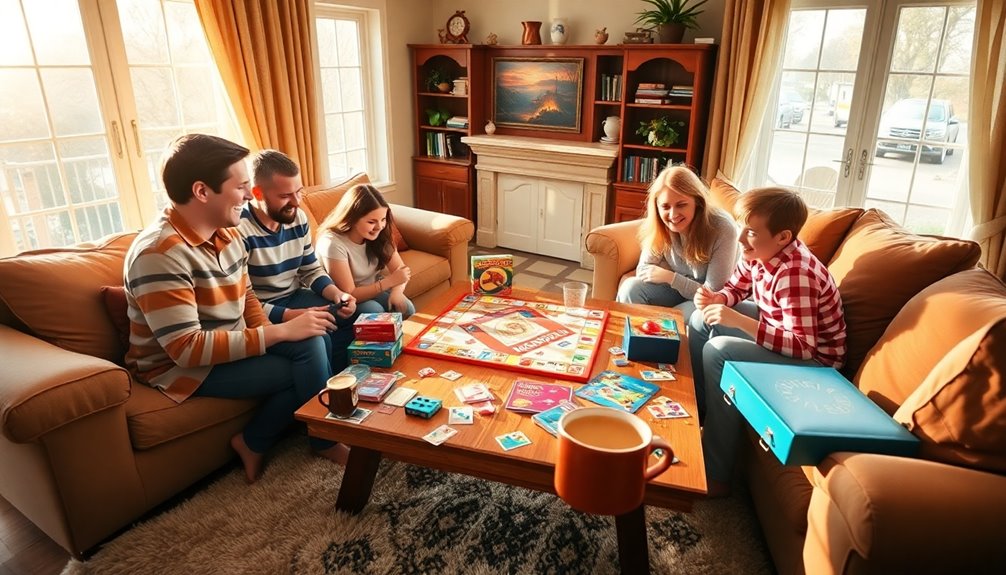

Finding the right board games for families means balancing fun, accessibility, and longevity. The Skillmatics Guess in 10 Game stands out as a top educational pick that sparks learning and conversation. For quick, social fun, UNO offers timeless appeal, while Sorry! provides a straightforward game for younger children. The main tradeoffs involve selecting games that suit a wide age range, balance complexity with ease, and offer good value for varied play styles. Continue reading for a detailed breakdown of the best options for your family.

Get furniture and decor delivered free — and shop member deals
- Fast, free delivery on millions of items
- Access to Prime Big Deal Days deals on October 6–7
- Prime Video, Amazon Music and more included
Complete the kit


Key Takeaways
- Top-ranked games combine simplicity with replayability, making them ideal for mixed-age families.
- Educational games like Skillmatics can enhance learning without sacrificing fun, but may not appeal to all age groups.
- Classic options such as UNO and Sorry! remain reliable choices for quick, inclusive gameplay.
- Durability and ease of setup are common factors that differentiate higher-quality options from cheaper alternatives.
- More complex trivia games like the HISTORY Channel Trivia can extend game nights but may overwhelm very young players.
| Skillmatics Guess in 10 Game – National Geographic Animals, Educational Card & Trivia Game for Kids & Family |  | Best for Educational Family Fun and Travel | Included Components: 50 Game Cards, 6 Clue Cards, 1 Card Holder, Instruction Manual, Travel Box | Age Range: Kids, Teens, Adults | Model Name: Guess in 10 National Geographic Animals | VIEW ON AMAZON | See Our Full Breakdown |
| USAOPOLY The Original TAPPLE Family Board Game |  | Best for Fast-Paced Word Challenges and Family Night | Age Range: 8+ | Number of Players: 2-8 | Play Time: 15-20 minutes | VIEW ON AMAZON | See Our Full Breakdown |
| Mattel Games UNO Card Game for Kids, Adults & Families |  | Best for Classic, Inclusive Family Card Play | Number of Players: 2 to 10 | Age Range: 7 years and older | Color Blind Accessible: Yes | VIEW ON AMAZON | See Our Full Breakdown |
| Do You Really Know Your Family? Family Card & Board Game for Kids, Teens, and Adults |  | Best for Conversation and Family Bonding | Recommended Age: 8+ | Game Type: Card & Board Game | Number of Players: Not specified | VIEW ON AMAZON | See Our Full Breakdown |
| Hasbro Gaming Operation Electronic Board Game |  | Best for Classic Skill and Coordination Play | Ages: 6+ | Players: 1+ | Type: Electronic Board Game | VIEW ON AMAZON | See Our Full Breakdown |
| BBnote Color Matching Challenge Game – Ring Stacking Puzzle for Kids & Adults |  | Best for Educational Fun and Family Interaction | Includes: base x1, cylinders x6, rings x40, challenge cards x50, instruction manual | Size: 8.4 x 2.5 x 7 inches | Color box size: 7.2 x 2 x 5.7 inches | VIEW ON AMAZON | See Our Full Breakdown |
| Sorry! Board Game for Kids Ages 6 and Up |  | Best Classic Family Game for All Ages | Ages: 6 and up | Number of Players: 4 pawns per player | Game Type: Family board game | VIEW ON AMAZON | See Our Full Breakdown |
| Hasbro Gaming Jenga Game with Digital Die |  | Best for Versatile and Portable Party Fun | Includes: 54 wooden blocks | Ages: 6+ | Players: 1+ | VIEW ON AMAZON | See Our Full Breakdown |
| HISTORY Channel Trivia Game Deluxe – 2400 Questions Including 80s & 90s Trivia |  | Best for Trivia Enthusiasts and Nostalgic Families | Number of Questions: 2400 | Categories: Arts & Culture, Sports & Recreation, Science & Technology, Geography & Landmarks, People & Events | Ages: 14+ | VIEW ON AMAZON | See Our Full Breakdown |
More Details on Our Top Picks
Skillmatics Guess in 10 Game – National Geographic Animals, Educational Card & Trivia Game for Kids & Family
This game stands out for its blend of learning and entertainment, making it ideal for families who want to combine education with fun. Unlike Do You Really Know Your Family?, which emphasizes conversation and silly challenges, Guess in 10 fosters critical thinking about animals through yes/no questions, promoting curiosity and knowledge. Its portability and travel-friendly design make it perfect for on-the-go play, but it’s limited to 2 or more players and depends on reading skills, which could challenge younger children. Despite these tradeoffs, it offers a rich, educational experience that keeps kids engaged while traveling or at home.
Pros:- Educational and fun, promoting curiosity about animals
- Portable and travel-friendly for on-the-go entertainment
- Suitable for a wide age range, including adults
Cons:- Limited to 2 or more players, not ideal for solo play
- Requires reading and comprehension skills for best experience
Best for: Families with kids aged 6+ who enjoy educational, trivia-style games and travel activities
Not ideal for: Families seeking a game suitable for solo play or with very young children who struggle with reading comprehension
- Included Components:50 Game Cards, 6 Clue Cards, 1 Card Holder, Instruction Manual, Travel Box
- Age Range:Kids, Teens, Adults
- Model Name:Guess in 10 National Geographic Animals
- Manufacturer:Grasper Global Inc.
- Unit Count:1 Count
- Material Type:Paper
- Best Sellers Rank:#298 in Toys & Games, #1 in Travel Games
Our verdict“This game is perfect for families wanting an educational, travel-ready trivia experience for kids and adults alike.”
USAOPOLY The Original TAPPLE Family Board Game
TAPPLE distinguishes itself with its quick-thinking, category-based word game that energizes family game nights. Compared with UNO, which focuses on matching colors and numbers, TAPPLE’s rapid pace and category wheel encourage players to think on their feet, making it ideal for active families. However, its speed may be overwhelming for younger children or those who prefer more relaxed gameplay. The portable wheel and category cards make it easy to take anywhere, but the fast tempo can cause frustration for less confident players, requiring quick decision-making under pressure.
Pros:- Engages players with energetic, quick-thinking challenges
- Portable design with built-in timer and storage
- Great for family game nights and travel
Cons:- May be too fast-paced for some younger children
- Requires quick thinking, which can be stressful for some
Best for: Families with children aged 8+ who enjoy energetic, fast-paced word games and travel-friendly options
Not ideal for: Families with very young children or players who prefer slower, more strategic games
- Age Range:8+
- Number of Players:2-8
- Play Time:15-20 minutes
- Included Components:36 category cards, instructions, portable Tapple wheel
- Model Year:2022
- Manufacturer:USAOPOLY
- Item Part Number:112797
Our verdict“This game is ideal for active families seeking a lively, travel-ready word challenge for ages 8 and up.”
Mattel Games UNO Card Game for Kids, Adults & Families
Compared with Operation, which is skill-based, UNO offers a straightforward, fast-paced card game suitable for larger groups and a wide age range. Its color-blind accessible design with symbols makes it more inclusive, and the inclusion of blank Wild Cards adds customization for different family rules. However, the game’s variability in length and the action cards’ complexity can cause some frustration among younger children or casual players. Despite that, UNO’s ease of learning and social appeal make it a staple for lively family gatherings.
Pros:- Color blind accessible with clear symbols
- Includes customizable Wild Cards for creative rules
- Suitable for large groups and diverse ages
Cons:- May require house rules to manage game length
- Action cards can complicate gameplay for young children
Best for: Families with kids aged 7+ wanting an easy-to-learn, inclusive game for large groups and casual play
Not ideal for: Families seeking a more strategic or educational experience, or those who prefer less randomness
- Number of Players:2 to 10
- Age Range:7 years and older
- Color Blind Accessible:Yes
- Includes:3 blank Wild Cards
Our verdict“This game is perfect for families who want a quick, inclusive card game that works for many players and ages.”
Do You Really Know Your Family? Family Card & Board Game for Kids, Teens, and Adults
This game shines as a social connector, encouraging laughter and storytelling. Unlike UNO or Guess in 10, which focus on skills or knowledge, Do You Really Know Your Family? prompts players to answer fun questions and perform silly challenges, fostering family bonding through shared stories. It’s easy to learn and suitable for a broad age range, but the lack of specific player count and limited game duration details could lead to uneven play experiences. This makes it a good choice for casual, relaxed family nights focused on conversation.
Pros:- Promotes family bonding and fun conversations
- Easy to learn and quick to set up
- Suitable for a wide age range
Cons:- No specific number of players mentioned
- Limited details on how long each game lasts
Best for: Families with kids 8+ looking for an easy, conversational game to strengthen family bonds
Not ideal for: Families seeking competitive, skill-based games or structured gameplay with set duration
- Recommended Age:8+
- Game Type:Card & Board Game
- Number of Players:Not specified
- Includes:Trivia & Conversation Cards
Our verdict“This game works best for relaxed family nights focused on sharing stories and silly challenges.”
Hasbro Gaming Operation Electronic Board Game
Compared with UNO or Guess in 10, which emphasize knowledge and quick thinking, Operation offers a tactile, skill-based challenge that develops fine motor skills and hand-eye coordination. It’s suitable for children as young as 6, making it accessible for early learners, but its buzzer can be overly sensitive, leading to potential frustration. The game’s simplicity and solo or multiplayer options make it a versatile gift or family activity, yet the electronic buzzer’s sensitivity can detract from the experience if it goes off too easily, requiring patience and adjustment.
Pros:- Classic, engaging gameplay for young kids
- Develops fine motor skills and coordination
- Flexible for solo or group play
Cons:- Buzzer can be overly sensitive, causing frustration
- Battery not included, which could add to setup hassle
Best for: Families with children aged 6+ who enjoy skill-based, tactile games and solo play options
Not ideal for: Families seeking educational or trivia-based games or those who dislike overly sensitive electronics
- Ages:6+
- Players:1+
- Type:Electronic Board Game
- Brand:Hasbro Gaming
Our verdict“This game is ideal for young children who enjoy hands-on, skill-based challenges and family play, despite some sensitivity issues.”
BBnote Color Matching Challenge Game – Ring Stacking Puzzle for Kids & Adults
This game stands out for its engaging pattern matching and color recognition activities, making it an excellent choice for families seeking educational play. Unlike Sorry! which emphasizes strategy in racing to the finish, BBnote promotes cognitive skills through visual puzzles, ideal for younger children or those new to family games. Its compact size and simple rules make it accessible, but its limited 1-2 player setup may restrict larger family groups or parties. The game’s repetitive nature after extended play could lessen long-term appeal, yet it offers meaningful interaction during casual gatherings.
Pros:- Engages children in pattern matching and color recognition
- Encourages family interaction with 1-2 player setup
- Ideal as a versatile gift for birthdays and holidays
Cons:- Limited to 1-2 players, less ideal for larger groups
- Requires adult supervision for younger children
- May become repetitive after extended play
Best for: Families with young children who enjoy educational games and quick, interactive challenges
Not ideal for: Large families or groups seeking longer, more varied gameplay sessions
- Includes:base x1, cylinders x6, rings x40, challenge cards x50, instruction manual
- Size:8.4 x 2.5 x 7 inches
- Color box size:7.2 x 2 x 5.7 inches
- Age Group:Suitable for boys and girls
Our verdict“This game is perfect for smaller family units seeking quick, educational fun but less suited for group play or extended sessions.”
Sorry! Board Game for Kids Ages 6 and Up
Compared to the HISTORY Channel Trivia Game Deluxe which offers a broad knowledge challenge, Sorry! emphasizes straightforward racing and strategic movement, making it more accessible for younger players. Its simple rules and familiar gameplay make it a go-to for family nights, especially with kids as young as six. However, for families craving more mental stimulation or variety, Sorry! can feel repetitive after a few rounds. Its focus on luck and basic strategy suits casual players better than those seeking deeper tactical gameplay.
Pros:- Classic, nostalgic gameplay that appeals across generations
- Encourages strategic thinking and family bonding
- Simple rules make it easy for young children to learn
Cons:- Can become repetitive for experienced players
- Requires multiple players for the best experience
- Less engaging for those seeking complex gameplay
Best for: Families with children aged 6 and up who want a familiar, easy-to-learn game for quick fun
Not ideal for: Older players or groups looking for complex strategy or trivia-based challenges
- Ages:6 and up
- Number of Players:4 pawns per player
- Game Type:Family board game
Our verdict“This game is ideal for families seeking a straightforward, nostalgic game suitable for young children and casual play, but less so for those craving complexity.”
Hasbro Gaming Jenga Game with Digital Die
This Jenga variant introduces a digital die, adding a new twist to the classic stacking game, which sets it apart from the traditional version. Unlike the HISTORY Channel Trivia Game Deluxe, which offers a broad knowledge experience, this pick emphasizes dexterity and tension, making it more engaging for spontaneous family or party play. Its portability and easy setup make it perfect for outdoor gatherings or travel, but reliance on digital components might complicate gameplay for very young children or those without a smartphone. The added digital element introduces variability, but also potential technical issues.
Pros:- Includes a digital die for more gameplay variety
- Suitable for solo, small, or large group play
- Portable and quick to set up
Cons:- Requires a smartphone or web access for digital features
- May be challenging for very young children
- Potentially more complex than traditional Jenga
Best for: Families and groups who enjoy physical, skill-based games with a tech twist and portable play options
Not ideal for: Families seeking purely traditional, non-digital games or playing with very young children
- Includes:54 wooden blocks
- Ages:6+
- Players:1+
- Materials:Wood
Our verdict“This version of Jenga suits active families wanting a familiar game with added digital fun, but tech dependence might limit its simplicity for some users.”
HISTORY Channel Trivia Game Deluxe – 2400 Questions Including 80s & 90s Trivia
Compared with Sorry! which offers straightforward racing, the HISTORY Channel Trivia Game Deluxe provides a deep reservoir of questions that can challenge even seasoned trivia fans, especially with its focus on history, science, and pop culture from the 80s and 90s. Its extensive question bank makes it ideal for long game sessions, but the lack of digital components means it relies solely on players’ knowledge and memory. The age restriction of 14+ may exclude younger children, limiting its use to older family members or adult gatherings. For families wanting a knowledge challenge and nostalgia, it’s a compelling pick, though less dynamic in gameplay variety.
Pros:- Massive question bank with 2,400 questions for endless gameplay
- Includes nostalgic 80s and 90s trivia that appeals to Gen X
- Great for extended game nights and social gatherings
Cons:- Ages 14+ limits participation of younger kids
- No digital or electronic components to enhance gameplay
- Gameplay duration can vary, possibly leading to long sessions
Best for: Trivia lovers and families with teens or adults who enjoy in-depth knowledge and nostalgic questions
Not ideal for: Younger children or families seeking fast-paced, casual games
- Number of Questions:2400
- Categories:Arts & Culture, Sports & Recreation, Science & Technology, Geography & Landmarks, People & Events
- Ages:14+
- Gameplay Time:30–45 minutes
- Players:2+
Our verdict“This trivia game is best suited for older family members or groups seeking a lengthy, knowledge-based challenge with nostalgic appeal, but less appropriate for casual or younger players.”

How We Picked
I evaluated each game based on criteria that matter most to families: ease of learning, replay value, build quality, and suitability for multiple age groups. The selection favors games that balance quick setup with engaging gameplay, ensuring they can be enjoyed repeatedly without frustration. Cost-effectiveness was also a factor, but I prioritized durability and broad appeal over the cheapest options. Games that offer unique features or educational benefits earned higher rankings to help families find both fun and value in their choices.Factors to Consider When Choosing Board Games For Families
Choosing the right board game for your family involves considering several practical and fun factors. It’s important to think about the ages of players, as some games are better suited for younger kids while others engage teens and adults alike. Ease of setup and gameplay duration can influence how often and how comfortably your family plays together. Durability and quality matter, especially for games that see frequent use. Additionally, consider whether you want a game that fosters learning or teamwork versus pure competition. Avoiding overly complex rules for mixed-age groups can prevent frustration and ensure everyone stays engaged.Age Appropriateness and Player Count
Matching a game’s recommended age range with your family’s youngest and oldest players ensures everyone can participate comfortably. Some games are designed for quick, casual play, while others can handle larger groups or extended sessions. Check the packaging for minimum and maximum player counts to avoid buying a game that won’t fit your family’s size, and look for options that scale well for different group sizes if you host friends or relatives frequently.
Ease of Learning and Setup
Family games should be accessible, especially if children or newcomers are involved. Games with simple rules and quick setup encourage spontaneous play and reduce frustration. Beware of overly complicated instructions or lengthy setup times, which can diminish enjoyment, particularly for younger children or when time is limited. Ideally, a game should be learnable within minutes and ready to play shortly after unpacking.
Durability and Build Quality
Durable materials like sturdy cardboard, quality plastic, or well-made cards extend the lifespan of a game, making it a better investment. Cheaper games often use flimsy components that wear out quickly, leading to frustration and replacement costs. If your family plays frequently, prioritize options with reinforced pieces and secure storage to keep everything intact over time.
Educational and Social Benefits
Some games offer more than just fun—they promote learning, strategic thinking, or social skills. Educational games like Skillmatics encourage knowledge sharing, while cooperative games foster teamwork. However, balance is key — too much focus on learning can make the game feel more like a chore, so choose options that naturally blend fun and educational value based on your family’s interests.
Cost and Value
Price varies widely, but the most expensive game isn’t always the best fit for your family. Consider the longevity and replayability of each game; a slightly higher upfront cost may be justified if it offers hours of entertainment over time. Conversely, budget options can work well for casual players or infrequent use, but be mindful of quality to avoid quick wear and tear.
Frequently Asked Questions
Are there games suitable for very young children and adults to play together?
Yes, many family-oriented games are designed with broad age ranges in mind. Games like Sorry! and UNO are simple enough for young children yet still engaging for adults. Choosing games with adjustable rules or multiple difficulty levels can also help bridge the age gap, making gameplay inclusive and fun for everyone involved. It’s a good idea to read the recommended age and player count on the packaging to ensure the game fits your family’s specific needs.
How do I pick a game that keeps everyone entertained for multiple sessions?
Look for games that have high replay value, which often means variable setups, multiple strategies, or expansion options. Games with straightforward rules but deep gameplay, like certain trivia or strategy games, can stay interesting over many sessions. Additionally, selecting versatile games that allow for different styles of play or team configurations can prevent boredom and encourage repeated enjoyment.
Is it better to buy a classic game or try a newer one?
Classic games like UNO and Sorry! have the advantage of proven appeal and straightforward rules, making them reliable choices for many families. Newer games may offer innovative mechanics or themes that refresh family game nights, but they can also come with a learning curve or limited replayability if the game relies heavily on luck or novelty. Balancing familiar favorites with newer options can provide variety while maintaining a dependable core of gameplay.
What features should I prioritize if I want a game that’s easy to store and transport?
Compact size and lightweight components are key features for easy storage and portability. Look for games with minimal setup and pieces that fit neatly into a small box or bag. Some games are designed specifically for travel, with foldable boards or small card decks, making them perfect for trips or quick setup in limited space. Avoid bulky, multi-piece games if portability is a priority.
Are there any games I should avoid if my family includes very young children?
Games with small parts or complex rules should be avoided for families with very young children, as they pose safety risks or lead to frustration. Also, highly competitive or aggressive games might not be suitable, as young kids may find them overwhelming or upsetting. Instead, opt for simple, cooperative, or lightly competitive games that foster positive interaction and are easy to grasp, such as matching or memory-based games.
Conclusion
For families seeking a reliable, all-around game, Skillmatics Guess in 10 offers educational fun for a wide age range. Those on a budget should consider UNO for quick, familiar gameplay that’s easy to store. If you want a premium, long-lasting choice, look at more durable options like Sorry! or trivia games that challenge older kids and adults. Beginners or families with young children will appreciate simple, fast-to-learn options like Sorry!, while those looking for themed or skill-building games might prefer newer or more interactive choices. Ultimately, your ideal game depends on your family’s size, ages, and play preferences — but all these options promise to keep game nights lively and memorable.
Halloween Picks
halloween
As an affiliate, we earn on qualifying purchases.