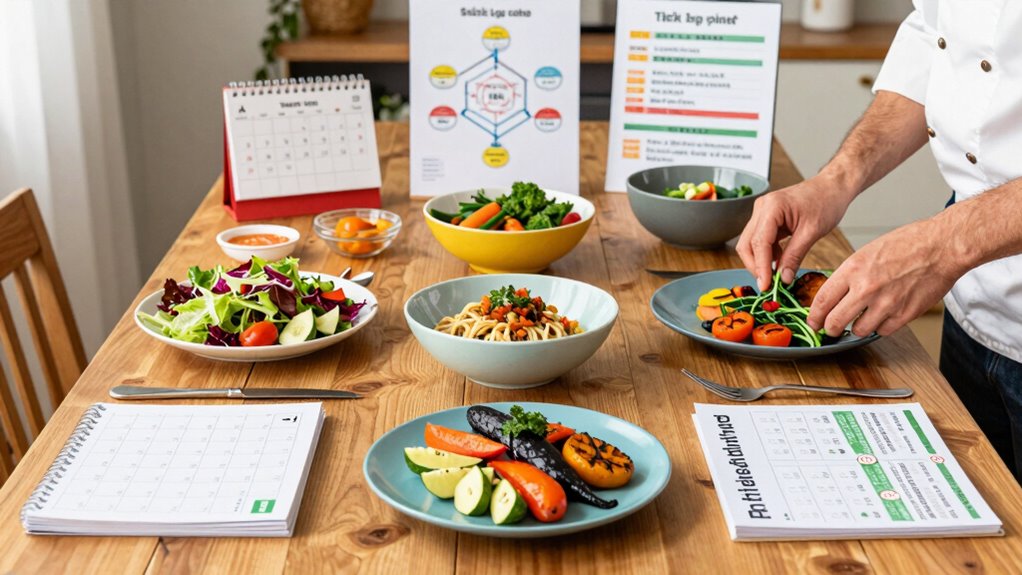

To plan food for retreats effectively, start by evaluating participants’ allergies and dietary needs through detailed questionnaires, and label all foods clearly to prevent cross-contact. Design a flexible, inclusive menu with options like vegetarian and gluten-free dishes, and offer build-your-own stations for customization. Schedule meals thoughtfully with buffers to maintain flow, and communicate meal times and options clearly. If you keep these tips in mind, you’ll improve safety and satisfaction throughout your event. Learning more can help ensure your retreat runs smoothly.
Key Takeaways
- Conduct thorough dietary assessments and label all foods to manage allergies and ensure safety.
- Design flexible menus with diverse options and clear signage to accommodate various dietary needs.
- Schedule meals with buffer times and flexible windows to ensure smooth flow and spontaneous adjustments.
- Coordinate meal timing with activities to optimize engagement and minimize disruptions.
- Maintain adaptability by preparing for last-minute dietary requests and providing accessible snacks.
How Do You Assess Dietary Needs and Allergies Before a Retreat?
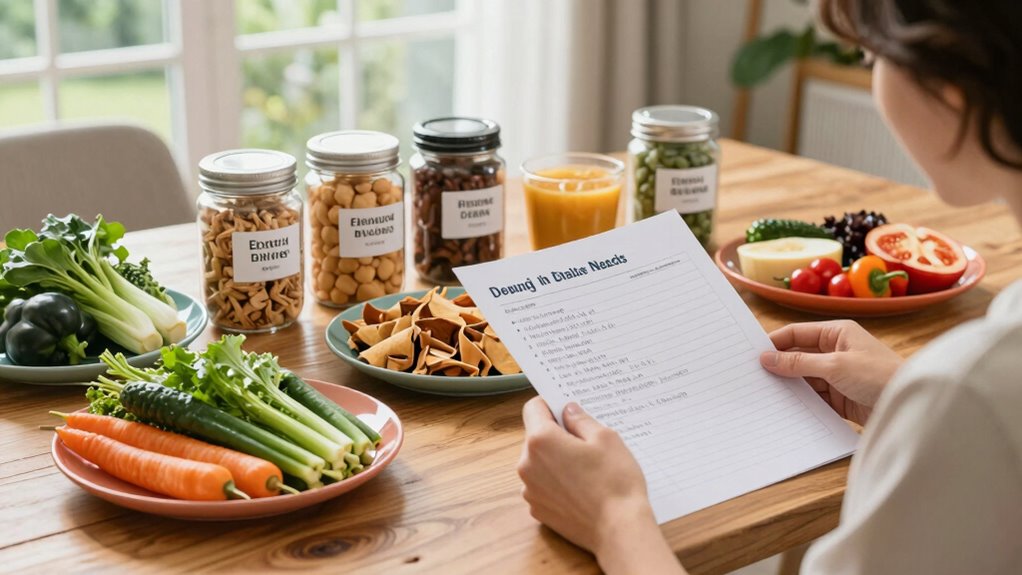
To effectively assess dietary needs and allergies before a retreat, start by distributing detailed questionnaires to all participants. These questionnaires should gather information about specific dietary restrictions, preferences, and known allergies. Focus on conducting a thorough dietary assessment to understand individual nutritional requirements and guarantee no essential needs are overlooked. Include questions that prompt participants to identify allergy triggers, such as nuts, dairy, gluten, or shellfish. Accurate allergy identification is critical to prevent adverse reactions and ensure safety throughout the event. Encourage honest and detailed responses, emphasizing the importance of sharing any sensitive health information. Collect and review these responses carefully, creating a comprehensive overview that will guide your meal planning and accommodate everyone’s health and dietary safety. Additionally, considering natural pool considerations can help ensure that food safety standards are maintained in environments with outdoor water features. Being aware of water safety guidelines can further prevent contamination risks associated with outdoor water features. Incorporating proper food storage practices also plays a vital role in maintaining food quality and safety during outdoor or remote retreats. Recognizing mammography guidelines can also be helpful when considering health screenings for participants, especially in planning for age-appropriate health assessments. Moreover, staying informed about allergy awareness can improve communication and safety protocols during the event.
How to Design a Flexible, Inclusive Menu for Your Retreat
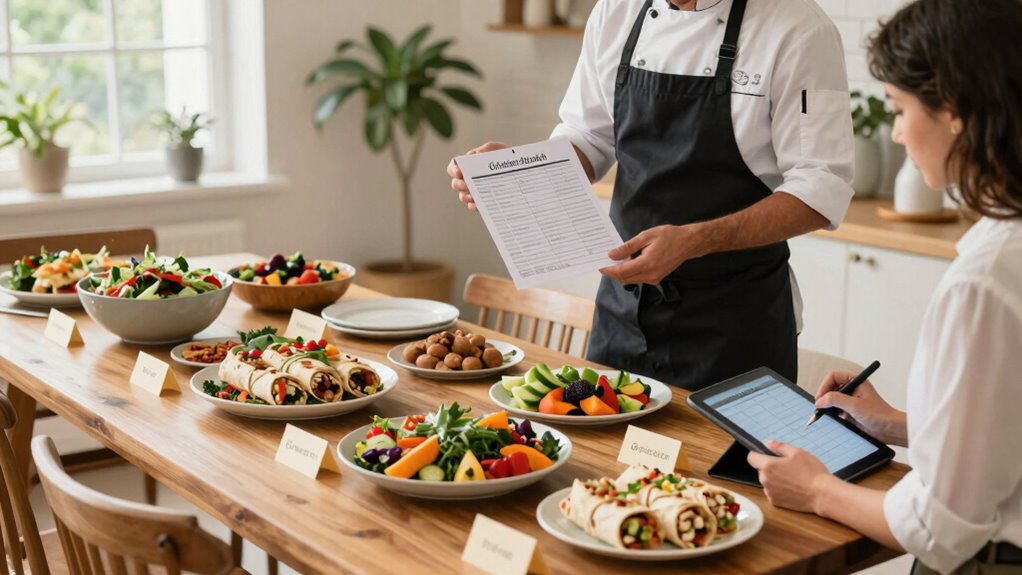
Creating a flexible, inclusive menu guarantees all retreat participants feel accommodated and valued. To achieve this, focus on menu variety that caters to different dietary needs and preferences. Prioritize ingredient sourcing from reliable suppliers to guarantee quality and availability. This allows you to adapt dishes easily and meet diverse tastes. Consider including options like vegetarian, gluten-free, and vegan dishes to cover common dietary restrictions. Remember, variety isn’t just about different foods but also about flexibility—offering customizable meals or build-your-own stations helps guests feel involved. Keep these points in mind:
Creating an inclusive menu with flexible options ensures all guests feel valued and accommodated.
- Offer a range of dietary options for inclusivity
- Source ingredients carefully for consistency and quality
- Prepare adaptable dishes to accommodate various needs
- Incorporate trusted supplier networks to ensure ingredient reliability and quality. Utilizing electric equipment like portable generators or electric bikes can enhance sustainability and efficiency during meal preparation and service. Incorporating food safety standards and proper handling practices further ensures a safe dining experience for all participants. Additionally, understanding dietary restrictions can help you tailor menus to meet specific needs and preferences, ensuring everyone feels considered and your retreat runs smoothly.
When Should You Schedule Meals to Keep Your Retreat Flow Smoothly?
Scheduling meals at the right times keeps your retreat moving smoothly and participants energized. Consider setting ideal meal times, allowing buffer periods for shifts, and leaving room for spontaneous breaks. These strategies help maintain flow and make adjustments easier as the day unfolds. Incorporating safe backup systems such as portable power ensures that meal preparations can continue uninterrupted even during outages. Planning for energy-efficient equipment and procedures can further enhance sustainability and reduce disruptions. Additionally, understanding participant needs and preferences can help tailor meal schedules that support overall retreat harmony. Implementing time management tools can assist in coordinating meal periods precisely and efficiently, which is especially important when considering the best vacuums for dust removal in 2024 to ensure cleaning does not interfere with scheduled activities.
Optimal Meal Timing
Timing your meals strategically can considerably enhance the flow of your retreat. Schedule meals to align with activity peaks, avoiding mid-session interruptions. This thoughtful coordination helps participants stay engaged and prevents hunger from disrupting momentum. Consider the timing of meal presentation to create a smooth experience, such as serving light snacks before lengthy workshops or hearty meals after physical activities. Be mindful of dietary restrictions; scheduling diverse options at predictable times ensures everyone feels included. To optimize flow, keep these points in mind:
- Serve meals when participants are most receptive, minimizing distraction
- Coordinate meal times around key sessions to prevent disruptions
- Communicate clearly about meal timing and options in advance
- Incorporate firewood handling techniques into meal preparation areas to promote safety and efficiency. Additionally, understanding reliable road evidence can help you plan logistical aspects, like transportation or emergency routes, to ensure smooth operations during your retreat. Planning meal schedules with client preferences in mind can also improve overall satisfaction and participation, as paying attention to meal timing can further enhance the retreat experience.
Buffer Periods Between Meals
To keep your retreat flowing smoothly, it is *vital* to include buffer periods between meals. These gaps give you time for meal preparation, especially when accommodating dietary restrictions. Planning a short break allows participants to digest and resets the schedule, preventing meal overlaps or rushed service. Buffer periods also help manage unexpected delays, ensuring the flow remains steady. When scheduling, consider the complexity of meal prep—more elaborate dishes may require longer intervals. Additionally, account for dietary restrictions that might need extra attention or time during meal setup. Incorporating efficient document management can also help streamline planning tasks and keep schedules organized. Recognizing drone insights can assist in visualizing the retreat layout, optimizing meal stations, and improving overall flow. Being aware of schedule flexibility is crucial for adapting to unforeseen circumstances and maintaining a relaxed environment. Properly timed buffer periods are essential for maintaining a seamless, enjoyable retreat experience. Moreover, understanding retreat logistics can help you anticipate potential bottlenecks and plan accordingly. By intentionally spacing out meals, you create a relaxed atmosphere where participants can enjoy their food without feeling hurried. Additionally, regularly reviewing participant feedback can help refine your scheduling approach for future retreats.
Flexibility for Spontaneity
While having a structured meal plan is important, building in flexibility allows your retreat to adapt to spontaneous moments and unexpected needs. Spontaneous dining can boost energy and camaraderie, so consider when unplanned snacks or meals might naturally fit into the day. For example, schedule open windows between sessions for attendees to grab a quick bite or relax with unplanned snacks. This way, you avoid disrupting the flow or forcing rigid meal times. To encourage spontaneity, keep a few options ready:
- Light snacks accessible anytime
- Flexible meal windows
- Unscheduled breaks for eating
Additionally, leveraging modern kitchen technology such as smart appliances and connected cooking can help facilitate quick, flexible meal options and streamline spontaneous dining needs. Incorporating simple meal prep systems can further enhance your ability to serve fresh, adaptable options quickly. Being aware of kitchen efficiency strategies ensures your retreat remains dynamic, accommodating unanticipated hunger cues and fostering a relaxed atmosphere that encourages engagement and comfort.
How Can You Clearly Communicate Food Options to Participants?
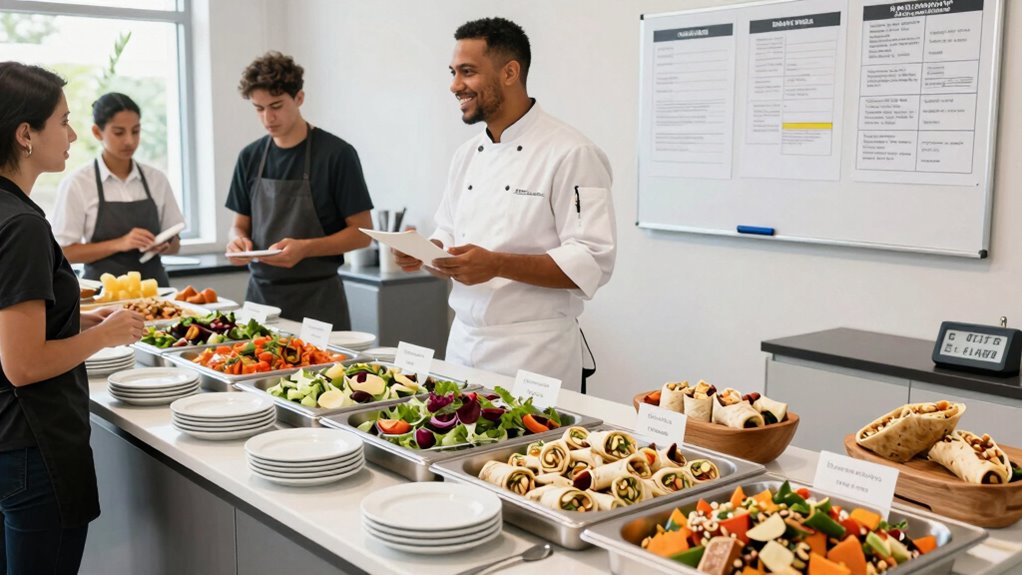
Clear communication is essential to guarantee everyone knows what food options are available during your retreat. You should focus on effective menu presentation and clear dietary labels to prevent confusion. Use simple language and visible signage to highlight gluten-free, vegetarian, and allergy-friendly options. Incorporate visual cues, like icons or color coding, to make labels easy to understand at a glance. Here’s an example of how to organize this information:
| Food Option | Description | Dietary Labels |
|---|---|---|
| Grilled Veggie Wrap | Fresh vegetables, whole grain tortilla | Vegetarian, Vegan |
| Chicken Salad | Cooked chicken, greens, vinaigrette | Gluten-Free, Dairy-Free |
| Fruit Platter | Seasonal fresh fruit | Vegan, Nut-Free |
| Nut Trail Mix | Mixed nuts, dried fruit | Vegetarian |
| Gluten-Free Brownies | Dairy-free, gluten-free dessert | Vegan, Nut-Free |
This approach guarantees clarity, helping participants easily identify suitable choices.
What Are Best Practices for Managing Food Allergies and Cross-Contamination?
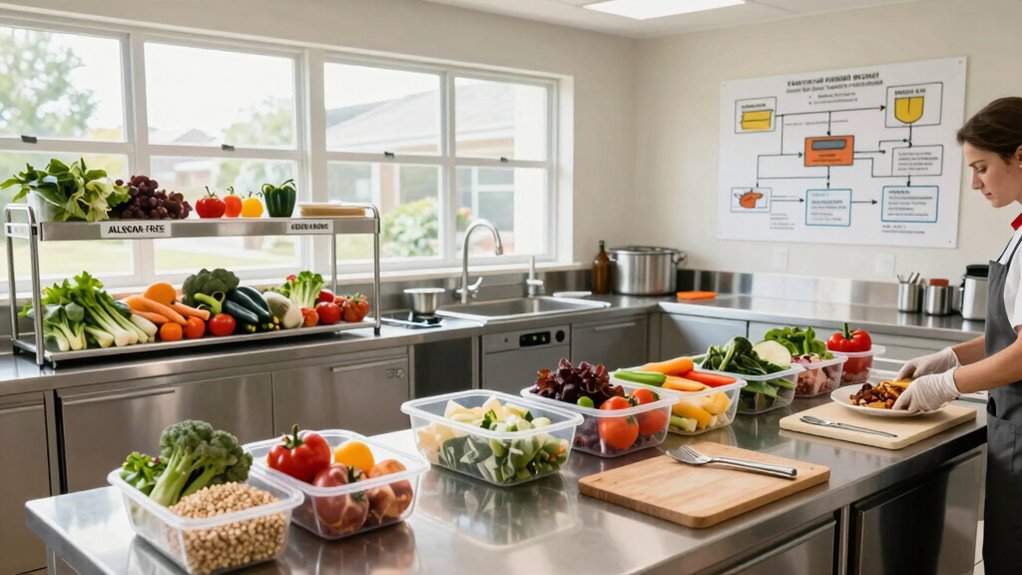
Effective management of food allergies and cross-contamination begins with diligent planning and strict practices. You should clearly identify allergies like gluten intolerance, nut allergies, and other sensitivities. Separate preparation areas are essential to prevent cross-contact. When offering gluten-free options and vegan accommodations, guarantee these are prepared with dedicated utensils and surfaces. Communicate these options clearly to participants to avoid confusion. To minimize risks:
Prioritize clear labeling, dedicated utensils, and staff training to prevent cross-contact and ensure allergen safety.
- Label all food items with allergen information
- Use separate utensils and containers for allergy-friendly dishes
- Train staff on allergy protocols and cross-contamination prevention
How to Adjust Your Food Plan Based on Feedback and Last-Minute Changes

When you receive new feedback or last-minute requests, respond quickly to assess their feasibility. Adapt meal options efficiently to meet everyone’s needs without causing delays. Clear and prompt communication guarantees all changes are understood and smoothly implemented.
Assess New Requests Quickly
Quickly evaluating new requests is essential to keep your food plan on track, especially when last-minute changes come up. Respond promptly to feedback, ensuring dietary needs are met without compromising flow. Clear communication is key—explain options and limitations to manage expectations. When adjusting, focus on:
- Maintaining consistent food presentation to reduce confusion and waste
- Providing brief dietary education to clarify choices and restrictions
- Prioritizing requests based on safety and feasibility
Adapt Meal Options Efficiently
Adjusting meal options in response to feedback or last-minute changes requires a proactive approach. You need to quickly evaluate the situation and adapt your menu diversity to meet new needs. If a participant requests a gluten-free or vegan option, leverage your ingredient sourcing to find suitable substitutions without disrupting the flow. Keep a flexible inventory of versatile ingredients to make swift adjustments. Communicate with your team to prioritize dishes that can be modified easily, avoiding complex preparations. Staying organized helps you identify which menu items can be expanded or replaced. By maintaining a diverse ingredient pool and staying attentive to feedback, you ensure everyone’s dietary needs are met efficiently and smoothly, even when surprises arise.
Communicate Changes Clearly
Clear communication is essential when updating your food plan based on feedback or last-minute changes. When adjusting for menu customization, make certain everyone’s needs are understood and documented accurately. Share updates promptly through clear channels and confirm everyone has received the new information. Keep dietary documentation up-to-date to avoid confusion. To effectively communicate changes, remember to:
- Highlight specific menu adjustments and reasons for the update
- Use clear, direct language to avoid misunderstandings
- Confirm receipt and understanding from all stakeholders
This approach helps prevent errors and ensures everyone feels confident about the new arrangements. When feedback prompts adjustments, clear communication safeguards the flow of the retreat’s meals, making sure dietary needs are met without issue.
Frequently Asked Questions
How Do You Handle Unexpected Dietary Requests During a Retreat?
When unexpected dietary requests come up during a retreat, you stay calm and respond promptly. First, communicate clearly with your team about the request. Then, provide emergency snack options that meet the needs, ensuring everyone stays nourished. Keep a list of common dietary requests handy to streamline the process. Your proactive approach helps manage surprises smoothly, making sure all guests feel cared for and accommodated effectively.
What Are the Best Ways to Accommodate Multiple Food Allergies Simultaneously?
To accommodate multiple food allergies simultaneously, you should offer allergy-friendly options clearly labeled and separate ingredients to prevent cross-contact. Always communicate with your catering team about specific allergies, guaranteeing ingredient segregation during prep and serving. You can also create a dedicated allergen-free station, making it easier for attendees to safely select food. Regularly train staff on allergy protocols, and double-check all labels to guarantee safety and inclusivity.
How Can You Ensure Food Flow Aligns With Various Retreat Activities?
You can facilitate food flow aligns with retreat activities by carefully planning meal timing around scheduled events. Coordinate meal service with activity schedules, providing snacks or light refreshments during transitions to keep energy levels high. Communicate clearly with your team to adjust serving times if activities shift. This approach helps maintain a smooth flow, keeps participants energized, and guarantees everyone’s dietary needs are met without disrupting the retreat’s rhythm.
What Strategies Help Prevent Cross-Contamination in Large Groups?
To prevent cross-contamination in large groups, prioritize food safety by implementing strict kitchen organization. Use separate cutting boards, utensils, and storage areas for different food types, especially allergens. Train your staff on proper handwashing and sanitation practices. Label all ingredients clearly, and set designated areas for allergen-free meals. Regularly monitor hygiene procedures to guarantee consistency, reducing the risk of cross-contact and promoting a safe dining experience for everyone.
How Do You Manage Last-Minute Menu Changes Without Disrupting the Flow?
You manage last-minute menu changes by maintaining menu flexibility and having ingredient substitutions ready. When surprises arise, quickly assess available ingredients and adapt recipes without disrupting the flow. Communicate changes clearly to your team and guests, ensuring everyone stays informed. This proactive approach minimizes disruptions and keeps the retreat running smoothly, allowing you to handle unexpected adjustments efficiently while maintaining a positive experience for all participants.
Conclusion
Planning ahead ensures your retreat’s meals run smoothly and everyone feels included. Remember, over 15% of the population has food allergies, so clear communication and flexibility are key. By evaluating needs early, designing inclusive menus, and staying adaptable, you create a welcoming environment. With thoughtful planning, you’ll foster connection and comfort, making your retreat memorable for all the right reasons. Your attention to detail truly makes a difference—so trust the process and enjoy the journey!