
To keep everyone happy at your retreat, set clear rules emphasizing respect, kindness, and open communication. Establish quiet hours and personal space boundaries to guarantee comfort. Share responsibilities for cleanliness and chores, using simple schedules or charts. Implement policies around food, alcohol, and pet care to promote safety. Foster inclusivity by respecting diverse backgrounds and encouraging honest dialogue. If you continue exploring, you’ll discover more ways to create a harmonious and welcoming environment for all.
Key Takeaways
- Establish respectful communication and clear boundaries to promote kindness and prevent conflicts.
- Set designated quiet hours and personal space rules to ensure rest and privacy for all.
- Create a shared chores schedule and clarify responsibilities to maintain cleanliness and organization.
- Implement policies on food, alcohol, and pet management to ensure safety and mutual respect.
- Promote safety, emergency procedures, and cultural sensitivity to foster an inclusive and secure environment.
Set Expectations for Respect and Behavior

To create a positive and safe environment, it’s essential to set clear expectations for respect and behavior from the start. You should communicate that respecting boundaries is a priority, ensuring everyone feels comfortable and valued. Promote kindness by encouraging friendly interactions and understanding among guests. Make it clear that disruptive or disrespectful behavior isn’t acceptable, and everyone should treat each other with courtesy. Setting these expectations early helps prevent misunderstandings and creates a welcoming atmosphere. When everyone knows what’s expected, it’s easier to maintain harmony and foster a sense of community. Additionally, understanding the importance of natural pools and environmentally conscious practices can contribute to a more respectful and sustainable retreat environment. Recognizing the significance of support Breakfast options can also enhance the hospitality experience, encouraging guests to feel cared for and nourished. Remember, establishing these guidelines sets the tone for respectful interactions throughout the retreat, making it enjoyable for all involved, especially when guests are aware of the benefits of sustainable practices in maintaining the environment. Incorporating environmentally friendly methods ensures that the retreat remains a responsible and conscientious space for everyone.
Create Clear House Rules for Quiet Hours and Personal Space

Create clear house rules for quiet hours and personal space to ensure everyone’s comfort during the retreat. Establish clear quiet hours so everyone knows when to minimize noise and respect rest times. Assign personal spaces to help guests feel comfortable and avoid conflicts. Clear rules around these areas make the retreat more peaceful for everyone. Additionally, providing guidance on maintaining a respectful atmosphere ensures that all guests enjoy their stay in harmony. Setting expectations for shared spaces promotes consideration and cooperation among guests, leading to a more enjoyable environment. Implementing house rules that are communicated clearly prevents misunderstandings and fosters a welcoming atmosphere. Regularly reviewing and enforcing these rules helps maintain a positive and comfortable retreat environment. Incorporating guidelines on respect for personal belongings further enhances harmony among guests.
Set Quiet Hours
Setting clear quiet hours helps guarantee everyone can relax and focus without unexpected interruptions. Establish specific times when noise levels should be kept low, such as early mornings or late evenings, so guests know when to be mindful. Communicate these hours clearly in house rules and post signs if needed. This practice also promotes a sense of mutual respect among guests, fostering a more harmonious environment. Creating a consistent routine around quiet hours can also help support personal well-being by allowing individuals to unwind and recharge. This not only enhance overall comfort but also prevents disturbances and respects everyone’s need for rest and concentration. Additionally, having a well-defined house policy helps set expectations and reduces potential conflicts related to noise and guest behavior. Implementing noise control strategies, such as soundproofing or designated quiet zones, further ensures a peaceful atmosphere. Also, define guest policies during quiet hours, including whether visitors are allowed and any restrictions on loud activities. By setting and enforcing consistent quiet hours, you create a peaceful environment where everyone feels comfortable. Clear rules on noise levels and guest policies ensure all guests understand expectations and help maintain a harmonious atmosphere.
Designate Personal Spaces
Designating personal spaces helps guarantee everyone knows where they can relax and store their belongings comfortably. By establishing clear boundaries, you create personal sanctuaries where individuals can unwind without interruption. Encourage residents to assign specific areas for their belongings and designate quiet zones for solitude. Respect individual boundaries by communicating openly about space needs and avoiding encroachment. This clarity reduces conflicts and ensures everyone feels secure in their environment. Use labels or signs if necessary, and remind everyone to honor each other’s personal sanctuaries. When each person understands their designated space, it fosters a sense of respect and harmony. Creating organized systems around personal space can further support maintaining order and reducing clutter. Applying boundary-setting techniques promotes a peaceful and respectful atmosphere within shared living spaces. Incorporating plant-based remedies or calming herbal solutions can help promote a peaceful atmosphere within shared living spaces. Additionally, implementing existential awareness practices can enhance residents’ understanding of personal boundaries and foster mutual respect. Recognizing the importance of regulatory exposure and operational resilience can also influence how residents establish and respect boundaries, ensuring a safe and compliant environment. Ultimately, clear boundaries and personal sanctuaries help everyone feel at ease, promoting a peaceful retreat for all.
Share Responsibilities for Cleanliness and Shared Spaces

Having a shared chores schedule helps keep the space tidy and fair for everyone. Clear cleaning responsibilities prevent misunderstandings and make sure no one bears all the work. How will you organize and communicate these responsibilities to keep the retreat comfortable for all? Regularly reviewing and adjusting the piercing care routine ensures everyone stays informed and maintains a respectful environment. Establishing a document management system can further streamline communication and record-keeping related to household tasks. Incorporating energy-efficient appliances into your cleaning routines can also reduce overall utility consumption and promote sustainability. Utilizing smart home technology can enhance coordination and make managing chores more efficient. Integrating connected fitness technology into your routine can inspire collective wellness activities and motivate everyone to stay active.
Shared Chores Schedule
To keep shared spaces clean and comfortable, everyone needs to take responsibility for their chores. A shared chores schedule ensures tasks like tidying up, taking out trash, and cleaning common areas are evenly distributed. This helps protect guest privacy by maintaining tidy spaces and respects pet policies by keeping pet areas clean and odor-free. When chores are clear and fair, tensions decrease, and everyone feels valued. Establishing a routine for chores can also prevent last-minute chaos and last-minute disagreements. Additionally, incorporating tools like smart garage door openers can streamline access and security for residents and guests. This way, everyone feels more comfortable inviting friends or guests. Pet policies are easier to enforce when spaces stay neat, and overall trust is built as the workload is shared equally. The retreat remains a peaceful, welcoming environment for all.
Clear Cleaning Responsibilities
Clear cleaning responsibilities are essential to maintaining a tidy and welcoming retreat. When everyone shares chores, shared spaces stay inviting, and guest privacy remains respected. Make sure pet policies are clear—pets should be cleaned up after, and areas kept tidy to avoid conflicts. Assign specific tasks so no one feels overwhelmed, and remind everyone to clean up after themselves.
Here’s a simple way to visualize responsibilities:
| Person | Cleaning Task |
|---|---|
| You | Kitchen counters, floors |
| Guest | Bathroom, guest rooms |
| Pet owner | Pet area, bedding |
Establish Policies on Food, Alcohol, and Substance Use

Establishing clear policies on food, alcohol, and substance use is essential to guarantee a safe and respectful environment for all guests. You want everyone to feel comfortable and secure, so set boundaries on alcohol moderation and respect dietary restrictions. Make sure guests understand what’s permitted and what’s not, reducing confusion and potential conflicts. Clear guidelines foster trust and help prevent overindulgence or misunderstandings related to substance use. By being transparent, you create a welcoming atmosphere where everyone’s needs are acknowledged.
- Ensure everyone feels safe enjoying meals without worry
- Prevent alcohol-related accidents and overconsumption
- Respect dietary restrictions, allergies, and preferences
- Promote responsible alcohol use among guests
- Create a culture of respect and mindfulness
Build Open Communication and Address Conflicts

Open communication is the foundation of a respectful and comfortable retreat environment. When you encourage honest dialogue, everyone feels heard and valued. Practice active listening by giving full attention, nodding, and paraphrasing to confirm understanding. Address conflicts early to prevent escalation, using conflict resolution techniques like focusing on solutions rather than blame. Creating a safe space for open talk involves setting ground rules, such as respecting differing opinions. The table below highlights strategies to foster communication and manage disagreements effectively:
| Strategy | Benefit |
|---|---|
| Encourage active listening | Builds understanding and trust |
| Promote transparency | Reduces misunderstandings |
| Address issues promptly | Prevents conflicts from escalating |
| Use neutral language | Maintains respectful conversations |
Know Emergency Procedures and Support Contacts
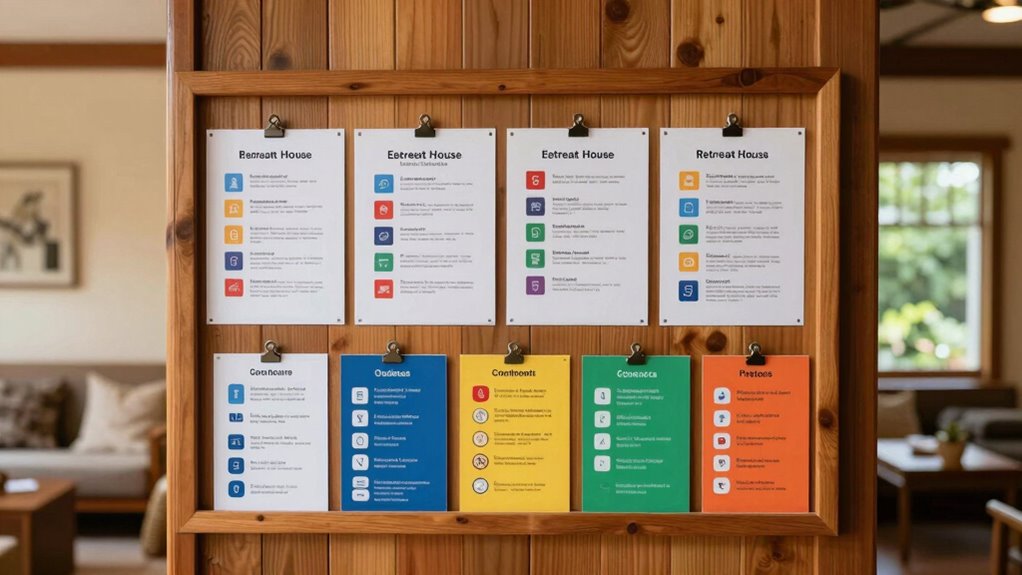
Knowing emergency procedures and support contacts is essential for ensuring everyone’s safety during the retreat. When you’re familiar with safety procedures, you can respond confidently if a crisis arises. Make sure you know the location of emergency contacts, including local authorities and medical services, and keep this information accessible. Being prepared can prevent panic and protect lives.
Familiarize yourself with emergency contacts and safety procedures to respond confidently and protect everyone during the retreat.
- Remember the emergency contacts listed in the retreat handbook or posted in common areas
- Know the quickest routes to emergency exits and safety zones
- Understand basic safety procedures, like first aid and evacuation steps
- Keep your phone charged and accessible for quick communication
- Stay calm and focused, knowing you can rely on established protocols in emergencies
Foster Inclusivity and Cultural Sensitivity

Creating an inclusive and culturally sensitive environment requires intentional effort from everyone at the retreat. You can foster this by practicing cultural awareness, understanding that participants come from diverse backgrounds. Respect different customs, traditions, and perspectives, and avoid making assumptions. Encourage open dialogue and ask respectful questions to learn from others’ experiences. Language inclusivity is also crucial; use clear, respectful language, and be mindful of idioms or slang that may not translate well. If language barriers exist, be patient and offer support when needed. By actively promoting understanding and respect, you help create a space where everyone feels valued and comfortable. Your efforts directly contribute to a welcoming environment where diversity is celebrated and inclusivity thrives.
Explain Check-In/Out and Housekeeping Rules

To guarantee everyone feels comfortable and respected during their stay, it’s important to clearly understand the check-in and check-out procedures, as well as housekeeper expectations. Knowing the check-in procedures helps you settle in smoothly, while understanding checkout policies ensures a hassle-free departure. Respectful communication about cleaning times and expectations fosters a harmonious environment.
Key points to remember include:
- Arrive on time for check-in to avoid delays
- Follow designated check-in procedures for a seamless process
- Leave your space tidy to assist housekeepers
- Adhere to checkout policies to respect others’ schedules
- Notify staff of any special needs or concerns early
Clear rules make everyone’s experience more enjoyable and stress-free.
Frequently Asked Questions
How Should Disputes Between Guests Be Handled?
You should handle disputes between guests with calm, clear communication and prompt guest conflict resolution. Listen to both sides, show empathy, and encourage respectful dialogue. To prevent conflicts, implement dispute prevention strategies like setting clear house rules and addressing issues early. If tensions escalate, mediate fairly and privately, ensuring everyone feels heard. Your proactive approach keeps the environment peaceful and helps maintain a positive retreat experience for all guests.
What Are the Consequences for Violating House Rules?
If you violate house rules through inappropriate guest behavior, expect clear house penalties, such as warnings or temporary restrictions. Repeated infractions could lead to immediate eviction or being asked to leave without a refund. These consequences aim to maintain a peaceful environment. It’s important to follow all rules to avoid disruptions and guarantee everyone’s stay remains enjoyable. Respecting house policies keeps the retreat welcoming for all guests.
Are Pets Allowed in the Retreat House?
Pets are not permitted in the retreat house due to our pet policy. We have animal restrictions in place to guarantee a peaceful environment for all guests. If you bring a pet, it could lead to disruptions or discomfort for others, and you might face penalties or be asked to leave. Please make arrangements for your pet elsewhere, respecting our rules and the comfort of everyone staying here.
Can Guests Host Events or Gatherings on the Property?
Did you know that 75% of retreat guests value a peaceful environment? You can host small, pre-approved events at the retreat house, but only within our guest event policies. Gathering restrictions are in place to make certain everyone’s comfort, so check with staff before planning any gatherings. This way, you respect the space and maintain the tranquil atmosphere, making sure everyone enjoys their stay.
How Do I Access Emergency Contacts and Support Services?
You can access emergency contacts and support services by checking the emergency preparedness booklet provided upon arrival. It lists support hotlines for immediate assistance and local emergency numbers. Keep this booklet handy in your room or common area. If you need urgent help, don’t hesitate to dial the emergency number. Staying informed and prepared guarantees you can quickly reach the right support services when needed.
Conclusion
By setting clear rules and fostering open communication, you create a welcoming environment for everyone. For example, if a guest forgets about quiet hours, gently reminding them helps maintain peace without conflict. When everyone understands expectations and feels respected, your retreat house becomes a supportive space where all guests can relax and connect. Clear guidelines truly make the experience enjoyable for everyone, ensuring your retreat house remains a happy, harmonious haven.