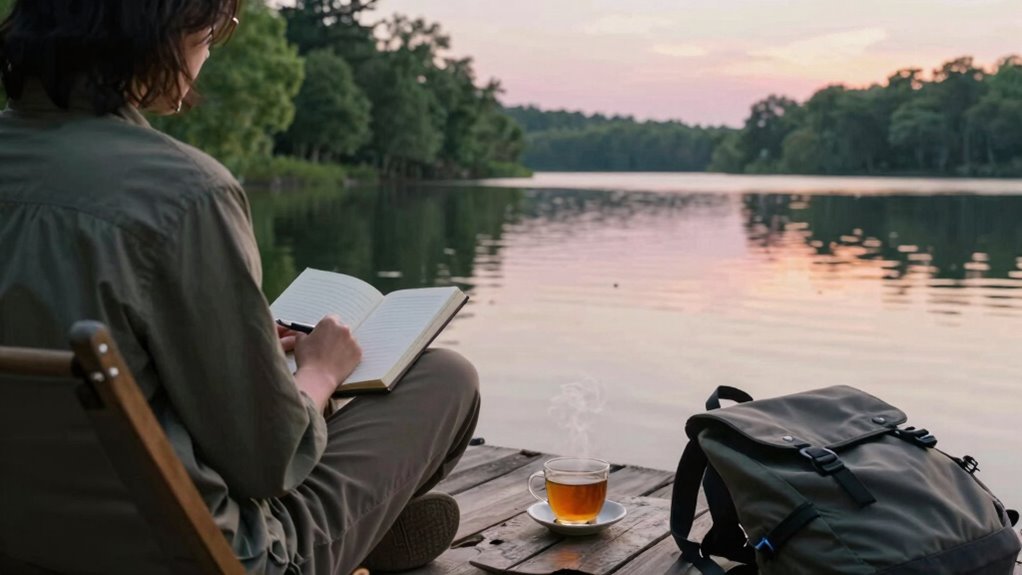

To plan less and enjoy more with a mindful itinerary, focus on what truly matters to you, like local culture and meaningful experiences. Prioritize quality over quantity by choosing a few spots to explore deeply. Leave buffer times for spontaneous adventures and stay flexible, embracing unexpected discoveries. Engage fully in each moment to stay present and avoid overpacking or rigid schedules. If you’re curious about creating a more intentional trip, there’s plenty more to explore.
Key Takeaways
- Prioritize meaningful local interactions and cultural immersion over extensive sightseeing checklists.
- Incorporate flexible buffers and spontaneous activities to adapt plans and embrace unexpected discoveries.
- Focus on staying present by engaging fully in each moment, enhancing emotional connection and mindfulness.
- Limit the number of activities to avoid overplanning, allowing time for reflection and authentic experiences.
- Use planning tools and note to maintain flexibility, ensuring trips feel purposeful and less stressful.
What Are Mindful Travel Itineraries and Why They Make Your Trip Better
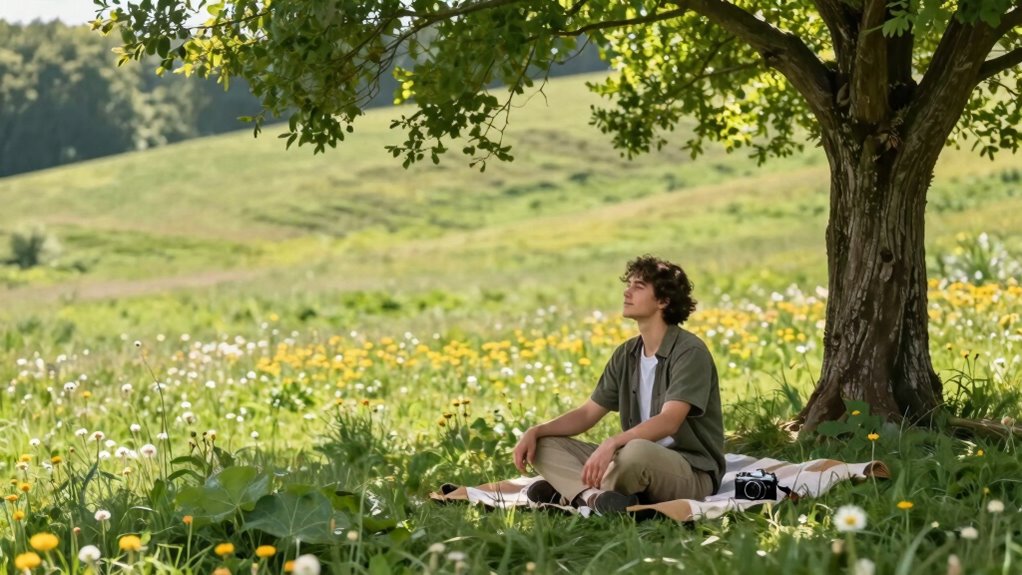
Mindful travel itineraries are thoughtfully designed plans that prioritize your well-being, local culture, and the environment. They encourage you to engage in authentic experiences, fostering cultural immersion and meaningful local interactions. Instead of rushing through sights, you take time to connect with communities, learn their traditions, and respect their customs. This approach transforms your trip from a checklist of attractions into an enriching journey that nurtures your understanding and appreciation of the destination. By focusing on quality over quantity, you reduce stress and avoid burnout. Mindful itineraries help you stay present, making every moment purposeful. Incorporating well-calibrated projectors into your travel experience can also enhance your viewing moments, making your trip more memorable. Additionally, considering energy-efficient cloud solutions can help travelers reduce their environmental footprint during their planning and stay. Embracing personalized travel planning can further elevate your experience by tailoring activities to your interests and values. As a result, you leave with deeper connections, valuable insights, and a sense of fulfillment that traditional travel often misses.
How to Identify Your Top Priorities for a Meaningful Trip

To create a meaningful trip, start by clarifying what truly matters most to you. Think about whether you seek cultural immersion, authentic local interactions, or quiet reflection. Identifying these priorities helps you focus on experiences that resonate deeply, rather than spreading yourself thin. Consider what memories will make the trip worthwhile—perhaps engaging with local artisans or exploring lesser-known neighborhoods. Be honest with yourself about what brings you joy and fulfillment. By pinpointing your top priorities, you can craft an itinerary that enriches your understanding of the destination and creates lasting connections. Incorporating energyLast and strategies ensures that your planning remains flexible and aligned with your goals. This mindful approach assures your trip feels purposeful and satisfying, rather than rushed or superficial. Ultimately, knowing what matters most guides you toward meaningful experiences that enrich your journey.
Choosing Quality Experiences Over Quantity
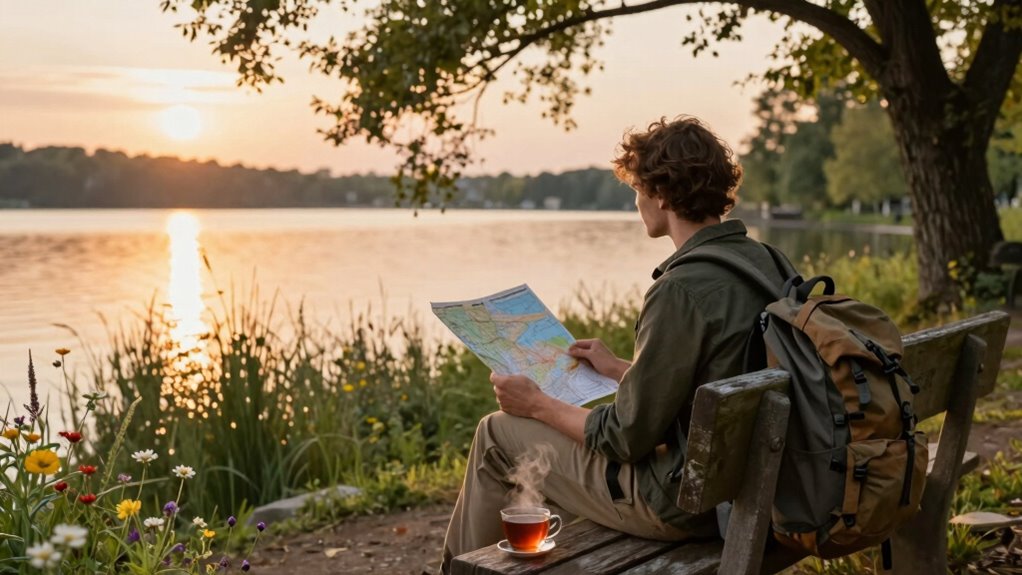
While it’s tempting to pack your itinerary with as many sights and activities as possible, focusing on quality over quantity guarantees your trip feels enriching rather than exhausting. When you prioritize meaningful experiences, you allow yourself time for deeper cultural immersion and genuine connections, especially during solo travel. Instead of rushing through attractions, choose a few that resonate most with you and engage fully. This intentional approach helps you enhance your experience by making each moment more memorable and impactful. It also encourages you to incorporate mindful planning to savor each destination fully. This approach lets you savor local traditions, conversations, and flavors, creating memories that last. Cultivating curiosity about your surroundings transforms a simple trip into a meaningful journey of discovery. Being aware of your reliance on cloud services and planning contingency measures can prevent disruptions that might otherwise diminish your trip. Incorporating local interactions and exploring off-the-beaten-path sites further enriches your journey. Quality experiences encourage mindfulness and present-moment awareness, making your journey more rewarding. Remember, it’s not about ticking off everything on a list but about truly engaging with your destination and making each moment count.
How to Incorporate Spontaneous Activities Without Overloading Your Schedule

To fit spontaneous activities into your schedule, start by leaving buffer time between planned events. Prioritize these unplanned moments when they genuinely excite you, and keep your itinerary flexible enough to accommodate surprises. This approach helps maintain a relaxed pace and prevents burnout or stress. Additionally, understanding grocery savings strategies can inspire you to allocate more time for enjoyable activities rather than routine chores. Embracing slow travel principles encourages savoring each experience without feeling rushed, making room for unexpected adventures that enrich your journey. Incorporating micro-mobility solutions like e-bikes can further streamline your spontaneous outings, allowing you to explore more effortlessly and spontaneously. Exploring French press coffee techniques can also add delightful moments of relaxation during your day. Learning about character development from TV shows like NCIS can inspire storytelling or journaling as a spontaneous activity to enjoy during your travels.
Leave Buffer Time
Including buffer time in your itinerary can make your trip feel more relaxed and spontaneous. It allows space for unplanned activities and prevents burnout. To effectively incorporate travel buffers:
- Schedule rest days strategically, giving yourself time to recharge without feeling guilty.
- Add flexible periods between major activities, enabling spontaneous explorations.
- Keep some unallocated time each day for surprises or delays.
- Use buffers to manage unforeseen circumstances without compromising your overall plan.
This approach ensures your schedule remains adaptable, reducing stress and increasing enjoyment. Remember, rest days act as essential buffers, helping you stay energized. By intentionally leaving room for spontaneity, you create a more mindful, fulfilling travel experience without overloading your itinerary.
Prioritize Spontaneous Choices
You can enjoy spontaneous activities during your trip without overwhelming your schedule by intentionally leaving open time blocks. This allows you to embrace local cuisine discoveries or cultural immersion moments that arise unexpectedly. When you’re flexible, you open yourself up to memorable experiences that aren’t planned, creating deeper connections with your surroundings. To evoke emotion, consider this table:
| Spontaneous Moment | Emotional Impact |
|---|---|
| Trying a street food stall | Excitement and cultural discovery |
| Wandering into a local festival | Joy and authentic connection |
| Exploring an unplanned alleyway | Curiosity and surprise |
| Sitting at a hidden café | Relaxation and reflection |
| Joining a local workshop | Fulfillment and cultural immersion |
Additionally, practicing mindfulness techniques can heighten your awareness and appreciation of these spontaneous moments, making your experiences even richer. Incorporating sensory awareness exercises can help you fully savor these unanticipated experiences, adding depth to your journey. Developing attentive observation skills can further enhance your ability to notice and appreciate subtle details in your environment. Recognizing the best water parks in the area can make spontaneous decisions such as visiting an unexpected water attraction even more enjoyable. Prioritizing spontaneity lets your journey feel alive, meaningful, and uniquely yours.
Keep It Flexible
Balancing spontaneity with a busy schedule can seem challenging, but it’s entirely possible to enjoy unplanned moments without feeling overwhelmed. To stay flexible, consider these strategies:
- Keep travel journaling handy to record spontaneous discoveries, helping you savor moments without rushing.
- Pack versatile essentials, like a lightweight jacket and comfortable shoes, to adapt easily to unexpected adventures.
- Leave buffer time between activities, allowing room for spontaneous plans without disrupting your schedule.
- Trust your instincts—if an unplanned activity excites you, pursue it without overthinking.
- Cultivating a mindful attitude towards new experiences can help you embrace spontaneity without losing focus and maintain a sense of calm amidst the chaos. Incorporating air quality considerations, such as ensuring good air circulation, can also contribute to a more relaxed and comfortable travel experience.
- Being aware of media literacy can help you navigate unexpected situations more confidently and enjoy your trip fully.
Staying Present and Flexible During Your Travel Adventure

When you embrace a mindful approach to travel, staying present and flexible becomes much easier. Focus on engaging fully in each moment, whether you’re exploring a new neighborhood or sharing a conversation with locals. Prioritize cultural immersion by observing daily routines and participating in local interactions, which deepen your understanding and appreciation of the place. Let go of rigid plans that might distract you from genuine experiences. If plans change unexpectedly, see it as an opportunity rather than a setback. Stay attentive to your surroundings, savor small details, and allow your curiosity to guide you. By remaining adaptable and mindful, you’ll create meaningful connections and enjoy your adventure without the stress of constant planning.
Tools and Tips for Planning a Manageable, Mindful Trip
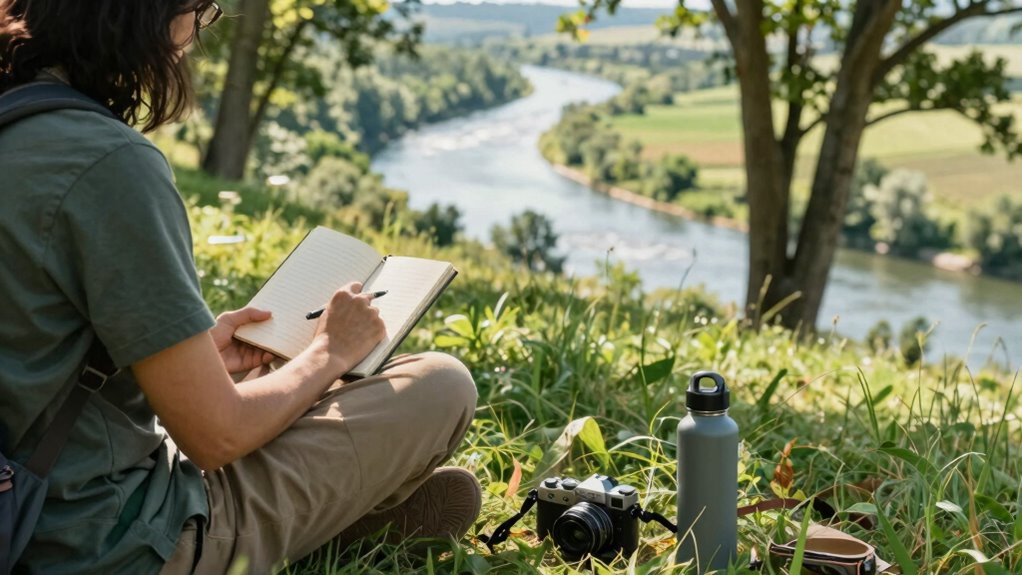
Planning a manageable, mindful trip starts with choosing the right tools to keep you organized without feeling overwhelmed. Use apps like travel planners or note-taking tools to map your days, ensuring time for cultural immersion and local cuisine. Consider these tips:
- Create a flexible itinerary with built-in downtime.
- Use language apps to connect authentically with locals.
- Research cultural customs to deepen your experience.
- Keep a journal to reflect on your journey and stay present.
These tools help you stay focused on meaningful moments, avoiding rushing through sights. Prioritize experiences that foster genuine connection, whether through tasting regional dishes or engaging in local traditions. With the right planning, your trip becomes a mindful adventure that enriches your understanding and enjoyment.
Common Mistakes to Avoid When Planning a Mindful Travel Itinerary

Even with well-organized tools and thoughtful tips, it’s easy to fall into common pitfalls that can undermine a mindful trip. One major mistake is overplanning, which can lead to rigid scheduling that leaves no room for spontaneity or rest. This approach can turn your trip into a checklist rather than an experience. To visualize, here’s a quick comparison:
| Overplanning Mistakes | Rigid Scheduling | Missed Opportunities |
|---|---|---|
| Packing too much | No flexibility | Overlooked local gems |
| Over-scheduling | No downtime | Increased stress |
| Ignoring rest | Fixed times | Reduced enjoyment |
| Not leaving space | Strict itineraries | Burnout |
| Overcommitting | No buffer days | Lost authentic moments |
Frequently Asked Questions
How Can I Ensure My Trip Aligns With My Personal Values?
To guarantee your trip aligns with your personal values, focus on ethical tourism and value-based planning. Research destinations and activities that support local communities and sustainable practices. Choose eco-friendly accommodations and experiences that reflect your principles. Be mindful of your environmental impact and prioritize authentic cultural exchanges. By consciously selecting options that resonate with your values, you’ll create a meaningful, responsible journey that truly reflects what matters most to you.
What Are Effective Ways to Disconnect From Digital Devices While Traveling?
To disconnect from digital devices while traveling, commit to a digital detox by setting specific times to unplug each day. Create device-free zones in your accommodations or during meals to foster real connections. Turn off notifications and leave devices behind during outdoor activities or sightseeing. By intentionally unplugging, you allow yourself to fully experience your surroundings, reduce stress, and enjoy your trip without distractions.
How Do I Handle Unexpected Changes or Disruptions Calmly?
When unexpected changes happen, stay calm by adopting a flexible mindset. Take a deep breath and remind yourself that disruptions are part of the journey. Use contingency planning, like having backup plans or alternative activities, to adapt smoothly. Focus on what you can control, and view surprises as opportunities for spontaneity. This approach helps you enjoy your trip more and reduces stress during unforeseen events.
Can Mindful Travel Help Reduce Travel-Related Stress and Anxiety?
Ever wonder if mindful travel can ease your travel stress? It definitely can. Practicing mindful journaling helps you process your feelings, while breathing exercises keep you grounded during hectic moments. These techniques encourage you to stay present, reducing anxiety. When you focus on the moment rather than future worries, your travel experience becomes more relaxed and enjoyable. Isn’t it worth giving these simple mindfulness tools a try for a calmer journey?
How Do I Balance Sightseeing With Relaxation in a Mindful Itinerary?
You should pace your activities thoughtfully, balancing busy sightseeing with moments of relaxation. Embrace spontaneity by leaving some time unplanned, allowing you to unwind or explore surprises. Prioritize what truly interests you, avoiding over-scheduling. This mindful approach helps you enjoy your trip more fully, reducing stress. Remember, a flexible itinerary fosters genuine enjoyment and relaxation, creating space for meaningful experiences without feeling overwhelmed.
Conclusion
So, go ahead—plan less, savor more, and embrace the art of doing nothing intentionally. After all, the best memories often happen when you least expect them, not when your schedule’s bursting at the seams. Ironically, by simplifying your trip, you’ll likely discover more about yourself than if you’d tried to cram every experience into a checklist. Cheers to mindful travel—where the destination is less about arrival and more about truly being there.